REVIEW · ST KITTS
Hiking Mount Liamuiga Volcano in St Kitts
Book on Viator →Operated by Poinciana Safari Tours · Bookable on Viator
You’re one step closer to the Caribbean’s most dramatic hike. This Mount Liamuiga climb mixes open-air driving, tight jungle trails, and big island views from one of the eastern Caribbean’s highest peaks. You’ll ride in an open-top safari truck to start, then walk up through rainforest and cloud forest as the scenery changes hour by hour.
What I really love is how the day builds in layers: farmland and villages first, then dense forest, and finally that high-altitude cloud-forest feel. I also like the small-group vibe and the way guides bring the place to life, from plant talk to practical “how to move on this trail” tips—plus you get fresh local fruit and pastries along the way.
The main drawback to keep in mind: this is not a gentle walk. The terrain can be technical, rocky, and muddy, and the tour runs in all weather conditions, so rain can turn the descent into a real footing test.
In This Review
- Key things to know before you go
- Mount Liamuiga: what you’re climbing (and why it’s special)
- Getting there right: St. Pauls by open-top safari truck
- The hike itself: rainforest to cloud forest, step by step
- The summit: the islands view, crater vibes, and the timing of your rest
- Guide quality and group size: why pace can make or break the day
- Food, water, and the snacks that keep you going
- Gear and weather: how to stay upright on a muddy volcano trail
- Price and value: is $100 worth it?
- Who should book this hike on St. Kitts
- Book it or skip it: my take
- FAQ
- How long is the Mount Liamuiga hike?
- What time does the tour start?
- Is port pickup and drop-off included?
- What food and drinks are included?
- Is lunch included?
- Do I need to pay extra for alcohol?
- Does the tour run in bad weather?
- Is this hike suitable for children?
Key things to know before you go
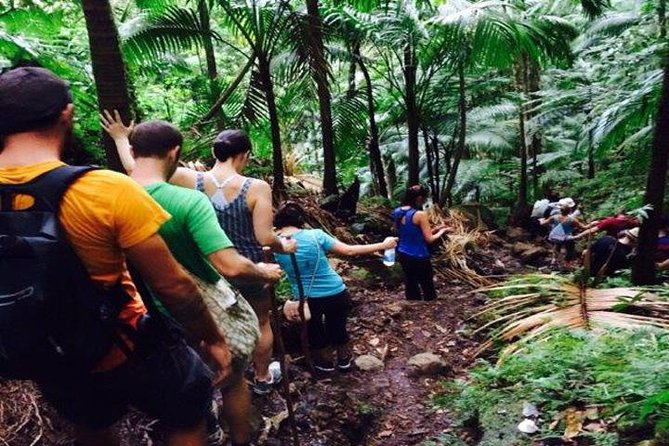
- Mount Liamuiga is the island’s top challenge at 3,792 feet (1,156 meters), with rainforest to cloud forest changes as you climb.
- You’ll start in St. Pauls via an open-top 4×4 safari truck, then switch to on-foot trekking.
- Expect a strenuous, root-and-rock trail—even when the elevation doesn’t feel brutal, your feet are busy the whole time.
- Breaks and rest stops are part of the plan, and good guides help you manage pace.
- Included snacks and fresh fruit hit at the right time, making the top feel earned rather than rushed.
- Wear grippy shoes and be ready for slippery conditions if it’s wet.
Mount Liamuiga: what you’re climbing (and why it’s special)
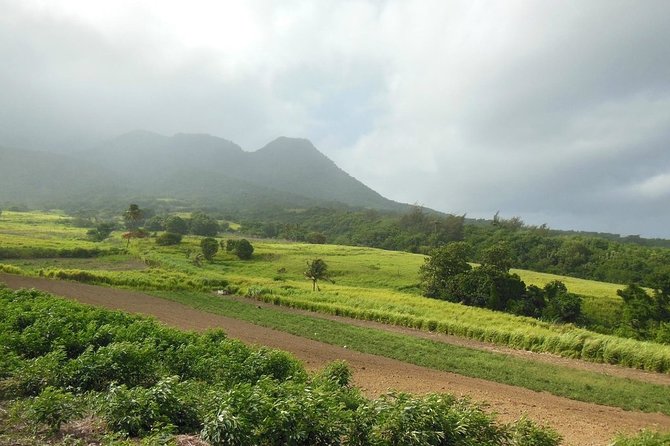
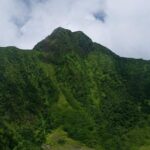
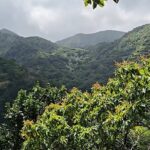
Mount Liamuiga is the highest point on St. Kitts, rising to 3,792 feet. What makes it so satisfying isn’t just the summit—it’s the way the hike climbs through different environments. Early on, you’re in zones tied to farming and small settlements (up to roughly 1,500 feet). As you gain altitude, the slopes turn into dense tropical rainforest, and then higher up you reach the cloud forest zone starting around 3,000 feet.
That change matters because it changes what you feel underfoot and around you. In the lower stretches, the trail can feel more grounded and familiar. Higher up, it’s cooler, misty (sometimes), and the forest feels thicker and more enclosed—like you stepped into a different climate without leaving the island.
The payoff is the view. From the high rim you can see St. Kitts as a whole and the Caribbean Sea, with neighboring islands often in sight: Saba, Statia, St. Barths, St. Martin, Antigua, and Nevis. You’re looking across open water, which makes the scenery feel bigger than a local hike.
You can also read our reviews of more tours and experiences in St Kitts.
Getting there right: St. Pauls by open-top safari truck
The morning begins with transport, with port pickup and drop-off available if you’re on a cruise. The start time is 8:30 am, and the day is built around getting you to the trailhead without wasting daylight. If you’re porting in, plan around local time, not ship time.
Before the hiking, you head toward the historic village of St. Pauls in an open safari-style truck. This part is more than a transfer. It’s your first “St. Kitts moment” of the day: small village scenery, tropical greenery, and a fast sense of scale. Since it’s open-top, you’ll feel the breeze and hear the morning life (even if you’re mostly focused on not dropping your hat).
Then the day flips from rolling scenery to concentrated effort. Once you’re on foot, you’ll be in dense foliage where the trail can be uneven, so the truck ride is a nice contrast—part scenic warm-up, part reset before your legs get a vote.
The hike itself: rainforest to cloud forest, step by step
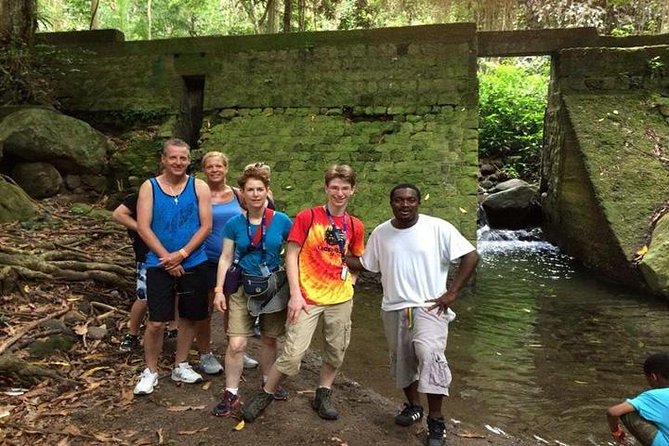
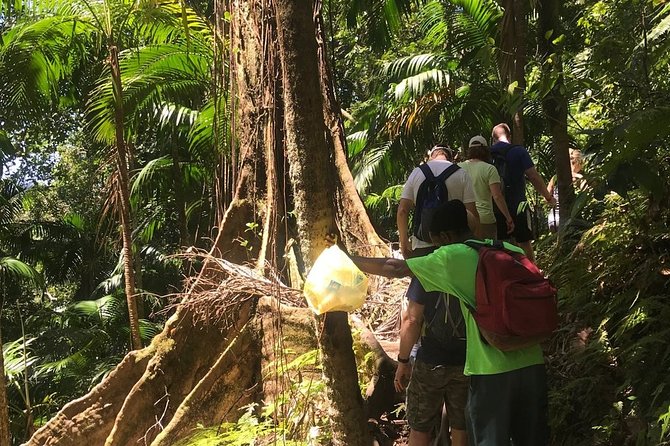
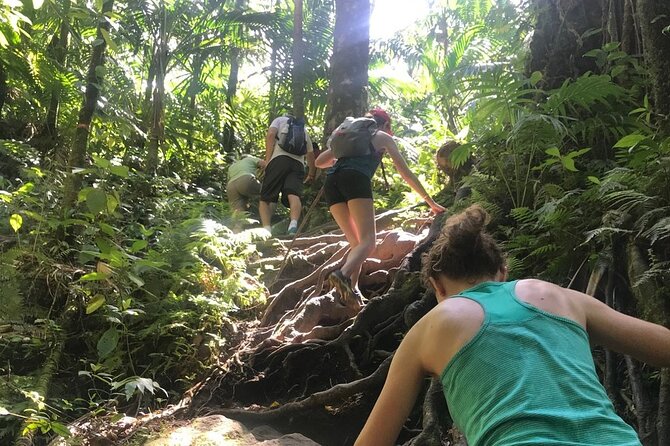
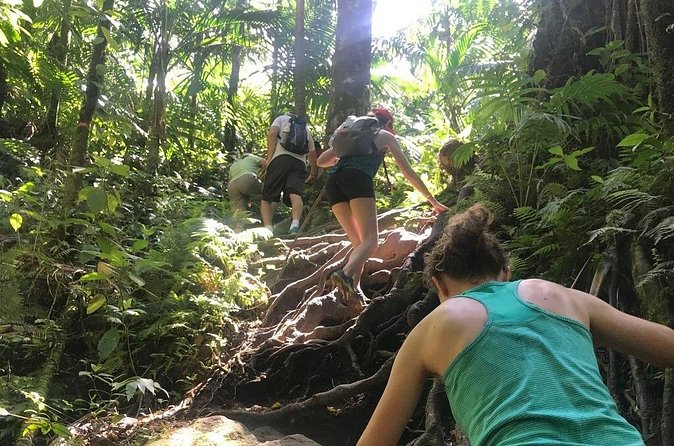
You’ll hike with a local guide and a small group. The route is described as trekking through dense rainforest and higher cloud-forest terrain. In real terms, that means you should expect a trail where you’re constantly managing your footing. Roots, rocks, and muddy patches show up repeatedly, and the path can feel technical in places where you’d normally expect a smoother forest stroll.
A big theme I picked up from how people describe the day: the climb can be physically hard, but the trickiest part is control. You’re often working around tree roots and slick spots rather than just pushing uphill. That’s why good shoes matter so much more than trying to “power through.”
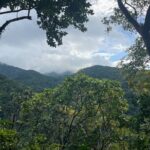
Some of the most memorable stretches are the ones where the forest closes in. The canopy keeps you in shade most of the way, and that changes the hiking heat. It’s still humid and warm, but you’re not roasting in direct sun for the whole climb. I’d still sweat a lot on this one, but it feels more manageable than a fully exposed Caribbean hike.
Also, you should assume there will be rest stops. The schedule isn’t just “walk, walk, walk.” You’ll make various stops along the trail for pacing and short breaks. A strong guide helps you pick a comfortable rhythm so you’re not constantly fighting your legs.
The summit: the islands view, crater vibes, and the timing of your rest
The peak is 3,792 feet, and the “top part” is where you cash in the effort. People talk about crater views and wide island panoramas, and you’ll feel the difference between the shaded forest walking and the open rim atmosphere once you reach the highest point.
Expect the top to feel like a place you’ll want to slow down at. You’re high enough that the air can feel cooler, and if the weather is kind, you’ll get clear sightlines over the Caribbean Sea. The view is often described as spanning multiple neighboring islands, which makes this one of those hikes where you keep looking around like you’re trying to name what you see.
You’ll also get refreshments and snacks as part of the experience. Fresh local fruit and pastries (banana bread, raisin bread, or coconut bread) are included, along with passion fruit, ginger beer, guava juice, or lemonade. That matters because it turns the summit from a quick photo-and-go to a real moment of recovery. You’re not just arriving sweaty and empty—you’re arriving fed.
One practical note: the summit time can feel limited if your group is moving quickly, especially in technical sections. If you need longer to steady your breathing, speak up early and don’t wait until you’re wiped.
Guide quality and group size: why pace can make or break the day
This hike lives or dies on how the day is paced. The tour runs with a small group, and the experience operator notes a maximum of 60 travelers overall, which helps keep things from feeling like a cattle drive. In smaller groups, you can move more safely and get more attention when the trail gets tricky.
Guide performance seems to be a big driver of satisfaction. Many hikers highlight local guides like Adrian and David, praising friendliness, patience, and the ability to read when people need a break. That’s not just nice personality—it’s safety. On a rocky, slippery trail, you want a guide who can spot who’s struggling and who understands that stopping briefly is sometimes smart, not slow.
That said, balance matters here. A smaller number of people felt rushed by their guide. I can’t predict how your day will feel, but I can tell you what to do about it:
- Start slow. You’re not racing; you’re hiking.
- Tell your guide early that you’ll want short breaks when needed.
- If it’s raining or muddy, prioritize stable steps over speed.
Food, water, and the snacks that keep you going
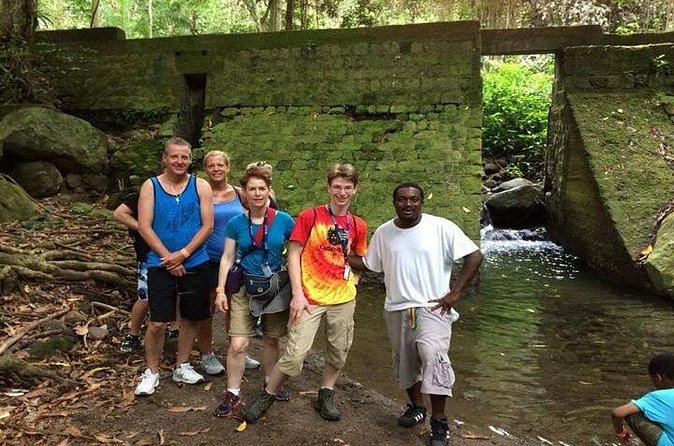
For the money, one of the best parts of this tour is that it doesn’t leave you hungry. You get bottled water plus locally made snacks. The food plan is simple but effective: locally made passion fruit, ginger beer, guava juice, or lemonade served with pastries like banana bread, raisin bread, or coconut bread. There’s also fresh local fruit.
This is the kind of inclusion that makes sense on a hike like this. It supports energy without forcing you into a long lunch stop. And since the day is roughly 6 hours total (including transport and trail pacing), you’re getting a clear “fuel moment” at the top.
Bring your own extra water only if you know you run through it fast. Included bottled water is part of the experience, but the trail can be hot and humid, and the footing effort adds up. If you’re a heavy sweater, it’s smart to plan for extra.
Alcohol isn’t included, but it’s available to purchase. If you’re imagining a post-hike drink as part of the vibe, you’ll have that option.
Gear and weather: how to stay upright on a muddy volcano trail
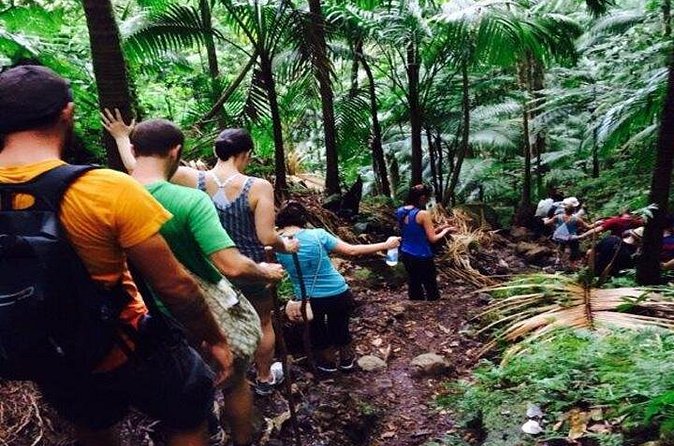
This tour operates in all weather conditions, so the best plan is to assume you’ll hike in real humidity and possibly real rain. When it rains, the trail can get muddy and slippery, especially on the descent. Some people found the wet conditions intense enough that the hike felt more dangerous than expected.
Here’s what I’d take seriously:
- Hiking shoes with solid grip. Not just sneakers with good intentions.
- Clothing that can handle wet conditions, since rainforest trails can drip and rain can roll through.
- Bug spray if you get bothered by insects. Some hikers specifically recommend it.
- A willingness to move carefully. Even fit people can slip when the trail turns into a muddy track of roots and rocks.
Sunscreen isn’t usually the big worry for everyone here because you hike under the tree canopy for much of the route. Still, if you burn easily, use it lightly. The bigger risk is footing, not sunburn.
Also, expect muddy hands. Bring something to keep your gear organized, and if you have a backpack, use a rain cover or a dry bag. A wet day on a volcano trail can turn everything damp fast.
Price and value: is $100 worth it?
At $100 per person for about 6 hours, this hike sits in the “active day worth paying for” category. You’re paying for more than the guided hike. You’re paying for:
- transport including port pickup and drop-off
- the transfer to the trailhead in a safari-style vehicle
- a guided trek through rainforest and cloud forest
- bottled water plus a snack-and-drink package of local fruit and pastries
If you tried to do this on your own, you’d likely need more time figuring out logistics, and you’d lose the safety and pacing help that matters on a technical trail. Good guidance doesn’t just make you learn more—it helps you avoid risky movement choices on roots and rocks.
So the value depends on you. If you’re comfortable with technical hiking and can enjoy the “work for the view” feel, you’ll probably feel the price is fair. If you want a smooth, easy nature walk, this is likely not the right spend.
Who should book this hike on St. Kitts
This tour is a great match if you:
- want a real physical accomplishment
- like rainforest walking with changing environments
- want a guide to explain plants and the island’s story while you move
- are okay with getting muddy and a bit wet
It’s not a good match if you have mobility limitations or need a flat, stroller-friendly path. The trail can be strenuous, rocky, and technical, and wet conditions make it harder.
If you’re a family group, the big variable is the kids’ hiking comfort. Some families have done it with teenagers and felt it was challenging but doable. That doesn’t guarantee it will feel the same for your group, so be honest about who can handle uneven footing.
Book it or skip it: my take
Book this tour if you want one of St. Kitts’ most intense “earned view” experiences, and you’re willing to focus on safe steps as much as sightseeing. The combination of transport, local snacks, and guide support makes it a strong value for a shore day.
Skip (or at least choose a different hike) if you want an easy stroll, if slippery footing would scare you, or if you need mobility-friendly surfaces. On a wet day, the descent can be the hardest part.
If you decide to go, pack grippy shoes, plan for mud, and set your pace early. Done right, you’ll leave with sore legs and a view that feels like it belongs to the top of the island.
FAQ
How long is the Mount Liamuiga hike?
The experience runs about 6 hours total, including transport and breaks.
What time does the tour start?
The start time is 8:30 am.
Is port pickup and drop-off included?
Yes. Port pickup and drop-off are included.
What food and drinks are included?
Bottled water is included, along with snacks featuring locally made pastries (banana bread, raisin bread, or coconut bread) and locally made drinks like passion fruit, ginger beer, guava juice, or lemonade. Fresh local fruit is also included.
Is lunch included?
No lunch is included.
Do I need to pay extra for alcohol?
Alcoholic drinks are not included, but they are available to purchase.
Does the tour run in bad weather?
Yes. It operates in all weather conditions, so you should dress appropriately.
Is this hike suitable for children?
Children must be accompanied by an adult. The tour should be approached as a trekking hike with moderate physical fitness, so choose accordingly.