REVIEW · ST KITTS
Private Hike St Kitts: Highest Peak Mount Liamuiga Volcano
Book on Viator →Operated by JB Taxi & Excursions (Janeel) · Bookable on Viator
Mt Liamuiga tests your legs and rewards your eyes. I love the private-group feel and the way your guide keeps the tempo in your control, even while you tackle steep volcanic terrain. You get hours of fresh air, wildlife sounds, and plant-spotting time, plus big views from high up. One caution: this is not a casual nature walk; it’s a serious, rugged climb, and it’s not a good pick if you have hip or knee issues.
The day starts with a scenic drive through St Kitts communities, then transitions to a climb that begins around 700 feet and heads toward the crater of the island’s 3,792-foot volcano. I also really like that the operator builds in comfort with bottled water, snacks, lunch at a local restaurant, and even a locally made walking stick. Just plan on bringing a change of clothes, because sweat and weather can turn the hike into a damp one.
In This Review
- Key things I’d plan around
- Why Mt Liamuiga feels like St Kitts at its edge
- The scenic drive: towns, free villages, sea views
- From 700 feet toward the crater: what the climb really demands
- Your private guide keeps it personal, not performative
- Nature sounds, plants, and possible vervet monkeys
- Lunch, water, and the little extras that prevent grumpiness
- Packing tips that actually match the conditions
- Price and value: is $275 worth it for a private volcano hike?
- Who should book (and who should choose something gentler)
- Should you book this Mt Liamuiga private hike?
- FAQ
- How long is the Mt Liamuiga private hike?
- Is pickup included?
- Is this a private tour or shared group?
- What’s included in the price?
- Where does the hike start, and how high do you go?
- What can you see at the top?
- Is it suitable for travelers with hip or knee problems?
- Can people with asthma do this hike?
- What should I bring for comfort and health?
- What if there’s bad weather?
Key things I’d plan around
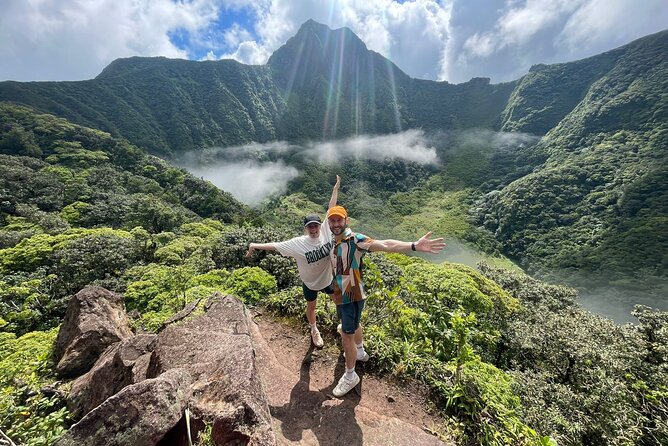
- Private hike pacing: you can set your own tempo with your local guide(s) and group.
- High-altitude payoff: views from the crater area over St Kitts and the neighboring island’s volcano.
- This is tough terrain: steep climbs, rocky/rugged footing, and rope-assist type sections may be part of the route.
- Nature adds texture: birds, crickets, and possible vervet monkeys make the forest hike feel alive.
- Included comfort: air-conditioned transport, bottled water, snacks, lunch, and a natural locally made walking stick.
- Real timing matters: you’ll want to align with your ship schedule if you’re in port for a short window.
Why Mt Liamuiga feels like St Kitts at its edge
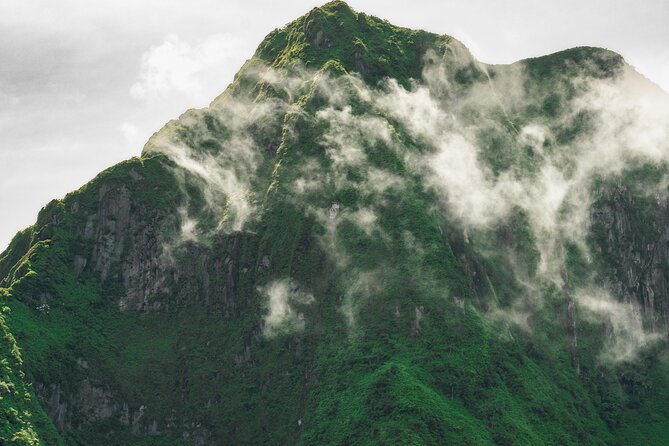
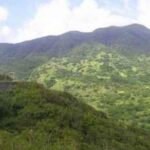
Mt Liamuiga is the island’s highest peak, and that alone changes the whole feel of the hike. At lower elevations, St Kitts can seem lush and green; higher up, you’re in a moodier, cooler, windier world where the forest sounds carry farther and the air feels sharper. That contrast is part of what makes this hike special.
I also like how the experience is built around your group and your guide, not a rushed parade. Your guide(s) stay with you the whole time, so you get real conversation, plant info, and pacing that fits your fitness level. And when you’re tired, you’re not forced into a one-speed “follow the leader” situation.
That said, let’s be honest: the mountain has teeth. This is described as extremely difficult by people who did it, with sections that go beyond simple hiking—think scaling/climbing and rugged terrain. If you’re the sort of traveler who enjoys a challenge, you’ll appreciate it. If you want a gentle nature stroll, this is going to feel like the wrong category.
You can also read our reviews of more tours and experiences in St Kitts.
The scenic drive: towns, free villages, sea views
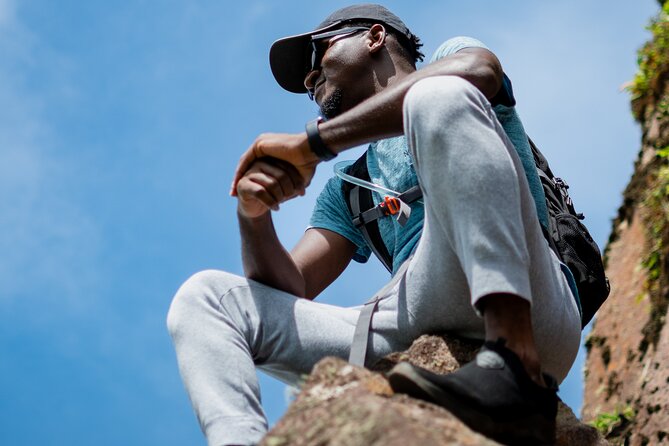
A lot of volcano hikes start the climbing too fast. Here, you get a drive that doubles as a St Kitts intro, and that matters. You’ll pass through areas like university school zones, the main town, and different communities along the way—some described as former slave free villages, plus fishers and farmers’ communities.
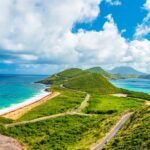
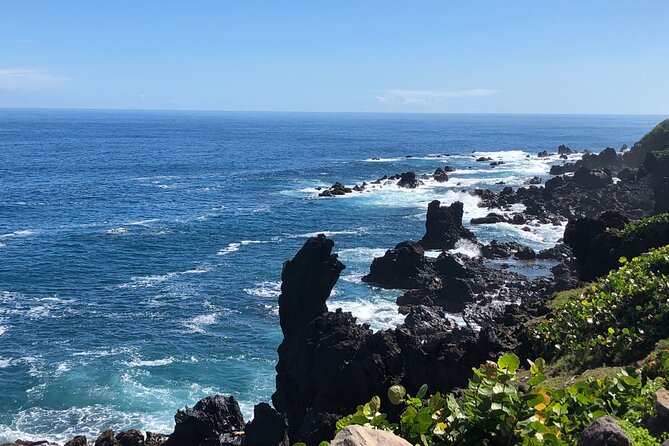
While you’re on the road, you also start building the “what am I climbing toward?” feeling. You’ll catch views of lush mountains and the Caribbean Sea, and then you’ll finally begin the hike from roughly 700 feet above sea level. That gradual setup helps your body adjust, and it helps your brain switch from vacation mode to hike mode.
If you’re traveling with limited time in port, pay attention to timing. The operator notes they can coordinate if your ship leaves early, so it shouldn’t automatically shut down your plans. But if you have a hard departure deadline, treat the day like a timed mission, not a leisurely wander.
From 700 feet toward the crater: what the climb really demands
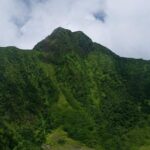
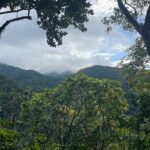
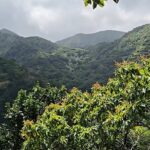
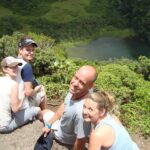
Once the hiking starts, the height gain is the story. You climb from about 700 feet, working upward toward roughly 3,100 feet, with the summit of the 3,792-foot volcano in sight. The big moment comes at the top, where you can see the crater of Mt Liamuiga and enjoy panoramic views over the community below.
You’ll also be looking across toward the neighboring island’s volcanic landscape. That kind of perspective is what you pay for on a highest-peak hike: the views aren’t just pretty pictures, they explain the geography of the place.
Now for the practical part: this climb can be demanding in ways you can’t fully gauge from a “volcano hike” label. People describe it as more than just a hike—steep sections, scaling/climbing, and rugged terrain. In at least one group experience, some hikers had to stop because it was too much, and the group had to manage time tightly to be back for a cruise.
What does that mean for you? If you’re deciding between this and a easier St Kitts walk, choose based on fitness and expectations. Go if you want a true challenge and you have the stamina to keep moving. Consider turning back early with your guide if you feel yourself fading—your safety and timing are part of the plan.
Your private guide keeps it personal, not performative
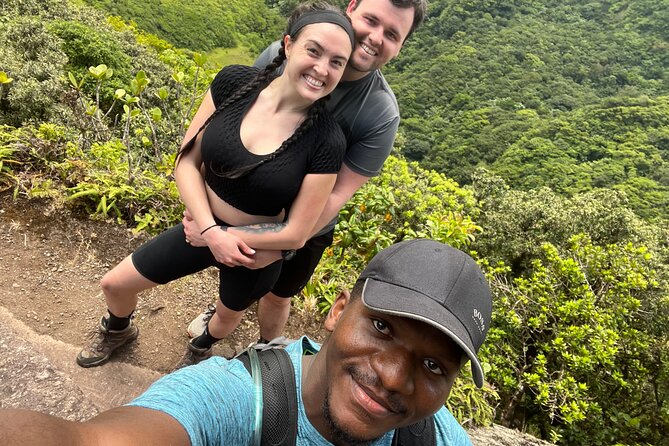
This is a private tour/activity, meaning only your group participates. That changes everything about how the day feels. You’re not getting pulled along by strangers, and you’re not stuck with the slowest or fastest person in the crowd.
Your guide(s) stay with you the entire time, and you can set your own pace. That matters on steep terrain because “same speed for everyone” is how people blow up early. With the private setup, your guide can adjust conversation, breaks, and pacing so you don’t arrive at the crater feeling wrecked.
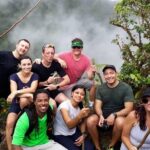
One guide name that came up clearly was Jamella. A recent private-hike guest described her as friendly, professional, and making the hike fun while still keeping it real. That’s the sweet spot you want in a high-elevation hike: guidance plus good energy, without turning the day into a lecture.
Nature sounds, plants, and possible vervet monkeys
The hike isn’t only about the summit. You’re also here for what happens in between.
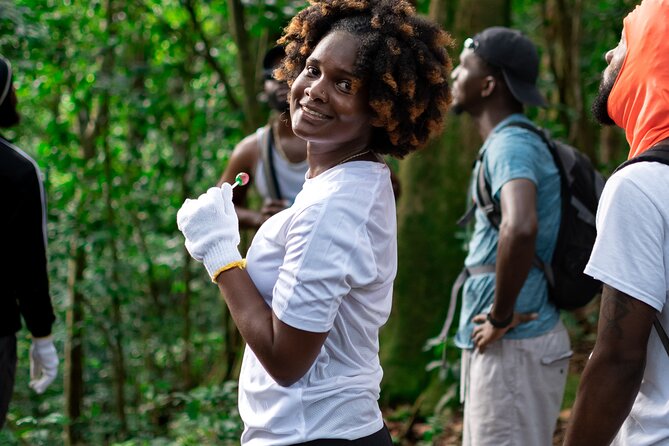
The experience is described as being surrounded by nature for at least about 4 hours, with birds and crickets in the mix and a chance of seeing vervet monkeys. On a mountain, even small wildlife moments feel bigger because the air and sound carry.
You’ll also learn about different types of plants as you walk. That’s one of the most underrated parts of a guided hike. Without guidance, you tend to see “green.” With a local guide, you start noticing what grows where and how the forest changes as elevation increases.
If you’re the type of traveler who likes to look closely—leaves, shapes, and animal behavior—this section of the day will feel like more than exertion. It becomes observation time.
Lunch, water, and the little extras that prevent grumpiness
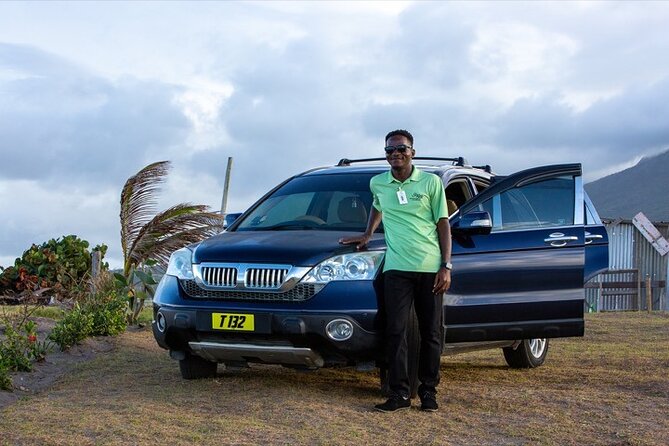
By the time you’re climbing, you want the basics handled. This includes bottled water plus snacks/light refreshment, and you’ll get lunch at a local restaurant.
That may sound like standard tour stuff, but it’s crucial on a hard hike. A full day can drain you if you’re trying to piece together food options while you’re tired and sweaty. Having lunch included removes that stress and helps you refuel properly without having to hunt for a place at the end of the climb.
You also get a walking stick that’s described as natural and locally made. I like this detail because it’s not just a prop. On rough terrain, having the right support can make the hike feel more controlled, and it also adds a little cultural touch.
Packing tips that actually match the conditions
This hike is an effort day, so pack for fatigue and weather swings.
Bring a change of clothes for after the hike. The operator explicitly flags rain and intense sweat as reasons to do it. That’s the kind of practical advice that saves your evening plans—especially if you’re headed back to a ship or dinner.
If you have a medical condition, plan early. The hike notes asthmatic travelers can do it, but you should share that in advance and make sure you have what you need (like an inhaler/pump). If you carry meds such as an Epi-pen, bring them and walk with your medical necessities.
Also, the tour notes it isn’t recommended for travelers with hip/knee problems. I’d treat that as a strong signal rather than a mild suggestion.
Price and value: is $275 worth it for a private volcano hike?
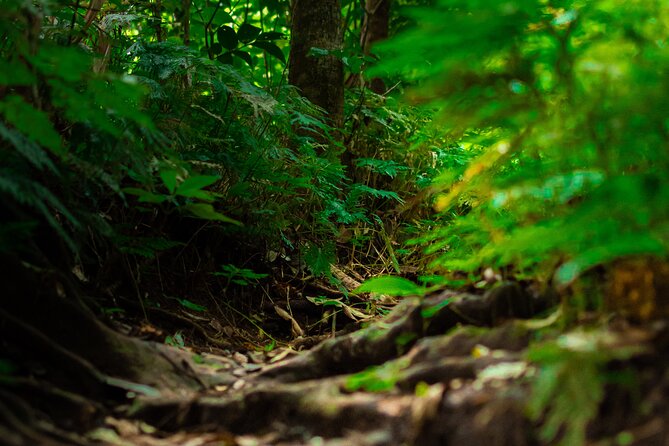
At $275 per person, this isn’t a “budget add-on.” But you’re buying a very specific mix: private transport, a dedicated guide setup, and a climb to the island’s highest peak with crater views.
What you get included is substantial:
- private transportation in an air-conditioned vehicle
- bottled water, snacks/light refreshment
- lunch at a local restaurant
- a locally made walking stick
- your preferred guide(s)
- and only your group participates
If your goal is just the crater view, you could probably find cheaper options. But if your goal is comfort, pacing control, and staying safe on hard terrain, the private format can be worth it. It reduces friction—no waiting on a big group, fewer schedule compromises, and less pressure to keep up with strangers.
One more value angle: this is typically booked about 42 days in advance. That’s a sign demand is steady enough that you shouldn’t wait until the last minute if your dates are firm.
Who should book (and who should choose something gentler)
This hike fits best if you:
- have a strong physical fitness level
- want a serious climb with big crater views
- like having a guide who can tailor pacing and keep the hike feeling personal
- enjoy nature spotting (birds, crickets, and possibly vervet monkeys)
It’s not a good fit if:
- you have hip or knee problems (not recommended)
- your plan is to keep this truly easy and slow
- you don’t have the stamina for steep, rugged terrain and possible rope-assist sections
If you have asthma, you can consider it, but share your needs in advance and bring the necessary aid.
Should you book this Mt Liamuiga private hike?
Book it if you want a real challenge, you’re okay with climbing-focused effort, and you’d rather have a private guided day than a generic group hike. The biggest draw for me is the combination of crater-level views plus the private pacing and local guide experience that keeps the day from feeling like a conveyor belt.
Skip it if your priority is a relaxed nature walk or if your body isn’t set up for steep, rugged terrain. In that case, you’ll likely have a stressful day instead of a great one.
If you’re unsure, use this rule: if you’re excited by the idea of a difficult ascent to a crater, you’ll probably love it. If you’re hoping for a light workout and easy scenery, you’ll feel disappointed.
FAQ
How long is the Mt Liamuiga private hike?
The tour duration is listed as approximately 6 hours.
Is pickup included?
Yes, pickup is offered.
Is this a private tour or shared group?
It’s a private tour/activity, and only your group participates.
What’s included in the price?
Included are private transportation in an air-conditioned vehicle, bottled water, snacks/light refreshment, lunch at a local restaurant, a natural locally made walking stick, and your preferred guide(s).
Where does the hike start, and how high do you go?
You start at about 700 feet above sea level and ascend toward roughly 3,100 feet, with the summit of the 3,792-foot volcano in sight.
What can you see at the top?
At the peak, you’ll see the crater of Mt Liamuiga and enjoy panoramic views of the community below and the neighboring island’s volcano.
Is it suitable for travelers with hip or knee problems?
No. It’s not recommended for travelers with hip/knee problem.
Can people with asthma do this hike?
Asthmatic travelers can take the hike, but you should share this in advance and make sure you have the necessary aid (for example your pump/inhaler).
What should I bring for comfort and health?
Bring a change of clothes in case of rain or intense sweat. Also bring any medical necessities (such as an Epi-pen) and any required inhaler/pump.
What if there’s bad weather?
The experience requires good weather. If it’s canceled due to poor weather, you’ll be offered a different date or a full refund.
If you tell me your fitness level and whether you’re on a cruise schedule, I can help you judge how risky the timing might feel and whether this hike matches your day.