REVIEW · PICO
Mount Pico Night Climb – Reach the Summit for a Magical Sunrise
Book on Viator →Operated by Tripix Azores · Bookable on Viator
Two a.m. on Pico feels like magic. This Mount Pico night climb starts in the dark, uses provided gear to move safely over volcanic paths, and ends with you standing near the top of Portugal as the sunrise lights up the Azores. I especially like that you get certified Pico Mountain guides who know how to pace a challenging hike, and I also like the basics that matter most at night: a headlight and hiking poles to help your footing.
One catch: this is not a stroll. Even at “medium” difficulty, it’s a technical mountaineering-style trek with a medium-to-high challenge level in the dark, and the descent can be rough on legs because the trail is irregular and obstacle-heavy. If you’re not used to steep hiking, you’ll feel it.
In This Review
- Key takeaways before you go
- Pico Night Climb: why the 2:00 a.m. start matters
- From trailhead to summit: what the rhythm looks like
- The climb is technical: difficulty you can’t ignore
- Guides on Pico: how Matteo and Bruno shape the experience
- Sunrise payoff: what you’re really aiming for
- What’s included (and what you’ll handle yourself)
- Price and value: is $145 a good deal for Pico?
- Meeting point and essentials: the gear rules are strict
- Weather decides everything
- Who should book the Pico Mountain night climb
- Should you book this night climb or choose a different option?
- FAQ
- What time does the Mount Pico Night Climb start?
- How long is the hike?
- What’s included in the price?
- What should I bring?
- Is this hike suitable for beginners?
- How many people are in the group?
- Does weather affect the schedule?
Key takeaways before you go
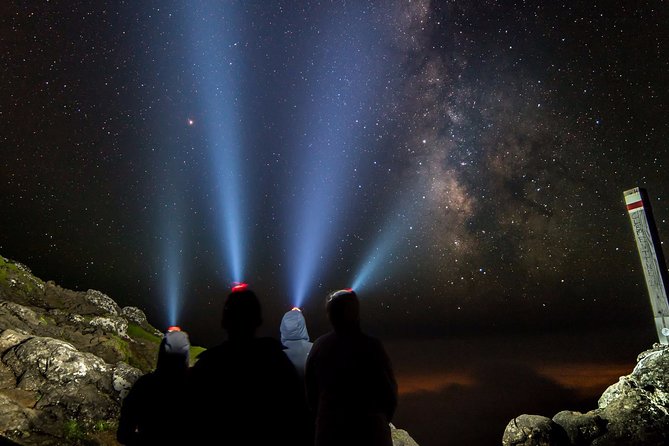
- Portugal’s tallest mountain, in the dark, for sunrise: You’re chasing the view and the moment, not just the exercise.
- Small group for close guiding: Maximum of 8 travelers means you’re not lost in the crowd.
- Night basics are covered: You get a headlight, hiking poles, and access to the Mount Pico Natural Reserve.
- Guides make the difference on Pico: Expect patient encouragement and safety warnings on tricky spots.
- The downhill can hurt more than the climb: Uneven ground and obstacles turn the descent into the real test.
- Plan around your body and your recent activities: You’re expected to be in good shape and avoid recent water/underwater diving-style activity in the prior 24 hours.
Pico Night Climb: why the 2:00 a.m. start matters
The big idea here is timing. Starting at 2:00 a.m., you’re on the trail before sunrise, when the island is quiet and the sky can be seriously impressive. You’ll be climbing through the dark with a headlight, then using the final stretch to reach the summit area as morning breaks.
That early start is also why the experience feels special. You’re not just “doing a hike.” You’re doing a mission: steady progress, controlled footing, and then a payoff that’s hard to match—sunrise from the highest point of Pico Mountain (2,351 meters).
You can also read our reviews of more tours and experiences in Pico.
From trailhead to summit: what the rhythm looks like
The tour begins at Mountain House in Candelária (Madalena, Pico). The activity is about 10 hours total, and it ends back where you started. The official itinerary is simple—Montanha do Pico—so the real story is the pacing and how you manage darkness, elevation, and fatigue.
A typical day unfolds like this:
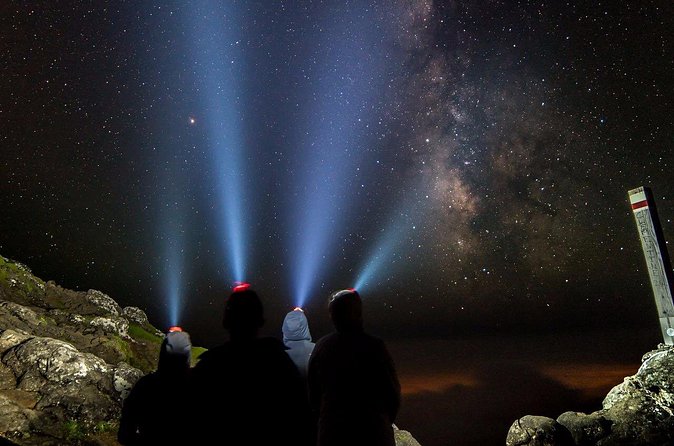
- Night ascent: You climb using hiking poles and your headlight for visibility. You’ll make multiple short breaks during the night—think around 6 to 7 pauses—so you can catch your breath and keep moving.
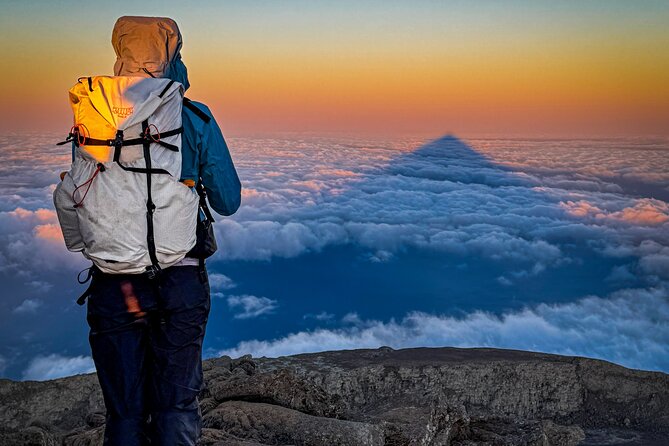
- Approaching the summit around morning: You aim to reach the top near sunrise. One commonly reported rhythm is starting around 2:30 a.m., reaching the summit area around 7:00 a.m., then taking time for sunrise and photos before beginning the descent.
- Descent later in the morning: The way down usually takes longer than you expect. Even people who feel strong on the climb can feel shaky here, because Pico’s trails can be irregular and obstacle-heavy.
- Back to the start: Many groups finish around late morning or around midday depending on pace, weather, and group needs.
If you’re wondering what makes that long window worth it: it’s the time between first steps and the sky turning from black to gold. On Pico, the “middle” matters, too—the careful climb and the buildup.
The climb is technical: difficulty you can’t ignore
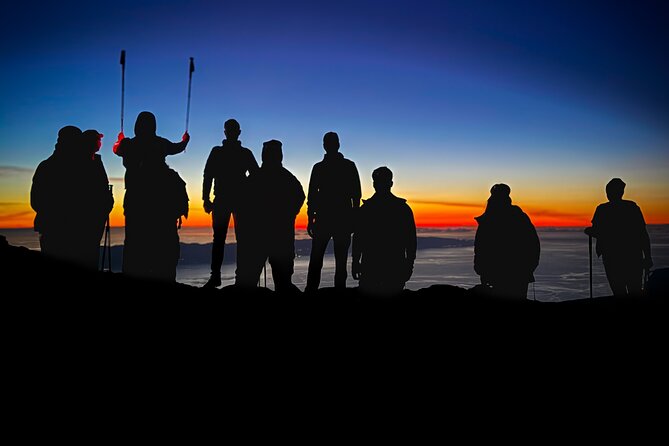
This is described as a challenging mountaineering activity with medium to high difficulty for the night option. That may sound flexible, but the day still demands real coordination and preparedness.
Here’s what you should expect to manage:
- Steep, volcanic terrain: You’ll be walking on uneven ground where balance matters.
- Some technical requirements: The trails can include sections where you’re not just stepping forward—you might need to climb or place your body with care.
- Medium/high effort that rewards training: The hike is doable if you’re active, but it’s harder if you’re sedentary.
- Physical and mental stamina: The night setting adds pressure. It’s darker, colder for some people, and it takes longer for your brain to fully “settle” into the effort.
One very practical takeaway from the experience: even fit people get tired, and guides often pace the group through that moment when motivation dips. If you’re new to hiking, this can become emotionally and physically demanding. If that’s your situation, plan for the fact that the descent is where many people feel their limits first.
Guides on Pico: how Matteo and Bruno shape the experience
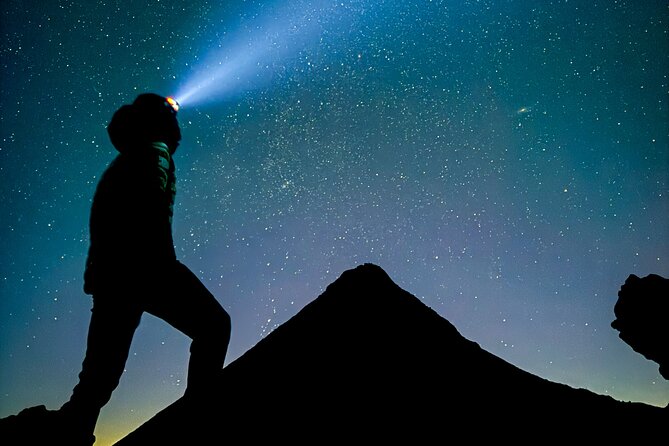
On Pico, a good guide isn’t just for directions—it’s for safety, pacing, and confidence. The standout names from the experience are Matteo and Bruno, and the pattern is clear: they help you keep going.
What I like about their approach (and what you’ll likely feel in the group):
- Clear warnings on dangerous areas: You’re told when something is risky, not when it’s already too late.
- Encouragement when you slow down: Instead of pushing everyone at the same speed, guides often adjust—staying close, staying behind, and guiding weaker spots through.
- Real help with gear and comfort: There are examples of guides offering extra layers to people who weren’t prepared for the conditions.
- More than just walking: You may get constellation information, history-style context, and even practical photography tips as you move through the night.
It’s also worth noting the care level: reports describe guides taking videos and staying attentive throughout both climb and descent. If you’re someone who benefits from reassurance in hard moments, this kind of guiding can be the difference between turning back and finishing.
Sunrise payoff: what you’re really aiming for
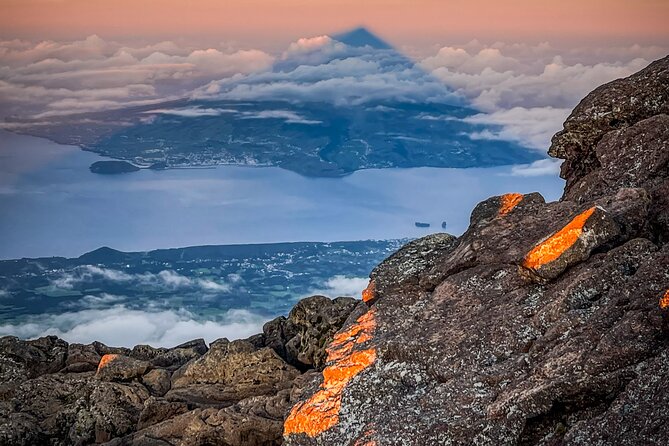
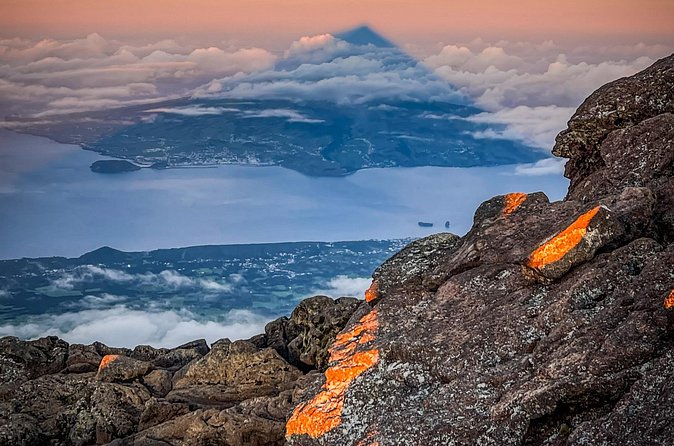
Yes, the goal is the summit area of Pico Mountain. But the real moment is the transition from night climbing to morning views.
With a good weather window, the night sky can be spectacular, including visible stars and shooting-star type moments. Then sunrise changes the entire feel of the hike: you’re no longer just trying to finish the difficult part. You’re witnessing the payoff.
If you want to maximize the experience:
- Bring a camera mindset: You’ll have opportunities, but you’ll also want to keep moving when it matters for safety and pacing.
- Don’t rush sunrise: Take your time once you’re there. You’ll remember the waiting as much as the view.
What’s included (and what you’ll handle yourself)
This tour is priced at $145.12 per person, which is reasonable for what you get: certified guiding, reserve access, and night-specific essentials. You’re not paying just for someone to lead you up a mountain.
Included highlights:
- Individual headlight
- Hiking poles
- Entrance fee for Mount Pico Natural Reserve access
- Professional & certified Mount Pico guide
- Allianz® Personal Accident Insurance
- A Climbing Certificate of Achievement
Not included:
- Meals
- An air-conditioned vehicle
That last part matters. You’ll want to plan your transport and timing without relying on a comfort bus. Also, because meals aren’t included, treat this as a full-day physical effort: eat beforehand and plan snacks/water around the fact you’ll be out for around 10 hours.
Price and value: is $145 a good deal for Pico?
$145.12 sounds like a lot until you map it to what’s actually covered. For night mountain hikes, costs add up fast: access fees, certified guide time, and night safety gear like a headlight.
Here’s the value logic:
- You’re paying for expert guidance on a tough, technical trek—not just “hiking leadership.”
- You’re covered for key safety needs through the included insurance.
- The reserve entrance fee is handled.
- You don’t need to buy a headlamp or poles just for one climb.
If you already own hiking poles and a high-quality headlamp, you’ll still value the guide and reserve access the most. If you don’t own them, this becomes even better value.
Meeting point and essentials: the gear rules are strict
The start point is Mountain House, Caminho Florestal nº 9, Candelária, 9950-000 Madalena. The tour starts at 2:00 a.m. and returns you back to the same meeting point.
Important reality: the provider requires proper mountain boots and equipment suitable for the activity. If you show up without the right gear, you can be excluded from the climb without a refund. That’s not scare talk; that’s how they protect the group at night.
Also make sure you’re honest about your limits. You’re asked to share any physical or mental conditions such as lower-limb issues, vertigo, heart problems, asthma, diabetes, pregnancy, or other health issues. This isn’t bureaucracy—it helps the guide make safety decisions for your group.
Weather decides everything
This experience requires good weather. If conditions are poor enough that they cancel, you’ll be offered a different date or a full refund. Like many outdoors tours, you’ll want to keep flexibility in your Pico schedule and avoid booking this as the single “must-do” with no backup day.
Also note the tour is non-refundable and cannot be changed for other reasons, so only book if your window works and you can commit.
Who should book the Pico Mountain night climb
This is a great fit if:
- You’re active and used to steep hiking.
- You’re comfortable hiking in the dark with a headlight and staying focused.
- You like the idea of chasing sunrise as a goal, not as an afterthought.
- You benefit from guided structure, reminders, and pacing.
It’s a tough fit if:
- You’re mostly sedentary.
- You have a fear of heights or vertigo.
- You’re new to hiking with very limited stamina.
- You don’t plan to follow gear requirements closely.
One helpful option to consider: there’s a daytime trek option if requested, described as medium difficulty. If you’re curious but nervous, daytime can be a smarter stepping stone than jumping straight into the night version.
Should you book this night climb or choose a different option?
Book it if you want the classic Pico experience: night sky, steady group pacing, certified guidance, and sunrise from Portugal’s highest mountain. The included headlight/poles plus the small group size make it feel controlled, and the guide names that show up most often—Matteo and Bruno—reflect a safety-first, encouraging style that matters on a hard hike.
Don’t book it if you’re not ready for a medium-to-high challenge, especially the tough descent. And don’t underpack or show up in the wrong footwear—Pico punishes that.
If you’re the kind of traveler who likes a real test (and then gets rewarded for it), this is one of the most memorable ways to spend time on Pico.
FAQ
What time does the Mount Pico Night Climb start?
The start time is 2:00 a.m.
How long is the hike?
The duration is about 10 hours.
What’s included in the price?
You get an individual headlight, entrance fee for Mount Pico Natural Reserve access, a professional and certified Mount Pico guide, hiking poles, Allianz personal accident insurance, and a climbing certificate of achievement.
What should I bring?
You must wear proper mountain boots and bring equipment suitable for the activity. If you don’t meet the equipment requirements, you may be excluded from the climb without a refund.
Is this hike suitable for beginners?
It’s not described as beginner-friendly. It’s a challenging mountaineering-style hike, and the difficulty is medium-to-high at night, with technical requirements and a demanding descent.
How many people are in the group?
The maximum group size is 8 travelers.
Does weather affect the schedule?
Yes. The activity requires good weather. If it’s canceled due to poor weather, you’ll be offered a different date or a full refund.
If you want, tell me your hiking experience level and whether you’re traveling solo or with friends, and I’ll help you decide between the night climb and the daytime option.