REVIEW · PICO
Mount Pico Guided Climb – Summit Portugal’s Highest Peak
Book on Viator →Operated by Tripix Azores · Bookable on Viator
A steep, early-morning start is the point. This full-day guided push up Mount Pico is built around safety, smart pacing, and real volcano science, with certified guides helping you read the terrain and conditions. You’ll move through lava-flow ground, scramble sections, and big elevation changes, all while learning what makes Pico one of Portugal’s standout peaks.
I especially like the small group feel and the way the guides focus on navigation. In fog or tricky sections, guidance matters, and guides like Bruno are repeatedly described as patient, knowledgeable, and willing to keep the group moving at the right speed. I also like the educational angle: you get talk time on Pico’s geology and biodiversity, not just a workout with a view.
The main drawback to plan around is that this is a medium-to-high effort climb with a strong weather component. Wind, cloud altitude, and rain forecasts can turn the experience from challenging to risky, and the descent can feel long and demanding on tired legs.
In This Review
- Key points
- Sunrise Challenge on Portugal’s Highest Peak
- The Route: Lava Flows, Scramble Sections, and 2,200m of Gain
- The Day’s Flow: Mountain House to Casa da Montanha
- Why a Certified Guide Changes Everything
- Volcano Lessons: Geology and Biodiversity on the Way Up
- Weather Rules You Can’t Ignore on Pico
- Gear, Fitness, and Small Rules That Matter
- Value for $102.84: What’s Included vs. What You’ll Need
- Who Should Book This Guided Pico Summit Climb
- Should You Book This Mount Pico Guided Climb?
- FAQ
- How long is the Mount Pico guided climb?
- What time does the tour start?
- Where do I meet and where does the tour end?
- Is this tour for beginners?
- What’s included in the price?
- What should I bring?
- How many people are in the group?
Key points
- Certified Pico Mountain Guides help you stay on route when trails get unclear or conditions shift
- Small group max 9 travelers keeps the pace manageable and attention more personal
- Lava flows + scramble rocks make this more than a simple walking path
- Volcano geology and biodiversity talk is part of the climb, not an afterthought
- Summit timing depends on wind, clouds, and rain forecasts
- Poles, insurance, and a certificate are included, so you’re not showing up empty-handed
Sunrise Challenge on Portugal’s Highest Peak
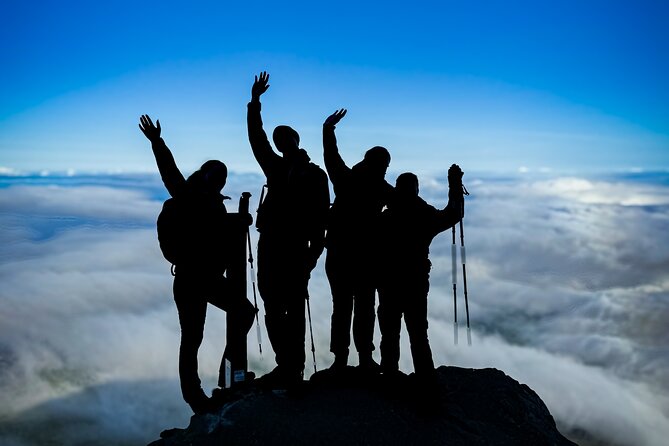
Mount Pico climbs are one of those adventures that feel like they belong to the island, not to a generic hiking program. The goal is straightforward: reach the summit area of Pico, the highest peak in Portugal. But what makes it worthwhile is how you get there.
You start early, with the climb usually beginning around 7:00am after an early meet. That timing matters because Pico’s conditions can change fast. Early starts also give you a better shot at workable visibility and calmer winds, even though weather on the day still decides what’s smart and safe.
What you’re really buying is a guided day that blends effort with context. Your guides don’t just point the way; they explain what you’re stepping on, why the terrain looks the way it does, and what wildlife and plant life you might spot as elevation changes. That kind of on-the-ground explanation turns a hard hike into a story you can actually understand.
You can also read our reviews of more tours and experiences in Pico.
The Route: Lava Flows, Scramble Sections, and 2,200m of Gain
This climb is listed as medium to high difficulty, and the numbers explain why. The hike includes a steep, irregular trail made up of solidified lava flows and scramble rocks. Even if you’re in good shape, uneven footing and rock scrambling mean you need coordination, not just endurance.
From Casa da Montanha (about 1,230m altitude), the climb up to the summit area (Piquinho at about 2,351m) is described as roughly:
- about 4km of ascent
- around 1,100 meters of elevation gain
The full climbing experience is longer overall, with about 8km total distance and an accumulated elevation gain around 2,200 meters. Plan on a total duration of roughly 7 to 9 hours, depending on your group pace and weather.
One detail that affects your day more than people expect: the descent. In at least one guide-led experience described in the feedback, the ascent was hard, but the descent was what really punished legs. Expect an extended downhill stretch that can be rough on thighs and knees, especially if you aren’t used to steep rocky trails.
The Day’s Flow: Mountain House to Casa da Montanha
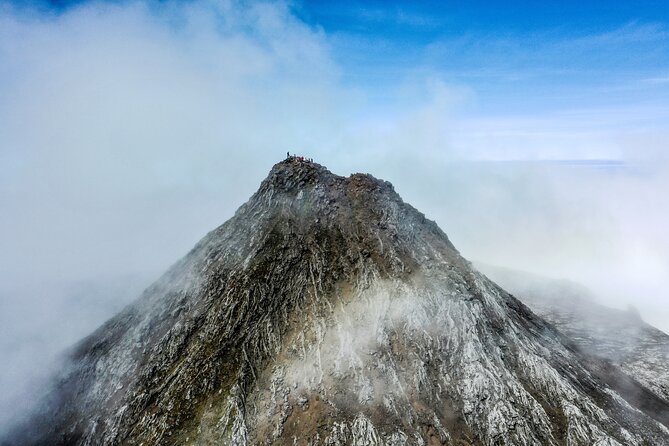
The meeting point is Mountain House on Caminho Florestal in Candelária, near Madalena (9950-000). You start at 6:00am, and the activity ends back at the meeting point. That “same place, back to base” setup is simple and helpful: you don’t need to puzzle out transport after the climb.
Two place-names matter during the day: Montanha do Pico and Casa da Montanha. In the way the climb is structured, Casa da Montanha functions like a highland launch point for the summit effort. That’s where your vertical gain starts to really build, and where you settle into the most intense segment of the hike.
What I like about this flow is that it keeps the day organized. You’re not guessing when the climb is truly beginning. You get the context first, then you transition into the steeper, rockier part with the right time frame in mind. For a mountain like Pico, that timing clarity reduces stress when conditions are shifting.
Why a Certified Guide Changes Everything
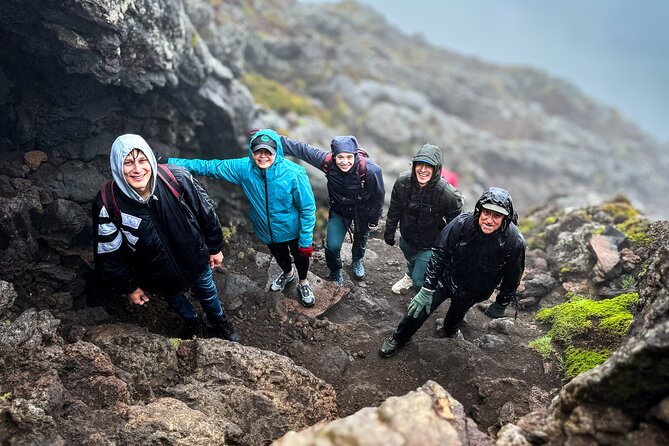
On Pico, the guide isn’t an optional extra. It’s the difference between hiking and climbing safely.
Your route is guided by certified Pico Mountain Guides, and their job is to pick the best track possible for the conditions. That includes navigation when fog rolls in or the terrain becomes visually confusing. One of the most consistent notes from guide-led experiences is that having someone to help you keep your bearings prevents accidental detours through unclear sections.
Guides also manage group energy. Your climb duration can stretch based on pace and weather, and in the feedback, guides like Bruno were described as patient, constantly helpful, and ready to push when the group needed to keep to the time window. Another guide named Matteo is also mentioned in a weather-stress situation, where the company worked with a different day plan.
If you’re the type who hates thinking too much on a trail, this is ideal. You can focus on footing, breathing, and staying present. Your guide handles the route logic and the mountain-reading.
Volcano Lessons: Geology and Biodiversity on the Way Up
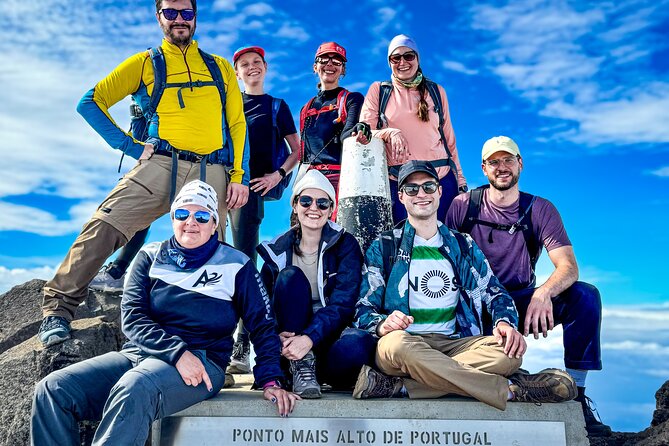
This climb comes with more than summit photos. The guides explain Pico’s geology and biodiversity as you go, which is a big part of why the hike feels different from generic day treks.
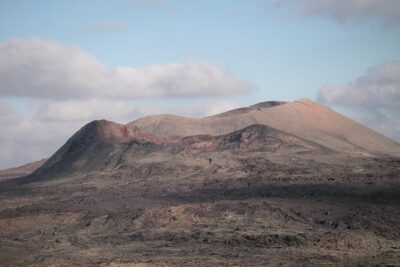
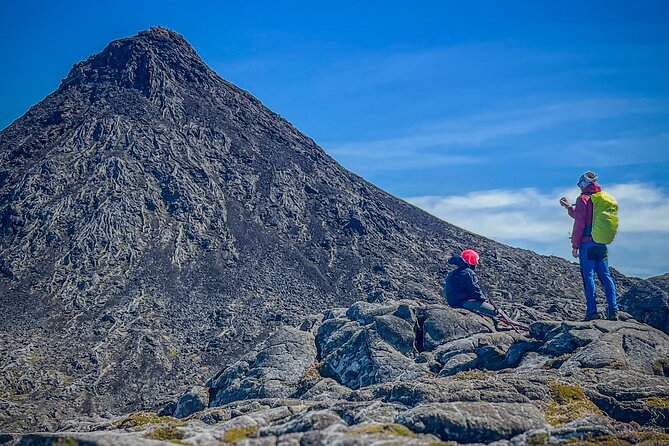
The trail itself gives you the curriculum. You’ll be walking across solidified lava flows, and that instantly makes geology practical. You’re not just hearing about volcanic rock types or landforms from a brochure. You’re seeing how lava terrain breaks up, how it affects footing, and how the ground changes as elevation increases.
On top of that, your guides share what to watch for in terms of biodiversity. Pico isn’t only about big views; it’s about how plants and wildlife adapt to altitude and exposure. If you like nature details, this part of the experience makes the climb more satisfying even when the summit views are limited.
And if you’re going mainly for the peak, it still helps. Understanding the terrain makes you move smarter on rocky sections, and it keeps the day from feeling like one long grind.
Weather Rules You Can’t Ignore on Pico
Pico isn’t a set-it-and-forget-it hike. The climb depends on three meteorological factors:
- Wind direction and intensity
- Cloud altitude levels
- Rain forecasts
That’s not just “be prepared” advice. It’s the operating system for whether a summit attempt is safe and comfortable. Wind can change exposure quickly. Cloud altitude affects visibility and footing judgment, especially on rock. Rain can make surfaces slick and the scramble sections more demanding.
In hard weather, you may also have to accept that the day’s plan changes. One of the guide-led scenarios described in feedback was a day where weather ruined the original attempt, and Matteo offered a different-day solution. The group ultimately chose not to hike, and the provider processed a refund even though their agreement would normally allow them to keep the money.
Here’s the practical takeaway: take weather personally. Dress for it, be mentally flexible, and don’t count on clear conditions. If you’re lucky, you’ll get a classic summit day. If you’re not, the value is still in the safety-focused guidance and the way the plan adapts.
Gear, Fitness, and Small Rules That Matter
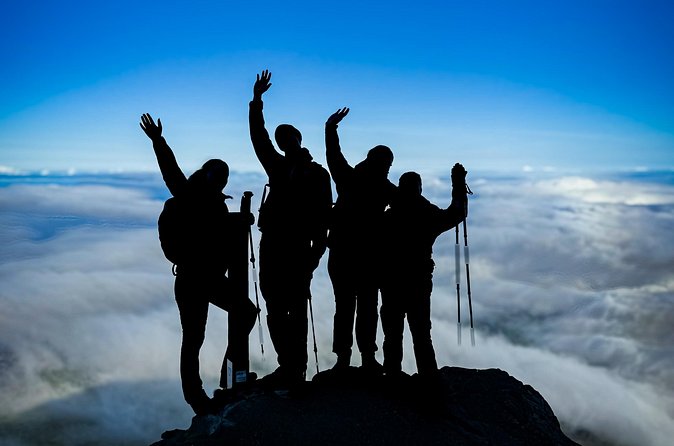
This is a climb that asks for real mountain preparation.
You should have strong physical fitness and good motor coordination. The climb is rated medium to high difficulty, and it includes steep and irregular footing. If you have concerns with vertigo, you’ll want to think carefully before booking, because rocky scrambling and exposure can challenge your comfort level even at a steady pace.
A few rules are worth noting because they affect whether you’ll be able to join:
- You must wear proper mountain boots and suitable equipment. If you don’t, you can be excluded from the climb and there won’t be a refund.
- Don’t go diving in the 24 hours before the climb.
- If you have health conditions like heart problems, asthma, diabetes, pregnancy, or other issues, inform the operator ahead of time.
Good news: you’re not going in totally unprepared. Hiking poles are included, which can reduce stress on knees and improve balance on the rocky terrain.
Also, there’s Allianz personal accident insurance included, which adds peace of mind for something this physically demanding.
Value for $102.84: What’s Included vs. What You’ll Need
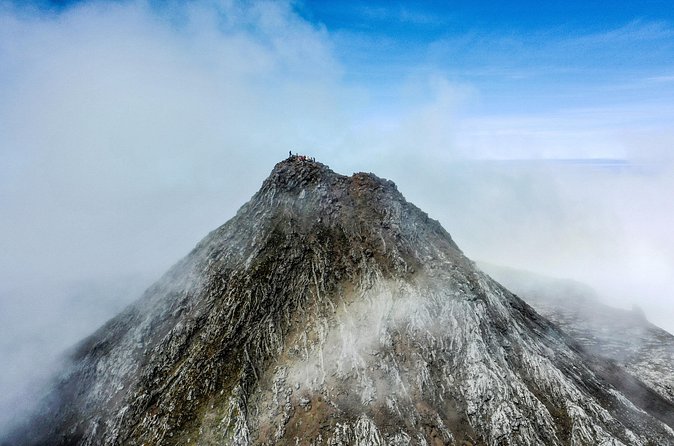
At about $102.84 per person, this is not a budget casual walk. But the inclusions make sense for a guided summit climb.
What’s included:
- Entrance fee for Mount Pico Natural Reserve access
- Hiking poles
- Professional, certified Mount Pico Guide
- Allianz personal accident insurance
- A Climbing Certificate of Achievement
What’s not included:
- Meals
- An air-conditioned vehicle
That leads to a practical value equation. You’re paying for certified guidance, natural reserve access, and safety coverage. The included poles are a real cost saver if you don’t already own them. And the certificate is small, but it’s a nice souvenir for a climb that takes real effort.
The one obvious thing you’ll need to handle: food. Since meals aren’t included, plan on packing snacks and water suited for a long day. Also consider layers. Pico can feel very different at 1,230m versus near 2,351m, and your comfort will ride on what you can add or remove quickly.
Who Should Book This Guided Pico Summit Climb
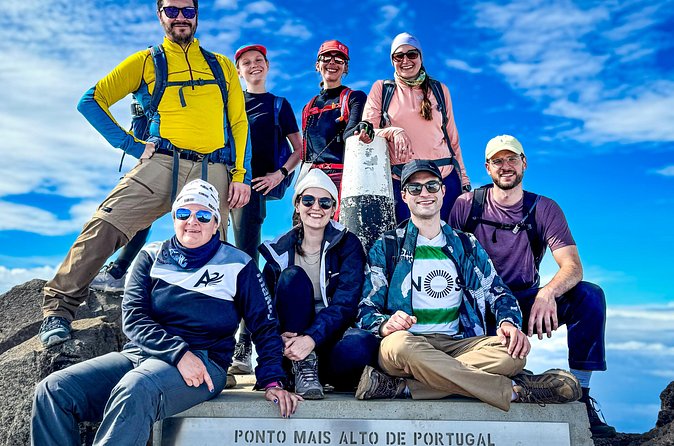
This tour fits best if you’re:
- Active and used to hiking uphill for hours
- Comfortable on rocky, uneven surfaces
- Able to keep good coordination during steep sections
- Interested in learning along the way, not only collecting a summit view
It may not be the best choice if you struggle with steep scrambling, have limitations affecting balance or leg mobility, or you know vertigo is a consistent issue for you. The operator specifically asks you to report conditions like lower-limb issues, vertigo, heart problems, asthma, diabetes, pregnancy, and other health concerns.
If you’re traveling solo but want a friendly structure, the small-group format (max 9 travelers) can feel like a good middle ground. You get company without losing the attention that helps on a mountain like Pico.
Also, if you’re visiting in a season where weather can shift quickly, booking a guided climb is a smart way to reduce risk. You’re not just hoping the mountain behaves. You’re climbing with people who actively manage it.
Should You Book This Mount Pico Guided Climb?
If you want the summit experience of Pico without guessing the route or stressing about safety decisions, I think this is a strong choice. The guides’ role in navigation and pacing is the core value, and the learning component (geology and biodiversity) helps justify the long day.
Book it if you’re ready for the hard parts: the rocky lava terrain, the elevation gain, and a descent that can feel endless. Also, go in with weather humility. Wind, clouds, and rain forecasts drive what happens that day.
Skip it if you’re not confident on steep, irregular ground, or if health limitations make steep scrambling risky for you. And do yourself a favor: check your equipment early, especially boots. Pico will not care that you planned to buy the right gear later.
In the right hands, Pico becomes more than a workout. It becomes a clear, guided understanding of a real volcano climb to a real high point in Portugal.
FAQ
How long is the Mount Pico guided climb?
The climb takes about 7 hours on average, with an actual duration between roughly 7 and 9 hours depending on group pace and weather conditions.
What time does the tour start?
The meeting time is 6:00am, and the ascent of Mount Pico typically starts around 7:00am.
Where do I meet and where does the tour end?
You meet at Mountain House, Caminho Florestal nº 9, Candelária, 9950-000 Madalena, Portugal. The activity ends back at the same meeting point.
Is this tour for beginners?
It’s described as a challenging climb with medium to high difficulty depending on your physical preparation and coordination. You should have strong physical fitness.
What’s included in the price?
Included are the Mount Pico Natural Reserve access fee, hiking poles, a professional certified Mount Pico guide, Allianz personal accident insurance, and a Climbing Certificate of Achievement.
What should I bring?
You must have proper mountain boots and equipment suitable for the activity. Meals are not included, so plan on bringing what you need for food.
How many people are in the group?
The tour has a maximum of 9 travelers.