REVIEW · KYOTO
Kyoto Hiking Tour: The Nature and Legends of Kurama and Kibune
Book on Viator →Operated by Trip Designer Inc. · Bookable on Viator
Kyoto’s mountain shrines are a whole mood. I like that this tour gives door-to-door hotel transfers and a private guide, so you spend less time figuring out trains and more time on the trail and temples. I also love the way the day links modern wellness lore to real places, from Mount Kurama’s Reiki story to legends like the moved Yuki Shrine. The main catch is the hike has plenty of stairs and uneven ground, so good shoes and moderate stamina matter.
You start in central Kyoto with a 9:00 am departure, and the tour is built to feel like a guided walk through woods, shrines, and small mountain stops. Temple admission is handled for you, which keeps the day moving. And yes, you’ll get photos of your group, not just blurry phone shots of stairs.
This is a true hiking day, not a bus-and-bite itinerary. If you want mostly flat strolling, you’ll likely feel the stair steps and elevation changes.
In This Review
- Key highlights to know before you go
- Kurama to Kibune: a legend-filled hike that feels doable
- Door-to-door pickup matters more than it sounds
- Mount Kurama: the Reiki story you can walk into
- Yuki Shrine and the cedar tree moved to protect from evil
- Kurama-dera: forest steps, temple focus, and a long-feeling approach
- Okunoin Maoden: where the mood changes
- Kibune Shrine: water prayers, pure mountain water, and a goddess boat
- How challenging is the hike, really?
- Price and what you’re really buying at about $191.60
- What’s the best way to enjoy each stop without rushing
- Weather and trail reality: plan for rain without panicking
- Who should book this Kurama and Kibune hike?
- Should you book this tour?
- FAQ
- How long is the Kyoto Hiking Tour: Nature and Legends of Kurama and Kibune?
- What time does the tour start?
- Is this a private tour?
- Is hotel pickup and drop-off included?
- Are temple or shrine admission tickets included?
- Is lunch included?
- Is the tour good for people with limited hiking experience?
- Do I need cash or a paper ticket at the temples?
- What happens if the weather is bad?
- Can I bring a service animal?
Key highlights to know before you go
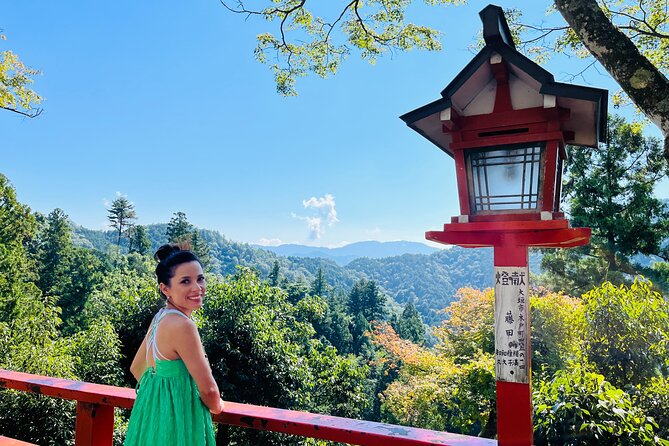
- Kurama’s Reiki origin spot ties the spiritual story to a real mountain setting
- Yuki Shrine’s cedar legend includes a shrine moved in 940 AD and an 800-year-old tree
- Forest walking between temples turns your photos into a proper shrine-hike story
- Kibune Shrine water lore adds a different vibe with sailors, fresh mountain water, and a boat legend
- Included temple entry helps you avoid last-minute ticketing
- Guide-led pacing matters, because the stairs are the main physical challenge
Kurama to Kibune: a legend-filled hike that feels doable
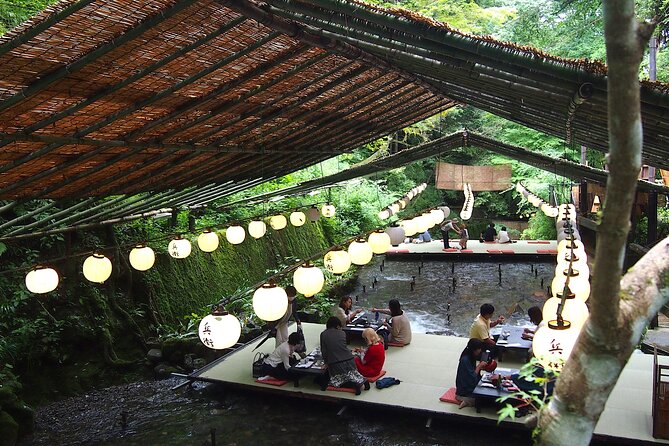
This tour is built around one idea: Kyoto beyond the big-ticket crowds. You head into the mountain area where the pace slows down fast, and every stop has a story that makes the place feel connected instead of random.
What makes it work for your day is the structure. You’re not bouncing between far-flung sites on your own. The day is a route, with the guide showing you where to look and how to read what you’re seeing—shrines, old trees, temple gates, and the little turns where the trail changes character.
And it’s not just sightseeing. You’re walking through forests and temple approaches, with enough stops that it doesn’t feel like a nonstop grind.
You can also read our reviews of more tours and experiences in Kyoto.

Door-to-door pickup matters more than it sounds
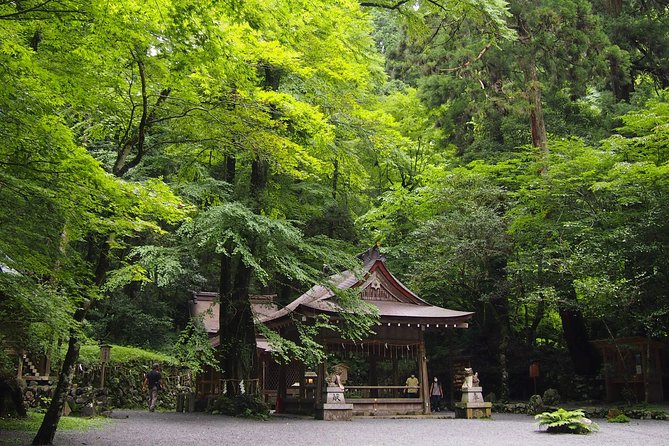
In Kyoto, travel time can eat your enthusiasm. This tour tackles that with hotel pickup and drop-off from the Kyoto urban area and the Kurama area.
That matters because the day’s value is in the walking. If you had to coordinate trains, bus transfers, and timed entries, you’d lose energy before you even reached the first shrine. Here, you start the hike feeling caught up.
The tour is also private to your group. That sounds like marketing, but it shows up in the way the day can be paced. In past groups, guides like Mariko and Miyo have been praised for adjusting to different walking abilities and keeping the rhythm comfortable.
Mount Kurama: the Reiki story you can walk into
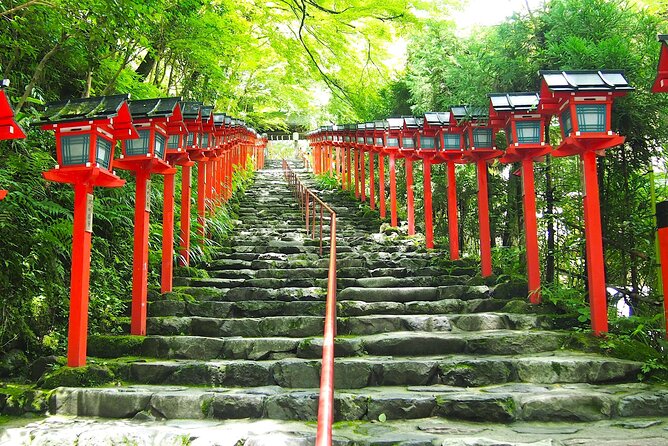
Mount Kuruma is the heart of the day, and the tour centers it for a reason. The mountain is described as the birthplace of Reiki. You’ll hear how Mikao Usui, the founder of Reiki, meditated for 21 days on this mountain in the early 1900s to receive Reiki healing energy.
Whether you’re into Reiki or just love how cultures assign meaning to places, this stop gives context. You’re not only looking at a mountain. You’re looking at a mountain that’s part of an ongoing belief system.
Also, you get about an hour here, with admission listed as free at this stop. That balance helps: you’re given time to pause, take in the views, and connect the story to the physical experience.
Yuki Shrine and the cedar tree moved to protect from evil
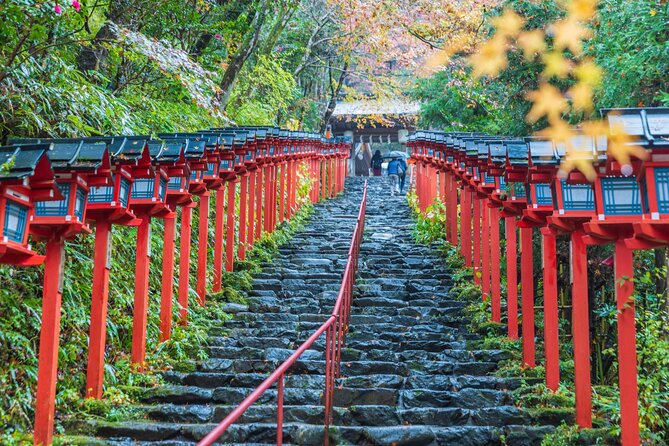
Stop one is Yuki Shrine. It has a great “Kyoto by way of mystery” tone, and it’s right at the start when the day is still fresh.
The shrine’s legend includes a practical twist: it was built in central Kyoto, then moved to Kurama in 940 AD to protect the area from mysterious evil. You’ll also see what the site is famous for: an 800-year-old cedar tree.
This is a short stop (about 20 minutes), but it’s the kind of place where time feels worth it. The guide helps you notice details you’d otherwise miss, especially the way the shrine blends into the mountain environment instead of sitting apart from it.
Kurama-dera: forest steps, temple focus, and a long-feeling approach
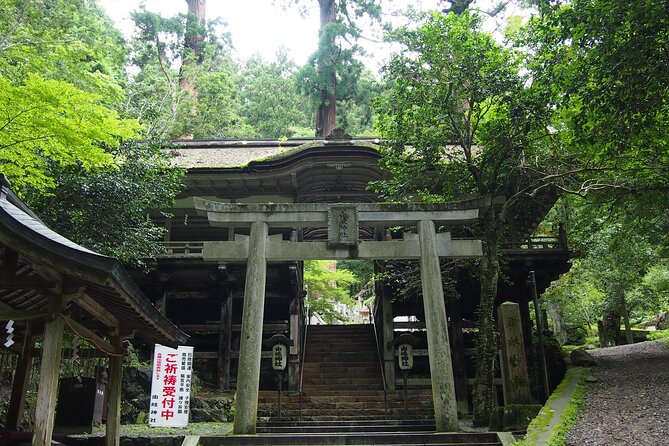
After Yuki Shrine, the route becomes a walk through the forest toward Kuramadera. The approach is described as a pleasant 25-minute walk, and the total stop time is around 45 minutes.
Kuramadera is framed as the most famous shrine of the area. It was founded in the 8th century, which gives it that old-temple gravitas that you can feel as soon as you start walking the approaches.
The tour also includes the temple admission here. That’s useful because it removes one more “Do I need tickets?” question from your brain.
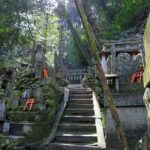
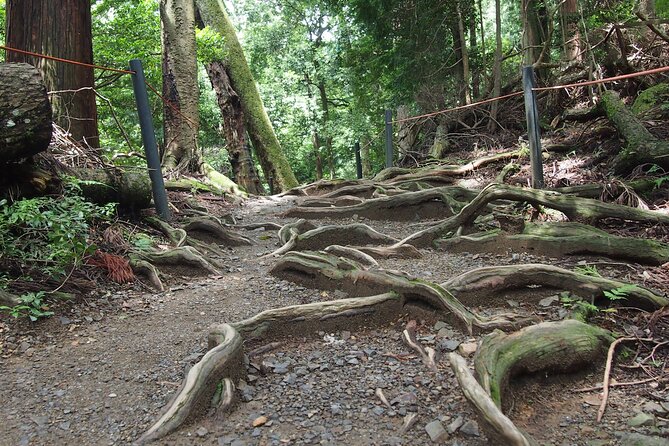
One thing to plan for: the trail isn’t flat. Even when the walking time sounds moderate, the steps and uneven surfaces add up. In past groups, a common theme has been that it’s short in distance but not in effort—guides often make frequent stops so you can catch your breath without feeling rushed.
Okunoin Maoden: where the mood changes
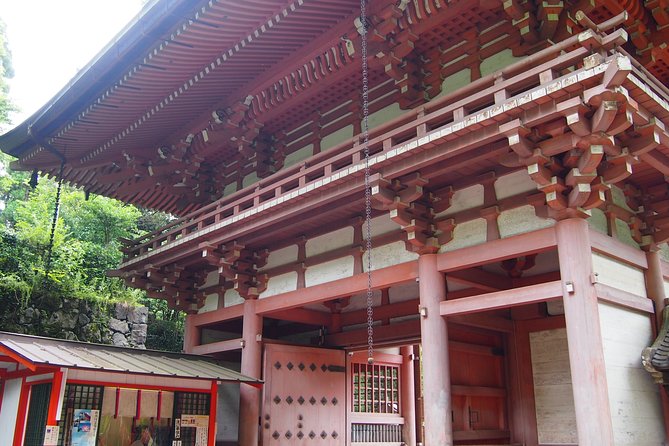
Next up is Okunoin Maoden, tucked deeper into the mountains. The tour description adds atmosphere: it’s said to be where demons reign, with a mysterious feeling.
This stop is short (about 10 minutes), but it works like a mood shift between the calmer shrine areas and the more story-heavy parts of the day. It’s also the kind of location where you’ll likely want a moment of quiet. The physical environment supports it.
If you like temples for their architecture and symbolism, this is one of the stops where the site concept matches what you feel on the trail—cooler air, tighter space, and a sense that you’re going somewhere slightly more serious.
Kibune Shrine: water prayers, pure mountain water, and a goddess boat
Kifune Shrine brings the legend into a different theme: water.
You’ll spend time at the shrine where it’s described as a place for sailors to pray for luck on voyages, dedicated to the God of water and rain. The tour also notes you can drink pure mountain water fresh from the area, which is one of those Kyoto-to-the-senses experiences.
Then there’s a second part focused on the inner shrine. The legend here is that a goddess traveled in a boat from Osaka into these mountains along the river. The inner shrine houses the boat said to be part of that story.
Total Kifune time is roughly 55 minutes across the two segments, which gives you enough space to take in the grounds without feeling like you’re herding yourself through.
This is also a nice payoff point. By this stage, you’ve walked through the Kurama stories about spiritual practice and forest temples, and then Kibune gives you a water-and-travel legend with a more everyday rhythm.
How challenging is the hike, really?
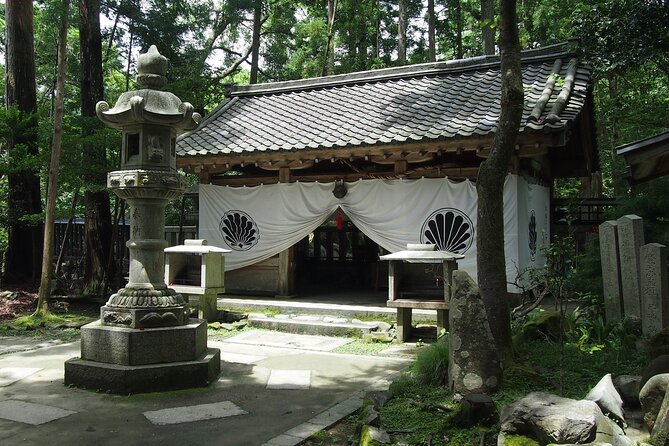
The tour asks for moderate physical fitness. That’s honest, and it’s exactly what the experience feels like once you’re on the trail.
Here’s what I’d take from the pattern of the day: it’s not a long-distance hike, but it involves a lot of stairs and up-and-down walking. Surfaces can be uneven. There are also frequent opportunities to pause, and guides often pace the group so you don’t get stuck behind someone moving too fast or slow.
A helpful detail from prior groups: one person in their 70s felt it was closer to a stroll than a stairmaster thanks to the guide’s presentation and pacing. That’s your clue for how this tour should be approached: bring energy, but also trust that a private guide can adapt.
Practical tips:
- Wear shoes with grip for steps and uneven ground
- Bring a light layer for mountain shade
- Plan to move slowly on the first steep bits so you don’t burn out
Price and what you’re really buying at about $191.60
At $191.60 per person (about 8 hours, private for your group), you’re not paying for a generic walking tour. You’re paying for five value anchors that add up fast in Kyoto:
1) Hotel pickup and drop-off. That’s real time and mental energy saved.
2) English-speaking private guide. You get context at each site, not just directions. Names mentioned by past groups include Mariko, Ryoma, Yoji, Akira, Miyo, and Michiko.
3) Included admission. The tour explicitly says temple visits are covered, and Kuramadera admission is listed as included.
4) All fees and taxes. No surprise line items mid-day.
5) Photos of tour participants. Small thing, but it helps you leave with proof you did this hike.
Lunch is not included. That’s the one easy “budget shock” to avoid. Build money and time for a meal after the hike. If you like soba, it’s the kind of Kyoto mountain-area food people often hunt down at the end of a walking day.
If you want a day that feels calm, guided, and story-rich without the stress of ticketing and transport math, this price can make sense.
What’s the best way to enjoy each stop without rushing
This is the kind of tour where your enjoyment depends on your pace.
I suggest you treat it like three chunks:
- Kurama start: Yuki Shrine and Mount Kuruma set the spiritual and legend tone
- Temple corridor: Kuramadera and Okunoin Maoden shift into forest walking and temple atmosphere
- Kibune payoff: water prayers and the goddess boat story give you variety
The guide’s job is to prevent you from missing the interesting stuff. Past groups specifically praised guides for being friendly, easy to talk to, and for explaining the history, culture, and religion around the sites.
If you’re the type who likes asking questions, this tour can be fun that way. One person shared that their guide asked what they were interested in and adjusted the day accordingly. With a private group, there’s more room for that.
Weather and trail reality: plan for rain without panicking
The experience requires good weather. If it’s canceled due to poor weather, you’re offered a different date or a full refund.
That’s exactly what you want to hear. Mountain trails can change quickly with rain, and the tour is built for safe walking. When conditions are wet, stairs can get slippery and surfaces become more unpredictable.
If your dates are flexible, choose a forecast-friendly day. If not, go prepared. Bring a compact rain layer and wear shoes you trust on damp stone.
Who should book this Kurama and Kibune hike?
This fits you best if:
- You want a private guided day outside central Kyoto crowds
- You like legends that connect to real sites, like Reiki on Mount Kurama and the cedar tree at Yuki Shrine
- You’re okay with stairs and uneven ground in exchange for quieter mountain scenery and temple atmosphere
- You want temple admission handled for you
Consider a different option if you want mostly flat walking or you’re limited by stairs. Even when guides pace well, the physical profile is still there.
Should you book this tour?
I’d book it if you want a Kyoto day that feels thoughtful and grounded. The combination of door-to-door pickup, included temple entry, and a private English-speaking guide makes the whole thing feel less like logistics and more like a real experience.
You’re paying for convenience and context, not just movement. And the route covers the kind of stops that make Kyoto more than one neighborhood: Reiki at Kurama, cedar-and-mystery at Yuki Shrine, forest temples, then water legends at Kibune.
Just be honest with yourself about the stairs. If you can handle that, you’ll probably end the day feeling like you found Kyoto’s mountains on purpose, not by accident.
FAQ
How long is the Kyoto Hiking Tour: Nature and Legends of Kurama and Kibune?
The tour runs about 8 hours.
What time does the tour start?
It starts at 9:00 am.
Is this a private tour?
Yes. Only your group participates.
Is hotel pickup and drop-off included?
Yes. Pickup and drop-off are included from the Kyoto urban area and the Kurama area.
Are temple or shrine admission tickets included?
Admission is included. Kuramadera Temple admission is specifically listed as included, and the tour description also notes that temple visits are covered.
Is lunch included?
No. Lunch is not included.
Is the tour good for people with limited hiking experience?
The tour calls for moderate physical fitness. It involves stairs and uneven surfaces, so comfortable walking shoes and stamina help.
Do I need cash or a paper ticket at the temples?
No paper ticket is required, since a mobile ticket is part of the tour options.
What happens if the weather is bad?
This experience requires good weather. If it’s canceled due to poor weather, you’ll be offered a different date or a full refund.
Can I bring a service animal?
Yes, service animals are allowed.