REVIEW · GOREME
LET’S GO HİKİNG TO DİSCOVER CAPPADOCİA..
Book on GetYourGuide →Operated by Hiking & Daily Rental House · Bookable on GetYourGuide
Cappadocia on foot beats any bus tour. This full-day hike strings together the region’s geology and the human story carved into the rocks, starting near Uçhisar and ending in Çavuşin. I love that you don’t just look at valleys from a distance. You walk through them with Halil-level local guidance and time to stop for photos, fruit, and the small details you’d miss alone.
Two things I especially like: the hike moves through the big-name valleys in a way that feels practical, not rushed, and you get a small group (max 8). I also appreciate the food setup: picnic lunch, plus freshly squeezed juice and steady water during the day. One consideration: it’s a serious walking day at about 15 km (9.3 miles), so you’ll want real shoes and a pace that matches your legs.
In This Review
- Key highlights for your hiking day
- The vibe: a guided Cappadocia walk without the shopping detours
- Starting near Uçhisar: how the day is set up for easy success
- White Valley: geology you can feel, plus seasonal fruit and plants
- Love Valley: fairy chimneys, cave stories, and that pause that refreshes
- Red & Rose Valleys: cave houses, pigeon houses, and two preserved churches
- Çavuşin: the oldest village feel, with a castle ruin and fresco church
- Optional Paşabağ extension: if you still feel strong
- Price and value: what you’re really paying for at about $102
- What to bring and how to pace yourself on 15 km of trails
- Who this hike fits best (and who should skip)
- Should you book this Cappadocia hiking day?
Key highlights for your hiking day
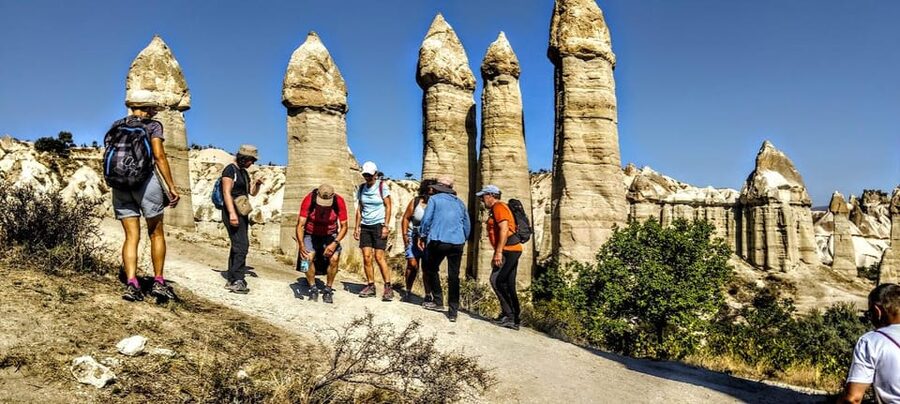
- White Valley + Love Valley: classic Cappadocia rock formations, with stops that explain what you’re seeing
- Cave living, not just views: you’ll visit a cave furnished with beds that show everyday life
- Red & Rose Valleys churches: two well-preserved churches in the valleys, plus cave and pigeon-house interiors
- Çavuşin finale: a castle ruin and a 5th-century church with frescoes
- Optional Paşabağ add-on: extend the hike about 3 km if you still feel good
- Photo-friendly timing: frequent breaks so your camera is actually used for memories, not frantic selfies
The vibe: a guided Cappadocia walk without the shopping detours
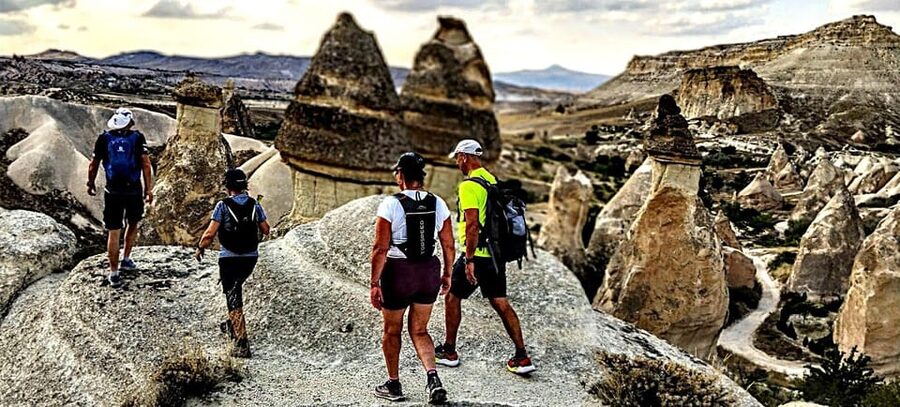
This is one of those Cappadocia days where the plan feels like it was made for walking. You’re picked up from your accommodation by taxi, then you’re taken to the start near Uçhisar, where the hike begins in earnest. The group stays small (up to 8 people), and the guide’s job is not to herd you along. It’s to keep you moving, explain what’s around you, and help you find good angles.
The tour is also built around real time outdoors. You’ll cross valley paths on foot for roughly 7.5 hours, with breaks for water, snacks, and longer pauses for lunch. That matters because Cappadocia is one of those places where it’s easy to see everything in theory and still feel like you missed the texture. This walk helps you notice the grain of the rock, the shape of the valleys, and the way caves fit into daily life.
And yes, the day is very much a camera day. Keep your shutter ready, because there are lots of moments where the rock formations look staged—until you’re standing right on the trail.
You can also read our reviews of more tours and experiences in Goreme.
Starting near Uçhisar: how the day is set up for easy success
Your day kicks off with pickup and a short drive to the trailhead. Pickup options include Goreme Municipality (Göreme Otobüs Terminali), and the other drop-off options later are Göreme Otobüs Terminali or Goreme Municipality.
One small detail that helps: you’ll wait outside your hotel about 5 minutes before pickup. That keeps things smooth and avoids the typical “where is everyone” chaos.
From the start, the guide is setting you up to enjoy the geology lessons without turning the walk into a lecture. As you start into the valleys, you’ll learn what to look for in the rock formations and how they shaped where people settled. If you’re the type who likes history but hates museum vibes, this works. It’s information you can point at.
White Valley: geology you can feel, plus seasonal fruit and plants
The first big hiking section is White Valley, about a couple hours. This is where you get oriented fast—how the valley walls were formed, why the rock looks the way it does, and what forces carved the terrain into its current shapes.
I like this valley as an opening act because it gives you context. You’ll be walking through scenery that’s famous, but the guide makes it legible: you start seeing patterns rather than just shapes.
You’ll also get small tastings when plants and fruit are in season. That’s a nice touch that turns the valley into more than scenery. You’ll be outdoors anyway; why not learn what’s growing along the way?
Practical note: even early in the hike, keep an eye on sun and shade. You’ll be exposed in places, and you’ll appreciate sunglasses and a hat, which the tour strongly recommends.
Love Valley: fairy chimneys, cave stories, and that pause that refreshes
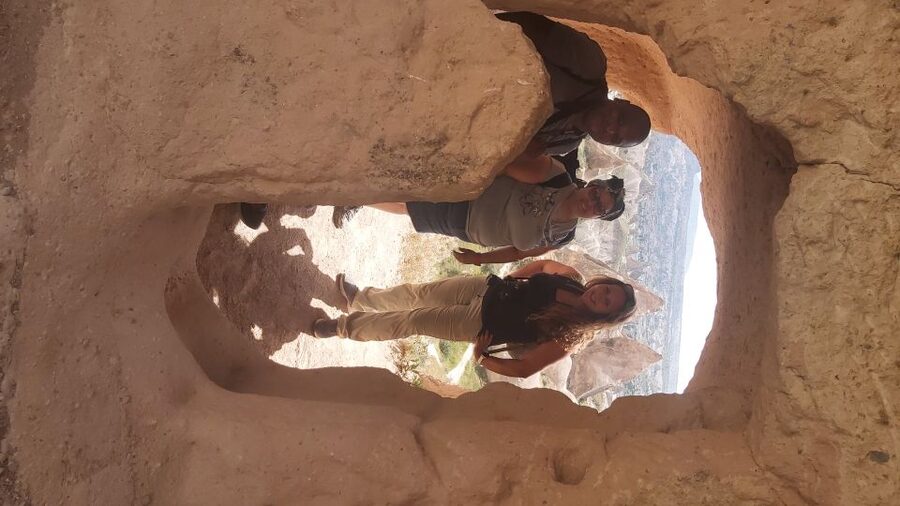
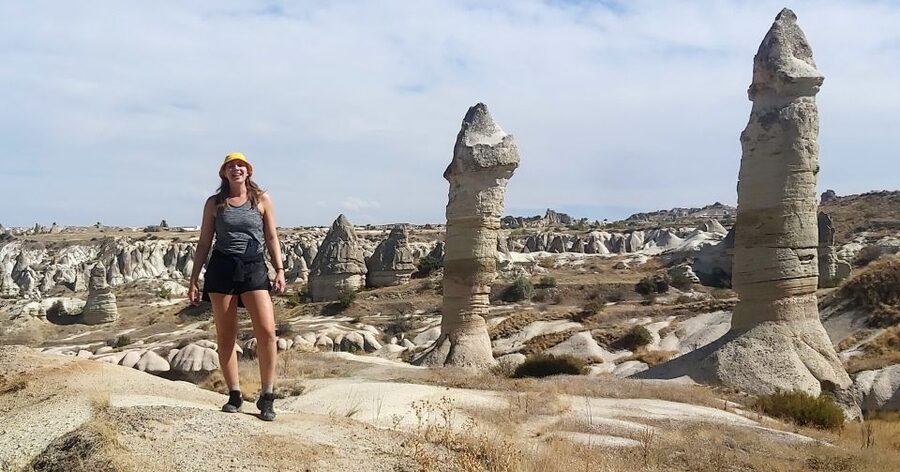
Next comes Love Valley (around 2 hours on foot). This is the valley people recognize fast thanks to the fairy chimneys—rock pillars with quirky shapes. It’s a classic Cappadocia scene, but the value here is how you explore it: you’re not only stopping at viewpoints. You’re walking through the valley so you can see how the formations sit in relation to each other.
After wandering the chimneys, there’s a refreshment stop. This is one of those moments I’d plan for. Even if you feel good, your body is building a rhythm, and water breaks make the later sections easier.
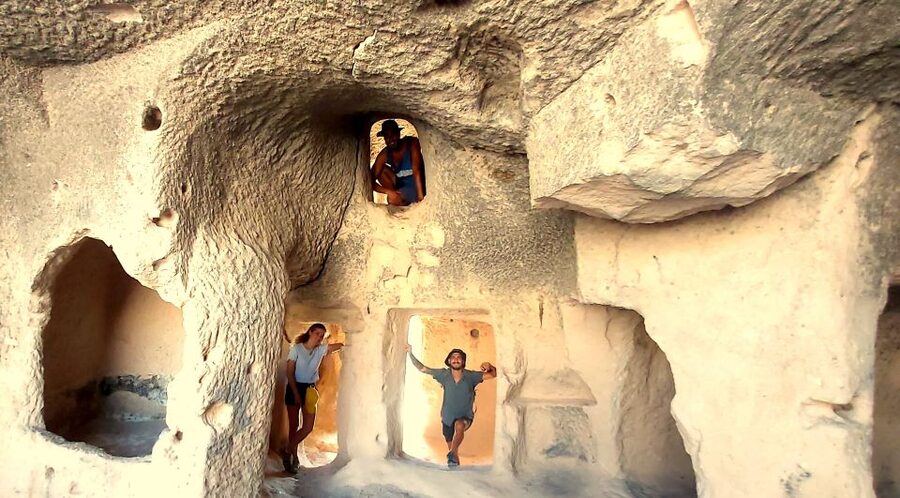
One of the tour’s best teaching moments is the visit to a cave furnished with beds that are still usable today. It gives you a grounded idea of how people lived in caves—not as a dramatic concept, but as a routine home space. It’s the kind of stop that turns Cappadocia from postcard into something human.
Red & Rose Valleys: cave houses, pigeon houses, and two preserved churches
After the Love Valley section, the hike moves into Red Valley and then Rose Valley. You’ll spend about 100 minutes in Red Valley, then another set of 100 minutes in Rose Valley, with lunch later along the way.
This is the part of the day where Cappadocia starts to feel layered.
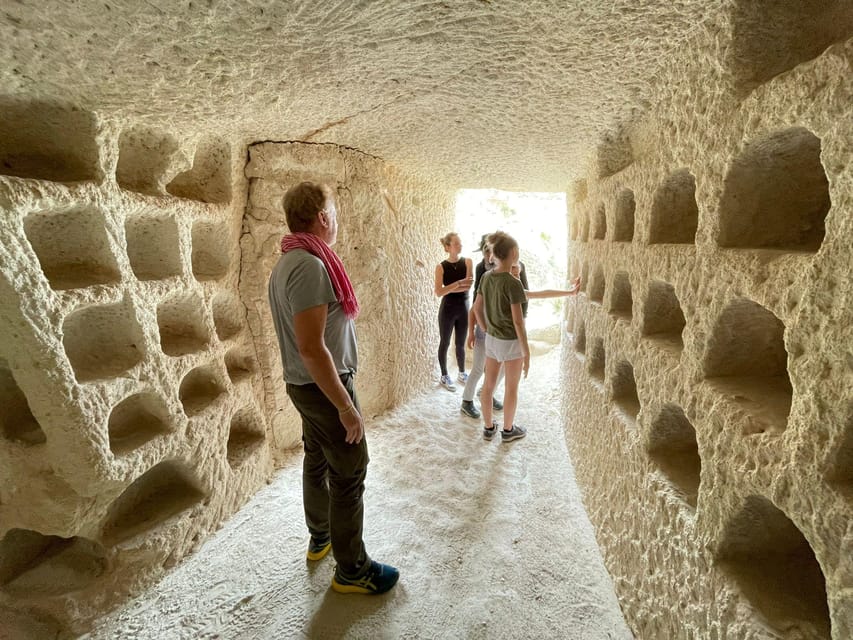
- In these valleys, you’ll explore cave houses and pigeon houses. The pigeon-house angle matters because it connects the caves to practical farming and livelihood, not just religious life.
- You’ll also visit two churches in these valleys that are described as very well preserved. That’s a huge difference from simply seeing cave openings. You’re getting inside spaces meant for community and worship, and the guide helps you notice what’s still intact.
The guide’s approach is part of why this section works. You don’t just hear that churches are old. You get oriented to how the valley functioned and why certain spots became important.
Lunch happens in Rose Valley at a cafe stop with a longer break—about 1 hour. This is where the hike pays off visually. You’ll eat with views around you, and the pace slows enough for you to actually enjoy the colors and the rock forms without rushing for the next photo.
Çavuşin: the oldest village feel, with a castle ruin and fresco church
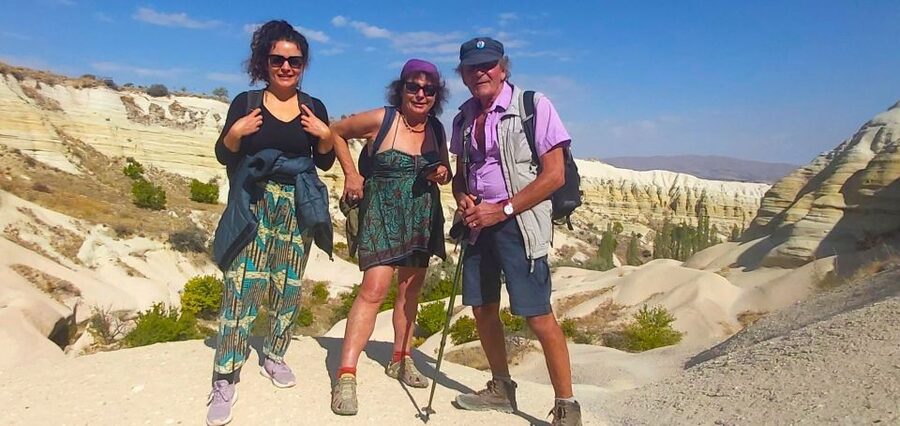
The hike finishes in Çavuşin, which is described as one of the oldest villages at the heart of Cappadocia. This is about 1.5 hours of hiking to reach the village area.
Çavuşin brings a different kind of payoff. Instead of only valley walking, you get a sense of place as a settlement: the castle ruin gives you a silhouette to hang your understanding on, and the 5th-century church with frescoes is a major historical anchor.
If you’ve been watching caves all day, this is where it clicks. You see how cave living, religious life, and settlement patterns all fit into one region. The fresco church also gives you a chance to slow down. Don’t rush this part—take your time with the details, because this is the stop that can turn the whole day into “I understand this place” rather than “I walked through it.”
Optional Paşabağ extension: if you still feel strong
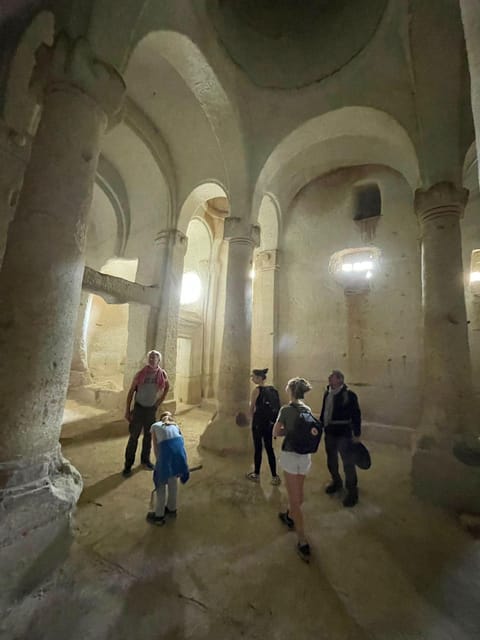
There’s an option to extend the hike by about 3 km (1.8 miles) to Paşabağ at no extra cost if time and your condition allow. Paşabağ is a popular area for rock formations, and this extension is basically your chance to add one more chapter without switching the whole day.
This option is best if:
- you started the day with good energy,
- you paced yourself during breaks, and
- you’re still excited rather than just surviving the last stretch.
If you’re unsure, don’t force it. The main route already hits the key valleys and the Çavuşin finale.
Price and value: what you’re really paying for at about $102
At $102 per person for a roughly 7.5-hour guided hike, you’re not only paying for walking time. You’re paying for several things that add up:
- Transport pickup and drop-off via vehicle (from your accommodation, plus defined drop-off options)
- A picnic lunch plus snacks, 1.5 liters of water per person, and two glasses of freshly squeezed juice (orange or pomegranate)
- A full-day hike plan with an experienced guide (English and French)
- A small group cap (8 people), which means less waiting and less “everyone on your own” feeling
The value logic is simple: Cappadocia is spread out. If you self-plan, you’d still need a guide who knows the best routes and the right indoor church/cave moments. This tour packages that decision for you, and it also handles the “how do I not run out of water and food” part.
Also, the tour is very much built for people who don’t want crowded sightseeing. Many days in Cappadocia get jammed with buses and shopping stops. This one is centered on valleys and walking, which is exactly why many hikers rate it highly.
What to bring and how to pace yourself on 15 km of trails
This tour covers about 15 km (9.3 miles) total distance. That’s long enough that you should plan like it’s a workout day, not a casual stroll.
The tour doesn’t sound like it’s for wheelchair users or people with mobility impairments, and it’s also not listed as suitable for epilepsy. Baby strollers are not allowed, and it’s not suitable for babies under 1 or people over 95.
For your comfort, bring:
- Mountain shoes or hiking shoes (one of the most practical takeaways from the experience)
- Sunglasses and a hat
- A mindset that you’ll walk, stop, then walk again
Heat can be intense in summer. I’d plan your pacing with that in mind: drink early, not at the moment you feel thirsty, and use the breaks your guide schedules.
One more practical tip: keep your camera ready, but don’t let it slow you down. The guide knows where the good stops are, and trying to stop everywhere yourself usually wastes energy.
Who this hike fits best (and who should skip)
This is best for you if:
- you want Cappadocia the way it feels on foot,
- you like history told in context (not just read from a sign),
- you enjoy small-group days with real guide time, and
- you’re happy with a full day outdoors.
You might want to skip or choose a gentler option if:
- you have mobility limitations,
- you’re not comfortable with a long walking day,
- you need stroller access, or
- your health conditions make intense outdoor walking unsafe.
If you’re a solo traveler, this can feel especially good because the guide’s attention stays on you and your pace. The same goes for families where everyone is capable of hiking, as long as the group can keep a steady rhythm.
Should you book this Cappadocia hiking day?
I’d book this if you want Cappadocia to feel like a real place, not a highlights reel. The best part isn’t just the valley names. It’s the way the day connects rock formations to how people lived: cave beds, cave and pigeon-house spaces, and preserved churches that are still standing for you to see.
Book it if you’re ready for a real hike around 15 km, and you’ll treat the water, juice, and lunch breaks as part of the plan. Skip it if you’re chasing a relaxed, short outing.
If your goal is to learn while you walk, take a lot of photos without rushing, and finish with Çavuşin’s fresco church in your head, this is a strong pick.