REVIEW · KALABAKA
Meteora: Hiking Tour with Local Guide and Monastery Visit
Book on GetYourGuide →Operated by Meteora Trip · Bookable on GetYourGuide
Meteora is more than stairs and selfies. This small-group hike blends nature and monastery legend, and it takes you to Ypapanti, a spot most people never see. With a local English-speaking mountain guide, you’ll walk the same kind of paths early monks used and get myth-and-history context as the cliffs rise around you.
My favorite part is how the walking route keeps things grounded in the rocks, plants, and old monastic life—not just the postcard viewpoint circuit. The second big win is the “hidden monastery” angle: Ypapanti is a major highlight, and the way you reach it makes the experience feel earned.
One thing to think about: this is a moderate hike on uneven terrain. If you have knee issues, breathing problems, or any mobility limitations, you’ll likely struggle, and monasteries have an entrance fee (plus the guided tour inside the monastery isn’t included).
In This Review
- Key highlights you’ll actually feel on the ground
- Why this Meteora hike feels more local than the usual route
- Meeting your guide: small group pace and real-time explanations
- Monastery of St. Nicholas Anapavsa: a quick start with big context
- The heart of the day: 7 km of hiking through Meteora’s footpaths
- Ypapanti Old Monastery: the hidden stop hikers actually reach
- Great Meteoron or Varlaam: your main monastery visit
- Meteora views and photo timing without the chaos
- How to judge the value: $35 for 4 hours, plus a small extra fee
- Who this tour suits best (and who should skip it)
- Should you book this Meteora hiking tour?
- FAQ
- How long is the Meteora hiking tour?
- How far do you hike during this experience?
- What is the difficulty level?
- Where does pickup and drop-off happen?
- What monastery entrances do I need to pay?
- Is the guide included inside the monasteries?
- What should I bring?
- What language is the tour guide?
- Is this tour suitable for children or seniors?
- Is the tour accessible for wheelchair users or people with mobility issues?
Key highlights you’ll actually feel on the ground
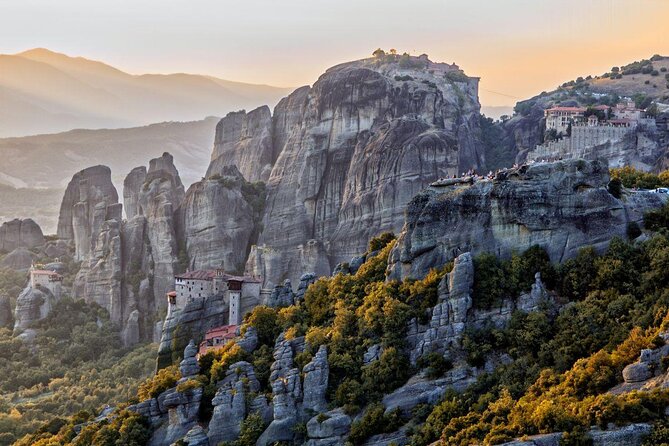
- Hidden-trail access to Ypapanti: you see a monastery tied to hikers, not buses
- Local guide stories and legends: history and myth come with the views, not after
- A manageable 7 km route: about 200 meters of elevation gain for a 4-hour outing
- A full visit to Great Meteoron or Varlaam: you get meaningful time at the main site
- Photo stops built into the walk: you’re not just waiting around for overlooks
- Pickup and drop-off from Kalabaka or Kastraki: less hassle, more time outside
Why this Meteora hike feels more local than the usual route
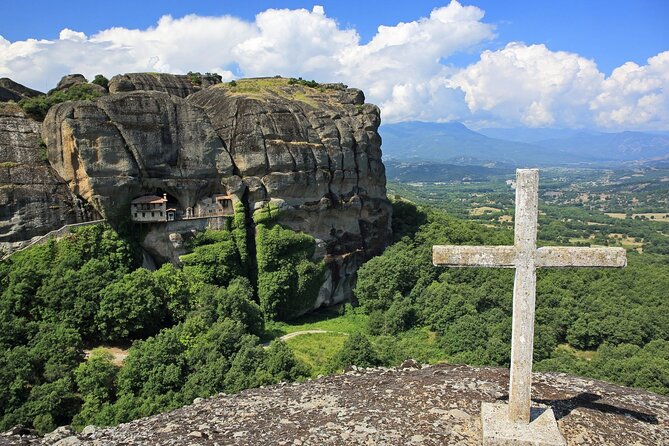
Meteora can feel like two experiences stapled together: monasteries above, crowds below. This tour tries to fix that by putting you on foot first, so the rock formations, caves, and footpaths become part of the story. You’re moving through the area instead of hopping between viewpoints.
You’ll also get the “how people lived here” angle. The cliffs aren’t just dramatic backdrops; they’re tied to hermit caves, old ruins, and centuries of religious life. That context matters, because it changes how the monasteries read when you finally reach them.
You can also read our reviews of more tours and experiences in Kalabaka.

Meeting your guide: small group pace and real-time explanations

You’re picked up from your accommodation in Kalabaka or Kastraki, and then the tour starts with a guide who knows how to pace a hike. Expect an English-speaking local mountain guide leading a small group, with a rhythm that keeps you walking and looking without feeling rushed.
One detail I like: the guide focus isn’t only facts. You’ll get legends and history tied to what you’re seeing right then—so when a ruin or viewpoint appears, you already know why it matters. Some guides you may run into have been praised for making the day feel friendly and easy to follow, with names like Kosta, George, and Nikolas showing up in past group experiences.
If you prefer questions and back-and-forth, this style usually works well because you’re outdoors and moving. You can point at a rock or a formation and ask what it is, and the guide can respond in context.
Monastery of St. Nicholas Anapavsa: a quick start with big context
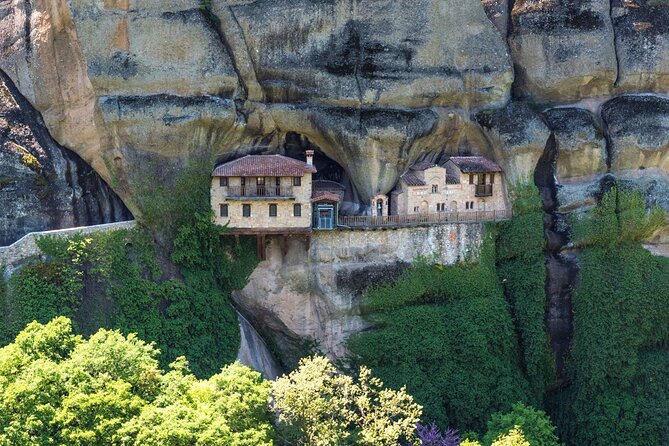
The tour begins with a short stop at the Monastery of St. Nicholas Anapavsa (around 15 minutes). This isn’t your main monastery visit, but it’s a good “set the frame” moment. You get oriented to the area’s monastic geography and how the sites relate to the cliff edges and trails.
If you’re the type who likes to understand the layout early, use this time to notice distances and direction. Meteora is tall, layered, and visually confusing. Even a brief starting stop helps you later when you’re trying to map what you saw while hiking.
The heart of the day: 7 km of hiking through Meteora’s footpaths
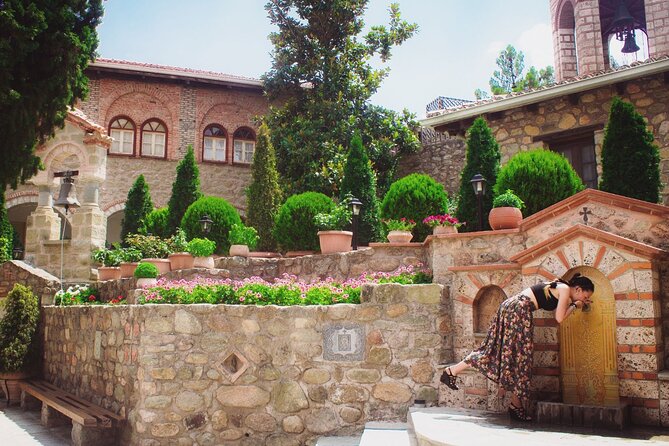
Once you’re on the trail, you’ll do several walking segments (about 7 km total for the whole outing). The route includes roughly 200 meters of elevation gain, and the difficulty is listed as moderate. That translates to steady effort with some uneven ground, not a flat stroll.
What makes these trail sections interesting is that they’re not just for exercise. You’re following “hidden trails” that locals know, and you’ll hear about how early monks moved through the area—about 15 centuries of footsteps tied to this place. You also pass viewpoints and ruins connected to the monastic past, including the ancient Ruins of St. Dimitrios.
Practical tip: wear comfortable shoes you’re willing to get dusty. Meteora paths can be rocky and uneven, and you’ll feel better if your footing is secure right from the first hike segment. Bring a camera, yes—but also bring focus on balance. The best photos usually happen when you can stand safely and take your time.
Ypapanti Old Monastery: the hidden stop hikers actually reach
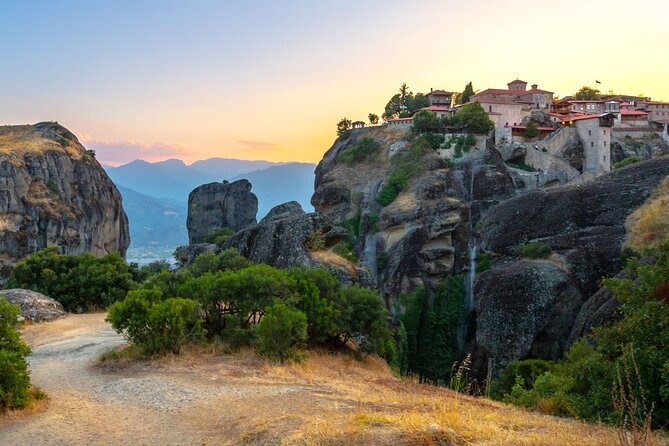
This is the standout moment. The tour brings you to the Ypapanti old monastery, a site you can see by hiking. That means fewer crowds at the exact moment you arrive, and a stronger sense that you’ve earned the view by walking in.
You’ll get about 30 minutes at Ypapanti for sightseeing. This is enough time to understand what you’re looking at, take photos, and still stay connected to the broader story. The guide will connect it to monastic life and the way hermits and monks used caves and shelters across the cliffs.
The reason this stop works so well for first-timers: it breaks the “only the big monasteries” pattern. Great Meteoron and Varlaam are impressive, but Ypapanti adds texture. It reminds you this was a working religious landscape, not just a museum of famous buildings.
Great Meteoron or Varlaam: your main monastery visit
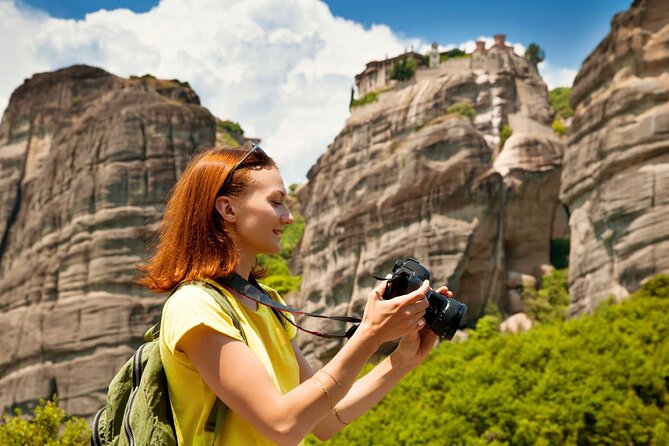
After the trail segments and Ypapanti, the itinerary focuses on a major monastery stop. Depending on the day, you’ll visit Great Meteoron or Varlaam as the primary site, with around 1 hour for the visit. Some routes include a shorter look at the other monastery area (about 15 minutes), but the long time is for one main pick.
This is your chance to switch gears from walking-and-looking to monastery-and-slowing-down. Spend your time wisely: move through at a pace that lets you notice architectural details, not just the panoramic views.
Two practical notes:
- Monastery entrance fees are not included (listed as €5 per person), so have cash ready.
- A guided tour inside the monastery isn’t included. That doesn’t mean you’ll be left hanging outside with no explanation; it just means you may need to read or self-navigate parts of the interior based on the rules and flow on-site.
Meteora views and photo timing without the chaos
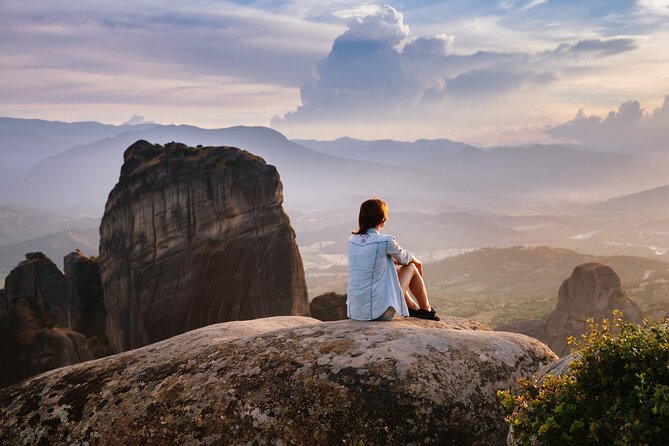
The tour’s photo advantage comes from how it spaces viewpoints across the hike. Instead of spending the day waiting in one crowded overlook, you get several moments to stop, look, and capture angles while you’re already nearby.
Expect multiple panoramic breaks—after Ypapanti, you’ll continue with another hiking segment (around 45 minutes). The long enough stretch between viewpoints helps your eyes adjust. Meteora has so many cliff angles that it’s easy to feel overloaded. Breaking the day into walking blocks makes it easier to see what’s distinct.
If you’re photographing:
- Use the pauses to shoot wider first, so you don’t miss the big geometry of the rock formations.
- Then switch to details—handrails, stone textures, and small sightlines from trail edges—because those often look more unique than the standard skyline shots.
How to judge the value: $35 for 4 hours, plus a small extra fee
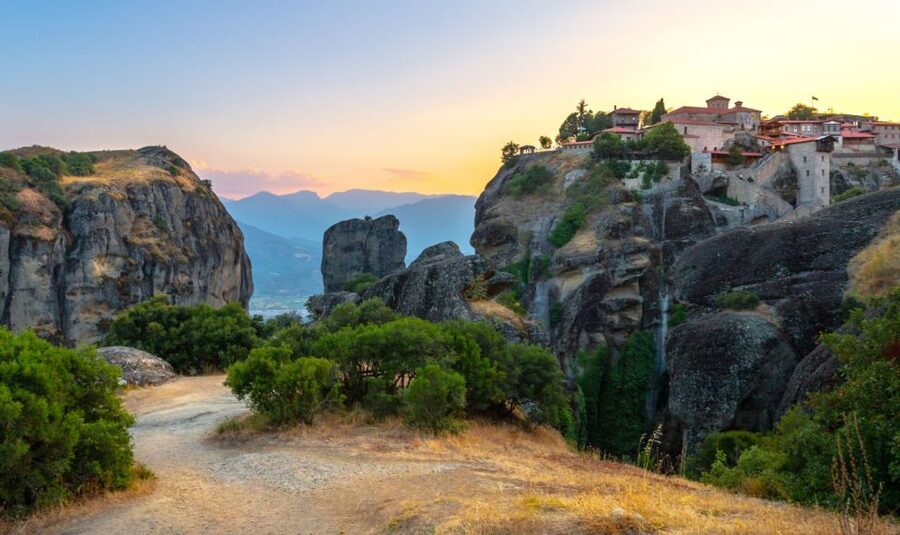
At $35 per person, this hike is priced for what you’re getting: hotel pickup and drop-off, a local mountain guide, a small group format, and a bottle of water. Meteora days can get expensive fast once you factor in transit and last-minute tickets. Here, you’re paying mostly for guided time and a practical route.
Just budget the extras. Monastery entrance is €5 per person, and guided explanations inside the monastery aren’t included. Still, for many people this works out well because you’re paying once for the walking and story, then adding a relatively small entrance fee for the major sites.
Also, your time is efficient. The whole experience is about 4 hours with a total hike distance that feels doable for most moderately fit travelers. If you have limited days in the area, that timing is a big value point.
Who this tour suits best (and who should skip it)
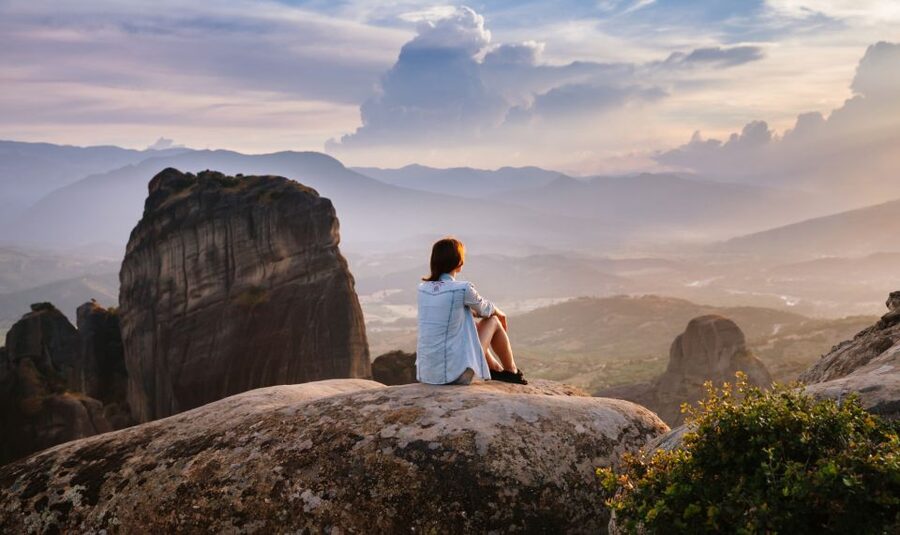
This tour fits best if you:
- want Meteora as a walking experience, not only a bus-to-views day
- enjoy a mix of nature, ruins, and monastic history
- like learning from a local guide with English explanations
- can handle moderate hiking and uneven ground
It’s not suitable for people under 6 years, pregnant women, wheelchair users, or anyone with mobility impairments. It also isn’t recommended if you have heart problems, respiratory issues, visual impairments, people over 80, or if you’ve had recent surgeries or have pre-existing medical conditions that affect physical activity.
If you’re unsure about your fitness level, don’t guess. The listing calls it moderate and notes a 200-meter elevation gain. That’s not extreme, but it is real effort, especially with outdoor stairs and rocky paths.
Should you book this Meteora hiking tour?
If you want Meteora to feel lived-in and real, I’d book it. The hidden-trail access to Ypapanti, the mix of ruins and monastery time, and the fact that you’re moving through the site—not just standing at lookouts—make it a strong choice for first-time visitors who don’t want the most crowded version of the day.
Skip it if you need wheelchair-friendly access, you can’t handle uneven terrain, or you’re hoping for a mostly indoor, low-effort experience. For active travelers who like walking with a story, this is one of the more satisfying ways to see the area in a half-day window.
FAQ
How long is the Meteora hiking tour?
The tour lasts about 4 hours.
How far do you hike during this experience?
The hiking distance is about 7 km, with roughly 200 meters of elevation gain.
What is the difficulty level?
The hike is listed as moderate.
Where does pickup and drop-off happen?
Pickup and drop-off are available from Kalabaka or Kastraki. Trikala is also listed as an option for pickup/drop-off.
What monastery entrances do I need to pay?
Monastery entrance fees are not included and are listed as €5 per person.
Is the guide included inside the monasteries?
Entrance is handled on your side, and a guided tour inside the monastery is not included.
What should I bring?
You’ll want comfortable or sports shoes, cash (for entrance fees), and a camera.
What language is the tour guide?
The live guide speaks English.
Is this tour suitable for children or seniors?
The minimum age is 6 years. It’s not suitable for people over 80, and children under 6 aren’t recommended.
Is the tour accessible for wheelchair users or people with mobility issues?
No. It’s not suitable for wheelchair users or people with mobility impairments.