REVIEW · KALABAKA
Kalabaka: Meteora Small-Group Hiking Tour w/ Monastery Visit
Book on GetYourGuide →Operated by Visit Meteora · Bookable on GetYourGuide
Rock towers look different on foot. This 5-hour small-group morning hike in Meteora brings you close to the Eastern Orthodox monasteries and the sandstone “giants” that make the area famous. I really like how the route is built around walking the rocks, not just stopping for photos.
Two things I’d count as big wins. First, you get guidance to the best viewpoints, including stretches where you pass between rock faces and open up to wide panorama views of the pillars. Second, you visit one of the two major monasteries up on the cliffs—either the Monastery of Great Meteoron or Varlaam—so you see why people risked everything to live here.
The main drawback is the walking: even if many sections feel manageable, there are steeper parts and rocky steps, and this tour is not a fit for low mobility or limited fitness. Plan on solid closed-toe shoes and a hat, and know that monastery entry fees cost extra.
In This Review
- Key Highlights You’ll Actually Care About
- Meteora by Foot: Why This Route Feels More Real
- Getting From Kalabaka to the Trails: What the Morning Start Looks Like
- The Hike Itself: Dupiani Hermitage to the Main Monasteries
- Great Meteoron vs. Varlaam: Picking One Major Cliff Monastery
- St. George the Madilas: A Small Detour With Big Local Meaning
- Terrain Reality Check: Steep Steps, Rocky Spots, and Shoe Rules
- The Most Important Ingredient: Your Guide and the Pace They Set
- Value for About $35: What’s Included and What You’ll Still Pay
- Best Use of Time: What This Tour Does Well (and What It Doesn’t)
- Who Should Book This Hike (and Who Should Skip It)
- Should You Book This Meteora Small-Group Hiking Tour?
- FAQ
- How long is the Meteora hike and monastery visit?
- Where do you get picked up?
- How much hiking is included?
- Do I need to pay monastery entry fees?
- Is the guide with you inside the monasteries?
- What’s included in the price?
- What should I bring?
- Are sandals allowed?
- Is this tour okay for children?
- Is this tour suitable for people with mobility or health issues?
Key Highlights You’ll Actually Care About
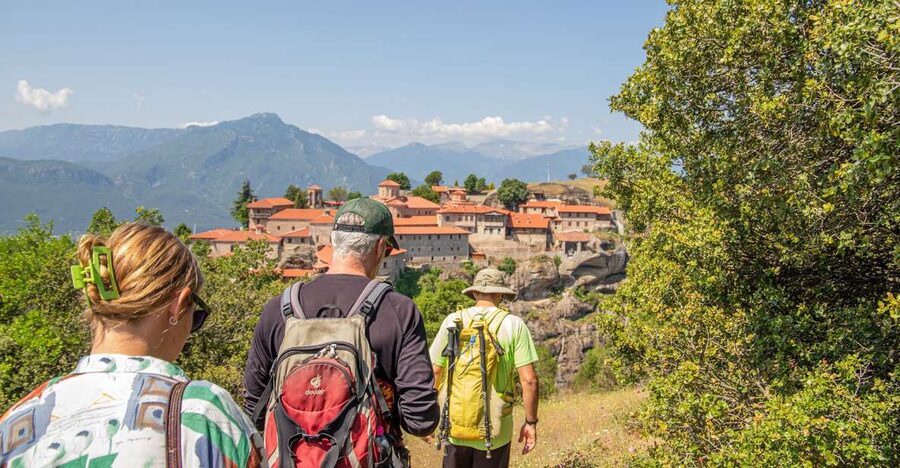
- Close-up hiking routes through Meteora rock formations instead of just viewpoint stops
- One major monastery visit (Great Meteoron or Varlaam) with time to explore on your own
- Guided stops at multiple heritage sites, including hermitages and monastery ruins
- The St. George the Madilas stop, where the rope-offering tradition is tied to local child celebrations
- Top-notch transport and smooth pacing, with guides who set a comfortable rhythm
Meteora by Foot: Why This Route Feels More Real
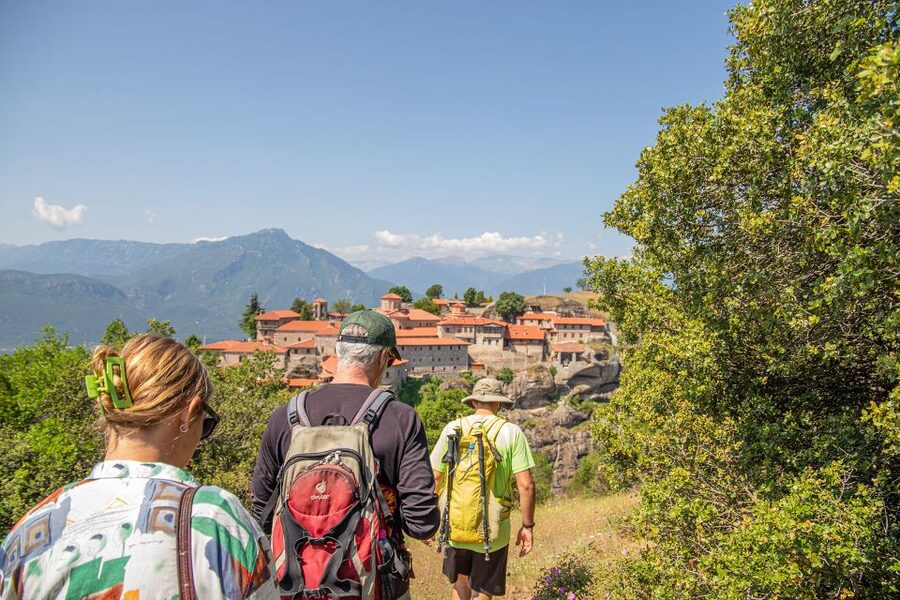
Meteora is one of those places where the photos are good, but the scale on the ground is what makes it hit. When you hike, you see how the monasteries sit on jagged pillars, how the valley folds around them, and how the rock patterns shape where people could actually build. You’re not just looking at history. You’re walking through the same terrain that shaped it.
I also like that the tour is designed around sightlines. You’ll get photo moments, guided segments, and enough time in key spots so you can look, breathe, and take the place in. That matters here because Meteora is visually intense. Without a route, it’s easy to feel like you’re staring at the same postcard view from the same road.
The final touch is that you don’t only hear about monasteries. You learn about local wildlife and folklore tied to the cliffs, which helps Meteora feel like a living landscape rather than a theme park.
You can also read our reviews of more tours and experiences in Kalabaka.

Getting From Kalabaka to the Trails: What the Morning Start Looks Like
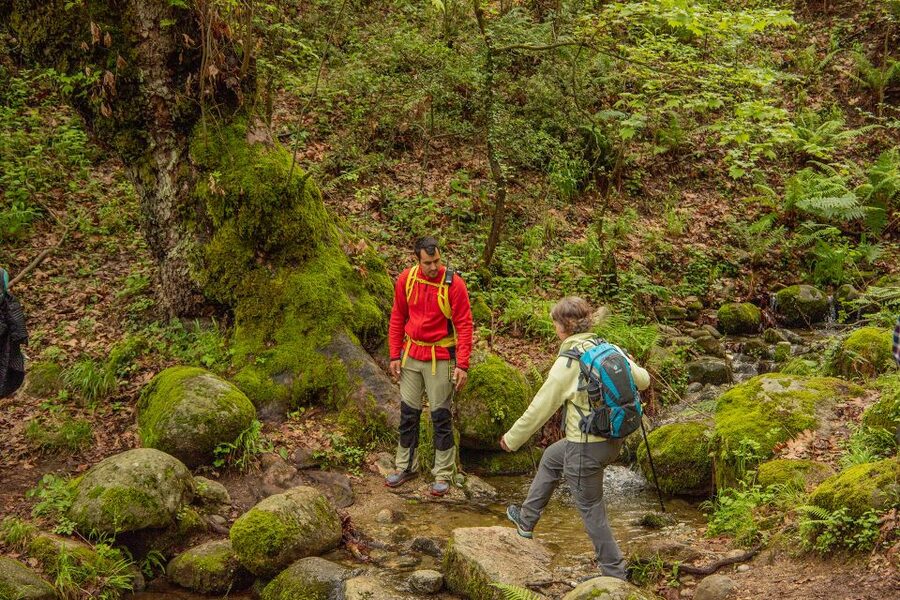
Most people base themselves in Kalabaka, and this tour uses that convenience. You’re picked up in Kalabaka and transferred by coach—about 10 minutes—to the trail start area around Kastraki Square. It’s a quick warm-up so you’re not burning time before you even start hiking.
Then the walking begins with a classic Meteora approach: move from the valley edge up toward where the monasteries dominate the view. You’ll travel under and around rock towers, including stretches where you can spot ruined monastery structures and see how the geography funnels your attention toward the cliffs.
This matters for your experience because Meteora can be confusing to navigate. A guide helps you avoid the guesswork and gives context while you’re still fresh and before the terrain starts demanding full attention.
The Hike Itself: Dupiani Hermitage to the Main Monasteries
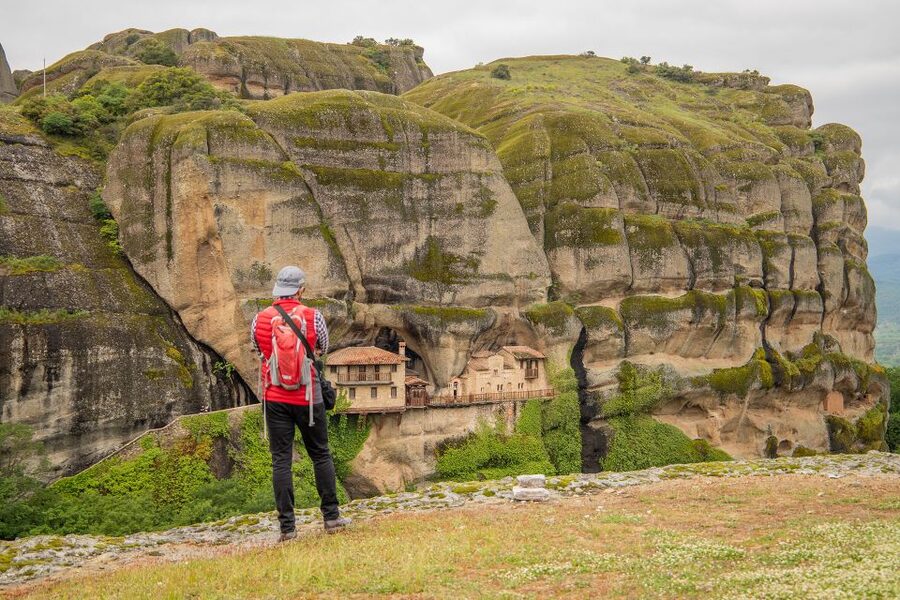
The hike is the heart of the tour, and it’s paced to keep the views coming without turning the day into a suffer-fest. After the initial movement toward Dupiani, you start passing below the ruined Pantokratoros Monastery on the north side of Dupiani’s rock. From there, the route continues to Ypapanti Monastery and on to the ruins of St. Dimitrios—an area destroyed by the Ottomans in 1808 during a local uprising.
This is one of the reasons I like this tour route. It’s not just monastery-to-monastery sightseeing. You get history in layers, including what got lost and what survived. The ruins are part of the story, and walking past them makes that story feel grounded.
From Ypapanti and the St. Dimitrios ruins, the trail climbs to the big hitters: Great Meteoro and Varlaam monasteries, two of the six Eastern Orthodox monasteries in the area. You’re in a UNESCO World Heritage Site region here, and the guided walk helps you understand what makes these sites so strategically placed—both for spiritual reasons and for the practical realities of cliff living.
Expect about 2.5 hours of guided hiking during the first major walking block, plus additional hiking later. There’s also a photo stop built in, because on this route, you’ll likely want at least one moment to stop and just look.
Great Meteoron vs. Varlaam: Picking One Major Cliff Monastery
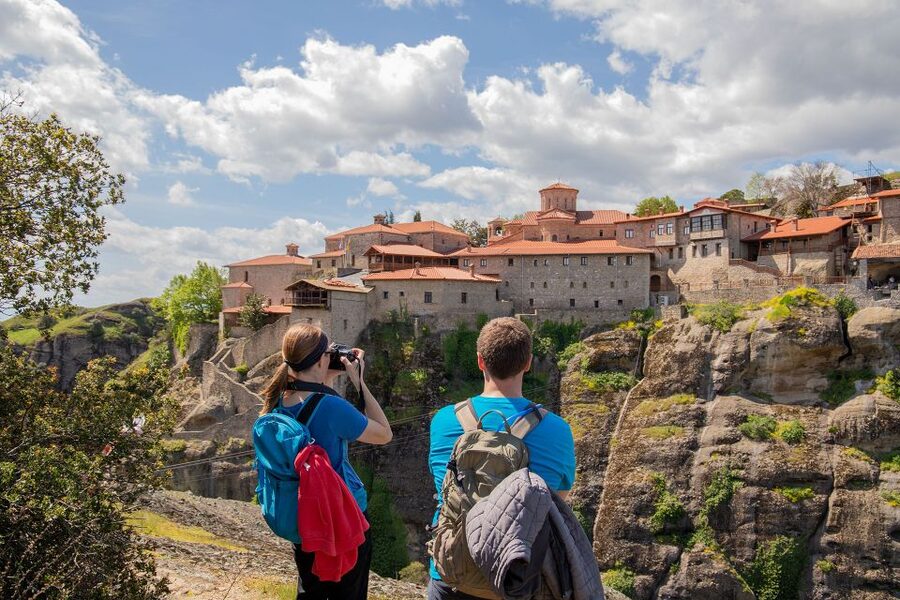
Your itinerary includes a visit to either the Great Meteoron or Varlaam monastery, with about an hour for the monastery experience. Which one you visit can vary, but the idea is the same: you’ll get a guided approach and then time to explore.
One important detail for planning: monastery entry fees are not included. Budget €5 per person per monastery if your visit requires it, and bring cash since that’s often the practical way to handle these small on-site payments. Also, the guide does not go inside the monasteries with you. You’ll have the guide for the outside and route interpretation, plus you’ll rely on self-guided exploration inside.
What I think you’ll like most is how the stop is timed. An hour inside is long enough to see what you came for without letting the day turn into a forced museum sprint. You’ll also get guidance on what to look for—things like vantage points, key views, and the parts of the complex that typically make the biggest impression once you’re up there.
St. George the Madilas: A Small Detour With Big Local Meaning
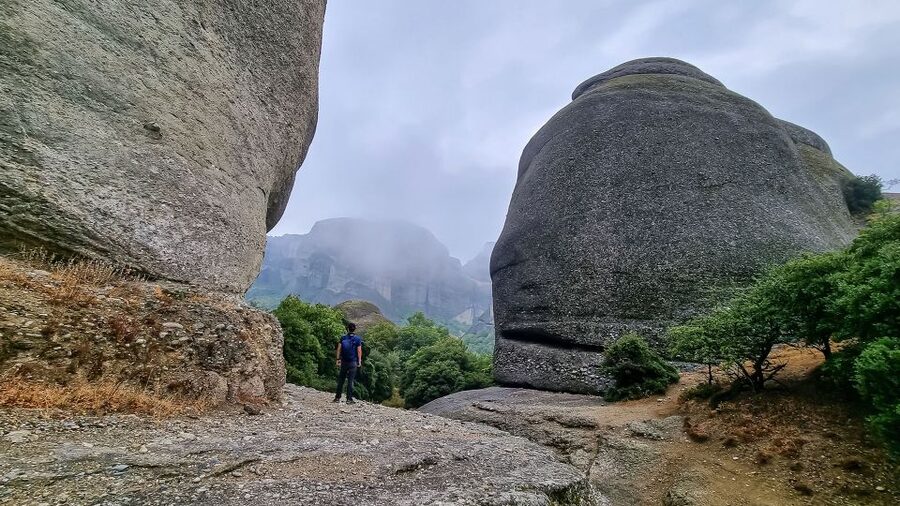
After the main monastery segment, the tour heads down from Varlaam to St. George the Madilas. This stop is different from the cliff-monastery vibe. It’s more local, more human scale, and it connects the rocks to living tradition.
The tour points out the spot where local children climb with only a rope to dedicate offerings to St. George. That detail is the kind of Meteora fact that sticks because it reminds you these monasteries weren’t built in a vacuum. The cliffs have always been part of local life, faith, and community behavior—long after the first monks made their homes on the towers.
It also helps if you’re the type who gets monastery-fatigue. This stop breaks the day up and adds a story you won’t see just by looking at the main complex from a distance.
Terrain Reality Check: Steep Steps, Rocky Spots, and Shoe Rules
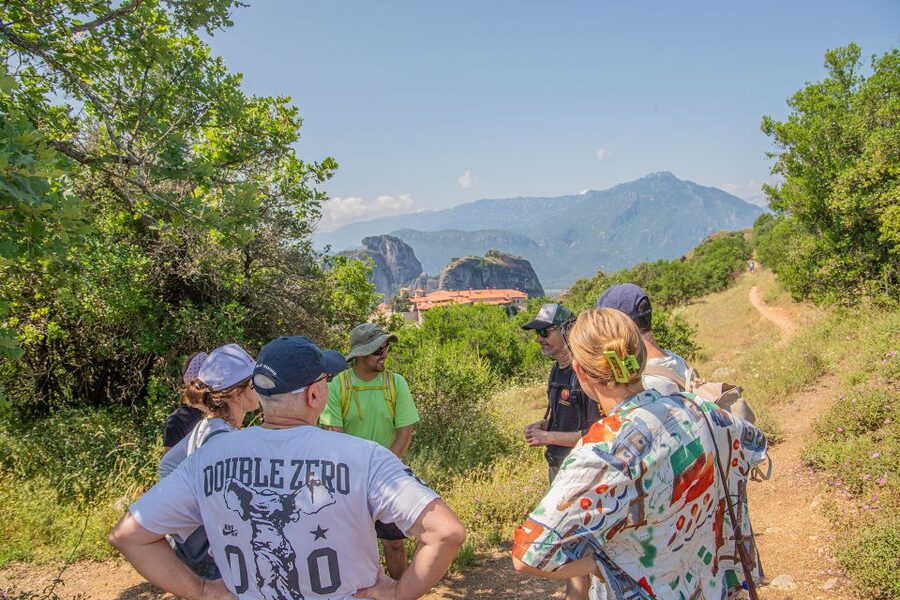
Let’s talk about the ground truth. This is a hiking tour, not a casual walk. The path includes rocks, hills, and some steeper sections. Even when some sections are described as beginner-friendly, the descent can be challenging if you’re not wearing the right shoes.
You should bring:
- Comfortable shoes with closed toes and good grip
- A hat
- Snacks (food isn’t specified)
- Comfortable clothes
- Cash for monastery entry fees
You should not rely on:
- Sandals or flip-flops
- Sleeveless shirts in the monastery areas
- Pets
If you’ve got hiking poles, they can help your knees on uneven sections. Some guides may help with walking support needs, and people note the value of poles on steeper terrain.
Also note the suitability limits: this tour isn’t for children under 7, people with heart problems, visually impaired travelers, people with low fitness, or anyone with mobility impairments. Even if you’re “okay walking,” Meteora’s steps and rocky bits are not the place to test your limits.
The Most Important Ingredient: Your Guide and the Pace They Set
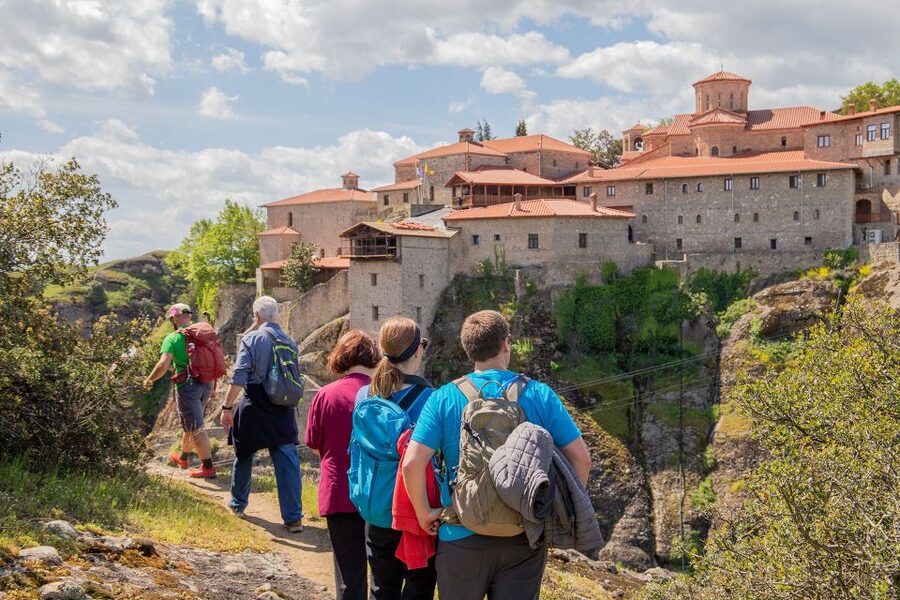
The guide can make or break Meteora. Here, the guides are praised for being personable, flexible, and full of practical context. Names that come up often include Christos, Evan, Dimitri, Dimitris, Chris, Kristos, Vangelis, and Kostas. The common thread is how they keep the day moving at a pace that fits your group, with regular stopping points and clear direction on what you should pay attention to.
I like that the best guides here don’t just toss facts at you. They help you read the place while you’re standing in it. That means you’re not only watching monasteries. You’re learning how the geology shaped the building sites, how local myths explain the cliffs, and what animals you might notice along the way.
If you’re worried about pacing, you’re in good shape. People mention that the guides can adjust how fast you go so you don’t feel rushed, which is exactly what you want when your focus is on views and footing.
Value for About $35: What’s Included and What You’ll Still Pay
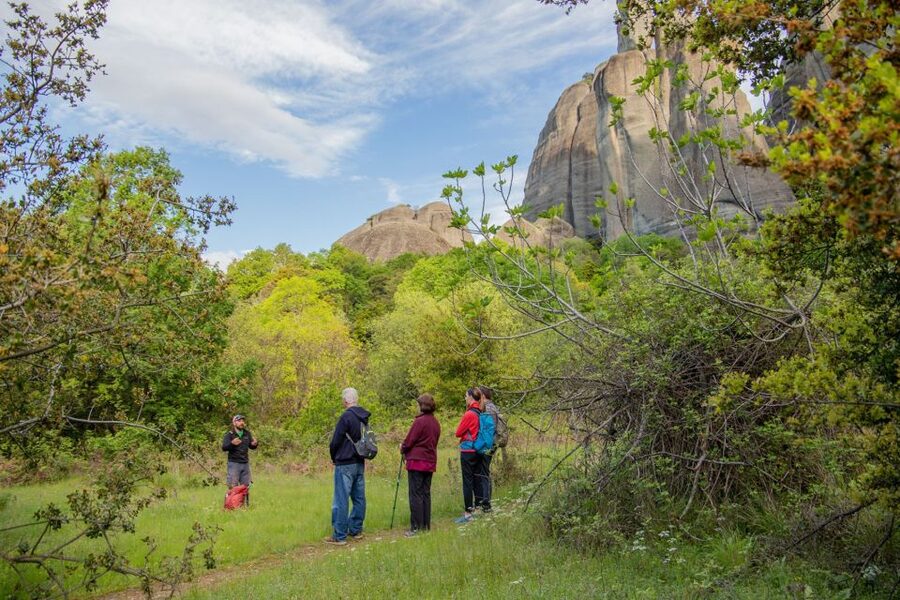
At about $35 per person for a 5-hour outing, the value is strong because you’re paying for more than a bus ride. You get pickup and drop-off, a mountain guide, a map, and a bottle of water. The transport score is also excellent, which matters because you don’t want to waste your morning wrestling schedules.
The main extras to remember:
- Monastery entry fees: €5 per person per monastery (not included)
- Guide inside the monasteries: not included, so you’re on self-guided time inside
- Food and drinks not specified, so pack snacks
So the real question is not just price. It’s what kind of Meteora experience you want. If you want the best chance to see the rock formations up close and make sense of what you’re looking at, the guided hike time is the payoff.
Best Use of Time: What This Tour Does Well (and What It Doesn’t)
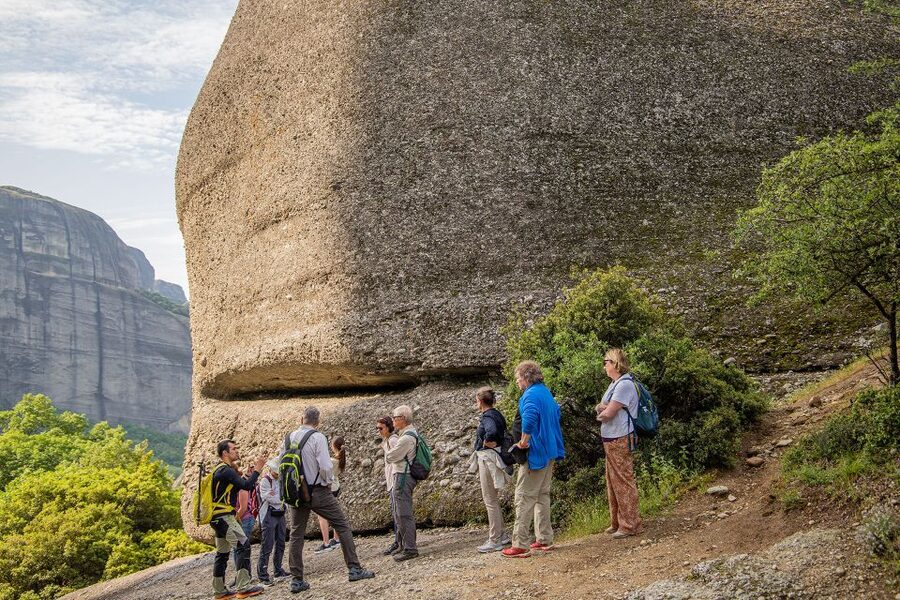
This tour does an excellent job covering Meteora without trying to cram in every monastery. In many cases, you’ll see multiple major sites from the trail and then have one hour to explore inside either Great Meteoron or Varlaam.
That’s a smart trade-off. Inside monasteries, your time needs to be respectful and focused. On a half-day hike, you don’t want to turn that hour into a checklist sprint. You want enough time to wander slowly and notice details, especially because the guide is not in the interior with you.
What it does not do is provide a guided interpretation inside the monastery buildings. If you want a full “commentary tour” inside, you might find you’ll be doing more self-reading once you’re inside—so come ready with curiosity and questions.
Who Should Book This Hike (and Who Should Skip It)
Book this if:
- You want a walk-first Meteora experience with panoramic viewpoints
- You like learning about monasteries, geology, and local myths while you hike
- You’re comfortable on uneven ground and can handle a steeper descent
- You want to avoid feeling like you’re only stopping for quick photos
Skip it if:
- You have mobility limitations or health concerns that make climbing unsafe
- You need a fully accessible route
- You’re looking for an easy stroll with minimal uneven terrain
- You’re traveling with very young kids (under 7 isn’t a fit here)
Should You Book This Meteora Small-Group Hiking Tour?
Yes—if you can handle a real hike and you want Meteora to feel like a place, not just a collection of viewpoints. The big draw is the guided walking route that brings you past monasteries, ruins, and cliff sites in a way that makes the geography make sense. The guide-driven pace is also a highlight, with people noting helpful, flexible leadership from guides like Christos, Evan, Dimitri, and others.
If you’re sensitive to steep steps or rocky descents, don’t guess. Meteora’s terrain is part of the experience, and the tour is designed around that reality. Also budget for monastery entry fees if you want to include the interior visit.
If you’re ready for a morning hike that treats Meteora as something you move through, not just look at, this is a strong way to spend your time in Kalabaka.
FAQ
How long is the Meteora hike and monastery visit?
The tour runs about 5 hours.
Where do you get picked up?
Pickup is in Kalabaka (including specified hotels and guesthouses).
How much hiking is included?
There are guided hiking blocks totaling about 3.5 hours, plus photo stops and monastery time.
Do I need to pay monastery entry fees?
Yes. Entry fees are not included and are listed as €5 per person per monastery.
Is the guide with you inside the monasteries?
No. The guide provides route context and help outside, but you’ll tour the monastery interiors on your own.
What’s included in the price?
Pickup and drop-off, a mountain guide, a map, and a bottle of water.
What should I bring?
Bring comfortable shoes, a hat, snacks, comfortable clothes, and cash.
Are sandals allowed?
No. Sandals or flip-flops are not allowed.
Is this tour okay for children?
It is not suitable for children under 7 years old.
Is this tour suitable for people with mobility or health issues?
It is not suitable for people with heart problems, people with low level of fitness, visually impaired travelers, or anyone with mobility impairments.