REVIEW · BEIJING
Mini Group: Simatai West to Jinshanling Great Wall Hiking Tour
Book on Viator →Operated by Trippest Travel · Bookable on Viator
Ridgeline walks beat the usual Great Wall crowds. Simatai West to Jinshanling is a full-day hike where watchtowers and mountain views do most of the talking. You get a guide to explain what you’re seeing as you move along the ridge, plus support like bottled water and snack breaks.
I especially like that the route links two famous sections without turning it into a treadmill marathon. The walking time is long enough to feel earned (about 3 hours on the wall), yet the tour is paced with stairs, passes, and a late lunch stop. I also like the small-group feel (max 15), and the fact that the guides behind this hike have been praised for solid English—names like Nancy and Mico show up in past groups’ feedback.
One thing to consider: it is a moderately challenging hike with steep sections and lots of stairs. If your legs are less reliable, or you hate heights, you’ll want to plan your pace and bring the right footwear—this isn’t a stroll.
In This Review
- Key highlights
- Simatai West to Jinshanling: why this Great Wall hike feels different
- Getting picked up in central Beijing (and timing your day)
- Stop on the wall: Simatai West, the ridge walk, and Houchuankou Pass views
- Watchtowers and steep sections: what the hike is really like
- The late lunch stop at Zhuanduokou Pass
- Guides make the difference: English, explanations, and pacing
- Transport and what’s included: where your money goes
- What you should pack and how to be comfortable
- Who this tour suits best (and who should choose differently)
- Is the $222 price worth it? My value take
- Should you book Simatai West to Jinshanling now?
- FAQ
- How long is the Simatai West to Jinshanling Great Wall hiking tour?
- What time does hotel pickup happen?
- How big is the group?
- What’s included in the tour price?
- Is lunch included?
- Are cable cars included?
- Is the hike suitable for young children?
Key highlights
- Small group size (up to 15) keeps the hike feeling manageable and conversational
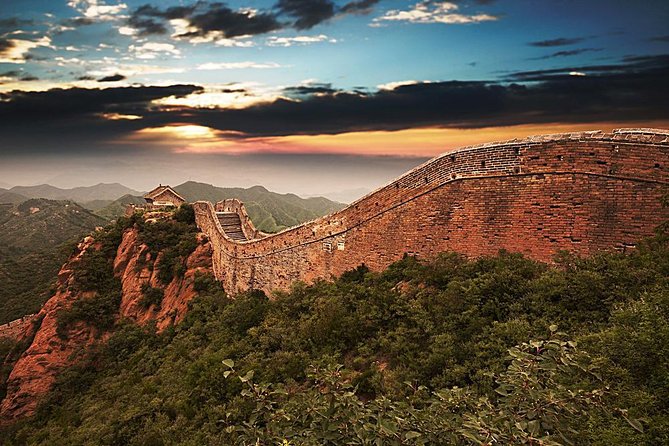
- Simatai West to Jinshanling connects two Great Wall personalities: rugged + iconic watchtowers
- Pass-to-pass scenery includes Houchuankou Pass and later views from Zhuanduokou Pass
- Snack and water breaks help you keep going on a ridge walk
- English-speaking guide makes the architecture and history easier to track while you hike
Simatai West to Jinshanling: why this Great Wall hike feels different
Most Great Wall tours drop you near a section, snap a few photos, and call it a day. This one is built around movement—walking along the ridge between Simatai West and Jinshanling—so the wall starts to feel less like a landmark and more like a working defensive system.
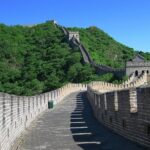
Simatai West is known for being closer to the wall’s original condition, which changes the vibe from “restored photo set” to “weathered stone and stubborn engineering.” Then the route transitions toward Jinshanling, a segment famous for watchtowers. That combination matters because you’re not only chasing views; you’re also seeing how the wall was designed to control sightlines and movement.
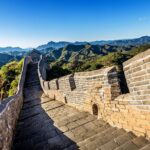
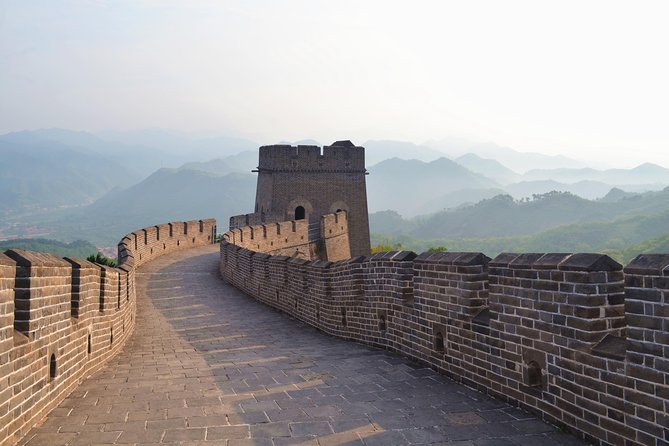
You’ll notice the wall isn’t flat. It’s a series of climbs, descents, and step-ups that follow the ridge of the mountains. That’s part of the value: the hike forces you to experience why the wall was built where it was—because it gives defenders a command of the horizon.
You can also read our reviews of more tours and experiences in Beijing.
Getting picked up in central Beijing (and timing your day)
The day starts early. The scheduled pickup starts around 7:00 am, and you’ll be brought from central Beijing hotel areas within the 4th Ring Zone. Your exact pickup time and guide contact details come in your voucher the day before, and the guide typically calls your hotel or leaves a message the night before.
On the schedule, the main hiking window is about 10:00 to 13:00, with the full day stretching until roughly 5:00 pm when you’re transferred back. The timing usually works well if you want daylight on the wall and you’d rather not rush late-afternoon logistics.
Practical tip: since your ride likely includes a drive north to the wall, eat a real breakfast before pickup (even if you’re tempted to wait). Once you’re on the ridge, it’s harder to think about food. Also, plan to use the restroom when you can during transfer stops, since the hike portion is focused and stair-heavy.
Stop on the wall: Simatai West, the ridge walk, and Houchuankou Pass views
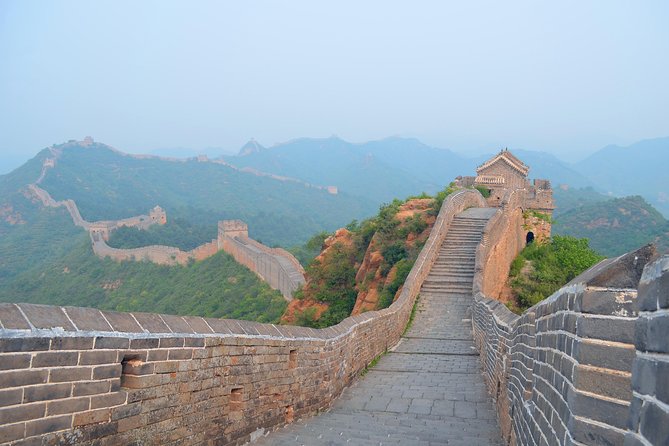
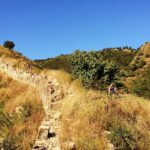
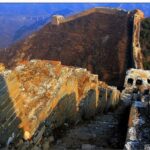
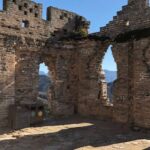
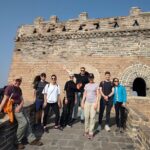
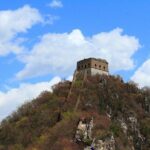
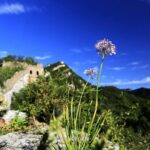
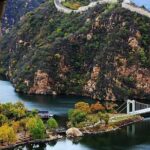
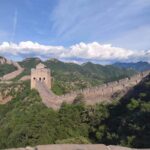
The hike portion is the heart of this experience. After you arrive at Simatai West, you start walking along the Great Wall’s ridge line, where the route includes crumbling watchtowers as well as sections that have been restored. Expect stairs and some steep bits, but the route is thoughtful about pacing so you’re not just grinding up and down without breaks.
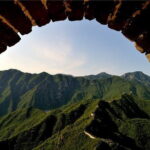
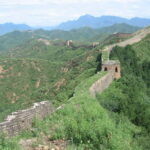
After you climb past the stair sections, you reach Houchuankou Pass. This is one of those moments where the effort pays off: you get a panoramic view, and you can sometimes see the wall stretching toward the horizon. The ridge design is what makes it feel so dramatic. You’re not looking at the Great Wall from a distance; you’re following it, foot by foot, around mountain bends.
This is also the point where your guide’s explanations start to matter. You’ll hear about the wall’s history and architecture while you walk. That turns the stones into a story you can track: why towers were placed where they were, how the wall’s line runs along the terrain, and what life on the frontier may have looked like for Ming-era soldiers guarding the approach to Beijing.
One more real-world benefit: this isn’t marketed as a high-speed, crowd-sweeping route. In practice, the sections you hike tend to feel less packed than the most overrun wall stops, which makes it easier to pause and actually look instead of just walking through.
Watchtowers and steep sections: what the hike is really like
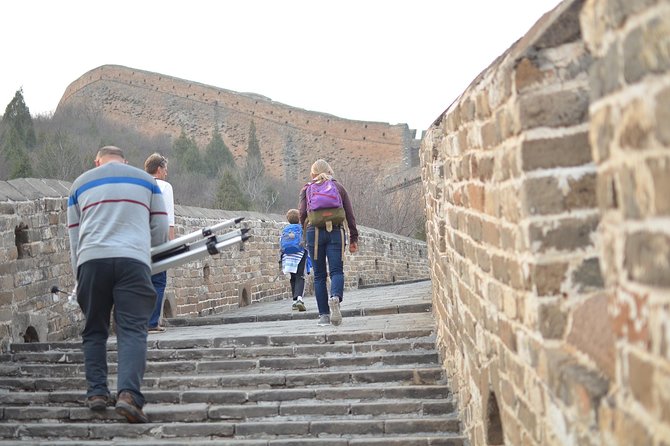
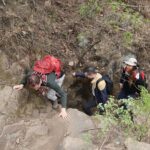
Let’s talk honesty. This is not a gentle promenade. It’s listed as moderately challenging, and you’ll encounter steep sections plus plenty of stairs. If you’re someone who gets shaky on heights, or you dislike lung-burning climbs, you may feel it here.
That said, the hike is also where you get the best value. The Great Wall becomes more than a view when you’re climbing next to it. You can judge scale better, see how watchtowers relate to the bends in the wall, and notice details like stonework and restoration patterns.
What I like about this tour setup is that it doesn’t leave you hanging. You get snacks and water provided along the way, so you’re not stuck trying to manage energy with whatever you brought from the hotel. Past feedback also points out that steep sections are part of the fun for people who like challenge without chaos.
Bring your own common sense gear:
- solid hiking shoes (not slick sneakers)
- a light layer for windy ridge moments
- water carried in your bag even though bottled water is provided, so you can sip at your pace
The late lunch stop at Zhuanduokou Pass
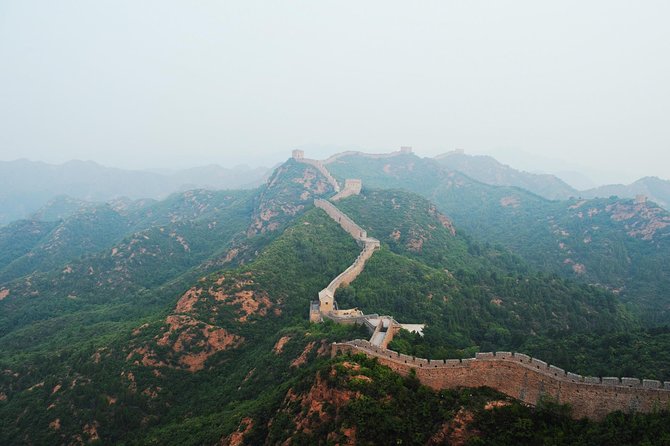
After your wall time, the plan calls for a late lunch at Zhuanduokou Pass. This break matters because your body needs it. A ridge walk can sap stamina faster than you expect, especially when you’re climbing stairs for hours.
One caution: the tour’s packaging notes don’t all match perfectly on lunch. The day plan includes a lunch stop, and meal quality has been praised in past groups, but some booking details also list lunch under what’s not included. So before you go, check your voucher details so you know whether lunch is covered for your exact option.
If lunch is included for your departure, great—you can just focus on finishing the hike strong. If lunch is not included in your option, you’ll still have the stop built into the day, which at least gives you an organized place to eat rather than scrambling when you’re already tired.
Either way, treat this as a fueling moment, not just a time to sit. Even a short walk after eating can help if you feel stiff.

Guides make the difference: English, explanations, and pacing
A strong guide turns a photo day into an understanding day. The tour includes an English-speaking professional guide service, and past feedback highlights guides who speak clear English and know how to explain what you’re seeing.
Names that have come up in prior reviews include Nancy and Mico. That matters because you’ll be scanning towers, reading terrain, and trying to picture the wall’s job on a frontier. When the guide can connect details to the bigger story, you remember the hike longer than just the scenery.
Also, guides are useful for pacing. On a route with stairs and steep spots, the right pace keeps the day fun. If you’re the type who wants to stop frequently for photos, a good guide helps you do it without derailing the group’s rhythm.
Transport and what’s included: where your money goes
At $222 per person, this tour isn’t the cheapest way to see the Great Wall. But it’s priced like a hike experience with real logistics: air-conditioned transport, pickup/drop-off in central Beijing, an English-speaking guide, and entrance fees tied to the Jinshanling segment.
Here’s what that usually means for you:
- You don’t spend your morning figuring out transit timing.
- You get help with the most confusing part: getting to the right wall section and back safely.
- You’re paying for guided interpretation, not just bus delivery.
The tour also includes bottled water and the Great Wall entrance fee at Jinshanling. Cable cars are listed as not included, so you should plan to hike the route rather than treating it like an option-heavy choose-your-own-adventure.
Snacks are built into the day plan. If you’re someone who tends to run low on energy, that’s a real comfort factor on a ridge hike.
What you should pack and how to be comfortable
This kind of hike is simple in concept but specific in execution. The wall is stone, the terrain is uneven, and your legs do the work. Pack for stairs and for weather changes.
Based on what the day includes (stairs, ridge walking, and a lunch stop), I’d plan for:
- footwear with grip for steep stone steps
- a small daypack for water/snacks and a layer
- sun protection (hat and sunscreen), since ridge walks can get exposed
- a light rain layer if weather is iffy; you want to be prepared without lugging heavy gear
Moderate fitness is recommended. If you can handle climbing a few floors repeatedly, you’ll likely be fine with pacing. If you’re dealing with knee issues, it’s worth thinking twice and planning to take slower breaks where safe.
Who this tour suits best (and who should choose differently)
This is a great fit if you want:
- an active Great Wall day, not a quick photo stop
- a route that highlights watchtowers and ridge views
- a small group with a guide who explains what you’re seeing
- the chance to walk in a less crowded-feeling section of the wall
It may not be ideal if:
- you struggle with steep stairs or heights
- you’re looking for a fully flat walking itinerary
- you want cable car flexibility to reduce walking time (cable cars aren’t part of this plan)
It also isn’t recommended for children aged 6 and under, and the tour calls for a moderate physical fitness level.
Is the $222 price worth it? My value take
For many Great Wall visits, the “cheap” option is often cheap for a reason: you pay less because you’re doing more work yourself (transport timing, entry logistics, and figuring out what you’re looking at). Here, the costs are wrapped into a day that’s designed to flow: pickup, guide, bottled water, snacks, and entrance fees on the Jinshanling side.
If you care about a guided hike experience and you’d rather spend your energy on the wall than on logistics, $222 can feel reasonable—especially with a group capped at 15.
If you’re traveling solo on a tight budget, you might find cheaper tours or DIY options. But DIY can also mean losing the “what am I looking at” context that makes this hike memorable. For me, paying for a guide on a steep, tower-rich route is where a chunk of the value comes from.
Should you book Simatai West to Jinshanling now?
Book it if you want a real walking day on the Great Wall, and you like the idea of seeing watchtowers from the ridge instead of just viewing them from behind railings. This tour’s design—Simatai West’s original feel, followed by Jinshanling’s tower-famous segment, guided explanations, and snacks/water—targets exactly the kind of Great Wall experience that sticks.
Think twice if stairs are your weak point, or if you’re expecting a low-effort stroll. Also double-check whether your specific option includes lunch, since the day plan includes it but some details are inconsistent.
One last planning note: the experience requires good weather. If conditions are bad, you may be offered a different date or a full refund, so keep your schedule flexible when you can.
FAQ
How long is the Simatai West to Jinshanling Great Wall hiking tour?
The tour is a full day, about 8 hours approximately. The main hiking time is scheduled for 10:00 to 13:00, and you typically get back to your hotel around 5:00 pm.
What time does hotel pickup happen?
The start time is listed as 7:00 am. Your exact pickup time is shared in your voucher the day before, and the guide may contact your hotel the night before.
How big is the group?
This is a maximum of 15 travelers. If there are more than 6 people in your booking, all of you are upgraded to a private group without other participants.
What’s included in the tour price?
Included items include an English-speaking professional guide, bottled water, hotel pickup and drop-off (within the 4th Ring Zone), and the entrance fee to the Great Wall at Jinshanling.
Is lunch included?
A late lunch stop at Zhuanduokou Pass is part of the day’s plan. Some booking details list lunch as not included, so it’s worth checking your voucher to confirm what’s covered for your specific option.
Are cable cars included?
Cable cars are not included.
Is the hike suitable for young children?
It is not recommended for children aged 6 and under, and the tour asks for a moderate physical fitness level.