REVIEW · UBUD
Mount Agung Sunrise Hiking
Book on Viator →Operated by Bali Volcano Tour · Bookable on Viator
Few things beat a volcano sunrise. This Mount Agung hike is a long night climb toward the top of Bali’s holy volcano, with an expert English-speaking local guide and photo help along the way. It’s the kind of outing where you feel every step, then get a payoff that makes you stand taller at the summit.
Two things I like a lot: you get built-in logistics (pickup, tickets, air-conditioned transport, and the driver waiting after), and the guide helps with more than just directions by serving breakfast and taking photos for your memories. The main drawback? You’re committing to a very early start and a stair-heavy climb that’s not ideal if your legs aren’t ready.
In This Review
- Why This Sunrise Hike Hits Different
- Key Points You’ll Care About
- Your Real-World Expectations: What Mount Agung Sunrise Feels Like
- Pickup at Night and a Simple Breakfast That Matters
- Choosing Your Route: Besakih or Pasar Agung Temple
- The Night Climb (01:30–05:45): Stairs, Cold, and Staying Focused
- The Summit Moment: Photos, Pride, and a Short Pause That Counts
- Trekking Down: Why It’s Heavier and How to Keep It Safe
- Getting Back to Ubud: Driver Timing and the End of a Long Day
- Price and Value: Is $73.53 Worth It for 12 Hours?
- What’s Included vs. What You Pay Extra
- Who This Tour Suits Best (and Who Should Skip It)
- Practical Tips Before You Go (Based on the Tour’s Own Needs)
- Booking the Experience: What to Know About Weather
- Should You Book Mount Agung Sunrise Hiking?
- FAQ
- How long does the Mount Agung sunrise hike take?
- Where does the sunrise hike start?
- What time is hotel pickup?
- What time do you start trekking?
- What time do you reach the summit?
- Is a guide included, and is the guide English-speaking?
- What’s included for food?
- What should I bring for the hike?
- Is this tour private?
Why This Sunrise Hike Hits Different
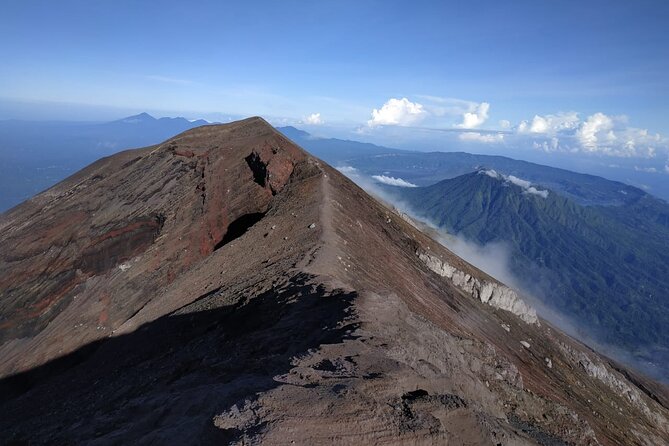
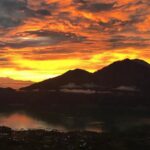
Mount Agung sunrise hiking is one of Bali’s classic “start in the dark, finish with bragging rights” experiences. The timing matters here: you’ll leave your hotel around 10:00–11:00 pm, arrive at the trailhead in the early hours, and aim to reach the summit just before sunrise (around 5:45 am in the schedule). That structure is what turns a hard trek into a once-in-a-lifetime moment.
You’ll also get a choice of routes in the overall tour concept: you can hike from Pasar Agung Temple or from Besakih Village. The climb is described as about four hours going up, which gives you a clear expectation—this isn’t a casual morning walk. And once you’re up, you’ll spend enough time at the top for the views and photos before heading down.
Just remember: the descent is where your legs really complain. Going downhill can feel harder than going up because your feet take the impact, especially on rocky sections. If you’re the type who hates stopping, you’ll need to be flexible—short breaks are part of surviving the trek.
Key Points You’ll Care About
- Sunrise timing built into the schedule: aim for the summit around 5:45 am
- Two route options: Pasar Agung Temple or Besakih Village (route choice described upfront)
- English-speaking local guide: there to lead, serve, and help with photos
- Transportation + tickets included: pickup, air-conditioned vehicle, and entrance fees handled
- Descent is tougher on feet: watch rocky ground and pace your downhill breaks
You can also read our reviews of more tours and experiences in Ubud.
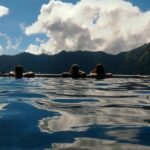
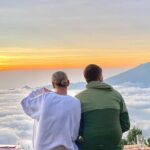
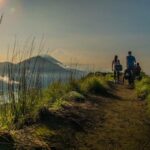
Your Real-World Expectations: What Mount Agung Sunrise Feels Like
This hike is a full-body effort. You start in darkness, climb steep stairs, and then switch gears to enjoy the summit before returning. The tour is clearly designed for sunrise—not for a long sightseeing day with lots of extras.
Here’s what you should expect in plain terms:
- Going up: the pace is steady and stair-focused. You’re moving for roughly four hours uphill (as described for the route concept), which means you need leg stamina and comfortable footwear.
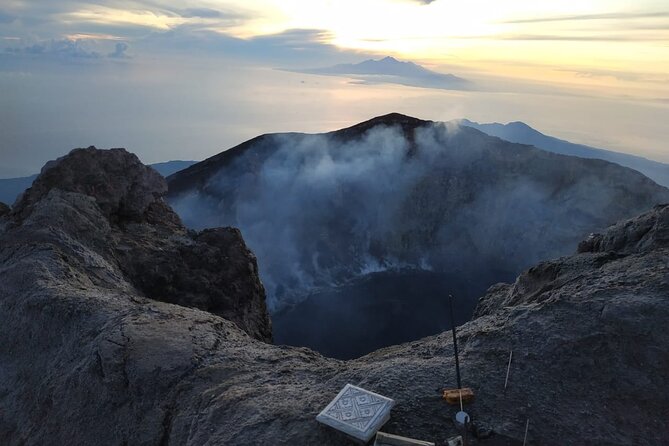
- At the summit: the payoff is big. The view from the top is described as something that will genuinely surprise you—brightening sky, volcanic presence, and that proud feeling of standing on the highest point of Bali.
- Going down: the trek becomes more demanding in a different way. Your feet do more work on the rocks and uneven steps, so you’ll want to slow down and be careful.
The tour also has a spiritual angle. Mount Agung is referred to as a holy volcano, and the trek routes are tied to places like Pasar Agung Temple and Besakih Village. That doesn’t make it “museum quiet.” It makes it feel like a meaningful climb, not just a fitness challenge.
Pickup at Night and a Simple Breakfast That Matters
The schedule is built around midnight departure. If you’re staying in Ubud, you’ll get pickup from your hotel area roughly between 10:00–11:00 pm (it depends on where your hotel is). This matters because it’s not a “meet at the lobby at some point” plan. You want a real collection time, especially when you’re trying to fall asleep early and wake up for a hike that starts long before sunrise.
After pickup, you’ll ride toward the starting point and then begin the climb at about 1:45 am. You’re working through cold and low visibility, so warm clothing becomes practical, not optional.
Then there’s the breakfast: your package includes a simple breakfast with coffee or tea. That part may sound basic, but it’s an advantage. When you’re doing an early ascent, you want something in your stomach that isn’t just a snack you bought last minute. If you’re sensitive to energy crashes, this helps you keep moving.
Choosing Your Route: Besakih or Pasar Agung Temple
The experience offers a choice of routes: from Besakih (highest point) or via Pasar Agung Temple. The key point from the tour description is that both approaches involve a roughly four-hour uphill section.
In the schedule provided, the trek starts at Pasar Agung Temple—you’ll arrive there around 1:30 am and start hiking a bit later. So even if you’re choosing based on your preferences, keep in mind the operation described is clearly geared around Pasar Agung as the practical trailhead for the sunrise timing.
What should you consider when choosing?
- If you want the most direct plan: Pasar Agung Temple is the clearer starting point in the timing shown.
- If you want the alternate approach: Besakih Village is presented as the option that goes from the highest point route.
Either way, you’re still signing up for stairs, cold early hours, and a meaningful summit moment. Your “route choice” here mostly affects how you start the hike, not the fact that you’ll earn your sunrise.
The Night Climb (01:30–05:45): Stairs, Cold, and Staying Focused
The heart of the hike is the night climb from the trailhead to the summit. According to the itinerary timing, you’ll:
- arrive at Pasar Agung Temple around 1:30 am
- start trekking with your local guide around 1:45 am
- reach the summit around 5:45 am
That’s a long stretch of going uphill before you get your reward. So what helps you enjoy it?
1) Pace like you’re preserving legs, not winning a race. The tour description specifically warns that you really need to prepare and exercise for stairs and walking so your feet won’t feel pain after finishing. That’s your cue: start steady early, not furious.
2) Wear hiking shoes you trust. This isn’t about fashion. It’s about grip and comfort on steep, step-like ground.
3) Bring warm layers. The packing list calls for a warm jacket or jumper. Even in the tropics, early-morning mountain air can feel cold, and you’ll be out there long enough for it to matter.
4) Follow your guide’s rhythm. The guide isn’t just for route-finding. They’re experienced in leading people up this volcano on a schedule that aims for sunrise.


The Summit Moment: Photos, Pride, and a Short Pause That Counts
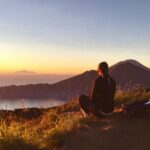
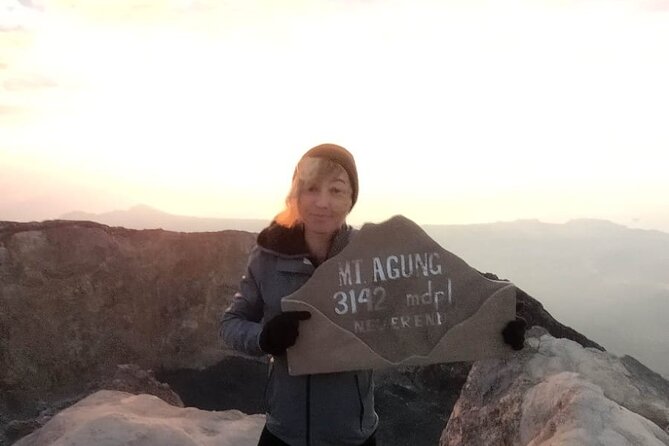
At around 5:45 am, you arrive at the summit. This is the moment the whole trip is built around. The tour description talks about an amazing view that will truly “blow your eyes,” plus a proud feeling of standing on the sky of Bali island.
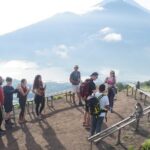
You’ll also get help with memories: the included local guide makes photos for your remembrance. That’s a practical service. If you’ve ever tried to juggle a phone while standing on a moving crowd in the dark, you know why it’s helpful to have someone handle photos so you can actually enjoy the place.
Then there’s time to stay before you go down. The schedule moves on to the descent after you’ve had enough time at the top.
Quick reality check: summit time is limited by sunrise timing and the need to return. It’s not a leisurely hangout at the top for hours. Plan to be present for the core viewing + photos chunk, then get ready for the downhill work.
Trekking Down: Why It’s Heavier and How to Keep It Safe
The tour description is honest about the descent: it’s more heavy on the way down because your feet carry your body weight on the rocks. It also reminds you to be careful on the rock.
Here’s what that means for you on the trail:
- Downhill uses different muscles than uphill. Your quads take the hit, and your feet handle uneven footing.
- Slow beats brave. You’ll want to drop your speed and keep your footing sure.
- Short breaks are allowed. The tour notes that if you feel tied, you can break a few minutes and then continue.
This is one of those experiences where discipline is comfort. If you push too hard, the descent becomes misery. If you pace, watch your steps, and take quick resets, the walk down feels controlled instead of chaotic.
Getting Back to Ubud: Driver Timing and the End of a Long Day
After you finish at the trailhead, the tour follows through with transport. The itinerary shows you’ll return to the finish point at Pasar Agung Temple by about 12:00 am (as written in the schedule). Then a driver is waiting at the parking to drop you off at your hotel.
One thing I like about this kind of tour is that it reduces decision fatigue. You’re not hunting for transport after a sunrise mission. You’re not negotiating with drivers while your legs are shaking. You’ll get back in a planned way.
Also, since pickup is offered and the vehicle is included (air-conditioned), the ride part is handled. You’re paying for convenience as much as you’re paying for the trek.
Price and Value: Is $73.53 Worth It for 12 Hours?
At $73.53 per person for an outing described as about 12 hours, you’re buying a package: transport, tickets, guide, breakfast, and photos. That’s the value story.
Here’s how I look at it:
- You get a local guide who’s English-speaking and helps with photos. That’s not a throw-in. On a mountain hike timed to sunrise, a good guide makes a big difference in keeping the schedule on track.
- Tickets and fees are included, which saves time and hassle during a day that starts at midnight-ish.
- Pickup and return drop-off are included, which is a real benefit because the trek ends around midday and you’ll be tired.
- Breakfast is included, which helps you start the climb fueled.
What you’re not paying for: alcoholic beverages and personal expenses. If you want drinks, snacks, or souvenirs beyond the package, you’ll pay separately. Also, the tour description makes it clear you need strong physical fitness. So the price is fair if you’re ready to work for it.
Overall, this is good value for people who want the heavy logistics handled and don’t want to piece together transport + guide + tickets on their own.
What’s Included vs. What You Pay Extra
Included in your package:
- breakfast (simple breakfast with coffee or tea)
- air-conditioned vehicle
- all fees and taxes
- English-speaking local guide
- entrance ticket
- pickup offered (and driver drop-off after)
- guide helps serve and makes photos for memories
- mobile ticket
Not included:
- alcoholic beverages
- personal expenses
This split is helpful because it tells you what kind of budget you need. If you’re someone who likes being prepared and traveling light, this package style works well.
Who This Tour Suits Best (and Who Should Skip It)
This hike fits you if:
- you have strong physical fitness
- you’re comfortable with stairs and long uphill walking
- you can handle an extremely early start and cold early hours (warm jacket/jumper is part of what to bring)
- you want a guide-led sunrise experience with photo support
You should reconsider if:
- walking stairs is hard for you
- you struggle with rocky downhill sections
- you’re expecting a gentle nature walk (this is a serious climb)
Also, since it’s described as a private tour/activity with only your group participating, it’s a solid option for couples or small groups who want a more focused experience without merging into a big crowd.
Practical Tips Before You Go (Based on the Tour’s Own Needs)
The tour provides a packing list. I’d treat it as the baseline truth:
- warm jacket/jumper
- hiking shoes
- cash
- sunscreen
You’ll also do yourself a favor by mentally preparing for post-trek soreness. The hike description directly warns that the stairs and climbing style can make your feet hurt if you’re not used to it. If you’re not training already, at least stretch your calves and plan a slower day after the trek.
And one more practical note: the schedule depends on hotel location for pickup timing. That means you should double-check that your pickup address and date are correct so the driver can find you in the dark.
Booking the Experience: What to Know About Weather
This hike requires good weather. That’s not just a polite line. On a volcano trek aiming for sunrise, cloud cover and poor conditions can affect both comfort and whether the experience runs as planned.
If it’s canceled due to poor weather, you’ll be offered a different date or a full refund.
Should You Book Mount Agung Sunrise Hiking?
Book it if you want a high-effort Bali experience with real structure: pickup handled, guide included, breakfast provided, tickets taken care of, and a plan timed for summit views. The best match is someone who values sunrise payoff enough to earn it with stairs, cold, and a careful downhill.
Skip it if you’re looking for a relaxed morning out, or if your legs aren’t ready for rocky steps and the long grind to the top. This isn’t a hike for “we’ll see how it goes.” The tour is built for people who can walk, climb, and keep moving.
If you’re in the right fitness range, this is one of those rare trips where the hardest part is also the story you’ll tell for years.
FAQ
How long does the Mount Agung sunrise hike take?
The experience is listed as about 12 hours (approx.), from pickup through return.
Where does the sunrise hike start?
The schedule shows arrival at and starting from Pasar Agung Temple. The tour also mentions an option to choose the route from Besakih Village.
What time is hotel pickup?
Pickup is scheduled around 22:00–23:00, depending on your hotel location.
What time do you start trekking?
You arrive at the starting point around 01:30 am and start trekking with the local guide around 01:45 am.
What time do you reach the summit?
You’re scheduled to arrive at the summit around 05:45 AM.
Is a guide included, and is the guide English-speaking?
Yes. The package includes an experience local guide with English speaking.
What’s included for food?
You get a simple breakfast with coffee or tea.
What should I bring for the hike?
Bring a warm jacket/jumper, hiking shoes, cash, and sunscreen.
Is this tour private?
Yes. It’s described as a private tour/activity, with only your group participating.