REVIEW · COLORADO SPRINGS
Pikes Peak Summit Downhill Bike Tour
Book on Viator →Operated by Pikes Peak Bike Tours · Bookable on Viator
A downhill bike ride from the top of Colorado changes your mood fast. This Pikes Peak Summit Downhill Bike Tour takes you from the summit area down the Pikes Peak Highway with a guide, plus admission is built in, so you’re not hunting down extra tickets. I love that it’s guided through five separate life zones, meaning the scenery shifts in a way you can actually feel on the ride.
What also sticks with me is the safety-first setup. The guides use proper gear and a steady pace, and you get the kind of attention that makes this feel like an experience, not a self-guided dare. Full-face helmets, pads, and gloves show up for a reason, and it’s clear the hosts take the descent seriously.
One thing to plan for: this tour is strict about physical readiness and fit. You’ll want some bike experience, a moderate fitness level, and you must be within the weight range of 90–250 lbs.
In This Review
- Small-group energy, guided by real people
- Key Things I’d Bet You’ll Like
- Entering The Ride: How the morning sets you up
- From “America’s Mountain” to the downhill: What happens at the summit
- The Safety System: What makes this ride feel under control
- Biking Through Five Life Zones: Why the scenery changes so much
- The Route Experience: Views, photo breaks, and downhill rhythm
- Cold at the top: What to wear (and what to stop pretending)
- For Who This Works Best: Abilities, fitness, and bike comfort
- Value That Adds Up: Why this tour feels like a complete experience
- Who Should Book This Pikes Peak Downhill Ride
- Should You Book This Tour?
- FAQ
- How long is the Pikes Peak Summit Downhill Bike Tour?
- What time does the tour start, and where is the meeting point?
- Is admission on the Pikes Peak Highway included?
- Does the tour include safety gear?
- What are the weight restrictions?
- What happens if weather is poor?
Small-group energy, guided by real people
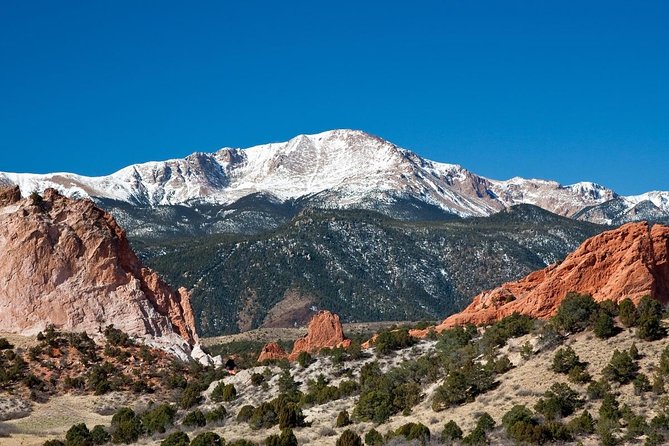
This is limited to 14 travelers, so you’re not lost in a crowd. On a clear day, the guides (I’ve seen names like Spencer, Nick, Kenzie, Michael, Eric, Luke, Marcel, Mike, Kate, Delaney, Mark, and Ty) slow down when it matters and speed up when it’s safe. That balance helps you focus on the ride, the views, and the fun facts your guide shares.
The big practical win: the day is structured so you get sweeping views without needing to figure out timing, parking, or route puzzles. I also like that the tour keeps stops purposeful—picture breaks happen, not random long delays.
Key Things I’d Bet You’ll Like
- Summit access is included via admission on the Pikes Peak Highway, so you can focus on the ride instead of logistics.
- Five life zones on one descent, with your guide leading so you know what you’re seeing.
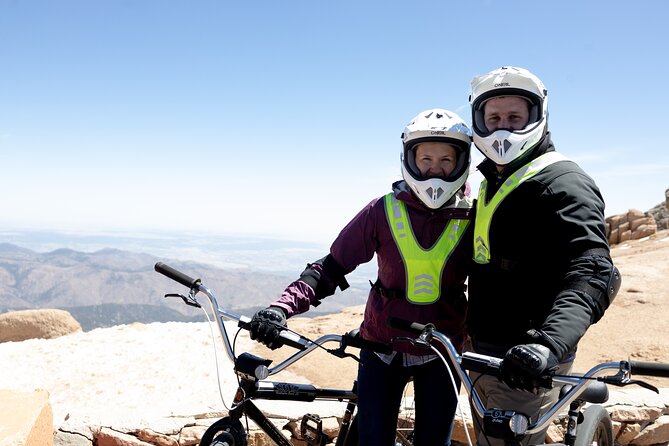
- Safety gear is part of the experience, including full-face helmets, knee/elbow pads, and gloves.
- Small-group limit of 14, which makes the pacing and photo stops feel personal.
- Clear-weather views can be spectacular, and the guides are ready to adjust when conditions are different.
- Warm jacket, water, and snacks help you deal with the cold and the high-altitude start.
You can also read our reviews of more tours and experiences in Colorado Springs.
Entering The Ride: How the morning sets you up
The tour starts at 7:30 am, meeting at 1501 W Colorado Ave, Colorado Springs, CO 80904. That early start matters at Pikes Peak. The summit area can shift quickly with temperature and wind, and getting going early gives you the best chance to catch good light while the day’s weather is still behaving.
The total time is about 6 hours 30 minutes. That’s long enough to feel like an outing, not a quick stunt, but not so long you’re trapped for a full day. You’ll spend the bulk of the time on the highway descent and guided stops, with the day structured around keeping the group together.
You’ll also use a mobile ticket, so you can keep things simple on your phone and not worry about paper or printer issues.
From “America’s Mountain” to the downhill: What happens at the summit
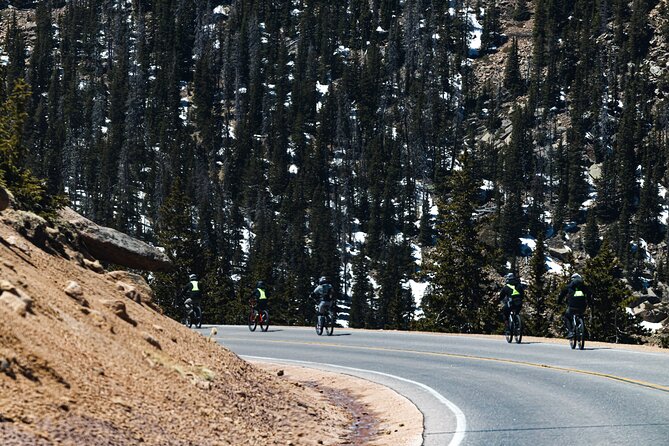
Your main summit stop is Pikes Peak – America’s Mountain. This is where the day’s tone changes. At elevation, everything feels sharper—cold hits faster, your breathing works a bit harder, and the views have that huge, blank-space feeling that makes you understand why people talk about this mountain like a landmark.
You’re not just showing up and starting to ride. The tour is guided, so there’s time built in for getting set up and getting your bearings. Guides also handle the transition from “standing on a summit” to “rolling on a steep descent,” which is the part many first-timers worry about.
If the weather is clear, you’ll get a visual reward right away. One rider called out the advantage of a cloudless day and how the views looked amazing. If the weather isn’t perfect, the tour still has to be safe and controlled, so it’s smart to treat the day as a shared plan, not a guaranteed photo shoot.
The Safety System: What makes this ride feel under control
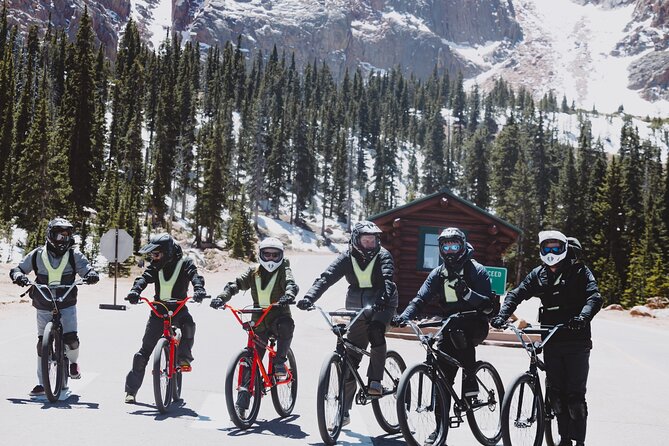
The most consistently praised part of this tour is the attention to safety. People rave about how attentive the hosts are to details, and the gear matches that message. You’ll see setups like full-face helmets, plus knee and elbow pads and gloves. You may also get a warm jacket, and in colder conditions, that can make the difference between tolerating the summit chill and actually enjoying it.
I like how this turns a risky-sounding idea into something approachable. The ride is guided at a steady pace, with the group shepherded down together. That matters because speed on a steep road isn’t the same as speed on a flat bike path.
A few other practical notes from rider experiences:
- Guides make picture stops along the way, but they do it in a way that keeps the group together.
- Many riders explicitly mention feeling safe, not scared, and that the ride feels exhilarating instead of chaotic.
- Clear communication is part of the setup, and riders highlight guides who keep things smooth from introductions through departure.
Also, here’s the plain truth: the full-face helmets are there for a reason. Even if you consider yourself steady on a bike, you’re still rolling downhill at an altitude and on a serious grade. This isn’t the place to “wing it.”
Biking Through Five Life Zones: Why the scenery changes so much
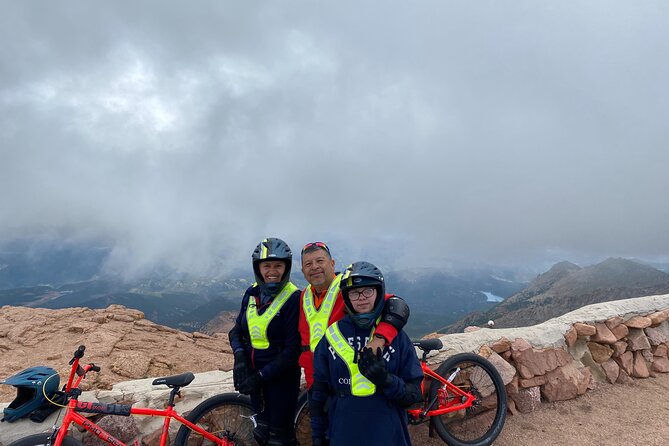
One of the coolest claims here is that you’ll bike through five separate climactic life zones. That’s not just marketing wording. Even if you’re not a geology or botany nerd, you’ll likely feel the changes—temperature, vegetation, and how the land looks can shift as you descend.
Why this matters for you:
- You won’t just see one “mountain scene.” The ride gives you multiple looks back toward Colorado’s layered elevations.
- It keeps the ride mentally engaging. You’re not staring at the same view for hours; your guide helps you notice what’s changing.
- It’s a great way to understand the mountain as a system, not a single postcard.
Your guide leads the way, which helps because life-zone transitions aren’t always obvious at speed. The guide’s role is basically translation: they help you connect what you’re seeing with why it looks that way at this altitude.
If you’re the type who likes learning without slowing the fun, this format works well. People mention guides sharing lots of fun facts, and that kind of information gives you something to think about while your legs do their job.
The Route Experience: Views, photo breaks, and downhill rhythm
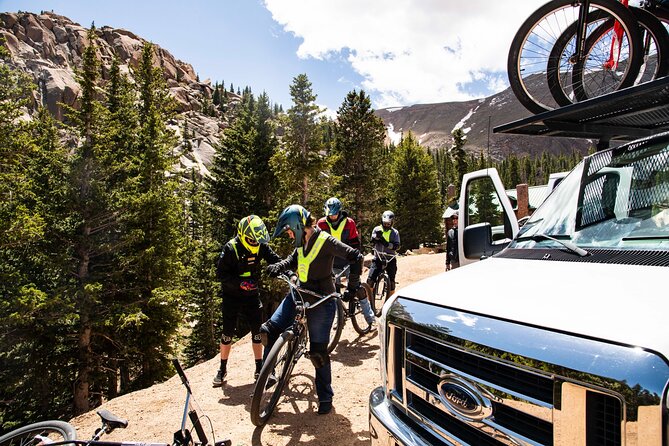
You’re riding down the Pikes Peak Highway, and that’s the heart of the experience. The highway setting brings sweeping panoramas and long sightlines, which is why the views can feel almost cinematic when the weather cooperates.
Your day includes stops along the way for amazing pictures. These breaks matter more than people expect. When you’re focused on the mechanics of downhill biking, you can miss the view. A planned stop lets you re-center, take photos, and enjoy what you’ve earned.
What I’d watch for in the rhythm:
- The pace is meant to be steady and safe, not a race.
- Your focus shifts between looking ahead and checking your speed and braking.
- The guides keep the group synchronized, so you’re never left wondering what’s next.
And yes—altitude makes everything feel more intense. People talk about the thrill of going down from over 14,000 feet. That’s a big jump to wrap your head around, and the route does a good job of making it feel like a connected experience, not just an extreme number.
Cold at the top: What to wear (and what to stop pretending)
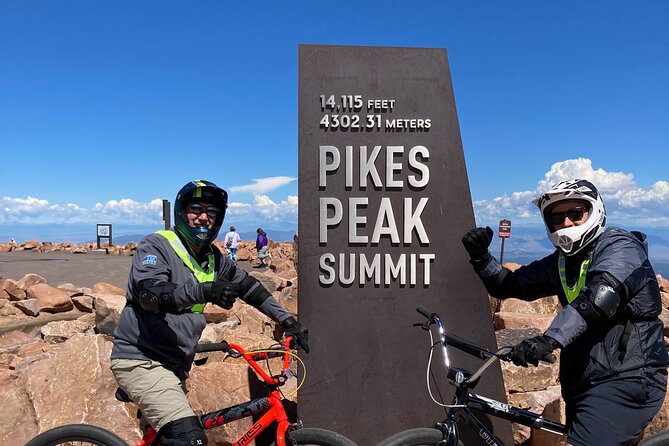
Layering is not optional here. Even riders who expected a great day mention the cold at the top and recommend you bring layers. The summit start can feel sharp and chilly, and with wind, it can go from “fine” to “why is my face cold” fast.
The tour may provide a warm jacket, which helps, but I still think you should dress like you’re going to be outside at elevation for a while. Think layers you can move in. Avoid bulky stuff that makes biking awkward.
If you’re coming from a warmer climate, don’t ignore hydration and altitude. One rider suggested drinking plenty of water a couple days ahead to handle the elevation change. I’d echo that. Even if you’re in good shape, your body can still feel the altitude on Day 1.
Practical gear ideas that won’t complicate your day:
- Wear gloves you can grip in.
- Plan on secure layers that won’t shift as you bike.
- Bring something simple for warmth if you run cold easily, even if gear is provided.
For Who This Works Best: Abilities, fitness, and bike comfort
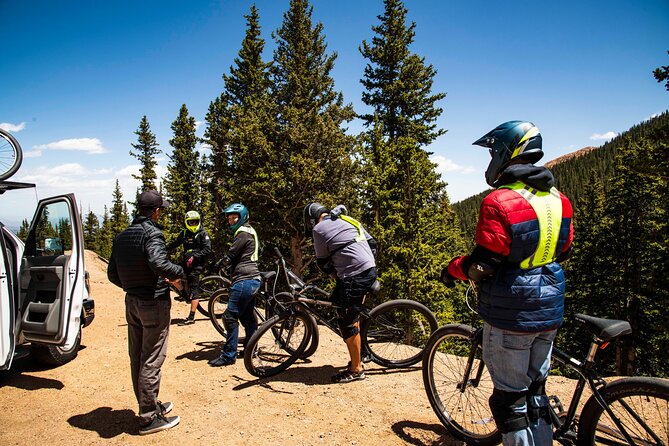
This tour is described as ideal for most abilities, but with a key caveat: you need some biking experience, and you should have moderate physical fitness.
Here’s how I interpret that as your decision guide:
- If you’re comfortable riding a bike downhill at speed on pavement, you’ll likely feel confident.
- If you’ve mostly ridden flat paths, this could still work, but you’ll want to commit to the safety gear and follow your guide’s pace without testing your limits.
- If you don’t feel steady braking or controlling speed, take that seriously. The tour is thrilling, but it’s still downhill at altitude.
Weight matters too. The strict restriction of 90–250 lbs is a big deal. It’s there to help ensure the bikes, safety gear fit correctly, and the ride stays safe for everyone.
The group size of 14 helps in another way: you’re close enough to the guide to get help if you need it, without feeling like you’re holding up a huge crowd.
Value That Adds Up: Why this tour feels like a complete experience
Even without discussing a price tag, you can judge value by what’s included and how the day flows.
This tour stacks value like this:
- Admission on the Pikes Peak Highway is included, which removes one major “extra cost” headache.
- You get real safety gear: full-face helmets, pads, and gloves.
- You’re offered water and snacks, which matters when you’re high up and moving.
- A guide leads you through five life zones, and people highlight how guides share fun facts and keep stops organized.
Limited group size is also value. Less crowding means more attention, smoother transitions, and better chance your questions get answered without a rush.
If you’re trying to pick the top thing to do at Pikes Peak, this makes sense because it hits the most exciting part—descending from the summit—without requiring you to build a plan from scratch.
Who Should Book This Pikes Peak Downhill Ride
I think you should book if:
- You want one of the most adrenaline-charged experiences in the region, but with safety taken seriously.
- You like guided adventures where you can enjoy the view instead of worrying about navigation.
- You’d rather ride with a small group than manage the whole day alone.
It might not be the best fit if:
- You don’t meet the 90–250 lbs weight limit.
- You don’t have moderate fitness or you’re uncomfortable on a bike.
- Cold weather bothers you a lot, and you don’t plan to layer up (even with a jacket offered).
Also, if you’re traveling with family or a mixed-age group, this can work well because the group experience stays controlled. Riders have described family groups spanning teens through older adults and calling it a highlight.
Should You Book This Tour?
If your goal is a once-in-a-trip-day that feels both exhilarating and well-run, I’d say this is a strong pick. You’re getting summit access, a guided downhill, safety gear, and the kind of scenery change you can’t replicate with a simple drive.
My final advice: plan to dress for summit cold, hydrate with the elevation in mind, and ride within your comfort level. If you do that, you’ll likely feel the best part—turning a scary-sounding “down from the top” idea into an experience you actually want to repeat.
FAQ
How long is the Pikes Peak Summit Downhill Bike Tour?
The tour lasts about 6 hours 30 minutes.
What time does the tour start, and where is the meeting point?
The tour starts at 7:30 am. The meeting point is 1501 W Colorado Ave, Colorado Springs, CO 80904, USA.
Is admission on the Pikes Peak Highway included?
Yes. Admission on the Pikes Peak Highway is included.
Does the tour include safety gear?
You’re provided with safety gear such as full-face helmets, knee/elbow pads, and gloves, and you may also receive a warm jacket.
What are the weight restrictions?
There is a strict weight restriction of 90–250 lbs.
What happens if weather is poor?
This experience requires good weather. If it’s canceled due to poor weather, you’ll be offered a different date or a full refund.