REVIEW · ICELAND
Vatnajokull: Skaftafell Glacier Hike
Book on GetYourGuide →Operated by Guide to Iceland · Bookable on GetYourGuide
That blue ice looks unreal, then you’re on it. This guided Skaftafell Glacier Hike in Vatnajökull National Park turns a scary idea into a well-run, hands-on adventure. Two things I really like: you get proper certified glacier-guides with safety gear, and you come away with a clear sense of how Vatnajökull moves and why climate change matters.
I also love that the hike hits the highlights without dragging on all day. You’ll walk across ancient ice, see sparkling blue ice and deep crevasses, and enjoy panoramic views of mountains and icefields. The main drawback to think about is that walking on glacier ice takes a decent baseline fitness and it’s not suitable for everyone, including people with heart problems or mobility impairments.
In This Review
- Key Moments That Make This Hike Worth It
- Entering Vatnajökull Through Skaftafell’s Glacier-Hike Mindset
- Fosshotel Glacier Lagoon: A Meeting Point That Keeps Things Simple
- Safety Gear and the Short Lesson That Makes the Ice Feel Manageable
- Walking on Blue Ice: Crevasses, Moulins, and Ridgelines
- The Glacier Story You’ll Actually Understand
- Panoramic Views: What to Look For (and How to Photograph It)
- Fitness Check: Who This Hike Fits Best
- Price and Value: Is $97 a Good Deal for Ice Time?
- What to Bring (So You Don’t Spend the Whole Tour Miserable)
- Guide Quality Matters: David, Stone, and The Rock
- Should You Book the Vatnajökull: Skaftafell Glacier Hike?
- FAQ
- How long is the Skaftafell Glacier Hike?
- Where do I meet the guide?
- What’s included in the price?
- What should I bring with me?
- Is the tour suitable for everyone?
- Is the tour run in English?
Key Moments That Make This Hike Worth It
- Certified glacier guides who coach you on safe footing and equipment right from the start
- Crampons, helmet, and ice axe included, so you’re not hunting gear or guessing fit
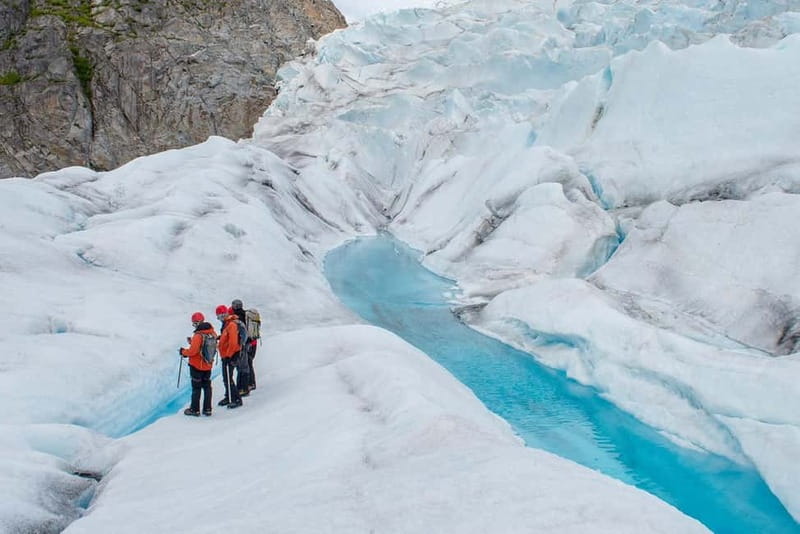
- Blue ice + deep crevasses, plus formations like moulins and towering ridges
- Clear glacier lessons on formation, movement, and the effects of climate change
- Panoramic mountain/icefield views you’ll want your camera for
- A route that stays doable because it’s built for beginners and experienced hikers
Entering Vatnajökull Through Skaftafell’s Glacier-Hike Mindset
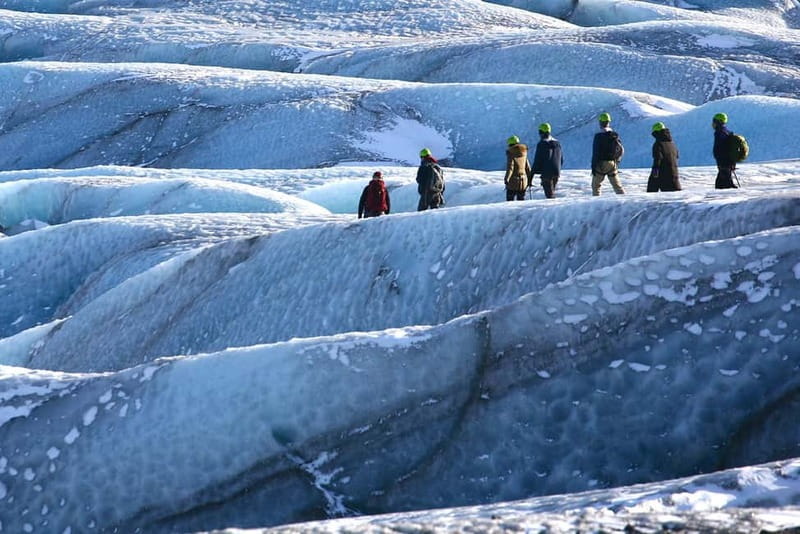
This is one of those Iceland experiences where the scenery isn’t the only payoff. Yes, you’re walking on Vatnajökull, Europe’s largest glacier, but the real value is how the guide makes the place feel understandable. When you know what you’re looking at—blue ice, cracks, ridges—everything sharpens up fast.
The route is timed to a comfortable 3 hours, which helps if you’re planning a full day in the area. You get enough time to be out on the glacier and learn the key features, without turning it into an all-day endurance event.
You can also read our reviews of more tours and experiences in Iceland.
Fosshotel Glacier Lagoon: A Meeting Point That Keeps Things Simple
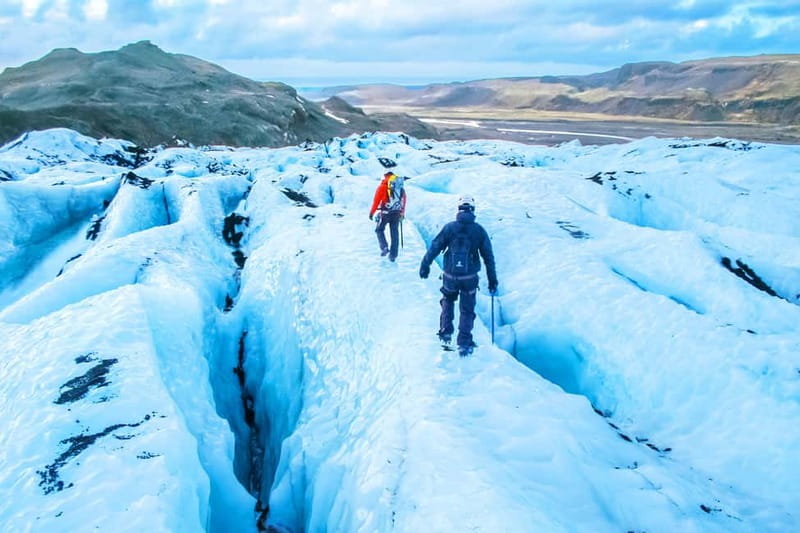
You meet the guide outside Fosshotel Glacier Lagoon. That matters because it keeps the start straightforward: you show up, check in, get your gear, and move as a group.
Arrive about 15 minutes early so you’re not rushed. That little buffer helps because part of the experience is a quick safety intro and a lesson in using the equipment.
Safety Gear and the Short Lesson That Makes the Ice Feel Manageable
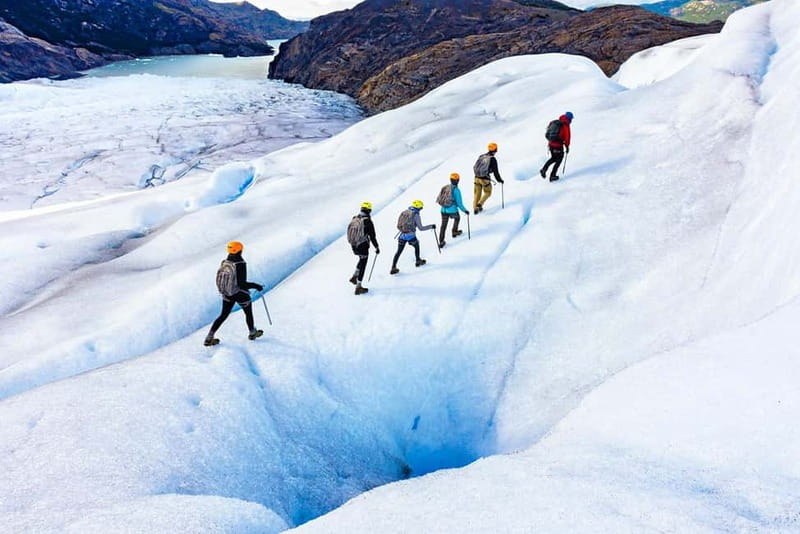
Before you step onto the glacier, you’ll get a warm welcome and a brief safety introduction. Then you’ll be fitted with the safety equipment: crampons, a helmet, and an ice axe. For many first-timers, this is the moment where the adventure stops feeling like a risk and starts feeling like a skill.
Once the gear is on, the guide teaches you how to move and what to pay attention to. The reviews hint at this repeatedly: the best guides don’t just point and talk, they actively watch each person and help you tackle the hike with confidence. If you’re nervous about traction or balance, that coaching is exactly what you want.
From there, you’ll take a short scenic walk to the glacier edge. Think of this as the “warm-up” phase: you’re outside, you’re feeling the wind and cold, and then you transition from rock-and-snow to ice underfoot.
Walking on Blue Ice: Crevasses, Moulins, and Ridgelines
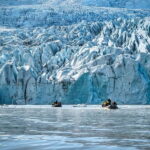
This is the part people remember. Once you’re on the ice, you’ll see sparkling blue ice, deep crevasses, and towering ridges. The color is one of those things you don’t fully believe until you’re standing there—ice that looks almost painted by light.
Your guide will also point out other natural ice features like moulins (ice shafts) and the kinds of shapes glacier ice forms over time. Seeing these in person gives you a better mental map of how the glacier is “working,” not just sitting there like a frozen wall.
Crevasses can look random from a distance, but up close you realize they’re part of a bigger system. You’re not expected to become a glaciologist, but you are guided to look with intent.
The Glacier Story You’ll Actually Understand
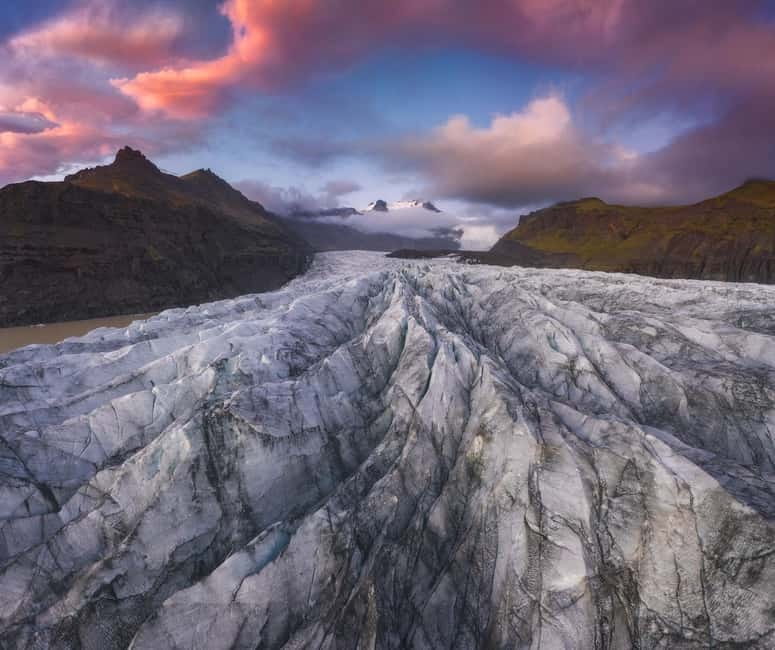
A big part of why this tour is worth the price is the learning. Your guide shares how Vatnajökull glaciers form, how the ice moves, and what’s happening because of climate change.
This is where you get real context for the visuals. Blue ice isn’t just pretty; it’s linked to how ice compacts and evolves. Ridges and cracks aren’t just dramatic; they reflect stress and motion across the glacier.
Guides make these lessons practical. You’re standing on the evidence while you learn, which means the facts stick. A review even notes that the guide made the daunting task of walking across a glacier feel easy, largely because the information was taught clearly and the pace stayed under control.
Panoramic Views: What to Look For (and How to Photograph It)
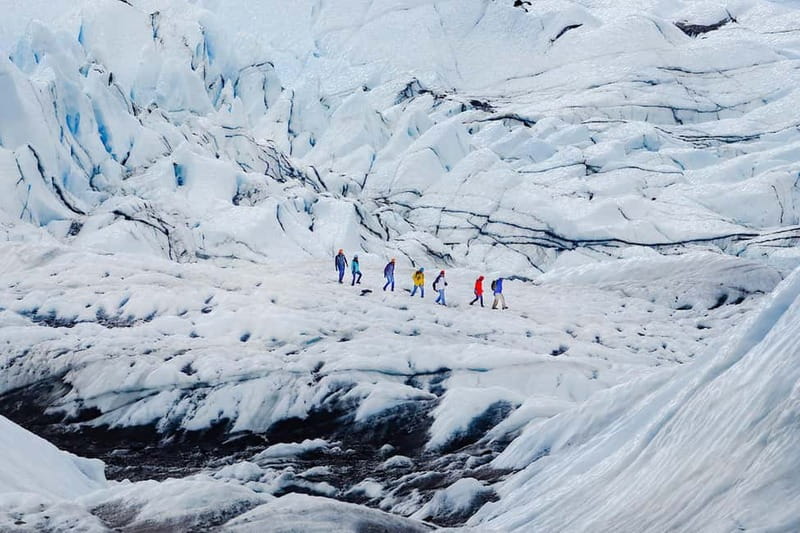
You’ll get panoramic views over the surrounding mountains and icefields, and you’ll see the glacier’s scale in a way that’s hard to capture from viewpoints. On a hike like this, perspective changes with each step. That’s why photos can come out surprisingly good: you’re not just framing from one fixed spot.
For photos, don’t just shoot the obvious wide view. Also aim to capture the ice textures your guide points out—blue layers, cracks, and the stark contrast between ice and shadow. Those details are the “why” behind the big vistas.
If the weather shifts (and in Iceland it often does), the lighting can change quickly. Layers help you stay out there comfortably long enough to catch those changes.
Fitness Check: Who This Hike Fits Best
This 3-hour glacier hike works for both beginners and experienced hikers, but “beginner-friendly” doesn’t mean casual. You are walking on ice with crampons and you need to be in good health and physical condition.
The tour isn’t suitable for:
- Pregnant women
- People with mobility impairments
- People with heart problems
If any of those apply, you’ll want to look for a different glacier experience. The point isn’t to scare you—it’s to keep expectations safe and realistic. Glacier walking demands coordination, balance, and steady movement.
Price and Value: Is $97 a Good Deal for Ice Time?
At $97 per person, this is priced like a guided, gear-included activity—because that’s what it is. Your cost covers:
- A certified glacier guide
- Safety equipment (crampons, helmet, ice axe)
- A brief safety introduction
- Fees and taxes
What’s not included is transportation to Skaftafell and food and drinks. So you’ll still budget for getting yourself there and staying fueled.
In my view, the value is strongest because you’re paying for two things at once: expert guidance and the gear. Renting crampons or arranging glacier-safe instruction separately would likely cost more and add stress. Here, the guide handles the safety basics and the glacier education, which turns the time into a “use your money well” kind of trip.
What to Bring (So You Don’t Spend the Whole Tour Miserable)
You’ll be outside in changing weather, so dress for cold and wet. Bring:
- Warm clothing (dress in layers)
- Camera
- Hiking shoes
- Water
Layers are key because glacier hikes can be chilly at the start and then surprisingly active once you’re moving. If you get too warm, you’ll be uncomfortable; if you’re underdressed, you’ll feel it fast when you pause near the ice features.
Also note the rule: smoking isn’t allowed.
Guide Quality Matters: David, Stone, and The Rock
The reviews strongly suggest that guide behavior makes or breaks this kind of hike. Names showing up include David and a guide people recommended calling Stone (also described as The Rock). What stands out is the theme of hands-on support—watching each person, helping you manage the hike, and giving lots of glacier information that makes the ice feel less intimidating.
That’s exactly what you want when the environment is unfamiliar. A great guide turns fear into focus. You’re still respecting the glacier, but you’re also learning how to move through it.
Should You Book the Vatnajökull: Skaftafell Glacier Hike?
Book it if you want a guided walk that balances awe with instruction. If you’re the kind of traveler who likes learning what you’re seeing—formation, motion, and climate change effects—this tour has the structure to make it click.
Skip it if you can’t meet the safety and health requirements, or if walking on glacier ice isn’t something you feel prepared for. And if you’re tight on time in Iceland, the 3-hour format is actually a plus because it fits into a day without swallowing it.
I’d recommend this for first-time glacier walkers who want confidence-building guidance, not just a quick look at ice from a distance.
FAQ
How long is the Skaftafell Glacier Hike?
It’s a 3-hour guided glacier hike.
Where do I meet the guide?
The guide meets you outside Fosshotel Glacier Lagoon.
What’s included in the price?
The tour includes a certified glacier guide, a brief safety introduction, and safety equipment (crampons, helmets, and ice axes), plus fees and taxes.
What should I bring with me?
Bring warm clothing, hiking shoes, water, and a camera.
Is the tour suitable for everyone?
No. It’s not suitable for pregnant women, people with mobility impairments, or people with heart problems.
Is the tour run in English?
Yes, the live tour guide speaks English.