REVIEW · REYKJAVIK
Reykjavík: Sólheimajökull Glacier Hike & Ice Climbing Intro
Book on GetYourGuide →Operated by Arctic Adventures · Bookable on GetYourGuide
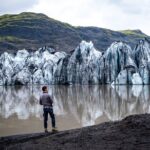
That blue ice looks unreal.
This Sólheimajökull glacier hike plus optional ice-climbing intro takes you past ordinary walking and into crevasses, ice formations, and ridges, led by certified guides and built around safety gear that actually fits the job. You’ll either meet at the glacier base or get picked up from Reykjavík, with classic waterfall stops if you choose the full day version.
Two things I really like: first, the small group size (up to 8) keeps the pace calm and gives you real coaching time, not a rushed assembly line. Second, the guides focus on technique you can use right away, with patient instruction that helps even first-timers climb their first ice wall without feeling thrown in at the deep end.
One consideration before you book: this is physically demanding cold-weather adventure. If you show up in the wrong footwear, run out of warm layers, or expect it to be easy, you’ll feel it fast on the ice.
In This Review
- Key points worth knowing
- Why Sólheimajökull is such a great glacier for your first go
- Small-group pacing on the ice (up to 8): why it feels more personal
- Safety gear and fit: crampons, helmet, harness, ropes
- The South Coast warm-up: Seljalandsfoss and Skógafoss before the glacier
- What the glacier hike actually feels like on your way in
- Learning to climb: the ice axe, the wall, and the technique
- How the tour’s timing works (and why duration varies)
- Transportation from Reykjavík: helpful pickup, long drive, high satisfaction
- What to pack so you stay warm and steady
- Price and value: why $203 can be worth it here
- Who should book this Sólheimajökull hike and ice-climbing intro
- Before you go: the few things that can make or break your day
- Should you book this glacier hike and ice-climbing intro?
- FAQ
- Where do I meet for the glacier portion?
- Is ice climbing included or optional?
- Do I need prior ice-climbing experience?
- What gear does the tour provide?
- What footwear do I need to bring?
- Can I rent boots or outerwear?
- What are the age and shoe requirements?
- Are round-trip transfers from Reykjavík included?
- How big is the group?
Key points worth knowing
- Up to 8 people means more hands-on time with the gear and the climbing technique
- Optional ice-climbing intro with no prior experience required
- Certified glacier safety briefing plus pro equipment like crampons, harness, ropes, and ice axe
- Full-day option pairs the glacier with South Coast icons (Seljalandsfoss and Skógafoss)
- Strict shoe rules: crampons cover EU sizes 35–50, and ankle-support boots are mandatory
Why Sólheimajökull is such a great glacier for your first go
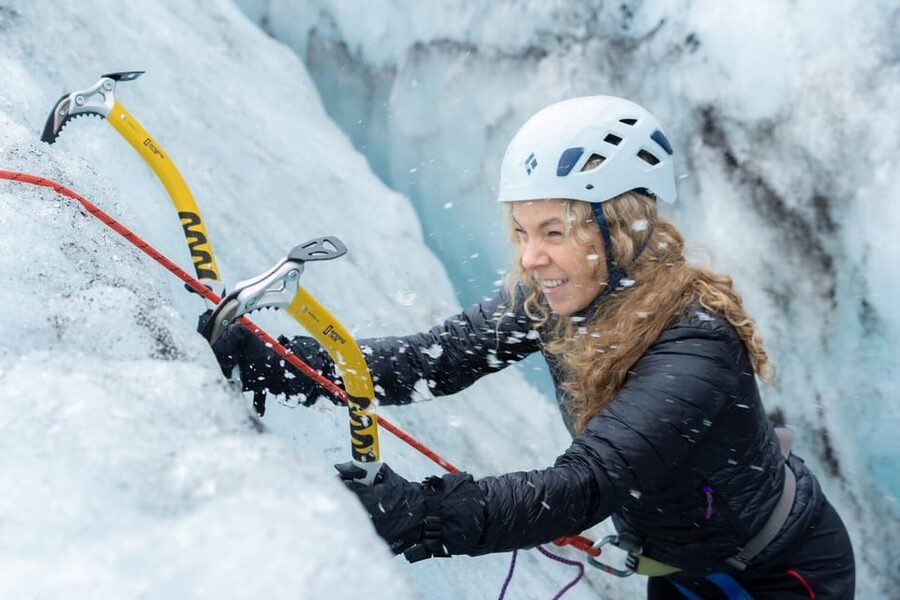
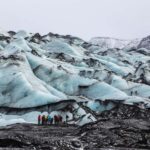
Sólheimajökull is a glacier tongue with constantly shifting ice shapes, so the scenery has that constantly-moving feel even when you’re standing still. On a good day, you’re walking over textured ice, stepping around ridges, and seeing the glacier’s colors shift from pale to deep blue as the light hits.
What makes it especially good for beginners is the way the experience is structured: you don’t just “arrive and climb.” You hike in, get geared up, and are shown how to move safely on ice before you tackle an actual ice wall. That order matters when you’re trying not to fight your balance.
You’ll also get close enough to understand how glaciers work. The guided portion is built around crevasses and natural routes on the ice, so you’re learning in real conditions, not just watching from the sidelines.
You can also read our reviews of more tours and experiences in Reykjavik.
Small-group pacing on the ice (up to 8): why it feels more personal
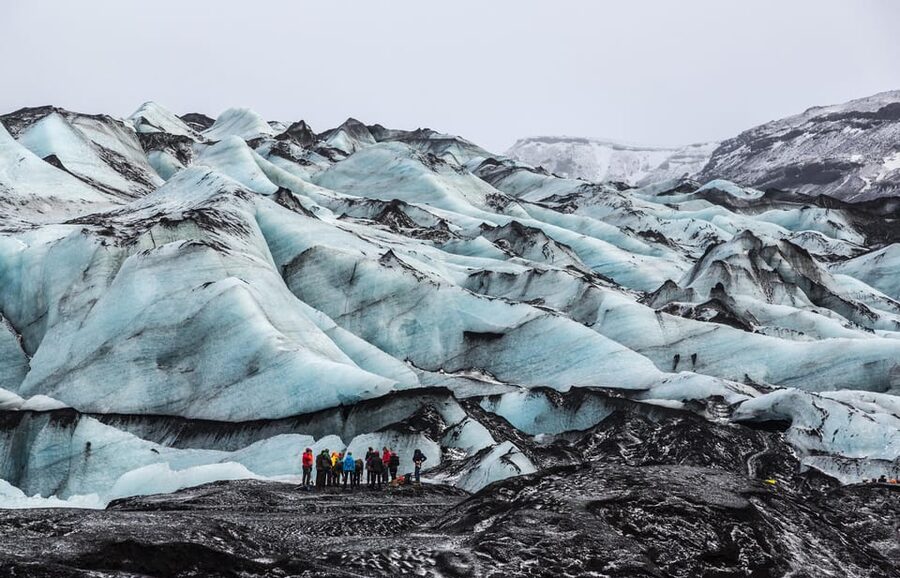
This is a small group tour, limited to 8 participants, and that directly affects how the day goes. Fewer people means the guide can fit crampons properly, check harness setup, and spend time coaching your stance and steps.
In practice, you’ll often get multiple chances to try climbing moves rather than one short go and then waiting. Some groups even report getting more than one climb session depending on time and comfort level, with guides adjusting the plan to each person’s ability.
I also like that the guides bring a calm, safety-first vibe. People have shared that guides stayed patient when nerves showed up, and that they explained what to do in plain language while keeping the atmosphere fun. When you’re on ice, that combination is gold.
Safety gear and fit: crampons, helmet, harness, ropes
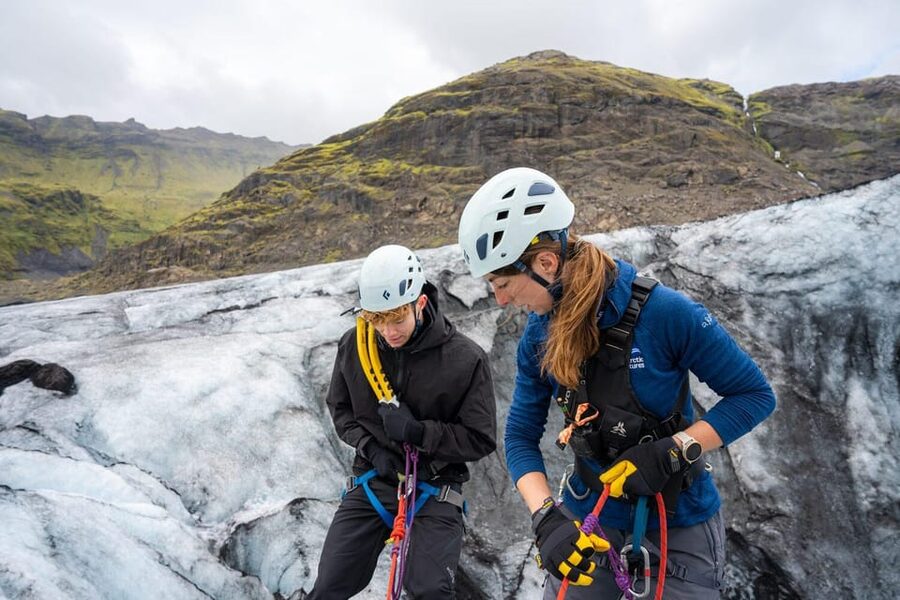
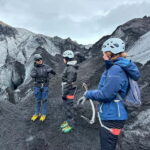
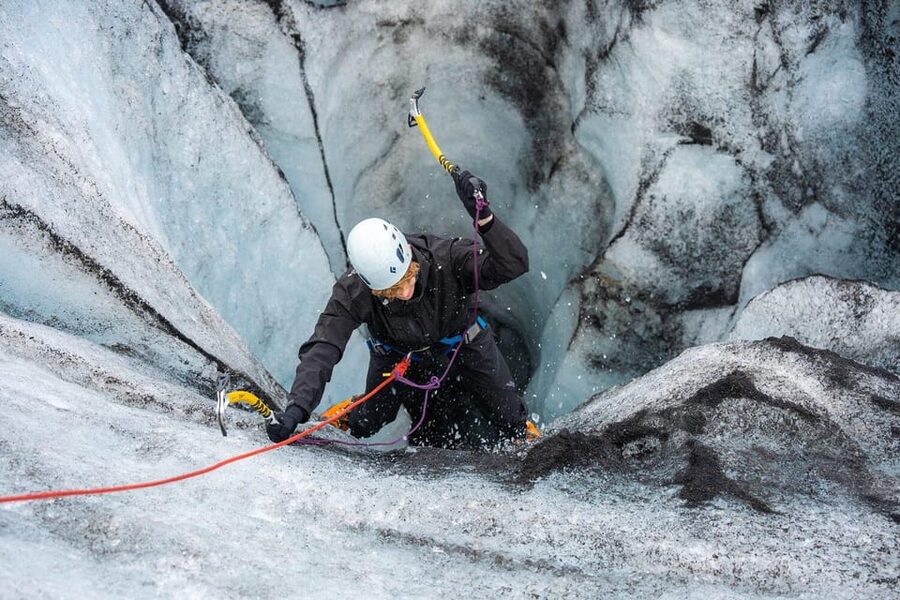
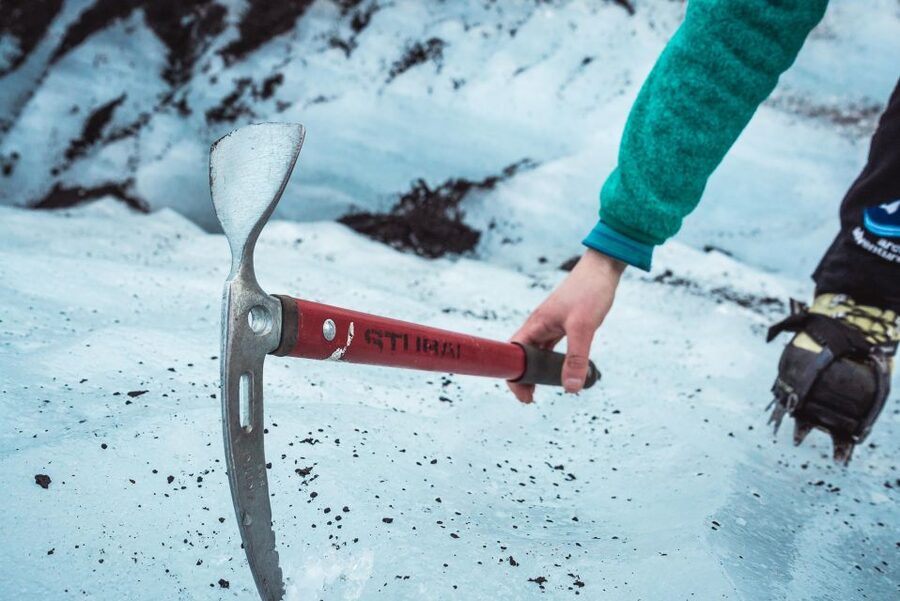
This experience is built around professional equipment, including glacier crampons, a helmet, a harness, an ice axe, and ropes. The guide fits your gear as part of the process, which is exactly what you want—wrong fit is how your confidence gets shaky fast.
The tour also includes a safety briefing before you step onto the glacier. That matters more than people expect. Ice climbing is part physical skill and part “don’t panic” decision-making, and the briefing sets the tone so you know what’s coming.
Here’s the part you should take seriously: crampons only work for EU shoe sizes 35–50. If your shoe size is outside that range, you won’t be able to participate. The tour also sets a minimum age of 14, a minimum shoe size of 35 EU, and it’s not suitable for pregnant women or people with mobility impairments.
And yes, your shoes matter: you’re required to wear hiking boots with ankle support. Open-toed shoes and high-heeled shoes are not allowed, and the wrong footwear can turn the day into a cold, wobbly fight.
The South Coast warm-up: Seljalandsfoss and Skógafoss before the glacier
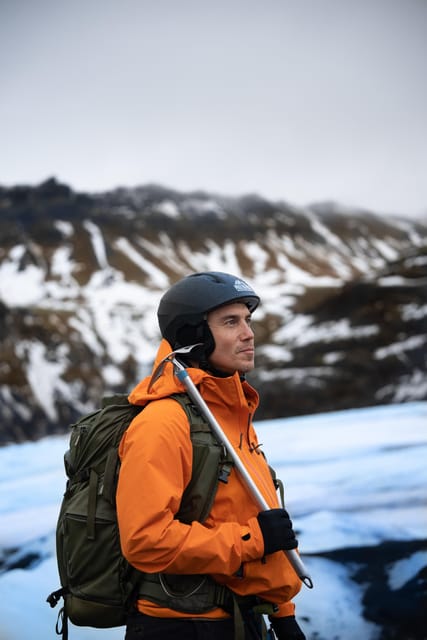
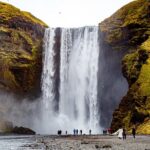
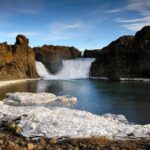
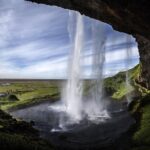
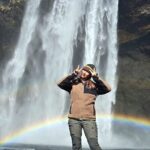
If you choose the full-day Reykjavík option, you don’t just go straight to the glacier. You’ll make photo stops at Seljalandsfoss and Skógafoss, with short guided time and walks.
Seljalandsfoss gets about 25 minutes, and Skógafoss about 30 minutes, plus scenic views on the way. This is a smart add-on because it breaks up the day and gives you two iconic Iceland moments before you’re dealing with crampons and cold ice logistics.
A practical note: waterfalls mean you should expect spray. Bring warm, waterproof layers, because getting soaked on a windy day can feel like the temperature drops in real time. Some people plan ahead by packing extra protection beyond a thin jacket, and it helps a lot.
Seasonal daylight also plays a role. In winter, you’ll be working with shorter daylight hours, so you’ll want to stay flexible and not judge the day by the clock too tightly.
What the glacier hike actually feels like on your way in
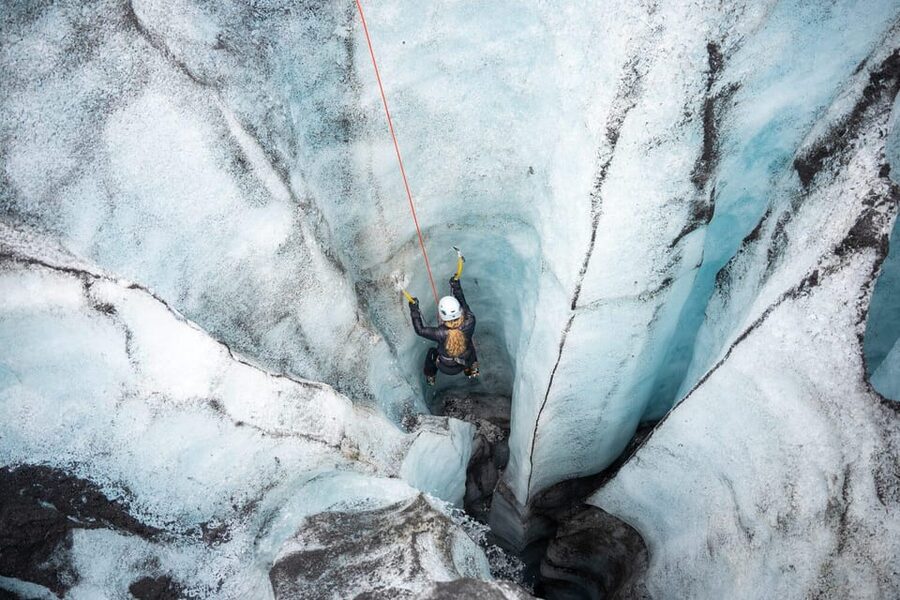
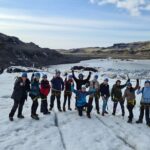
Once you reach Sólheimajökull, the day switches from “I’m sightseeing” to “I’m walking on a living surface.” You’ll explore the terrain with your certified guide, moving across ice formations and navigating jagged ridges.
The hike portion isn’t random wandering. It’s about safe route-finding and getting you comfortable with how the ice behaves under your feet. Expect crevasses and uneven ground patterns that make crampons feel like a big upgrade from regular shoes.
You’ll also get a taste of the glacier’s scale. People often describe the glacier as looking like another world, which is believable once you’re surrounded by that immense blue ice and the way it changes with the angle of sunlight.
If you’re worried about fitness: the experience is doable for people with fair shape who have a sense of adventure, as long as you move at the pace the guide sets and you dress for cold properly.
Learning to climb: the ice axe, the wall, and the technique
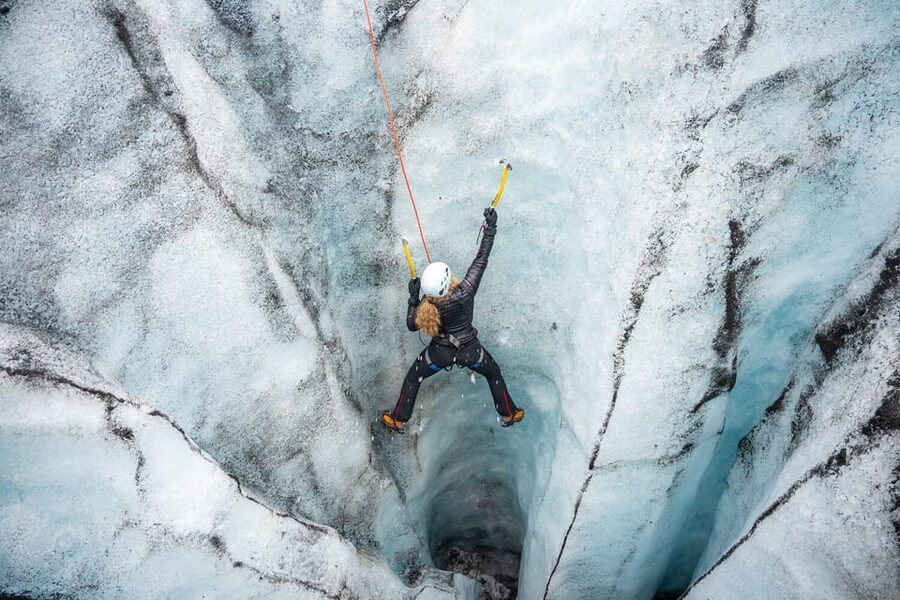
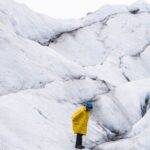
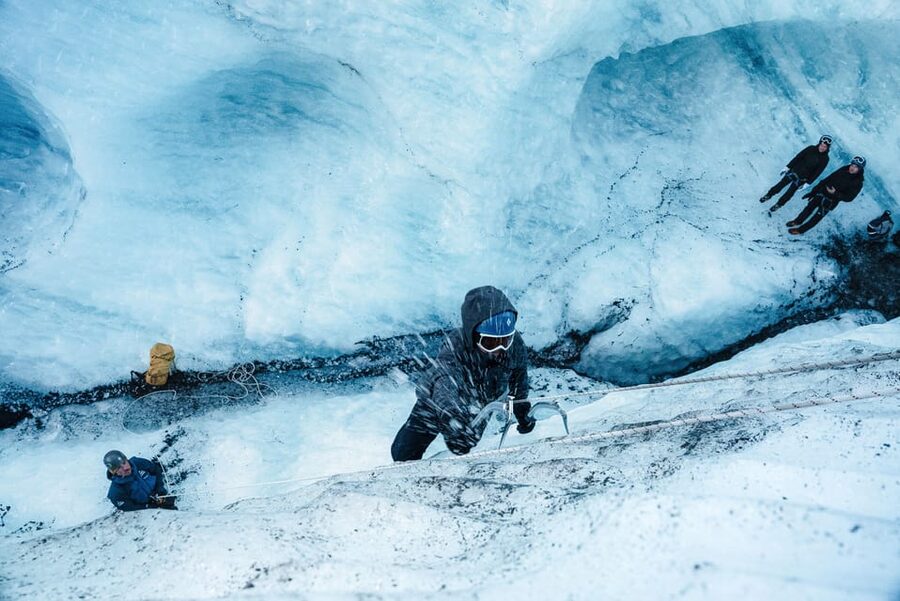
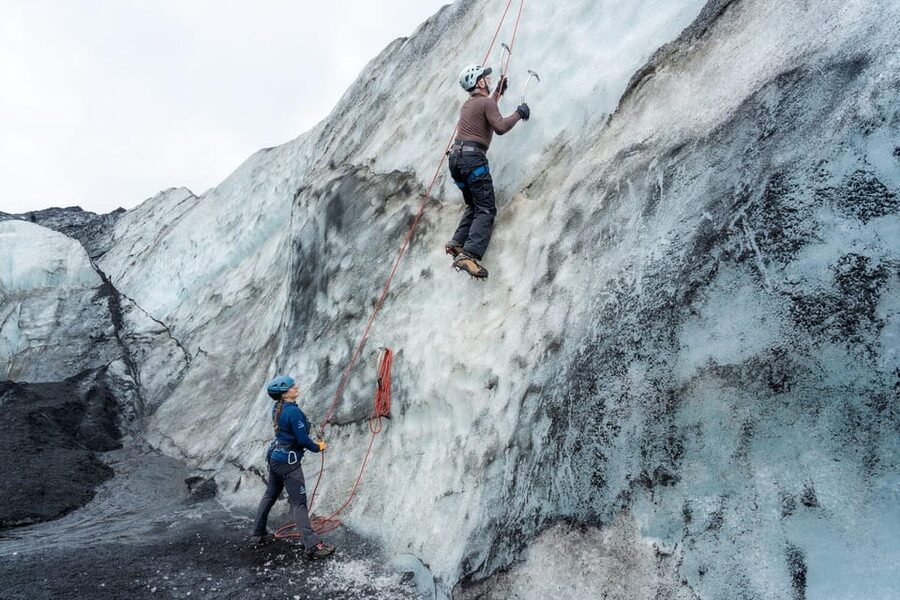
The optional ice-climbing intro is designed for first-timers. You’ll learn how to use an ice axe and basic technique to ascend a natural ice wall—no prior experience required.
The key is that it’s taught step-by-step. You’re not just handed an axe and told to figure it out. Guides typically show your body position, foot placement, how to handle the axe safely, and how to move one decision at a time.
This is also where you’ll feel the balance between thrill and training. The wall is exciting, but it’s not chaotic. The guide stays close, manages safety, and keeps the instruction focused so you can actually enjoy trying rather than just surviving.
Some groups go beyond the basics with additional climbing moments, and a few reports mention advanced-feeling elements like repelling/abseiling into ice formations. That doesn’t mean every session runs the same, but it does show that the guides know how to tailor the climbing to what time and conditions allow.
How the tour’s timing works (and why duration varies)
The activity lists a wide range for duration: 4.5 to 11 hours. The length depends on which version you pick and how your day flows from Reykjavík to the glacier and back.
Full-day versions add the South Coast stops and the longer drive time. The half-day meet-on-location option is shorter because you remove Reykjavík transportation and focus on the glacier portion.
Either way, plan for a long day outside. Even if you’re “just” hiking, you’re on ice with wind and cold air, and that fatigue adds up faster than you expect.
Transportation from Reykjavík: helpful pickup, long drive, high satisfaction
You have two ways to handle getting there:
- From Reykjavík (full day): round-trip transport is included, and you also get those waterfall stops.
- Meet on location (half day): go directly to the glacier parking lot.
Pickup is offered from select Reykjavík points, and the pickup process can take up to 30 minutes, so build in patience. The list of possible drop-off points is long, which usually means you don’t get dumped far from your area in the end.
The transport also seems to be taken seriously: 87% of passengers gave transport a perfect rating. That’s a good sign for a day where the schedule depends on the bus running smoothly through weather and road conditions.
And remember: food and drinks are not included. If you want energy for the climb, bring snacks you can eat on the way or during pauses.
What to pack so you stay warm and steady
The tour is very clear about what you should bring: hiking shoes (with ankle support) plus warm layers. You’ll be outdoors for hours, and you’ll want gear that handles both cold and rain or spray.
Bring:
- A warm, waterproof jacket and pants
- Headwear and gloves
- Your hiking boots with ankle support
- Layers you can adjust when you’re moving and when you stop
Also, the tour notes that outerwear and hiking boots can be rented for a fee. Many people underestimate boots comfort until they’re standing in crampons on ice, so renting can be a practical fix if you don’t have the right footwear.
One more important reality check: people talk about numb hands/toes in winter if they only pack one thin layer. If your baseline is that you get cold easily, plan to overpack gloves and warmth rather than hope.
Price and value: why $203 can be worth it here
At $203 per person, you’re not just paying for a scenic walk. You’re paying for certified glacier guiding plus serious climbing safety equipment: crampons, helmet, harness, ice axe, ropes. That gear is expensive, and it’s part of what makes the experience feel controlled and safe.
You’re also paying for the infrastructure that lets you do this as a day trip—especially if you choose the Reykjavík option. When the full day includes transport and South Coast waterfall stops, the price starts to make even more sense as a bundle.
Then there’s the small-group value. Up to 8 people means less waiting, more coaching attention, and more chances to try the climbing safely. For many first-timers, that coaching time is the difference between enjoying it and feeling overwhelmed.
So I’d frame it like this: if ice climbing is on your wish list, this is one of those Iceland activities where the cost buys safety, instruction, and access—not just views.
Who should book this Sólheimajökull hike and ice-climbing intro
This works best for:
- Teens and adults 14+
- People with a basic fitness level who can handle cold and walking on uneven ice
- First-timers who want real instruction rather than a vague tour
It’s less ideal if:
- You’re pregnant
- You need accessibility support for mobility impairments
- Your shoe size falls outside EU 35–50 for crampons
- You don’t have (or can’t rent) proper ankle-support boots
I also think it’s a strong match for solo travelers who want a guided confidence boost. Small groups mean you can get support without feeling like you’re competing for attention.
Before you go: the few things that can make or break your day
If you want the day to feel fun instead of stressful, focus on these:
- Shoes and warmth first. If you’re underdressed, the cold will steal your focus.
- Expect physical effort. Even if you’re not a climber, you’ll feel the work for days after.
- Bring snacks. Food isn’t included, and you’ll move between sightseeing and glacier time.
- Choose your format wisely. Full day if you want waterfalls too. Meet on location if you’re already driving the South Coast.
Also, weather can shift. People have done the experience in rain and wind, but you should still assume the day runs outdoors and dress for that reality.
Should you book this glacier hike and ice-climbing intro?
I’d book it if you want a classic glacier experience with structure: safety briefing, pro gear, guided walking, and an ice-climbing lesson built for first-timers. The small-group size and the emphasis on calm instruction are exactly what you want when you’re stepping onto a glacier for the first time.
I wouldn’t book it if you can’t meet the footwear requirements, you hate being outside in cold wind for hours, or you’re looking for a gentle, easy stroll. This is hands-on adventure, not a casual photo walk.
If you’re planning your Reykjavík trip and want one standout “I’m really doing Iceland” day, Sólheimajökull is a strong choice—and this format gives you the coaching to enjoy it.
FAQ
Where do I meet for the glacier portion?
If you choose the meet-on-location option, you meet the yellow Arctic Adventures bus at the Sólheimajökull parking lot.
Is ice climbing included or optional?
Ice-climbing is an optional intro. The glacier hike with a certified guide is part of the experience.
Do I need prior ice-climbing experience?
No. You can join with no prior experience. The guide teaches you how to use the ice axe and technique to ascend a natural ice wall.
What gear does the tour provide?
The tour provides professional glacier equipment including crampons, a helmet, a harness, an ice axe, and ropes.
What footwear do I need to bring?
You need hiking boots with ankle support. High-heeled shoes and open-toed shoes are not allowed.
Can I rent boots or outerwear?
Sturdy hiking boots are available to rent for a small fee. Outerwear and hiking boots can also be available to rent.
What are the age and shoe requirements?
Minimum age is 14 years old, with a minimum shoe size of 35 EU. Glacier crampons are only available for EU sizes 35–50.
Are round-trip transfers from Reykjavík included?
Round-trip transportation is included if you select the Reykjavík option. If you choose meet-on-location, you handle your own trip to the glacier.
How big is the group?
It’s a small group limited to up to 8 participants. The tour guide language is English.