REVIEW · RHODES
Rhodes: Hiking Tour to the Summit of Akramitis with Photos
Book on GetYourGuide →Operated by Trekking Hellas Rhodes · Bookable on GetYourGuide
Akramitis delivers big views for a short day. This guided hike starts in the rural village of Monolithos and climbs through cypress shade, rocky sections, meadows, and a protected natural area before topping out on Rhodes’ second-highest peak. I especially like how the route feels genuinely local and wild, not like a paved sightseeing circuit.
Two things I really like: first, you get 360-degree views from the summit—west toward the island coastline and bay areas, and inland with landmarks you can name. Second, the day includes real trail value: trekking equipment, water, souvenir photos, and a traditional snack at a tiny chapel stop.
One consideration: the trail gets demanding in places. You’ll be clambering over rocks and you do need proper shoes and a steady pace, so it’s not a casual stroll.
In This Review
- Key highlights you’ll feel on the day
- Rhodes’ second-highest mountain, without the crowds
- Meeting point at Monolithos and the ride to the start
- Monolithos climb: cypress shade, Apollakia views, and rocky moments
- Chapel stop and traditional snack: St John break on the way up
- The push to the summit: where effort turns into names and views
- Descent through tall pines: calmer footing, new scenery
- Guides, snacks, and included gear that make the day easier
- Seasonal nature: flowers, orchids, and why spring matters
- Price and value: is $66 a good deal here?
- What to bring (and what can ruin your hike)
- Who this hike fits best
- Should you book the Akramitis summit hike?
- FAQ
- How long is the hike to Akramitis?
- Where does the tour start?
- Do I get hotel pickup?
- What’s included in the price?
- What should I bring for the hike?
- Is this tour suitable for children or mobility limitations?
Key highlights you’ll feel on the day
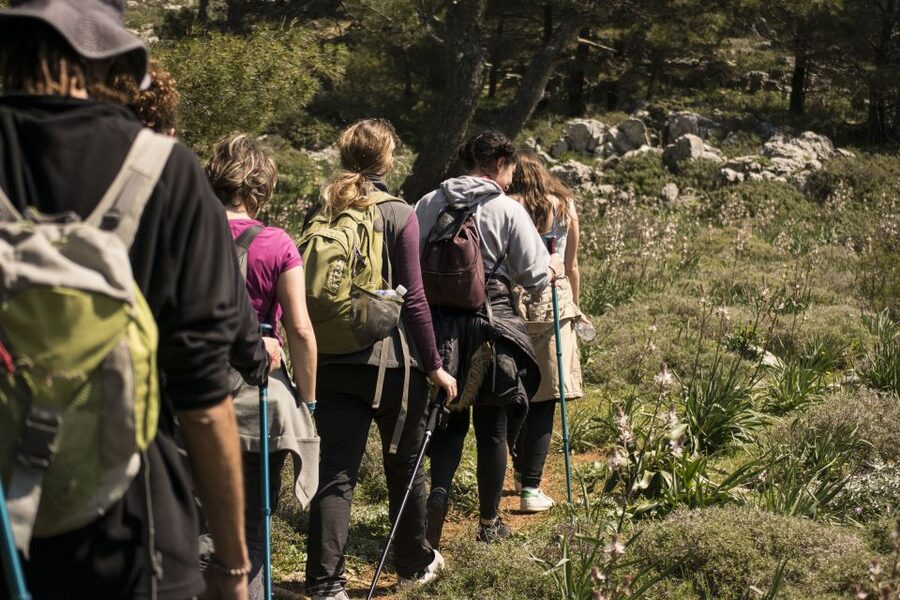
- Monolithos to Akramitis: a half-day climb that still leaves room for photo stops
- Protected nature (Natura 2000): forests, meadows, shrubs, and seasonal wild plants
- Chapel snack at St John: a small break with local pie and a great pause for photos
- Summit panorama: views over both sides of Rhodes plus nearby islands and Attaviros
- Different return route: descent through tall pine forest for a changed scenery
- Small group up to 10: you hike at a comfortable pace with guide support
Rhodes’ second-highest mountain, without the crowds
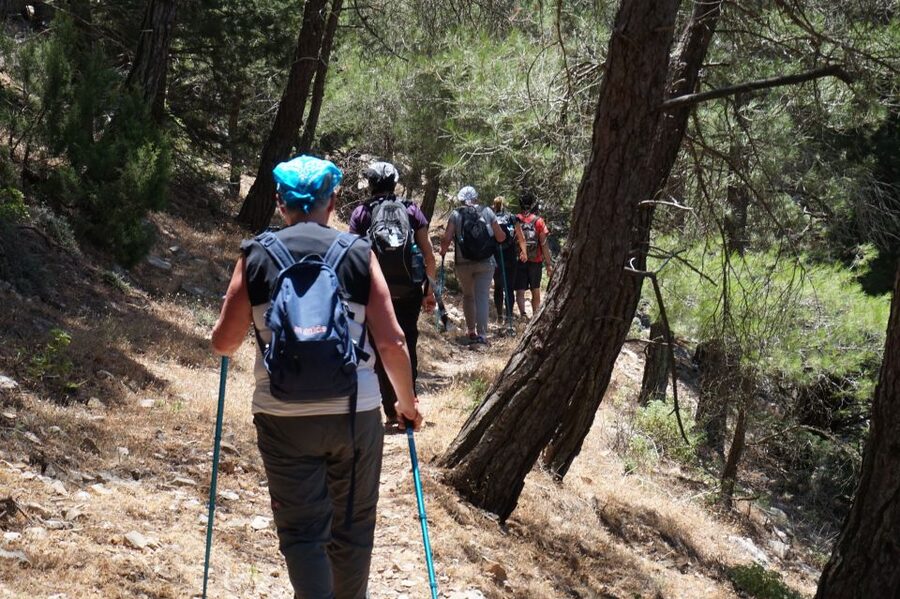
If you’ve already done the usual Rhodes hits, this is the kind of tour that makes the island feel bigger again. Akramitis (the second highest mountain on Rhodes) isn’t just a viewpoint. The best part is the variety as you climb: cypress trees and green slopes at the start, then more rugged terrain as you near the top.
You also get a protected-nature setting inside a Natura 2000 protected area, which changes how the day feels. Instead of chasing one sight after another, you’re moving through different habitats—forests, meadows, rocky peaks—then pausing long enough to actually see what’s around you.
A big plus for most people: this is a guided hike with a comfortable group pace. That matters on a route like this, because the challenge isn’t constant—it comes in sections. You can work with the rhythm instead of fighting it.
You can also read our reviews of more tours and experiences in Rhodes.
Meeting point at Monolithos and the ride to the start
The day begins with a meet-up next to Taverna Christos Corner at the north entrance to the village of Monolithos. If you choose the pickup option, pickup can be arranged from multiple areas around Rhodes, including Rhodes town, Ixia, Ialysos, Kremasti, Paradeisi, Kallithea, Faliraki, Afantou, Kolympia, Vlycha, Haraki, Lindos, Pefkoi, and Kiotari.
Why that matters: it reduces friction. You don’t have to figure out local transport or parking, and you start hiking feeling fresh. For timing, expect a 5–6 hour total window, with actual hiking time around 4 hours. That’s a realistic half-day structure for a mountain hike that still gives you plenty of breaks.
Small-group size is capped at 10 participants, and that’s part of the appeal. You’re not squeezed into a big moving crowd, which helps when the trail narrows or when you stop for summit photos.
Monolithos climb: cypress shade, Apollakia views, and rocky moments
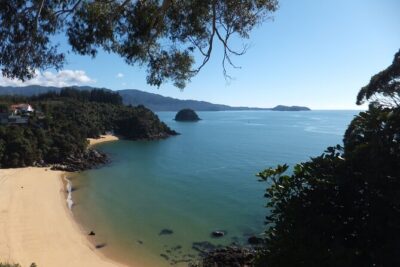
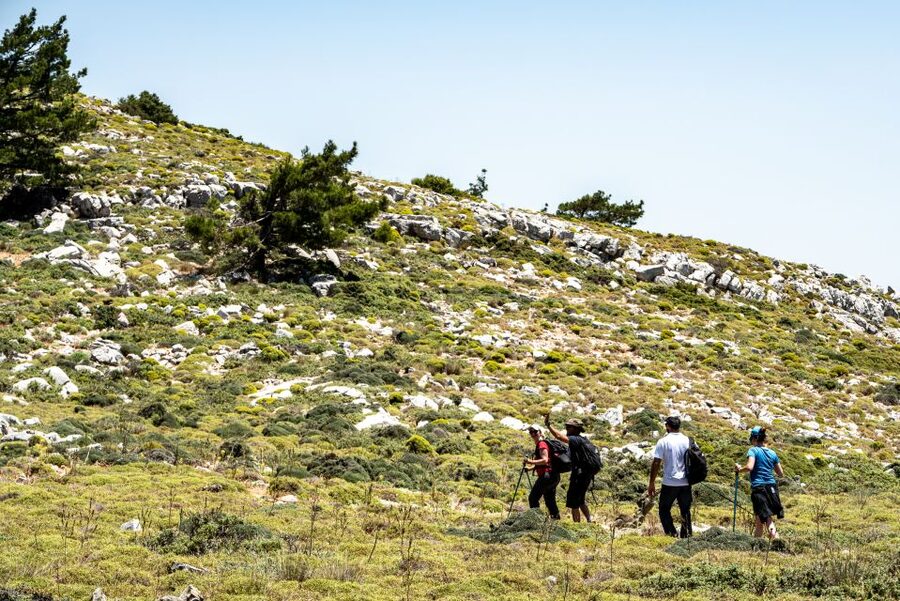
After pickup or meeting, you start ascending from Monolithos along green slopes under cypress trees. Early on, you’re not just climbing; you’re looking out over the bay area of Apollakia, which gives the hike momentum. It’s one of those moments where you feel the island open up before the trail gets fully serious.
Then the hike turns more hands-on. The path becomes more demanding and you’ll clamber over rocks. This is where good shoes matter most. The good news is that the guide keeps everyone moving at a comfortable pace, so you don’t get left behind—especially useful if you’re hiking at your own speed.
I like that the route rewards attention. Even before you reach the main breaks, there are frequent photo moments. If you enjoy landscape photos, you’ll find plenty to frame as you climb.
Chapel stop and traditional snack: St John break on the way up
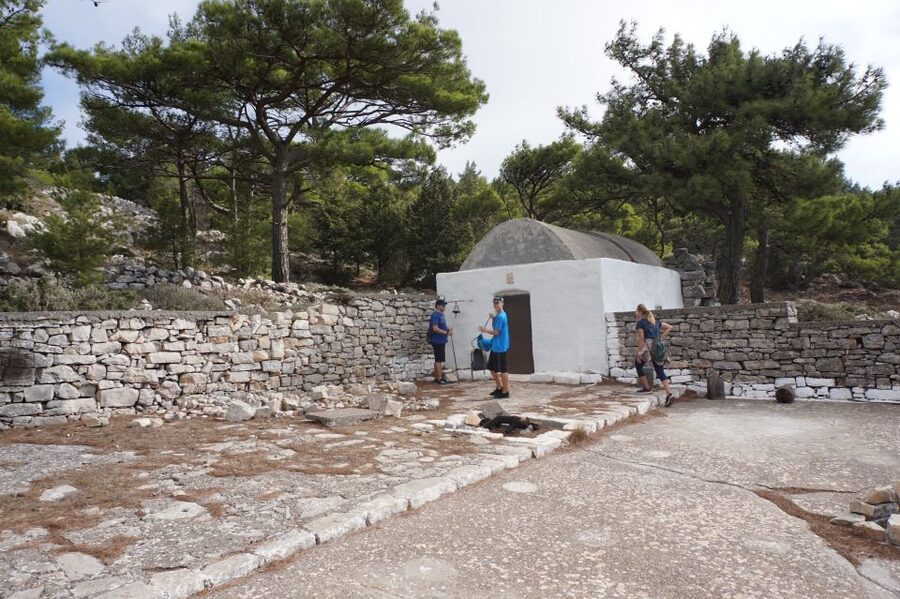
After a first stretch, the trail guides you toward a meadow-like area filled with colorful shrubs. This is where you hit your first real pause of the day: the tiny old chapel of St John.
The value of this stop is more than convenience. It gives you a mental reset before the summit effort. You also get a welcome snack—one of the pies Greece is famous for—plus time for photos. If you’re the type who likes to savor food while you’re out doing something active, this is a satisfying break because it fits the hike instead of interrupting it like a random stop.
What to watch: you’ll likely want to take your time here, but not so long that you feel chilled or slow later. Bring that windbreaker—higher up, the temperature shift can catch you.
The push to the summit: where effort turns into names and views
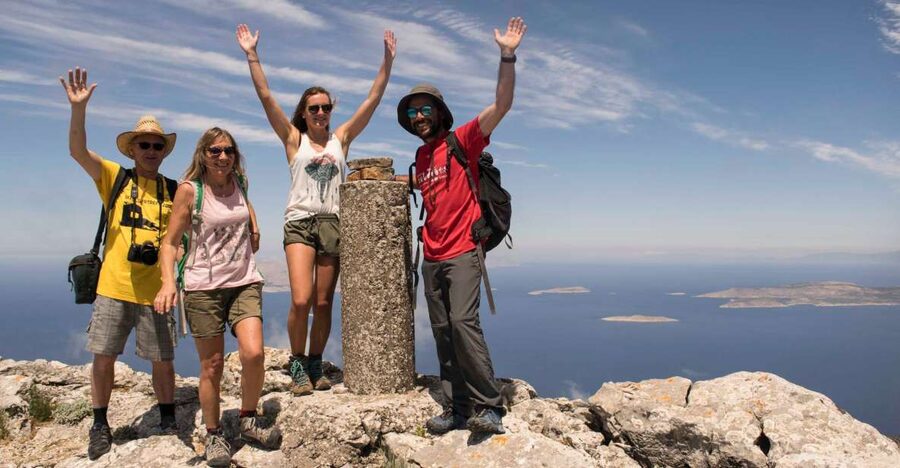
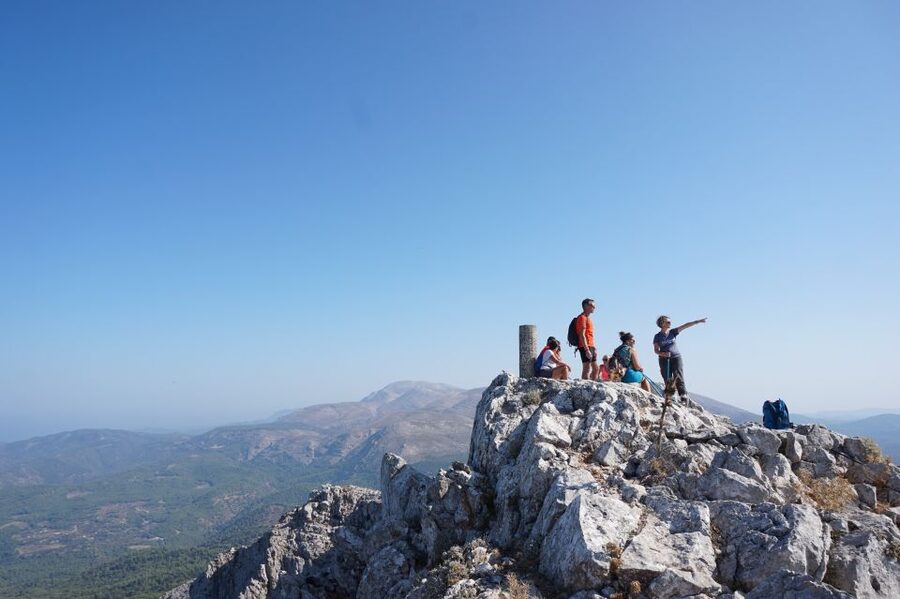
Your final approach comes with a bit of scrambling. Just before reaching the summit, you climb over rocks for a short time, and once you arrive you realize why people keep talking about this place.
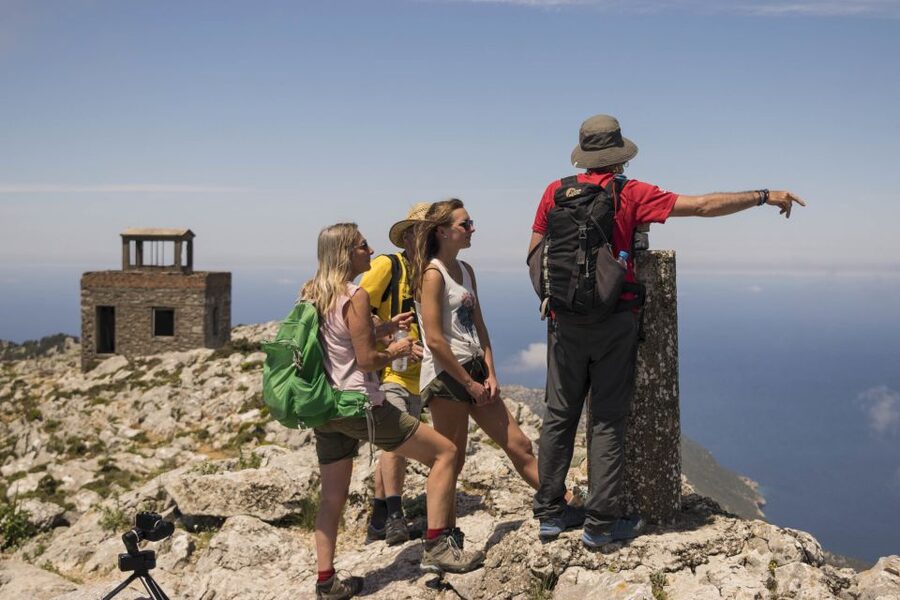
From the top, you can see both sides of Rhodes. The view includes the nearby islands, the lake in Apollakia, and Attaviros, the island’s highest mountain. You’ll also get a sweep of inland Rhodes, so it doesn’t feel like a single postcard direction. It’s a full rotation view—west, inland, and out toward the islands.
A practical tip: take photos, but also look up from your phone. The guide will help orient you to what you’re looking at, and that makes the summit time feel more meaningful. In recent groups, guides such as Nicos and Adi have been praised for sharing knowledge while keeping the group safe and moving steadily.
This is also the best moment to slow down and check your breathing. The summit is earned, but it doesn’t have to be a panic sprint.
Descent through tall pines: calmer footing, new scenery
Going down feels different from going up, and the tour intentionally uses a different route for the descent. After the summit, you’ll continue down through a forest of tall pine trees.
This can be a relief if the rocky sections tired your legs. Pine forest shade also changes the feel of the hike—you go from open exposure to a more buffered atmosphere. Even if your thighs are yelling, the setting makes it easier to keep a steady pace.
The guide’s job here is big: keeping you balanced on uneven ground and making sure you don’t rush. If you’ve ever seen how mountain trails can punish a careless step, you’ll appreciate a professional, safety-first approach. Many groups have highlighted guides who keep things smooth and controlled.
You’ll end back at the meeting point area after completing the full route.
Guides, snacks, and included gear that make the day easier
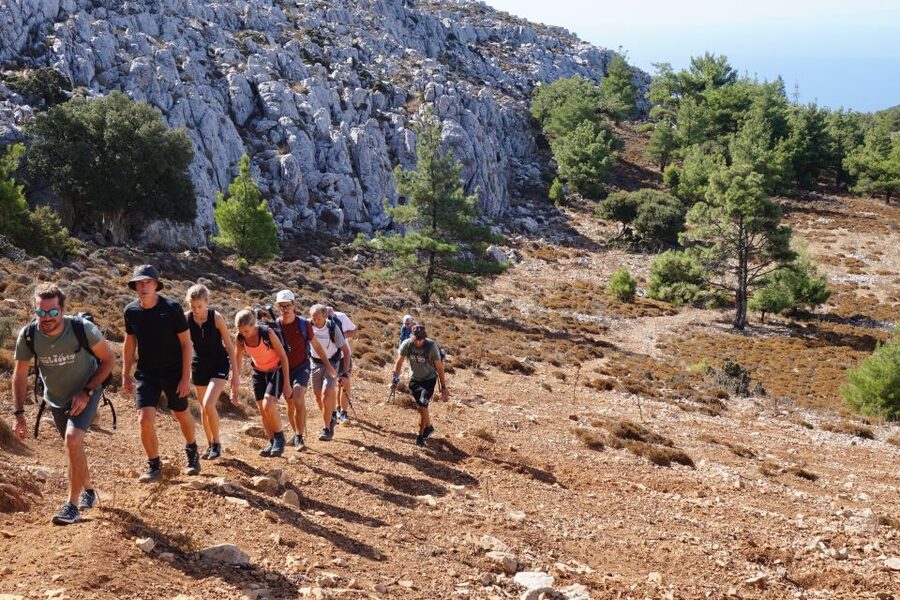
This tour works because it covers the small stuff. Here’s what you’re handed without having to plan or buy extra:
- Trekking guide (English or Greek)
- Water
- First aid kits and necessary equipment
- Traditional snack
- Souvenir photos
You’ll also get photos taken during key moments. That’s a nice value add if you don’t want to play photographer for your whole group. If your hiking buddy is great, cool. If they aren’t, this saves the day.
Guide names you might run into include Yanni, Ask, Adi, George, Wendy, and Nicos, with multiple groups praising their friendliness, professionalism, and helpfulness. The common thread is simple: you get a calm pace and real mountain support, not just a route description.
Seasonal nature: flowers, orchids, and why spring matters
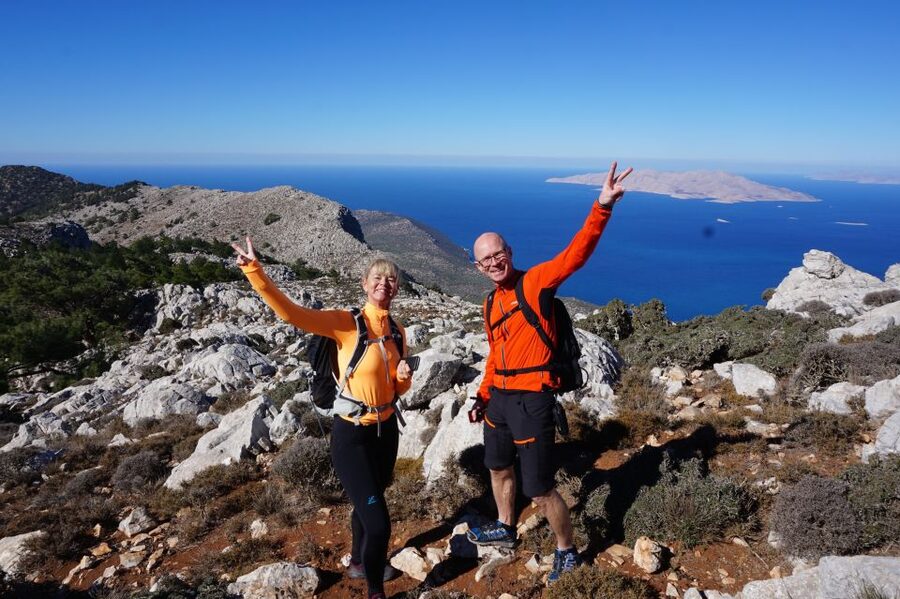
Spring hiking is when Akramitis really feels alive. The trail passes through areas lined with plants and flowers, including fragrant herbs and even rare Rhodian Orchids (when in season). Even if you’re not a plant-name person, you’ll feel the difference. The walk becomes about more than distance.
You also get variety: green slopes early, rocky clambering mid-route, then shrub color and meadow feel near the St John area. It’s the kind of hike where you stop because the trail gives you reasons to stop—sometimes for views, sometimes for what’s growing nearby.
If you hate waiting around, don’t worry. The stops are built into the day, and the pacing stays active. You’re not trapped in a long lecture. It’s nature walk energy with a goal.
Price and value: is $66 a good deal here?
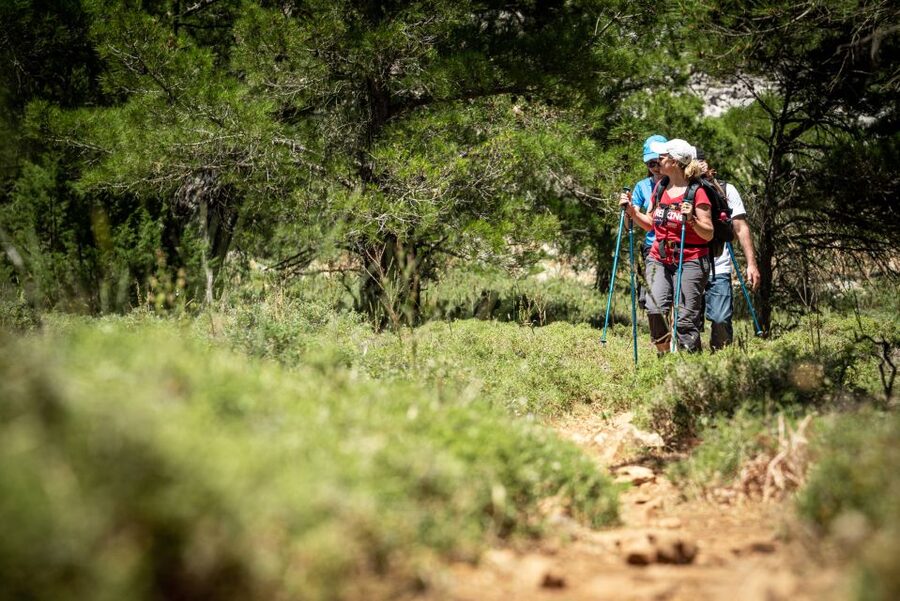
At $66 per person, this tour sits in the budget-friendly-to-mid zone. What makes it feel like a good deal isn’t just the guide. It’s the bundle: pickup options in many towns, water, a traditional snack, trekking equipment, first aid support, and included souvenir photos.
You’re also getting an experience that doesn’t require a car rental or navigating a remote starting point. Hotel pickup (when selected) reduces cost in time and stress, which is part of travel value people forget to count.
If you’re comparing options, ask yourself what you’d pay to replicate this on your own:
- local guidance for safety and trail pacing,
- the structured stops,
- the photos,
- and the snack timing that keeps energy steady.
Even if you’re a strong hiker, doing it guided makes the day smoother.
What to bring (and what can ruin your hike)
Don’t guess on footwear. You should plan on hiking shoes, and long hiking pants are recommended. Boots aren’t necessary, but you need grip for rocky parts.
Bring:
- windbreaker
- sunglasses
- sun hat
- hiking shoes
- daypack
And these are smart additions based on the tour guidance:
- second T-shirt
- windproof jacket
- sunscreen (you provide your own)
- an additional bottle of water
Why the extra water matters: water is included, but you’ll burn more than you think once you hit the rocky climb. Better to carry it and feel comfortable than to ration.
Also consider that it’s not suitable for children under 10 and not suitable for people with mobility impairments. The trail involves rocky scrambling and uneven ground.
Who this hike fits best
This tour is a strong match if you want:
- a real mountain hike without being a full-day epic,
- guided help navigating rocky sections,
- summit views with context (not just staring at a horizon),
- a nature-focused day with plants and flowers in season.
It may not be your best choice if you’re seeking an easy, flat walk. The climb includes more challenging terrain, and it’s not designed for mobility limitations.
Group size stays small, so solo travelers still get a social day without the chaos. And since the guides keep a comfortable pace, this can work well for people who hike often enough to handle rocky ground, even if they don’t hike professionally.
Should you book the Akramitis summit hike?
I’d book it if your Rhodes plan includes one active day and you care about scenery that isn’t copy-pasted. Akramitis gives you summit pay-off, a chapel snack stop with a local flavor, and a natural-area hike with real variety. The included water, equipment, and photo support also make it feel low effort on the planning side.
Skip it if you want only gentle terrain, or if your mobility needs don’t match rocky trails and uneven footing. Also, if you don’t like sun exposure and wind, plan your clothing carefully—this hike includes open summit time.
If you’re ready for a half-day challenge with rewarding views in return, this is one of the more satisfying ways to experience Rhodes beyond the beaches.
FAQ
How long is the hike to Akramitis?
The hike is about 5–6 hours total, depending on the starting time. The walking time is around 4 hours, covering about 9.1 km.
Where does the tour start?
The meeting point is next to Taverna Christos Corner at the north entrance to the village of Monolithos. The activity ends back at the meeting point.
Do I get hotel pickup?
Pickup is optional. It’s available from Rhodes town, Ixia, Ialysos, Kremasti, Paradeisi, Kallithea, Faliraki, Afantou, Kolympia, Vlycha, Haraki, Lindos, Pefkoi, and Kiotari.
What’s included in the price?
Included items are the trekking guide, traditional snack, water, first aid kits and necessary equipment, and souvenir photos. Hotel pickup and drop-off apply if you select that option.
What should I bring for the hike?
Bring hiking shoes, long pants, a daypack, windbreaker, sunglasses, and a sun hat. The tour also recommends a second T-shirt and a windproof jacket, plus you should bring your own sunscreen and an additional bottle of water.
Is this tour suitable for children or mobility limitations?
It’s not suitable for children under 10. It’s also not suitable for people with mobility impairments.