REVIEW · ROME
Rome: Mini hike to the ancient Parco degli Acquedotti
Book on GetYourGuide →Operated by Hike with Nature of Sal · Bookable on GetYourGuide
One step off the subway and you’re in Roman time. This moderate, one-way hike takes you from Pigneto’s street life into the surreal Parco degli Acquedotti, where ancient aqueducts run through pockets of wild nature and, on clear days, you may even catch a mountain backdrop.
I really like how the route doesn’t just drop you in one famous spot. You start with neighborhood walking, then hit historic stops like Porta Furba, and finally end in a park where you can switch from close-up details to wide, long aqueduct views—perfect if you like taking photos. I also love that the guide, Sal, keeps the pace realistic, with smart shade and water breaks during hotter stretches.
One thing to plan around: it’s rain or shine, and the 9 km includes uneven terrain. If your shoes grip poorly after wet weather, you’ll feel it.
In This Review
- Key highlights you’ll care about
- Entering Rome the non-touristy way: Pigneto first, Aqueducts last
- Meeting at Pigneto: where to stand and what to expect early
- Via del Mandrione and small green stops that change your pace
- Porta Furba (or Arco di Sisto V): a historic landmark before the park
- The café break: how to pace a 3-hour, one-way hike
- Torre Fiscale Park: where wild Rome starts to feel real
- Parco degli Acquedotti: the surreal mix of nature and ancient engineering
- Price and value: why $53 can make sense for Rome
- What to bring so the hike feels good, not stressful
- Who it suits best (and who should skip it)
- A quick word about weather and safety
- Should you book the Rome aqueduct mini hike?
- FAQ
- How long is the hike?
- Where does it start and where does it end?
- Is the hike one way or round trip?
- What’s the difficulty level and distance?
- What language is the guide?
- What should I bring?
- Does it run in bad weather?
- How big is the group?
- Is it suitable for everyone?
Key highlights you’ll care about
- Pigneto to the aqueduct park in one continuous walk, one way, with an end near Giulio Agricola.
- A small group (up to 10), so it’s easier to ask questions and move at a human pace.
- Ancient engineering plus nature on the same trail, from aqueduct structures to living roadside greenery.
- Porta Furba (or Arco di Sisto V) adds a “this is real Rome” historic anchor before the park.
- Sal’s approach balances history with practical hiking comfort, including shade and water habits on hot days.
- Good photography angles, from macro views of materials to long-distance aqueduct sightlines.
Entering Rome the non-touristy way: Pigneto first, Aqueducts last
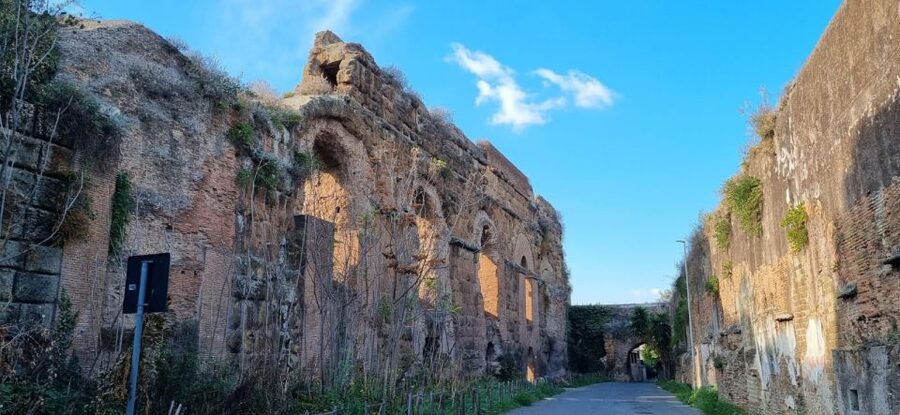
If your idea of Rome is crowds around monuments, this hike flips the script. You begin in Pigneto, a trendy, everyday neighborhood where you get bearings fast and feel what local street life looks like before the ancient stuff takes over. The walk then narrows your focus: first to streets and small green spaces, then to the physical line of an aqueduct, and finally to the larger park environment where stone and nature share space.
The big value here is the sequence. Ending in Parco degli Acquedotti matters because the park’s effect is stronger when you’ve been walking toward it for a while. You don’t just arrive—you build context: why water mattered, how it moved through the city, and what it created over centuries.
You can also read our reviews of more tours and experiences in Rome.
Meeting at Pigneto: where to stand and what to expect early
The hike starts just outside the Pigneto metro station (C-Line). Plan to arrive about 15 minutes early. You’ll meet at the exit next to Conad, or on the side facing a bridge—so if you’re standing at the wrong exit, you can lose time quickly.
Early on, the group setup is simple: you walk with the guide and get oriented as you head along Via del Pigneto. That first stretch is useful even if you’re not a history nerd. It’s where you learn what pace feels like for this specific route (moderate, uneven), and it’s where you notice how the environment shifts from built-up streets toward more open space.
Via del Mandrione and small green stops that change your pace
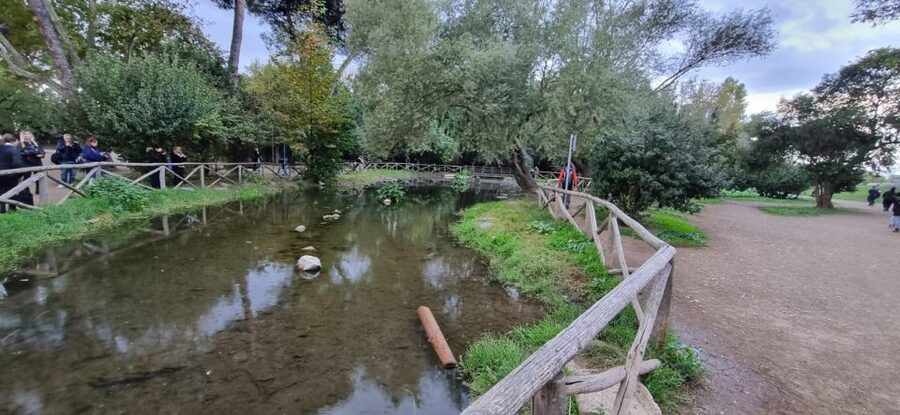
After the opening street segment, the route turns toward Parchetto Condiviso del Mandrione. This isn’t a dramatic “see it from space” location. What it does well is give you a breather where the walking rhythm changes, and where you can appreciate how nature grows in Rome even when you’re still in an urban zone.
From there you head along Via del Mandrione with guided narration. This part matters because it helps you connect everyday city fabric to the larger story of water and infrastructure. Rome’s ancient monuments aren’t floating alone in time. They’re part of how people shaped their living space, including after major disruptions—Sal often ties what you see to how the area’s use evolved over time.
Porta Furba (or Arco di Sisto V): a historic landmark before the park
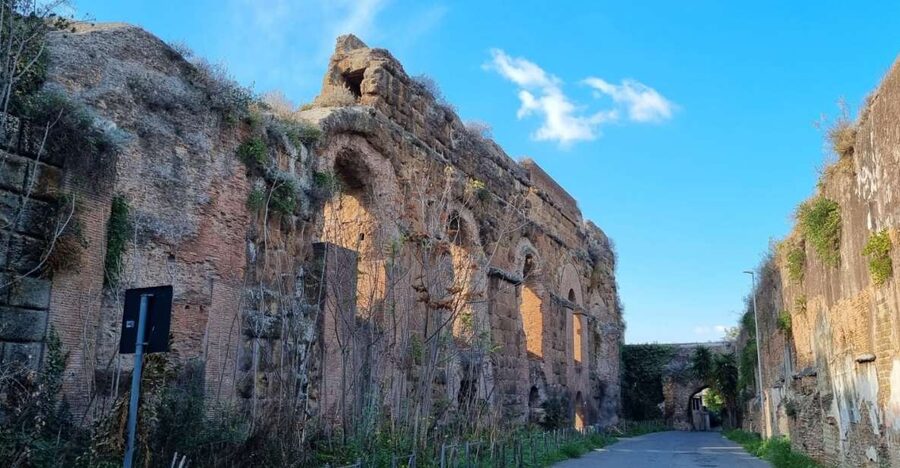
A strong “aha” moment comes at Porta Furba (or Arco di Sisto V). Think of this stop as your bridge between street-level Rome and the long aqueduct story you’ll soon walk into. The arch/portal isn’t just a photo stop; it frames how Rome moved people and materials—and how later visitors, planners, and builders inherited the same geography.
If you like history that connects to real movement, this is where it clicks. You’re not just learning dates. You’re learning how stone structures sit in the city’s pathways, and how that affects where water routes could run and how communities could grow.
The café break: how to pace a 3-hour, one-way hike
There’s a scheduled break at a local café. In a 3-hour experience, that break isn’t optional fluff—it’s practical pacing. It gives you a chance to reset your energy and adjust your hydration plan before the more open sections.
My advice: treat that stop like a checkpoint. If you’re running low on water, refill if that’s offered by your own judgment, and plan to keep sipping later. The hike’s duration is short enough that poor pacing shows up fast, especially if it’s warm.

Torre Fiscale Park: where wild Rome starts to feel real
As the route continues, you reach Torre Fiscale Park. This is a key tonal shift. The farther you go, the more the hike leans into the “surreal mix” that the experience promises: ancient stone structures in a setting that still feels alive with plants, shade, and changing light.
This part of the walk is great if you don’t want Rome only as museum mode. You’re learning with your feet. You feel the ground under you, the micro-shifts in terrain, and how the environment supports (and sometimes interrupts) the human-built story.
It’s also where I’d pay attention to your footing. The trail is described as moderate with uneven terrain, and parks can hide small changes in slope or ground texture.
Parco degli Acquedotti: the surreal mix of nature and ancient engineering
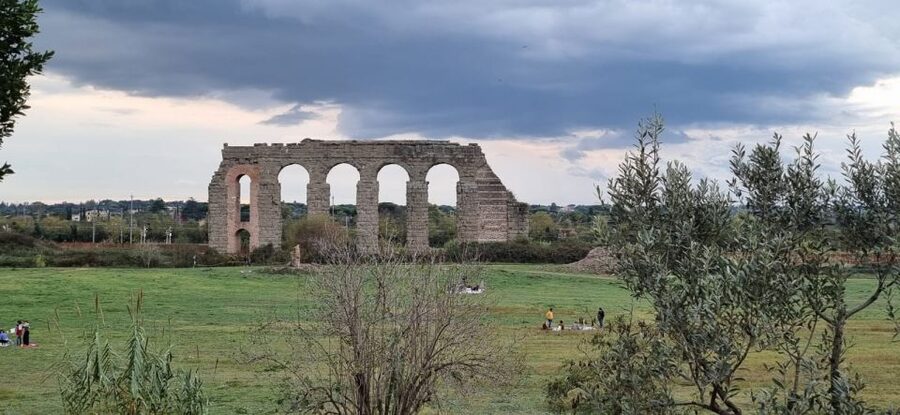
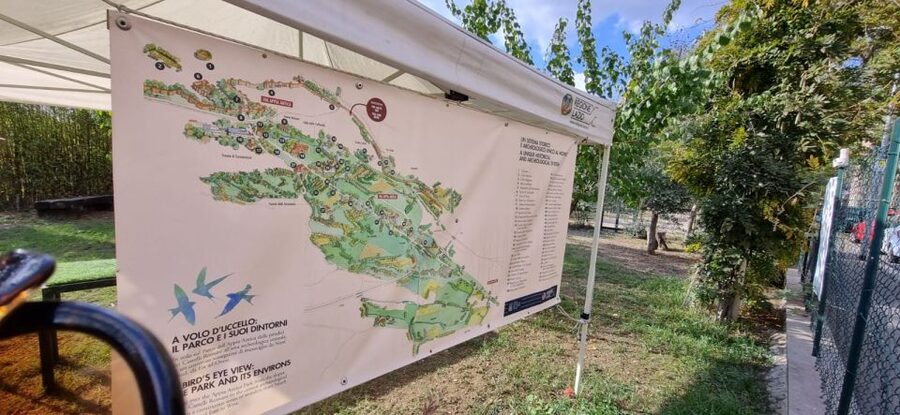
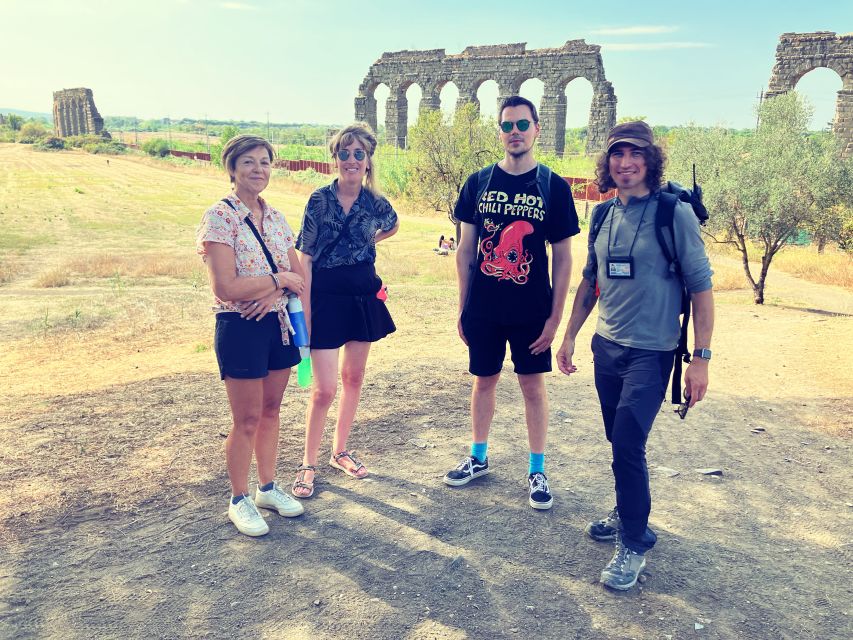
Now for the main event: Parco degli Acquedotti. This is the area that makes the hike feel different from a typical “walk to a viewpoint” outing. You get multiple ancient aqueduct elements that stretch away from you, so your eyes keep finding new lines and repeating structures.
Here’s what I think makes the park special for real-world visitors. It doesn’t feel like a single monument boxed in for viewing. It feels like a working system that once carried water, now living as ruins inside a living environment. That interplay between human engineering and nature is the point.
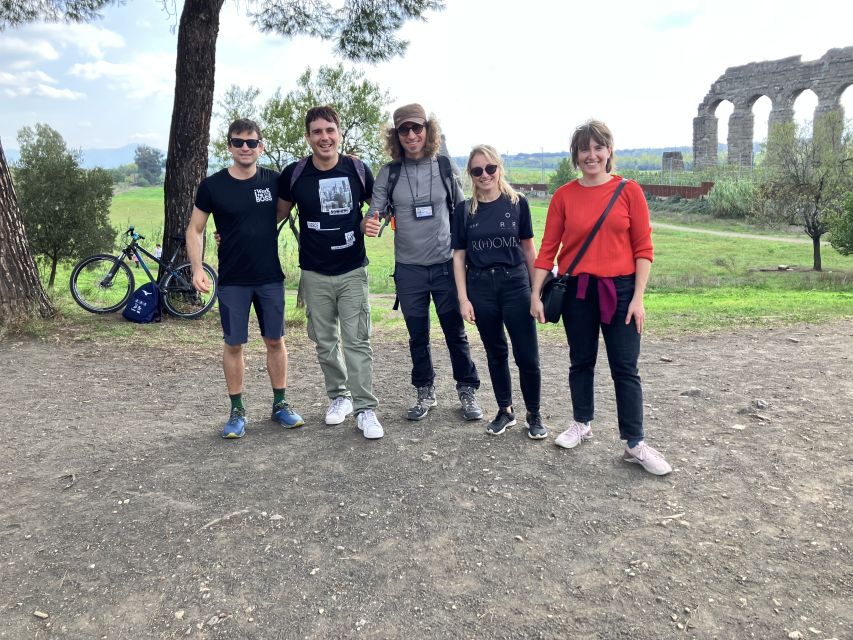
The guide’s style matters here. Sal is known for bouncing between broad vistas and close-up details—so you can go from noticing materials and construction choices to stepping back and seeing the long reach of the aqueducts. If you’re the type who likes macro-to-wide photo moments, this is one of the more satisfying setups in the city.
On days with good weather, you may also get that extra visual payoff: a mountain backdrop in the distance. Even when that’s not guaranteed, the overall feel stays strong because the park’s sightlines are built for depth—stone lines stretching into space.
Price and value: why $53 can make sense for Rome
At $53 per person for a 3-hour guided hike, the cost isn’t just paying for movement. You’re paying for interpretation and pacing, plus a professional guide working with a small group of up to 10.
For Rome, the value usually comes down to three things:
- You get a route that ties neighborhoods to the aqueduct park instead of isolating one spot.
- You get guided explanation, not just directions.
- You get help staying comfortable on a moderate walk—especially useful if the weather is hot or changeable.
If you prefer DIY walking, you can certainly move around Lazio on your own. But this hike is priced like a thoughtful guided experience: short in time, focused in arc, and built to help you understand what you’re seeing as you walk.
What to bring so the hike feels good, not stressful
This is a walking experience, not a sightseeing stroll. Bring what keeps you comfortable for uneven ground.
Obligatory
- Comfortable walking shoes (best hiking shoes, especially after rain)
- 1.5 liters of water
- Clothing suited for an urban hike
Recommended
- A comfortable backpack
- Raincoat
- Sunscreen and a hat (sun and weather protection both matter)
- Trail snacks
Optional
- Hiking poles
- Electrolytes
- Sunglasses
Also remember the rule: sandals or flip-flops aren’t allowed. That’s not about being picky; it’s about safety and grip during uneven sections and possible wet conditions.
Who it suits best (and who should skip it)
This hike works best for people who like getting out of the center for a few hours and want history explained while they walk. It’s also listed as suited for families, with age notes that matter: children must be accompanied by adults, and it’s not suitable for children under 12.
It’s not for wheelchair users. It’s also not suitable for people with heart problems or respiratory issues, and it’s not suggested for people over 95.
If you’re generally healthy and steady on your feet, you’ll likely enjoy it because the route is moderate and short enough to keep your energy manageable.
A quick word about weather and safety
The hike runs rain or shine. That’s a major factor in comfort, so dress accordingly and bring shoes that handle wet ground. The guide can shorten, extend, or adjust the route based on safety issues like obstacles on the path or weather.
This is where having a guide is more than “nice to have.” An expert hiking guide can reroute quickly while still keeping the experience meaningful.
Should you book the Rome aqueduct mini hike?
Yes, if you want Rome in a form that feels human: walkable, story-driven, and grounded in real neighborhoods before you step into Parco degli Acquedotti. It’s a strong choice for anyone who likes ancient engineering but also cares about nature, light, and good photo angles.
Skip it if you want a low-effort, flat, strictly urban route. Plan for uneven terrain, come prepared for rain, and bring the right shoes. And if you’re not comfortable with outdoor walking for about 3 hours, choose a different kind of Rome day.
FAQ
How long is the hike?
The experience lasts about 3 hours.
Where does it start and where does it end?
It starts outside the Pigneto metro station (C-Line) and finishes close to the Giulio Agricola metro station (A-Line), near Via Lemonia, 214.
Is the hike one way or round trip?
It’s one way.
What’s the difficulty level and distance?
It’s labeled moderate, with a distance of about 9 kilometers (5.5 miles) and uneven terrain.
What language is the guide?
The hike is offered with live guides in English, German, or (in the wider offering) Italian.
What should I bring?
You should bring comfortable walking shoes, 1.5 liters of water, and clothing suited for an urban hike. A raincoat, sunscreen, and a hat are recommended, along with snacks if you want them.
Does it run in bad weather?
Yes. It takes place rain or shine.
How big is the group?
It’s a small group with a limit of 10 participants.
Is it suitable for everyone?
No. It’s not suitable for wheelchair users, and it’s not recommended for people with heart problems or respiratory issues. Children need to be accompanied by adults, and it’s not suitable for children under 12.