REVIEW · ROME
Urban Hike to the Aqueduct Park in Rome
Book on Viator →Operated by Salvatore Benintende · Bookable on Viator
Aqueducts are better when you can walk them. This 3-hour urban hike blends ancient engineering with a real morning in Pigneto, then leads you into Rome’s aqueduct parks for big views. The only real catch: it’s a hike with a moderate fitness level, so it’s not ideal if you want a mostly stop-and-sit experience.
I love how it keeps history practical. You’re not just looking at ruins from a distance—you follow the water story across multiple stops, including Aqueduct Felice and the Porta Furba area. I also like the pacing of a small group (up to 15), guided by Salvatore Benintende, who brings energy and puts the aqueducts in context. If you’re craving lots of free time to wander on your own, plan on doing that later—this is built as a focused guided walk.
The value for the money is strong. At $35.49 per person, you get a guided route with a mobile ticket, and each stop lists admission as free. It starts at 8:30 am, and it finishes close to public transport, so you’re not stuck trying to “solve logistics” after the walk.
In This Review
- Key highlights you’ll feel on the walk
- Aqueducts on foot: why this route feels different
- Meeting in Pigneto at 8:30 am: local start, easy orientation
- Aqueduct Felice in motion: following the water system toward the park
- Porta Furba and Pope Clement XII: where gates meet the water story
- Parco degli Acquedotti and Appia Antica: the best views part of the hike
- Tor Fiscale Park: nature plus aqueducts without the heavy crowds
- Salvatore Benintende’s style: enthusiasm that makes dates stick
- Price and timing: is $35.49 a good deal for this hike?
- Should you book the Urban Hike to Aqueduct Park?
- FAQ
- Where does the tour start?
- What time does the hike begin?
- How long is the tour?
- How much does it cost?
- How big is the group?
- Is there admission included for the stops?
- What ticket type do I receive?
- Where does the tour end, and how do I get back?
- What fitness level do I need?
- Is the tour easy to reach by public transport?
- What’s the cancellation policy?
Key highlights you’ll feel on the walk
- Small group pace (max 15) keeps the questions flowing and the route more human-sized.
- Pigneto start with local flavor means you begin in a real Rome neighborhood, not a tourist parking lot.
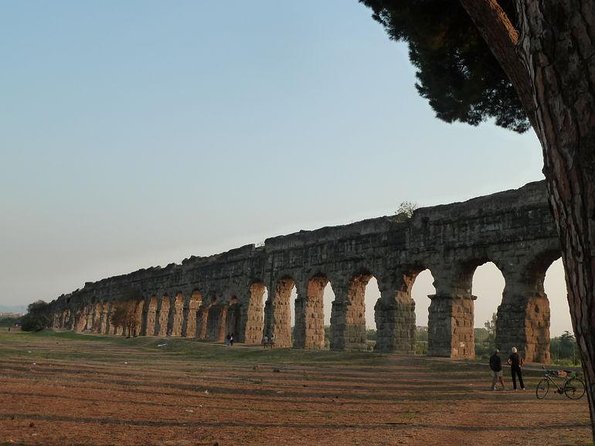
- Aqueduct Felice as your backbone: the impressive aqueduct guides the route toward the park areas.
- Porta Furba + Pope Clement XII fountain ties the stones to the actual water supply story.
- Parco degli Acquedotti and Tor Fiscale give you parks with nature alongside aqueduct remains.
- Easy metro connection at the end: it finishes near the Giulio Agricola station for an easy return.
Aqueducts on foot: why this route feels different
Rome is full of ancient stuff. The trick is finding a way to see it that doesn’t turn into a photo sprint. This hike does a smart thing: it connects aqueduct history to the landscape around it, using a guided route where each stop adds a piece of the puzzle.
You’ll learn how Rome’s water infrastructure worked—where the aqueduct came from, how it was built, and how it moved water through the city. That’s what makes the topic more than “old rocks.” You end up understanding why these structures mattered and how they shaped everyday life, even if you’re standing in a park today.
At the same time, you’re not stuck underground in museums or listening to one long lecture. The walk breaks the day up with neighborhood scenes and park segments, so your brain gets a rest between the history points. And because it’s small-group guided, you can ask about details without shouting over a crowd.
If you love ancient engineering, you’ll probably enjoy how the route keeps returning to water—then turning the story at Porta Furba and the fountain connected to Pope Clement XII.
You can also read our reviews of more tours and experiences in Rome.

Meeting in Pigneto at 8:30 am: local start, easy orientation
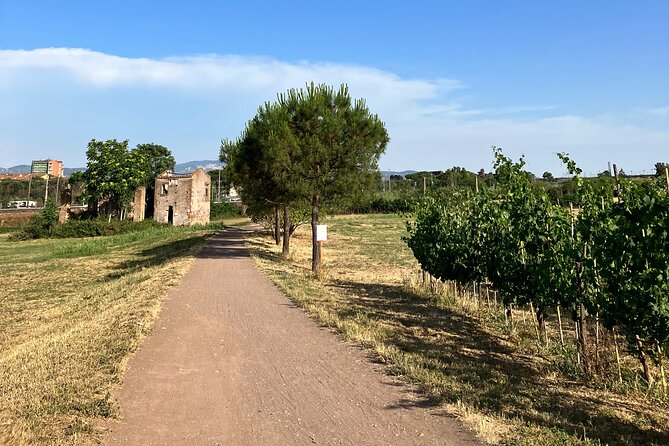
The tour begins in Pigneto, at the address listed in central Rome for the meeting point. Practically, this matters because you’re not trying to decode a hidden street. The meeting is described as easy to find from a metro station meeting point, which helps you get grounded fast.
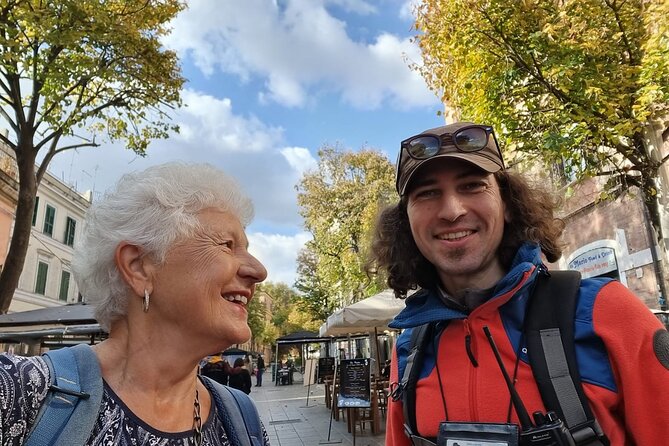
Pigneto is a great choice for a start. You’ll move through a more lived-in part of the city—there’s a local morning market vibe, plus coffee shops and that relaxed neighborhood feel. It’s a nice way to shake off the “only sights” approach that can make Rome feel like a checklist.
At the first stop, you begin with the earliest aqueduct connection on the route. It’s only about 15 minutes, and admission is free. That short first segment works like a warm-up: you get oriented, you hear the framing story, and you’re ready to walk once the aqueduct elements start lining up.
One thing to keep in mind: with an 8:30 am start, you’ll want to be ready to go early. If you’re a late-morning person, consider adjusting your plan for that day—otherwise the start time is the main annoyance.
Aqueduct Felice in motion: following the water system toward the park
The second stop is Acquedotto Felice, where the aqueduct becomes the “spine” of what you’ll see next. This is where the tour shifts from city neighborhood into the long-waterline feel. Aqueduct Felice is described as guiding the route almost all the way to Aqueduct Park, so you get continuity rather than random ruins sprinkled along the way.
Expect about 25 minutes here, with admission again noted as free. What makes this segment valuable is the guided connection between the physical structure and the purpose behind it. You’ll hear how ancient engineers solved water transport—then you’ll see how that system is still readable in the way the path leads you.
Also, the walking route itself becomes part of the learning. Instead of looking at an aqueduct and moving on, you follow the direction and scale. You begin to grasp how something as simple as water flow becomes a massive building project.
If you’re hoping for huge dramatic ruins at every stop, this section may feel more like “engineering in context.” But if you like understanding how structures work, this is the heart of the experience.
Porta Furba and Pope Clement XII: where gates meet the water story
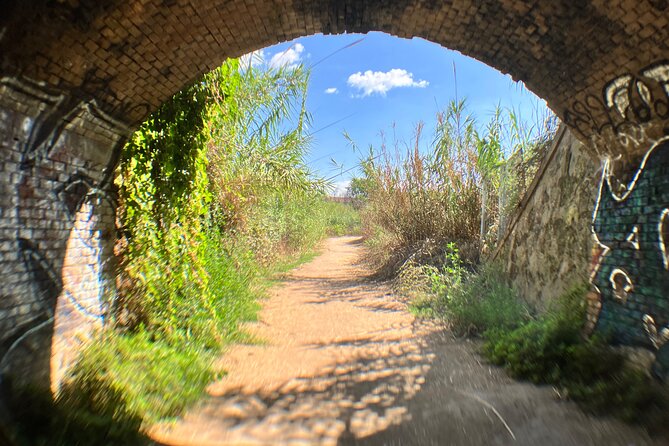
Next comes Porta Furba—one of the main entrance gates of Rome. This is a smart contrast: you’re moving from aqueduct structure to how the city was organized and controlled through gates.
You’ll spend about 15 minutes at this stop, and again admission is free. The best part here is the connection to the fountain of Pope Clement XII, which used water from the Felice aqueduct. That detail matters because it shows how water infrastructure wasn’t only a technical project. It was a city experience—linked to fountains and public water access.
In other words, the story doesn’t stay stuck in the past. It ties the aqueduct into the spaces people actually used. When you understand that link, the stones feel more alive.
The only consideration is time. Because this stop is brief, it’s not where you’ll get the full deep technical explanation. The guide uses it as a turning point, so come ready to listen closely rather than expecting a long pause here.
Parco degli Acquedotti and Appia Antica: the best views part of the hike
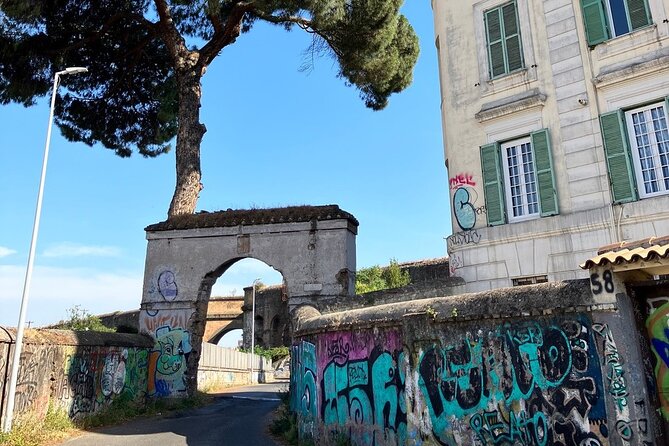
The main green break comes at Parco degli Acquedotti – Parco Archeologico dell’Appia Antica. This is where you slow down a bit and let the park do the work of setting the scene. You’ll have about 45 minutes here, and admission is free.
The guide shows you the interesting parts of the park and helps you find the best viewpoints. That’s important because aqueduct parks can be easy to misread on your own. You might see fragments but not know what you’re looking at or why one angle matters more than another. With a guide leading you, you get “where to stand” knowledge built in.
This stop is also where the aqueduct story feels most complete. You can see how the infrastructure fits into a wider archaeological landscape connected to the Appia Antica area. Even if you’re not a hardcore archaeologist, you’ll likely appreciate how the route helps you connect the dots between earlier stops and what’s visible here.
If you want maximum independence, you may wish you had more than 45 minutes. But as a guided highlight segment inside a 3-hour hike, it’s a reasonable amount of time to get meaningful views without burning the whole day.

Tor Fiscale Park: nature plus aqueducts without the heavy crowds
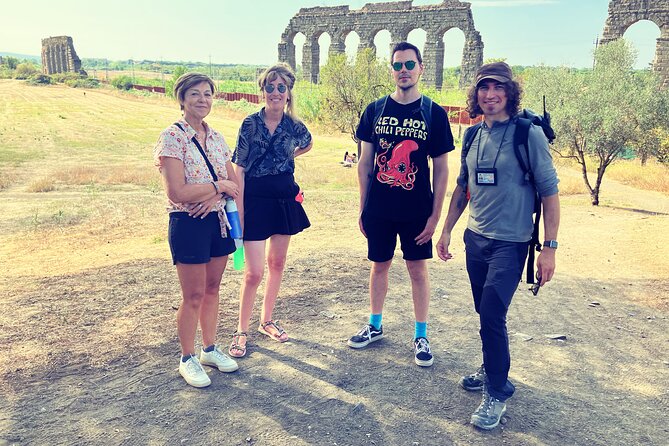
After the main aqueduct park time, the hike continues to Parco Di Tor Fiscale – Parco Archeologico dell’Appia Antica. This segment is about 30 minutes, with admission listed as free.
What you get here is variety. The tour describes Tor Fiscale as a park full of nature, history, and aqueducts. In practice, that usually means you’re not just circling one obvious structure. You’re getting a more walk-through park experience where aqueduct remains and nature sit side by side.
This stop also helps the tour feel less like “one location, many photos.” Instead, you get a second park area so the aqueduct theme keeps evolving. If you’re the kind of person who likes stepping away from the busiest streets and getting a calmer view of Rome, this is likely to be one of your favorite parts.
The only caveat: because it’s shorter than the main park segment, you don’t get an all-day wander. But that’s also the point of the tour design—three hours total, enough time to learn and enjoy, not enough time to turn it into a half-day commitment.
Salvatore Benintende’s style: enthusiasm that makes dates stick
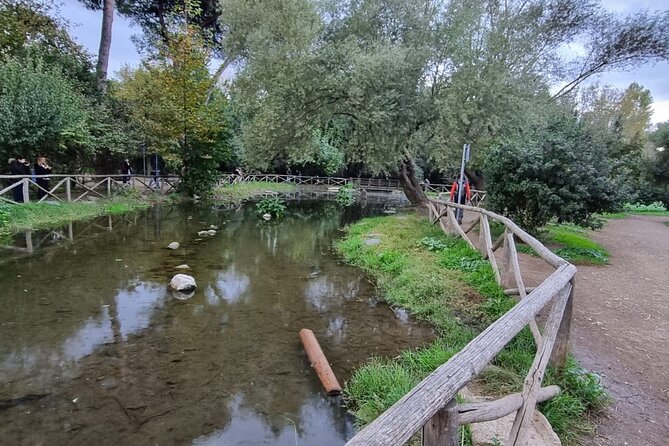
The experience is led by Salvatore Benintende, and his approach comes through in the way people describe the hike. The big theme you’ll want from a guide here is energy plus clarity—especially for a topic like aqueducts where details can get lost if they’re delivered as a pile of facts.
From what’s shared about the guide, Sal’s enthusiasm is contagious and the explanations connect the history to what you can actually see during the walk. That’s exactly what you want when you’re moving through multiple sites in a short time window.
You’ll likely hear about construction and water sources, and about how the aqueduct story fits into Rome’s timeline. Even if you’re not a Roman-history expert, a good guide turns that into something you can follow while walking. The aqueduct stops aren’t random—they build on each other, and the guide helps you understand the “why” behind the stones.
If you like learning that feels human and upbeat, this tour is the kind where you’ll feel the guide’s momentum carry you from one viewpoint to the next.
Price and timing: is $35.49 a good deal for this hike?
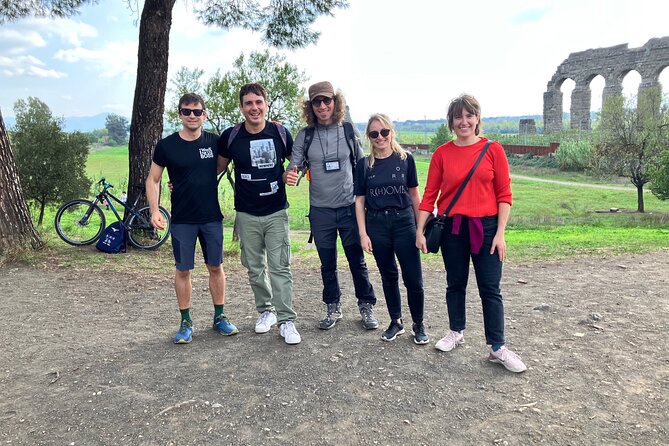
Let’s talk value. At $35.49 per person, you’re paying for three hours of guided walking with a small group (maximum 15) and a mobile ticket. On top of that, the listed admission at each stop is free.
That combination changes the math. Instead of paying mostly for entry tickets, your money goes toward the guide and the routing—meaning you’re buying the “how to see it right” part. For aqueducts, that matters. A lot of ruins are under-explained if you go alone.
Timing is also part of the value. The start time is 8:30 am, which can help you dodge some of the daytime pressure around major sights. And the finish is near public transportation—specifically close to the subway station Giulio Agricola—so you can leave the parks area without adding long transfer time.
One more small point: this hike is commonly booked about 55 days in advance, so if your dates are firm, don’t wait too long. It’s not described as massive-capacity, and the small-group size suggests it can fill.
Should you book the Urban Hike to Aqueduct Park?
Book it if you want an aqueduct experience that feels like a story you can walk through. This is a good fit for ancient-history buffs who also enjoy a little physical effort, and for anyone who wants to step away from the most crowded parts of Rome for a few hours.
It’s also a smart choice if you like structure. The route has clear anchors—Pigneto, Acquedotto Felice, Porta Furba, then the park segments at Parco degli Acquedotti and Tor Fiscale. That structure helps you learn without getting overwhelmed.
Skip it (or reconsider) if you don’t like the idea of a moderate-fitness walk, or if you’re hoping for long, independent exploration time. This is designed for a guided walk with stops timed for learning and viewpoints, not for wandering for hours.
My quick decision rule: if you’d rather understand aqueducts than just see them, you’ll likely be happy you booked.
FAQ
Where does the tour start?
It starts in Pigneto, Rome, at the meeting point listed as Pigneto00176 Rome, Metropolitan City of Rome Capital, Italy.
What time does the hike begin?
The start time is 8:30 am.
How long is the tour?
It lasts about 3 hours.
How much does it cost?
The price is $35.49 per person.
How big is the group?
The tour has a maximum of 15 travelers.
Is there admission included for the stops?
Admission is listed as free at each stop.
What ticket type do I receive?
You’ll get a mobile ticket.
Where does the tour end, and how do I get back?
It ends at Via Lemonia, 214, 00178 Roma RM, Italy, and finishes close to the subway station Giulio Agricola (A-Line).
What fitness level do I need?
You should have a moderate physical fitness level.
Is the tour easy to reach by public transport?
Yes. The meeting point is described as easy to find via metro, and the finish is near public transport.
What’s the cancellation policy?
You can cancel for a full refund up to 24 hours before the experience’s start time. Confirmation is received at booking time.