REVIEW · LUZON
Small-Group Weekend Hiking Tour to Banaue-Ifugao from Manila
Book on Viator →Operated by Uncharted Philippines · Bookable on Viator
If you like mountains, this will grab you fast. This small-group hike is built around the Banaue rice terraces and then pushes into the Ifugao hills with villages, forests, and waterfalls. It’s not a photo-stop circuit. It’s a real walking trip, with a guide and overland transport handled for you.
I especially like two things: the small group size (up to seven), which keeps things calm on steep sections, and the way the trek mixes terraces with everyday village time. You’re not just looking at rice fields from a distance—you get moving through them and sleeping in basic village inns.
One possible drawback: this is listed as very demanding. Plan on six to seven hours of hiking most days, plus you’ll carry enough for two days. If rain makes trails slippery, the trip can feel more challenging than the distance on paper.
In This Review
- Key things to know before you go
- Why this Banaue–Ifugao hike feels more real
- Price and logistics: what $270 really covers
- Meeting point and timing: start at 9pm, walk early
- Day 1: Manila to Banaue, then your first terraces pulse
- Day 2: Banaue terraces viewpoint, then Cambulo and Batad
- Day 3: Tappiyah waterfalls in the morning, then Bangaan
- Day 4: a very early finish back toward Manila
- Village inns and bathrooms: comfort is basic, but workable
- Food and the one breakfast you do get
- Gear and carrying: what you must bring (and what you can offload)
- Who this tour is best for
- Final verdict: should you book this Banaue–Ifugao trek?
- FAQ
- How big is the group for this Banaue–Ifugao hiking tour?
- How long is the tour?
- What’s included in the price?
- What meals are included, and what costs extra?
- Where do we meet, and when does it start?
- What kind of physical fitness and gear do I need?
Key things to know before you go
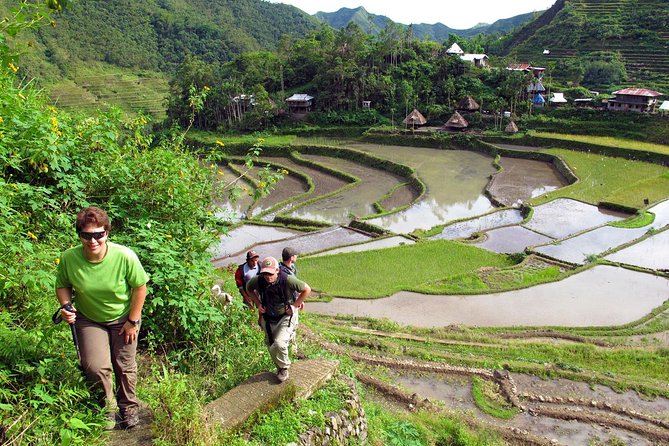
- Up to seven people means more flexibility with pacing and questions on the trail.
- Overnight bus from Manila is included, so you start the hike already “on Philippine time.”
- Tricycle to the viewpoint before hiking gives you an early terraces hit without wasting energy.
- Village inn stay keeps you in the communities, not in a distant hotel base.
- Only one breakfast included means you’ll need a food plan (and cash) for the rest.
Why this Banaue–Ifugao hike feels more real
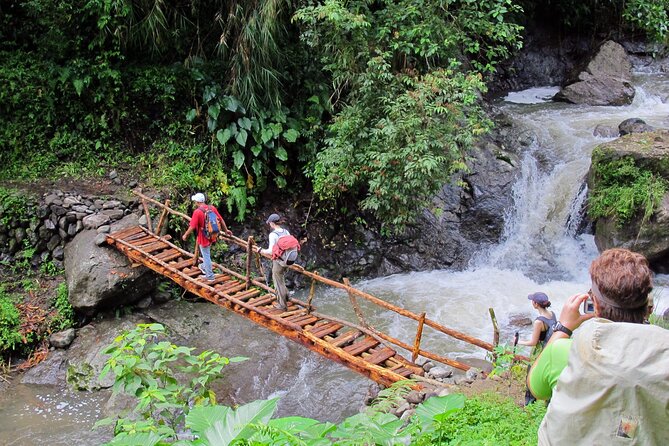
This tour earns its reputation by doing something simple: it walks you through the hill country at human speed. You ride from Manila to Banaue at night, then start day one with a first look at the terraces area, and after that the trip builds day by day—Cambulo, Batad, and then Bangaan—so the scenery changes as your body adjusts.
What makes it special is the balance. Yes, the terraces are the headline. But the real payoff is how the terraces connect to places people actually live: mountain paths, village stops, and time in a village inn where you can talk with locals. If your ideal trip includes both big views and small conversations, this fits.
Also, the guide matters. People mention guides like Marvin and Jonathan as knowledgeable and friendly. Even when the trail is steep, a good guide helps you read the route and understand what you’re seeing—rice terraces as a living system, not just a scenic postcard.
Price and logistics: what $270 really covers
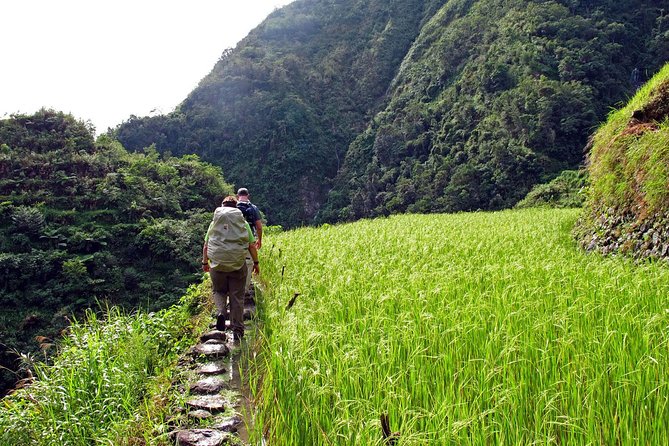
At $270 per person, you’re paying for a package that’s heavier on transport and guiding than most “just show up” treks. Included land transport covers the full overland route, including the overnight bus to and from the Banaue area (with your Manila accommodation mentioned as a Village accommodation). You also get a professional guide, activity fees, and one night of village inn lodging. A single breakfast is included too.
What’s not included is where you need to plan ahead:
- Hotel pickup/drop-off in Manila (you meet at a set point)
- Most meals (food costs extra)
- Travel insurance
- Personal trekking gear like a good backpack and hiking shoes/boots
You’ll also likely want to budget for options that keep the trek easier. The tour requires you to carry a backpack with two days of clothes, but there’s an option to hire a porter if you’d rather not carry it all yourself.
Bottom line on value: if you want a guided trek with transport and lodging taken care of, this price can feel fair. If you’re already set up with gear, porter help, and you prefer full independence, you may find cheaper alternatives. But you’d be doing more planning yourself.
Meeting point and timing: start at 9pm, walk early
This starts with a late meeting—9:00 pm at Ohayami Trans, Sampaloc (Fajardo St, Manila). You assemble in the evening, then travel through winding mountain roads while you sleep on the bus.
Why that matters: it compresses travel fatigue into the night. By the time you’re awake in the morning, you’re already closer to Banaue, and your first hiking day feels like the start of the trip rather than a long travel slog.
On the last day, the tour returns you to the same bus station where it started, with arrival around 3:00 am. Then the activity ends back at the meeting point.
Day 1: Manila to Banaue, then your first terraces pulse
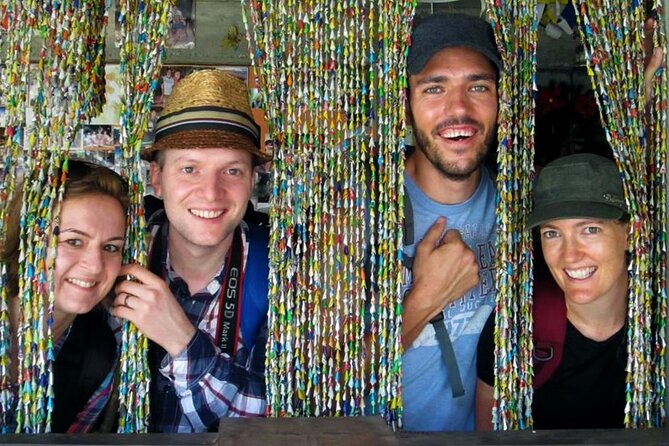
Day one is mostly transit with a payoff. The group assembles in Manila in the evening, and after the overnight ride you’ll wake up in Banaue, the base town for the 2000-year-old rice terraces.
Even though this day is not described as a long hike, it’s still part of the acclimation. You’re moving into hill-country rhythm: cooler air, steeper roads, and a different feel to the landscape once you’re actually there.
If you’re the type who gets restless on a bus ride, here’s your plan: keep your daypack light, bring a warm layer for the bus and early morning, and save energy for the next day when you’ll be on trails for hours.
Day 2: Banaue terraces viewpoint, then Cambulo and Batad
Day two is where the trek becomes real. You’ll start with a tricycle ride to the Banaue Rice Terraces view deck. It’s short—about 15 minutes—and the timing is good. You get terraces views without draining your legs first.
Then the hike begins from Kinaking. The first leg is to Cambulo, described as the first Ifugao village on your route. It’s about a 4-hour hike, and you’ll also pass the terraces viewpoint area on the way.
What you’ll likely notice as you hike: the terraces are not a single view. The trail changes angles constantly. You go from “wow, terraces” to “wow, scale,” because your walking path reveals new cuts of the fields.
After Cambulo, you continue about 3 more hours to Batad, famous for an amphitheater-like stretch of terraces. You’ll sleep in a village inn with a spectacular terraces view.
This is also where rain can change the day. One review called out slippery parts due to rain. Even if you’re experienced, Ifugao trails can be slick. Wear shoes with traction, and don’t assume dry-season conditions.
Day 3: Tappiyah waterfalls in the morning, then Bangaan
Day three starts with a morning hike of about 3 hours. You’ll visit Tappiyah waterfalls, plus explore the village and rice terraces around Batad.
This section matters because it gives you a different kind of reward. Waterfall stops tend to break up the “steady slope” feeling of terrace paths. You also get a little time to look around the villages in a more grounded way—house clusters, small routes, and how the terraces sit right next to daily life.
After lunch, you hike another 3 hours to Bangaan, your final village on the adventure. The route includes passes through parts of the Ifugao region with rice terraces along the way, though the exact details beyond that are not spelled out here.
By this point, your legs will know the routine. You’ll be managing pace, hydration, and the way your feet feel after repeated climbs and descents. If you’re going to hire a porter, this is a good day to consider it in terms of comfort, because it’s mid-trip and fatigue can build quietly.
Day 4: a very early finish back toward Manila
Day four is about transfer, not another big day of hiking. Around 3:00 am, you arrive back at the same bus station where the trip started.
It can feel strange to do a trek for days, then have the finish happen in the dark. Still, the upside is that you’re not dragging out the hike at the end when your body is already tired. Instead, you get the earlier exit and a faster return toward Manila.
Once the bus ride is done, the activity ends back at the original meeting point.
Village inns and bathrooms: comfort is basic, but workable
You get one night in a village inn. These accommodations are described as very basic, with running water but communal bathrooms.
So don’t come expecting hotel comfort. Plan for practical comfort:
- Bring any personal items you rely on day to day.
- Expect shared bathroom situations.
- Keep your sleep layer ready—temperatures in the highlands can surprise you.
If comfort is a deal-breaker, you may prefer a different Banaue itinerary with fewer village nights. If you can handle simple lodging in exchange for real access to village life, this style of stay is part of the value.
Food and the one breakfast you do get
The biggest meal-related factor: food costs extra. Only one breakfast is included.
That means you’ll want to plan for lunch and dinner costs during the hike and at the villages. Bring cash if that’s feasible for the operator’s local payment habits (the tour notes only say food is extra, not exactly how meals are paid).
One important practical tip: one guide response mentioned a breakfast mix-up at an innkeeper level that required a refund. That’s not something you should expect, but it’s a reminder to confirm breakfast is actually included with your room arrangement when you check in.
Gear and carrying: what you must bring (and what you can offload)
The tour asks you to carry a backpack with two days worth of clothes. There’s also the option to hire a porter.
For comfort and safety, focus on basics that help you on muddy, steep, sometimes slippery terrain:
- Hiking shoes/boots with traction
- A backpack that you can handle for long walks
- A rain-ready layer, since the tour operates in all weather conditions
Because the trip runs in all weather, don’t pack just for sunshine. Even if you’re not expecting storms, trails can get slick fast.
Who this tour is best for
This is a good fit if you:
- Enjoy hiking as the main activity, not just a side quest
- Want terrace views up close and not only from viewpoint decks
- Prefer a small group so you don’t feel shuffled
- Are comfortable with basic lodging and communal bathrooms
- Can handle 6–7 hours of hiking on moderately hilly to steep terrain
It may be less suitable if you want a leisurely weekend. This is described as very physically demanding, and you’ll be walking most days for several hours.
Minimum age is 12, with children needing an adult.
Final verdict: should you book this Banaue–Ifugao trek?
I’d book it if your idea of a great trip includes sweat, terraces, and the real texture of Ifugao villages. The combination of small group size, overnight transport, and a village inn night creates a stronger experience than a one-day terrace outing.
But decide carefully if you’re on the fence about difficulty. The hike is not mild, and rain can make it more technical on slippery parts. If you’re committed to good footwear, a steady pace, and simple lodging comfort, this tour delivers value in the places that matter—time walking, views you can’t get from a bus window, and contact with the communities that live around these terraces.
FAQ
How big is the group for this Banaue–Ifugao hiking tour?
The maximum group size is seven people per booking, with a professional guide.
How long is the tour?
The tour runs for about 4 days.
What’s included in the price?
Included are all land transportation, one night in a village inn, fees for the specified activities, a professional guide, a group tour, and one breakfast.
What meals are included, and what costs extra?
Only one breakfast is included. Other food and beverages cost extra.
Where do we meet, and when does it start?
You meet at Ohayami Trans, Sampaloc (1528 Fajardo St, Sampaloc East, Manila) at 9:00 pm. The trip ends back at the same meeting point.
What kind of physical fitness and gear do I need?
The physical demand is very high, with 6–7 hours of hiking per day on moderately hilly to steep terrain. You should bring personal trekking gear like a backpack and hiking shoes/boots, and you’ll carry two days of clothes (or you can hire a porter).