REVIEW · RIO DE JANEIRO
Rio de Janeiro: Garganta do Céu Guided Hike
Book on GetYourGuide →Operated by Nattrip Brasil · Bookable on GetYourGuide
That ridge line above Rio is no joke. This guided hike to Garganta do Céu delivers big views, a real workout, and a guide who handles the tricky bits. I love the mix of thick Atlantic rainforest walking and then that jaw-drop panorama over Guanabara Bay and the beach neighborhoods below. I also like how guides such as Thomas, Sérgio, and Juliana focus on safe technique and encouraging you through the steeper sections. One drawback: it’s shorter than the classic Pedra da Gávea trail, but it’s still steep enough that good footwear, steady footing, and strong nerves for rope work really matter.
You’re not just hiking for a photo. You’re moving through a rugged coastal setting where the route can feel physical, then you earn a viewpoint that makes Rio’s geography snap into place fast.
In This Review
- Key things to know before you go
- Rio’s steep “staircase to the sky” near Pedra da Gávea
- From forest trail to a rope-assisted mindset
- Getting to Garganta do Céu: steep steps, strong nerves, real payoff
- The viewpoint break: where Rio makes sense
- Descent back to Pedra da Gávea’s base (and why it’s its own challenge)
- What I’d call the real value: private guide support + safety + time on the mountain
- Pace, fitness, and nerves: who this hike suits best
- What to bring (and what to leave at home)
- Transportation and timing: make the day match your energy
- Guides: why the support feels like the difference-maker
- Should you book this Rio hike?
- FAQ
- Is this hike suitable for beginners?
- How long is the Rio de Janeiro Garganta do Céu hike?
- What languages are the guides?
- Does the tour include hotel pickup and transportation?
- What should I bring for the hike?
- Are food and drinks included?
- What’s not allowed during the activity?
- Is the hike accessible for people with mobility impairments?
Key things to know before you go
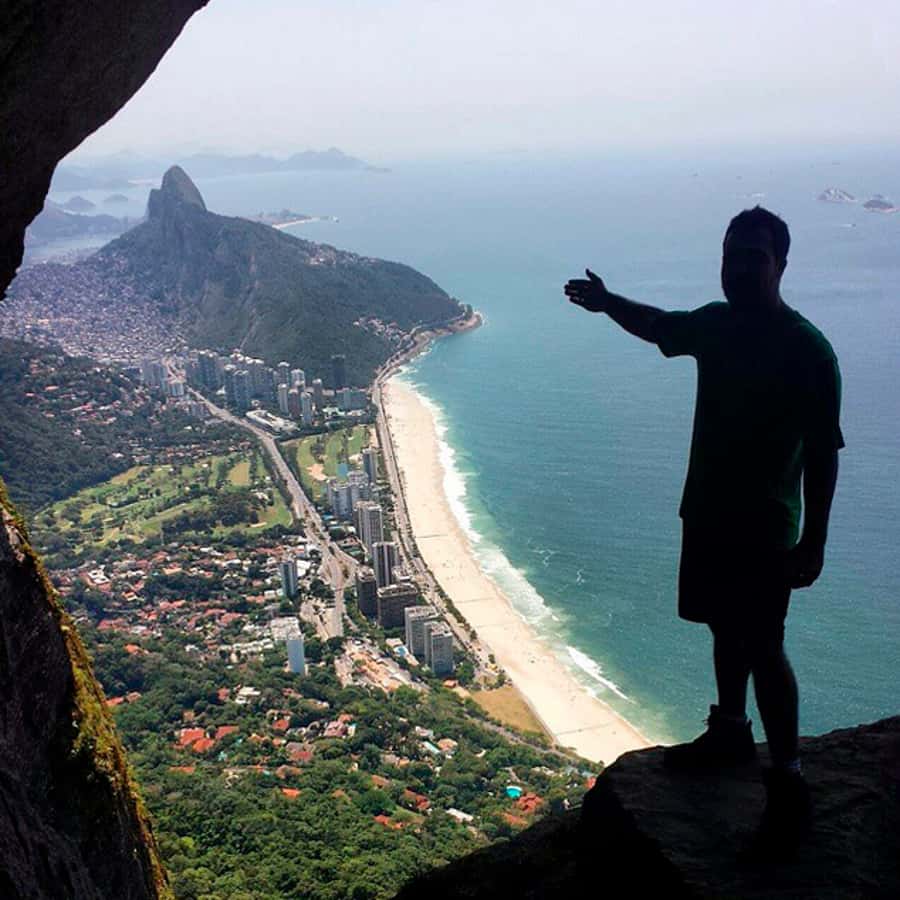
- Garganta do Céu viewpoint payoff: Expect standout panoramas over Guanabara Bay plus Ipanema/Leblon, São Conrado, and Barra Tijuca.
- Shorter, steeper route: Less distance, more climb; plan for cardio and concentration.
- Guide-led safety support: The guide provides the help and techniques needed for the steeper/rope sections.
- Wildlife-spotting moments: Keep your eyes open for native animals in the Atlantic rainforest.
- Weather can change the order: The sequence may shift for conditions, so keep some flexibility.
- Bring 3 liters of water: The hike runs about 8 hours and food isn’t included.
Rio’s steep “staircase to the sky” near Pedra da Gávea
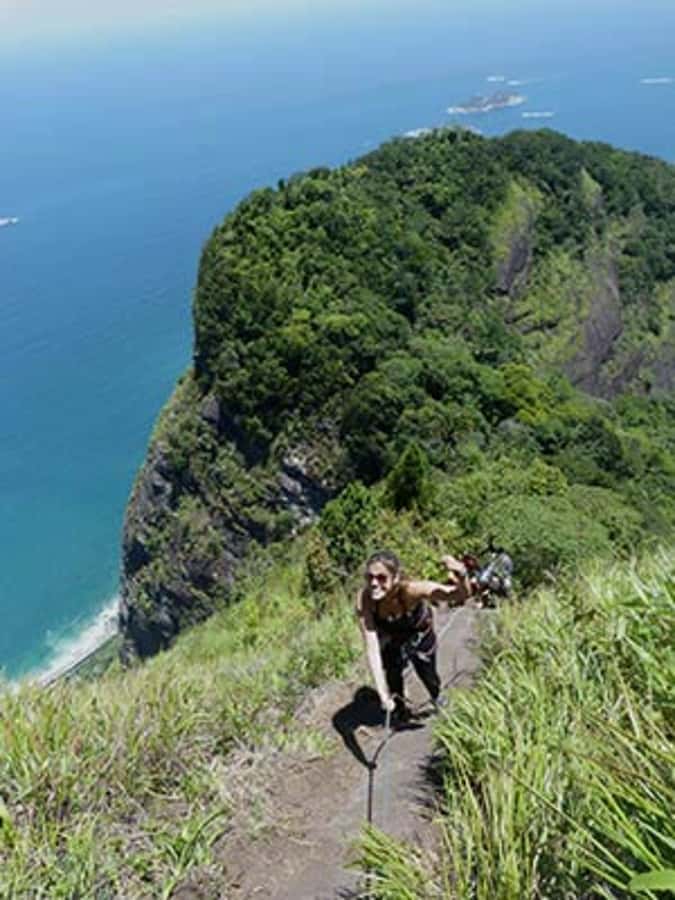
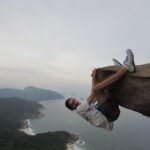
If you want Rio with gravity included, this is it. The hike centers on Pedra da Gávea, a monolithic rock by the sea that’s often described as a massive block of solid rock rising straight from the coast. The route to Garganta do Céu is considered more difficult than the traditional approach—not because it’s longer, but because it’s steeper and more demanding on balance and wayfinding.
The experience feels like two different worlds in one outing. First, the trail works its way through dense forest where the sounds change and your attention shifts from city scenery to roots, leaves, and the steady rhythm of climbing. Then you pop out at the viewpoint and Rio suddenly opens like a map you can look at with your own eyes.
I like that you don’t have to be an expert climber. You do need to be willing to work. Think steady steps, careful breathing, and listening when the guide explains safety moves. It’s that mix—effort plus expert guidance—that makes this hike worth it.
You can also read our reviews of more tours and experiences in Rio De Janeiro.


From forest trail to a rope-assisted mindset
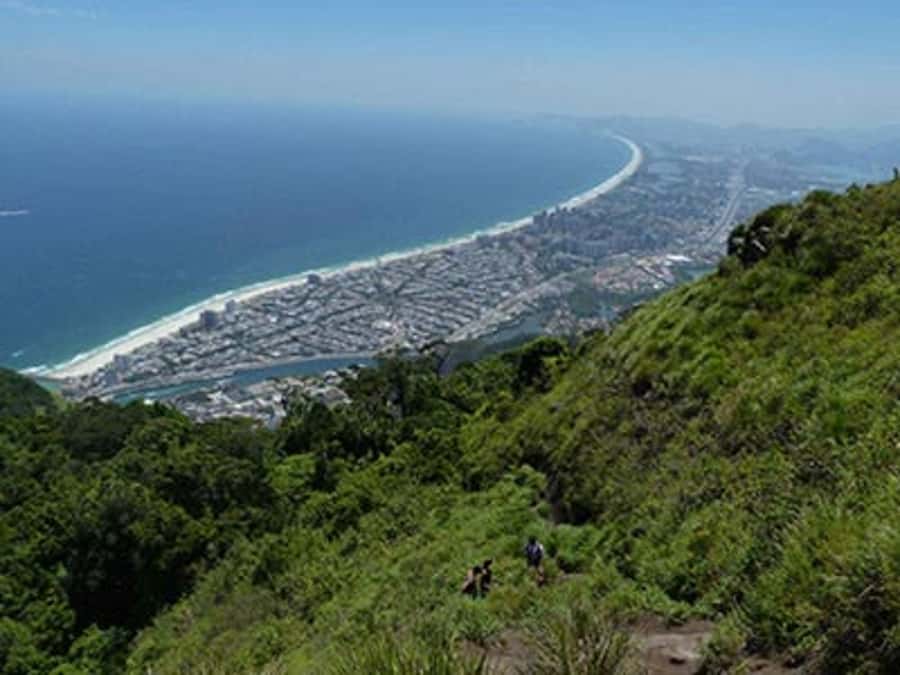
The day starts with a hike through dense forest alongside your specialist guide. This is the “quiet work” part. You’re moving under canopy, reading the trail, and getting used to a steeper pace than you might expect from a mountain-top day.
Here’s what makes it feel different from a casual nature walk: the route asks more of your body and your head. Even if it’s shorter than the classic Pedra da Gávea trek, the steepness is what drives the difficulty rating. You’ll want good grip shoes, a steady rhythm, and the ability to follow instructions without second-guessing.
Expect the guide to run the safety process with the group. The operator states they provide all assistance, including the safety techniques and procedures needed. In other words, you shouldn’t be trying to figure out the tricky parts on your own.
Getting to Garganta do Céu: steep steps, strong nerves, real payoff
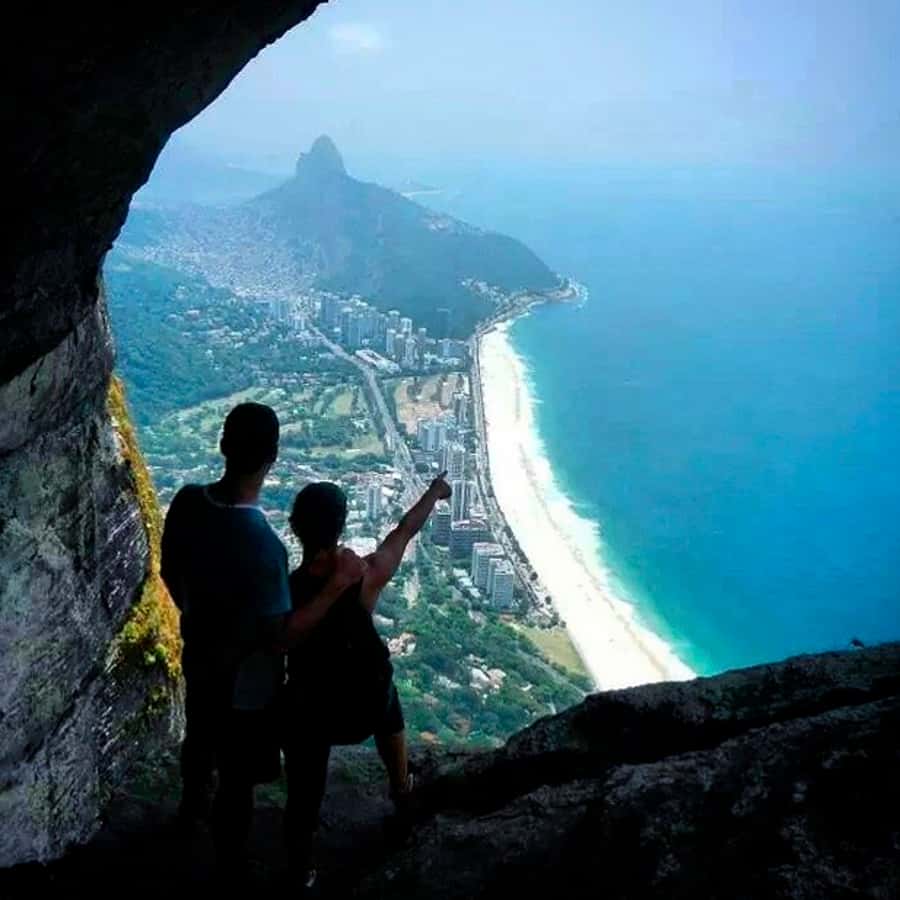
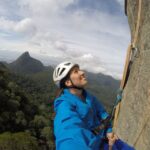
At a certain point, the hike shifts from “walk and climb” to “climb and focus.” People who get nervous on descents should know this: rope use is part of the experience in at least some sections. One guest singled out a rope descent moment and praised guide Thomas for being professional and encouraging when panic kicked in. That’s a good sign of the mindset you should look for: clear directions, calm support, and no drama.
If you’re the type who gets lightheaded or overthinks heights, don’t force it alone. This is exactly the sort of hike where you benefit from a guide managing pace and safety.
And yes, you’ll likely feel it in your legs. The “easy trek” label is something you should ignore if you’re comparing it to flat hikes. The operator explicitly notes that you need good orienteering skills. Even if you’re not navigating solo, it’s a clue: the terrain isn’t always forgiving, and you’ll be paying attention.
The viewpoint break: where Rio makes sense
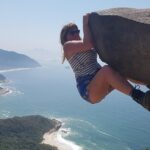
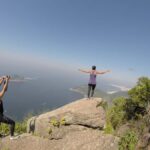
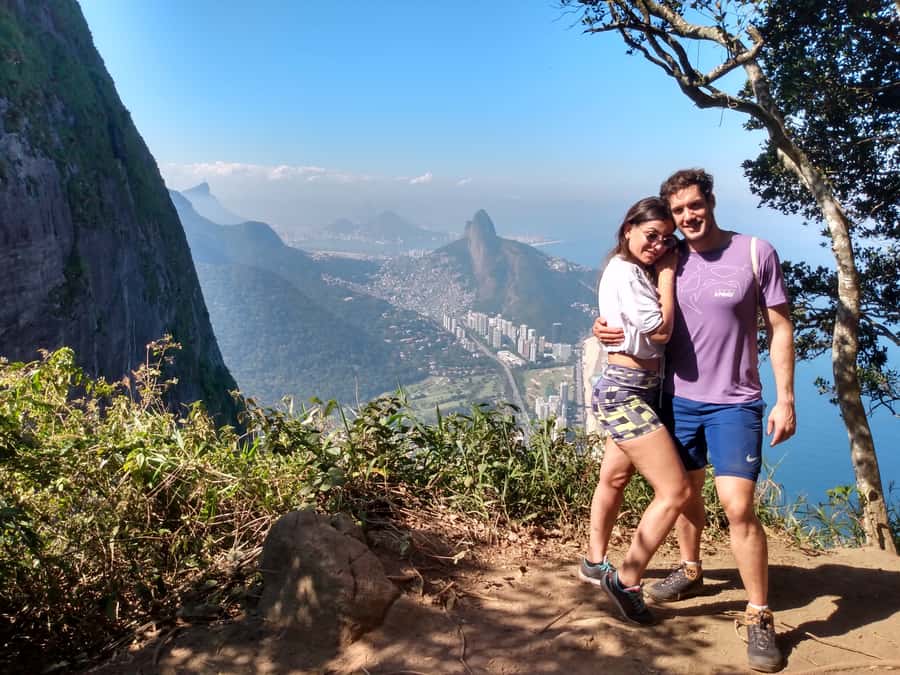
Then comes the reward at Garganta do Céu. Once you reach the viewpoint, you look out across Rio’s big-picture geography:
- Guanabara Bay
- Ipanema and Leblon
- São Conrado
- Barra Tijuca
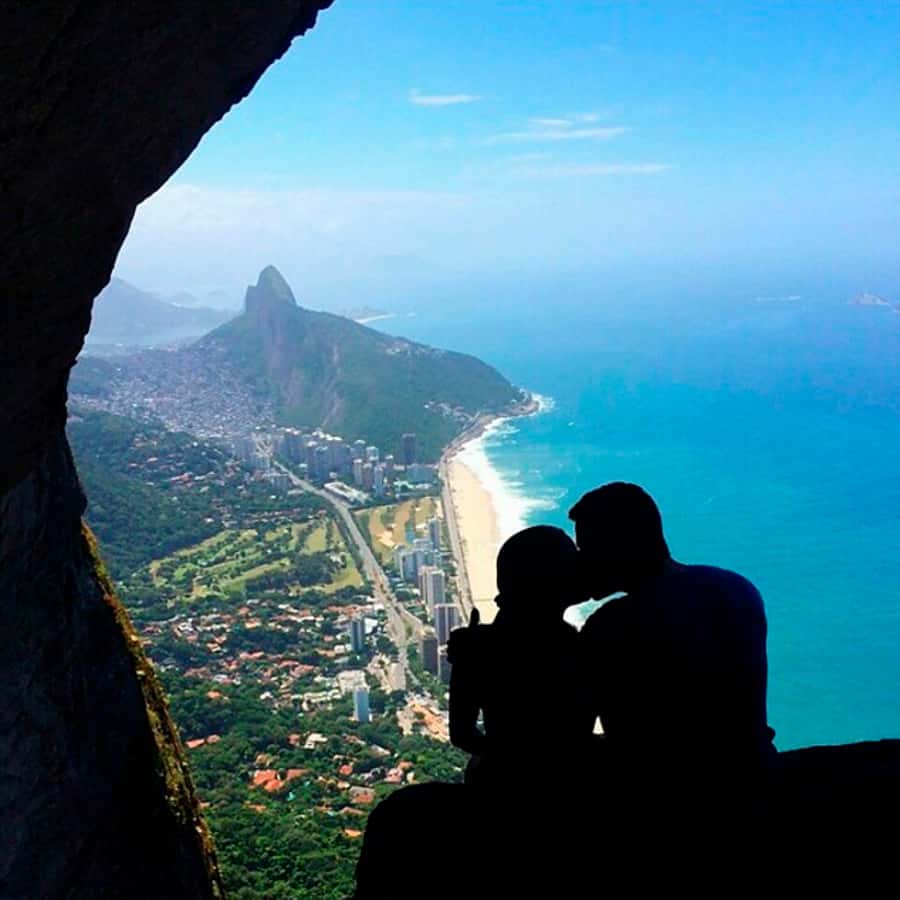
This is the part where you stop thinking about your next step and start understanding what you’re seeing. Rio spreads out in layers—water, neighborhoods stacked along the coast, and hills that explain why the city has such strong views in every direction. It’s not just scenic; it’s educational in a practical way. You get orientation for the rest of your trip.
Before you start down, you’ll catch your breath. That pause matters more than people think. When you’re descending, control is everything—muscle fatigue makes slips more likely, and rushing makes knees and ankles complain.
Descent back to Pedra da Gávea’s base (and why it’s its own challenge)
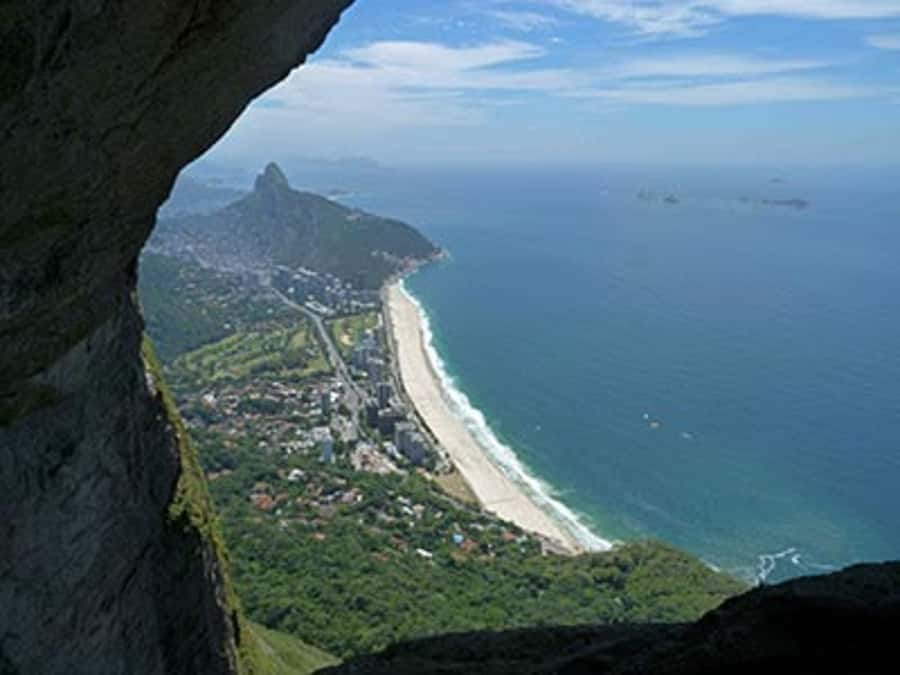
Downhill is where many people feel the day most. You’re tired, you’re still on a steep route, and you need to keep good balance—especially if rope sections are involved. The good news is that the guide remains responsible for safety support and group coordination.
You’ll return to the base of Pedra da Gávea after the viewpoint portion. Once you’re back down closer to the trailhead area, the outing shifts from technical hiking back to winding down.
One of the underrated parts: along the way, keep your eyes open for native wildlife in the Atlantic rainforest. You’re not guaranteed to spot anything specific, but the rainforest context is real. That means you may notice movement—birds, small animals, and general life that doesn’t show up in city parks.





What I’d call the real value: private guide support + safety + time on the mountain
Let’s talk money. The price is listed as $231 per group (up to 1), for an 8-hour guided outing. That’s not cheap in the “coupon deal” sense, but it can be fair value when you think about what you’re buying:
- A specialist bilingual eco-adventure guide (Spanish, English, Portuguese)
- Provided help for safety techniques and procedures during the harder sections
- Personal accident insurance included
- Transportation to and from hotels in the touristic zone (if you choose that option)
- A route experience that’s far less “DIY” and far more “guided and managed”
If you’re traveling with someone and you can split costs, this becomes more attractive. If you’re solo, it’s basically like buying a private safety-and-navigation service that lets you attempt a steep, demanding hike with professional support.
Also, food and drinks aren’t included. That’s worth budgeting. I’d plan a light snack and at least enough water so you’re never thinking about hydration at the worst possible moment.
Pace, fitness, and nerves: who this hike suits best
This isn’t for everyone. It’s not suitable for people with mobility impairments, and wheelchair users can’t join. Beyond that, you should self-check three things:
- Steep terrain tolerance: You need to be comfortable hiking uphill and downhill on uneven ground.
- Concentration and basic route sense: The route is steeper and considered difficult, with orienteering skills part of the equation.
- Mind for rope/height moments: If you’re prone to panic, the guide support can help, but you still need to choose this knowingly.
On the bright side, multiple experiences describe the day as tiring but amazing, with strong encouragement from the guide and a top view that makes the effort feel justified.
What to bring (and what to leave at home)
You’ll get the best results if you come prepared for a full, physical half-day.
Bring:
- Hiking shoes with good grip
- Water (the guidance recommends bringing up to 3 liters)
- Daypack (small backpack is fine)
Also smart based on the operator’s advice:
- Light snack
- Sunscreen
- Insect repellent
Leave at home:
- Pets
- Luggage or large bags
- Alcohol and drugs
And here’s the important line to take seriously: drug use, alcohol before or during the activity, and possession of weapons of any kind can lead to cancellation.
Transportation and timing: make the day match your energy
The hike runs about 8 hours. Starting times vary by availability, and weather can alter the order of sightseeing or hike sequence. The practical takeaway is simple: don’t schedule something too tight right after this. You’ll likely be sore, a bit dusty, and fully in “I need a shower and a calm dinner” mode.
Hotel pickup is available if your hotel is in the touristic zone of Rio. That reduces friction. You can focus on hiking instead of figuring out logistics.
Guides: why the support feels like the difference-maker
Good guides don’t just keep you safe. They keep you moving.
This hike includes assistance throughout, and it’s not vague help—it’s described as guidance for safety techniques and procedures. In the feedback you’ll see the names Thomas, Sérgio, and Juliana connected to encouragement, motivation, and professional support during harder parts.
That matters because steep hiking has a rhythm problem. You might be physically capable, but if fear hijacks your pacing, you burn energy fast and make mistakes. A guide who can read the group and coach through rough moments makes the experience smoother—and safer.
Should you book this Rio hike?
Book it if:
- You want one of Rio’s best viewpoint experiences without relying on cable cars or crowded city overlooks.
- You’re comfortable with steep climbs and at least some rope/controlled descent sections.
- You like rainforest hikes where wildlife-spotting is part of the atmosphere.
- You value a private, guided setup with safety support and hotel pickup.
Skip it if:
- You need a low-slope walk or you’re not confident on uneven, steep terrain.
- Heights and rope descents reliably trigger panic for you.
- You can’t manage 8 hours of active hiking (even if the route is shorter than the classic trail).
If you do book, treat the day like training plus payoff. Wear grip shoes, carry enough water, eat a light snack, and listen closely on the technical parts. The viewpoint over Guanabara Bay and the coast is the kind of payoff that makes the effort feel worth it—especially when you can finally see Rio’s shape all at once.
FAQ
Is this hike suitable for beginners?
It’s considered more difficult than the traditional Pedra da Gávea trail because it’s steeper. You’ll need good physical condition, attention, and the ability to handle steeper sections with guide support.
How long is the Rio de Janeiro Garganta do Céu hike?
The total duration is 8 hours.
What languages are the guides?
The live guide is available in Spanish, English, and Portuguese.
Does the tour include hotel pickup and transportation?
Hotel pickup and drop-off are included if you choose the transportation option, and pickup is available for hotels in the touristic zone of Rio de Janeiro.
What should I bring for the hike?
Bring hiking shoes, water, and a daypack. It’s also recommended to bring a light snack, sunscreen, insect repellent, and enough water (the guidance suggests 3 liters).
Are food and drinks included?
No. Food and drinks are not included.
What’s not allowed during the activity?
Pets are not allowed, and you can’t bring luggage or large bags. Alcohol and drugs are also not permitted, and weapons of any kind are not permitted.
Is the hike accessible for people with mobility impairments?
No. It’s not suitable for people with mobility impairments, and it isn’t for wheelchair users.