REVIEW · RIO DE JANEIRO
Rio: Tijuca Forest Small Group Hike to Caves and Waterfalls
Book on GetYourGuide →Operated by Jungle Me · Bookable on GetYourGuide
A rainforest escape above Rio’s noise. This small-group hike strings together caves, chapels, and waterfalls inside Tijuca Forest National Park. I love how the route mixes 19th-century coffee-plantation history with real physical effort, and I also like the practical hotel pickup from Rio’s South Zone.
The biggest thing to consider: it’s a moderate climb on rough, up-and-down rainforest terrain (about 448 m elevation gain). Also, food and drinks aren’t included, so you’ll want to plan your snacks and water before you head out.
In This Review
- 5 Things to Love About Tijuca Forest Caves and Waterfalls
- Entering Tijuca Forest: A Quick Escape With Big Payoff
- Hotel Pickup From Rio’s South Zone: Less Waiting, More Walking
- The 6.2 km Moderate Hike: Your Real Workout Check
- Cascatinha Taunay and Baronesa Cascade: Waterfalls You Can Feel
- Morcego’s Grotto and the Cave Factor: A Different Side of Tijuca
- Coffee-Plantation History, Mayrink Chapel, and Ruins in the Forest
- Cova da Onça, Secret Stops, and Photo Viewpoints: How the Day Gets Painted
- Wallace Fountain and the English Philanthropy Thread in Rio
- What About Wildlife: Expect Plants and Structure First
- Gear and Food: The Practical Stuff That Makes or Breaks Comfort
- Guides Like Pietro, Vinnie, Riccardo, Luiza, and Renata Make the Day
- Price and Value: Where $69 Actually Lands for You
- Should You Book This Tijuca Forest Caves and Waterfalls Hike?
5 Things to Love About Tijuca Forest Caves and Waterfalls
- Hotel pickup in Copacabana, Ipanema, Leblon, and more keeps your morning simple and focused on the forest
- Cascatinha Taunay and Baronesa Cascade deliver major waterfall time, including a shower moment
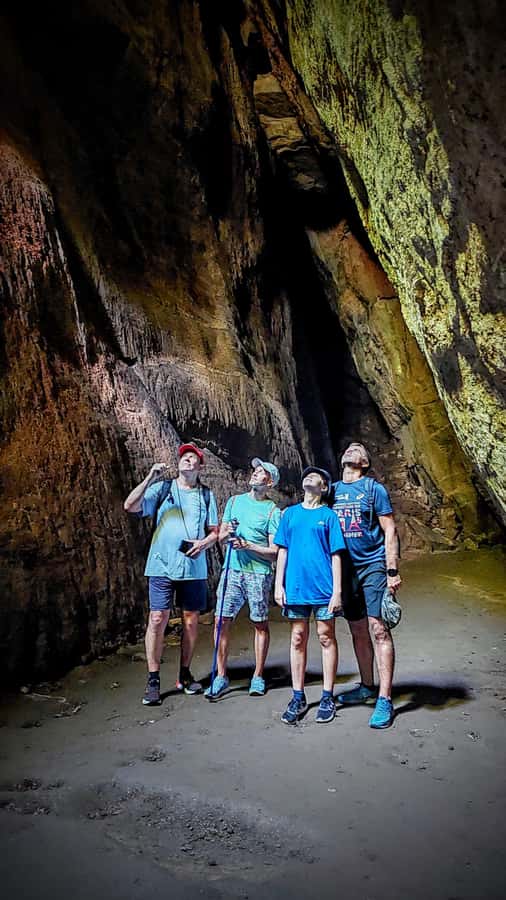
- Morcego’s Grotto (bat cave) adds the cave factor with a stop at one of Brazil’s biggest gneiss caves
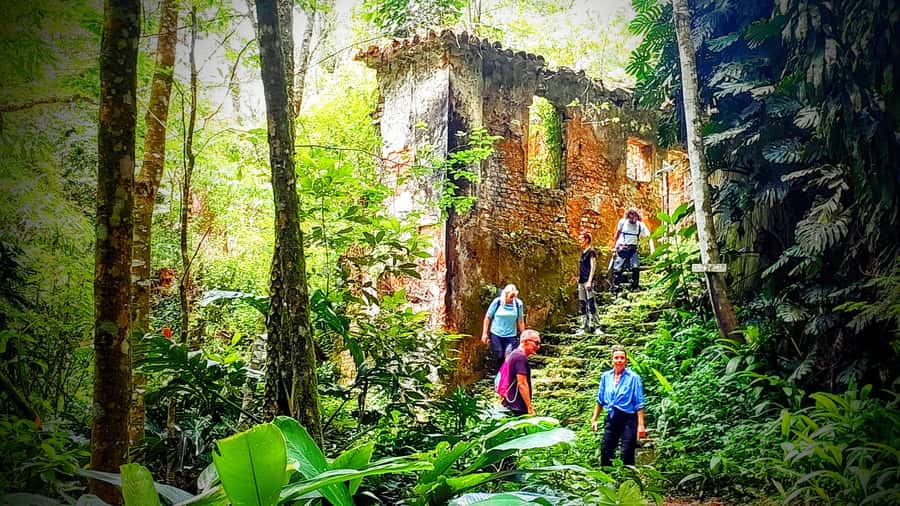
- Coffee-era ruins and Mayrink Chapel from 1850 turn the hike into a walking timeline
- Small-group pacing lets your bilingual guide (English/Portuguese) slow down for questions and photo stops
Entering Tijuca Forest: A Quick Escape With Big Payoff
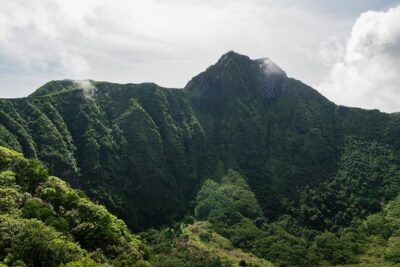
Rio does a great job of tricking you. You’re in the city, then you’re walking under tree cover that feels like a different planet. Tijuca Forest National Park is famous for being right next to Rio, and this tour leans hard into that contrast.
What makes this experience click is that it’s not just trail time. You’re guided through nature and the human footprint that shaped the forest long before it was protected. The day is built around stops like Cascatinha Taunay, Mayrink Chapel (1850), and Morcego’s Grotto, so you keep moving while also collecting moments worth remembering.
You can also read our reviews of more tours and experiences in Rio De Janeiro.


Hotel Pickup From Rio’s South Zone: Less Waiting, More Walking

If you’re staying in Copacabana, Ipanema, Leblon, Leme, Flamengo, Santa Teresa, Gloria, Catete, Urca, or Praia de Botafogo, you’re in the sweet spot for this tour. The provider offers pickup and drop-off from a long list of designated hotels, and you don’t have to fight public transport with hiking shoes on.
I also appreciate the way this affects your day. You lose less time getting to the park, so your 6-hour total day actually feels like a real half-day adventure. One note: people sometimes find the van tight—especially if you’re tall—so wear what you can move in comfortably.
The 6.2 km Moderate Hike: Your Real Workout Check
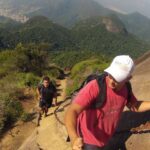
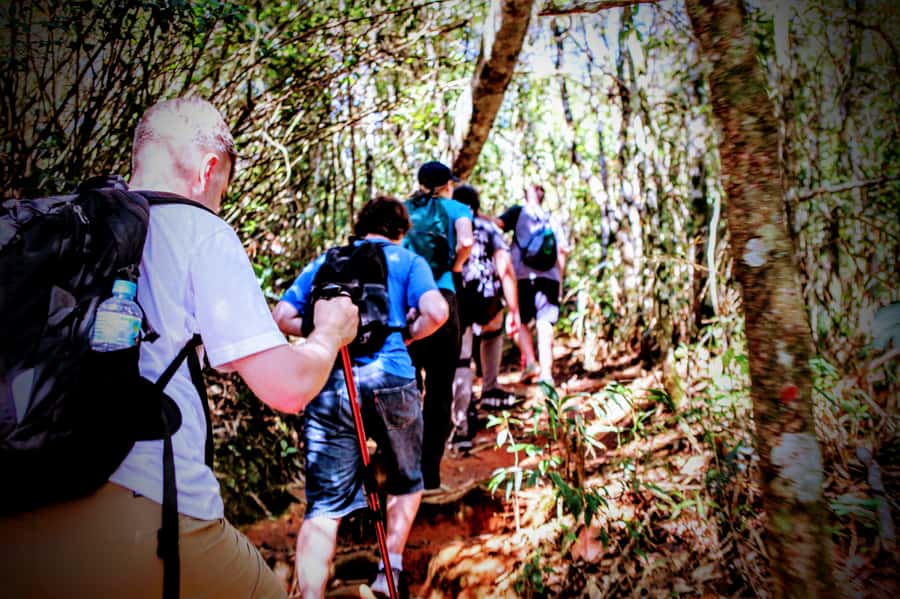
The hike is listed as moderate: 6.2 km (about 3.8 miles) with 2.5 to 3 hours of hiking time and an elevation gain of 448 m (1,469 ft). That’s not an all-out summit day, but it isn’t a casual stroll either. You’ll be moving up and down on rough rainforest terrain.
I’d frame it like this: if you can handle a steady climb and you’re comfortable with uneven ground, you’ll feel good. If you struggle with steep sections, this might feel harder than you expected—so you’ll want to bring good footwear and be honest about your fitness.
This also explains why the tour isn’t recommended for people with heart problems or for wheelchair users. The environment and the route are part of what makes the day work, so it’s not built for slow, flat pacing.
Cascatinha Taunay and Baronesa Cascade: Waterfalls You Can Feel
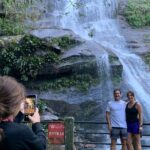
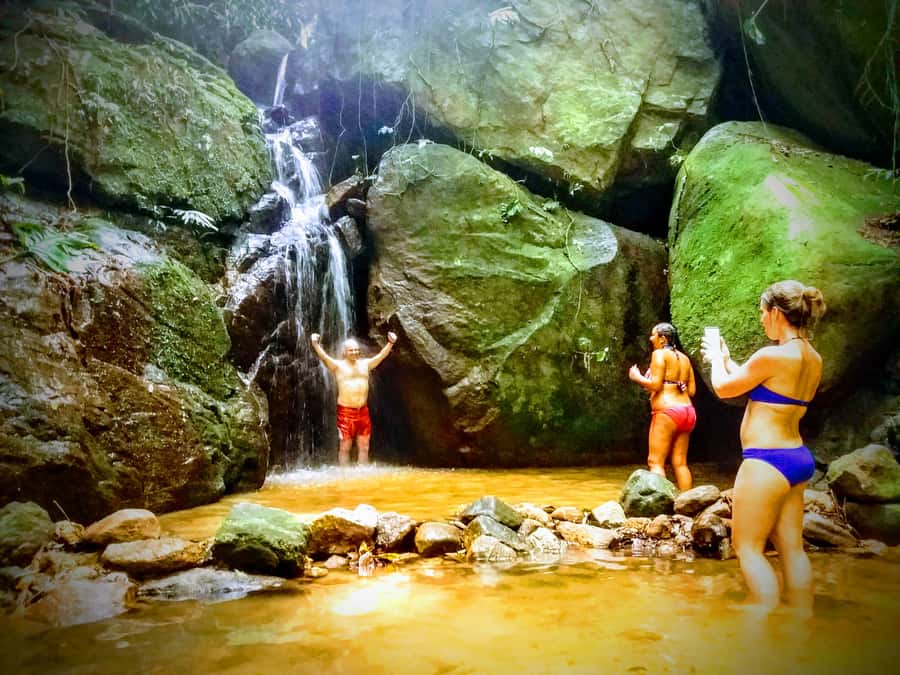
Waterfall tours in Rio can sometimes be mostly photos. This one gives you more than that. You visit Cascatinha Taunay, described as the largest waterfall in the park, plus you’ll get time at Cascata da Baronesa, where you can cool off under the falls.
That waterfall-shower moment matters. It’s the kind of experience that instantly resets your mood: cool air, spray on your skin, and the sound of water drowning out everything else. It’s also why the day feels like a full circuit instead of a series of quick look-and-leave stops.
If the weather is wet, you may find the trail changes texture—so take care with footing. Waterfalls are worth it, but they also come with slick ground in a rainforest.
Morcego’s Grotto and the Cave Factor: A Different Side of Tijuca
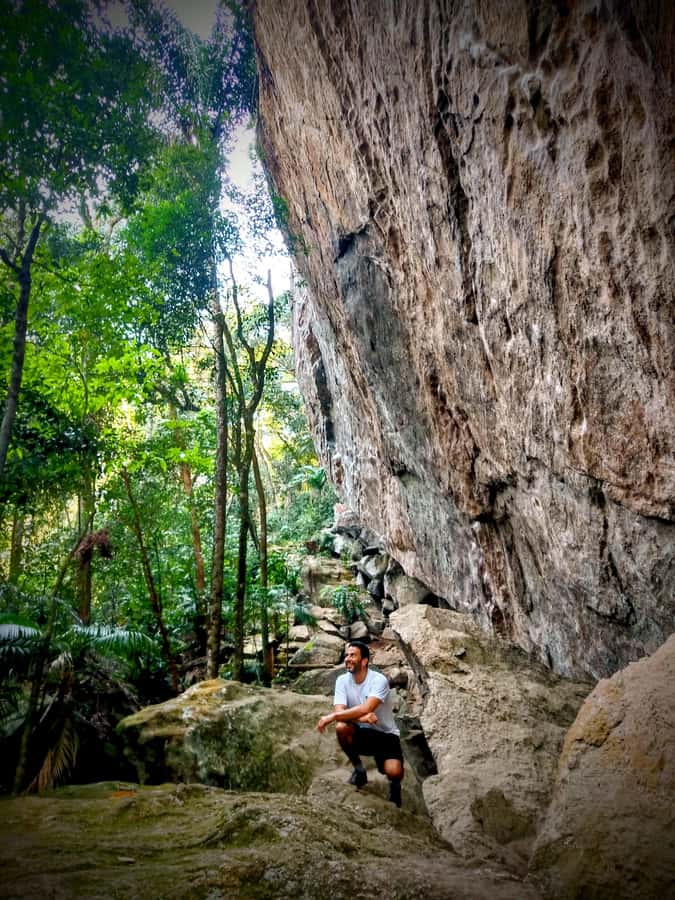
One of the tour’s most memorable angles is the cave stop. Morcego’s Grotto (the bat cave) is described as the largest gneiss cave in Brazil. Even if you’re not a “caves person,” this kind of stop adds variety right when the rainforest routine could start to feel repetitive.
Caves also change the pacing. You’re not just walking through greenery—you’re pausing for a different kind of environment. It’s a reminder that Tijuca isn’t only about waterfalls and views. It’s geology, too.
And if animals are on your mind, caves are part of why the guide pays close attention to what’s around. Sightings aren’t guaranteed, but the day is set up to keep your eyes open for wildlife without forcing anything.




Coffee-Plantation History, Mayrink Chapel, and Ruins in the Forest
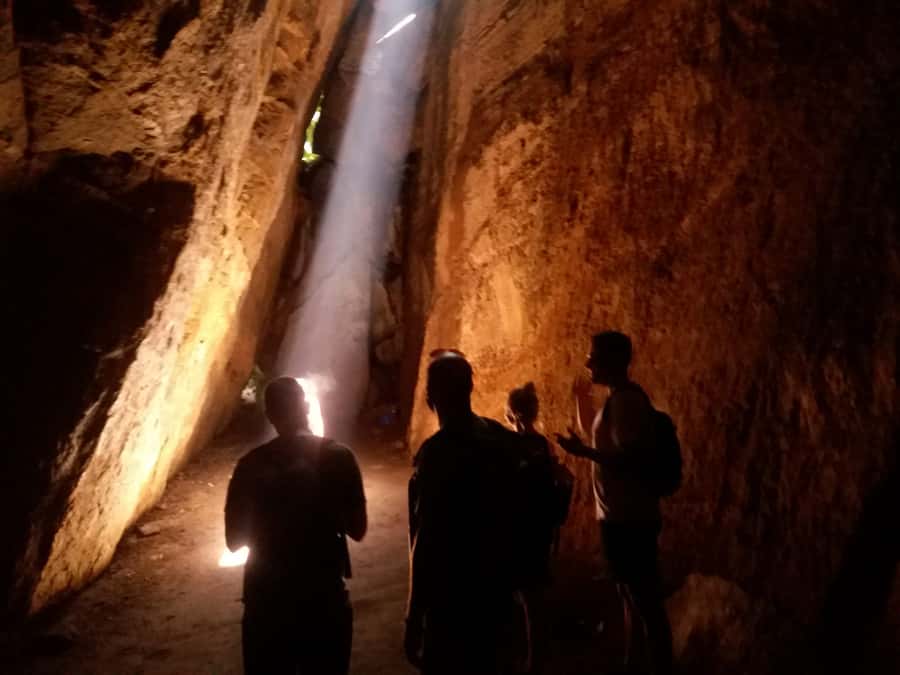
Tijuca’s story isn’t abstract. It’s written into the route you walk. The park preserves a landscape that once held coffee plantations, and the trails you hike on were made in the 19th century. That’s a big part of why the day feels educational without turning into a classroom.
A few stops that bring this to life:
- Capela Mayrink (from 1850): a chapel stop that gives you a human scale to the forest’s past.
- Old coffee-era relics and ruins: you’ll explore what’s left of that plantation period while staying inside the park’s ecosystem.
- Eucalyptus Forest and an old slave cemetery: this is one of the stops that shifts the mood. It’s a hard reminder that Brazil’s plantation history wasn’t just scenery.
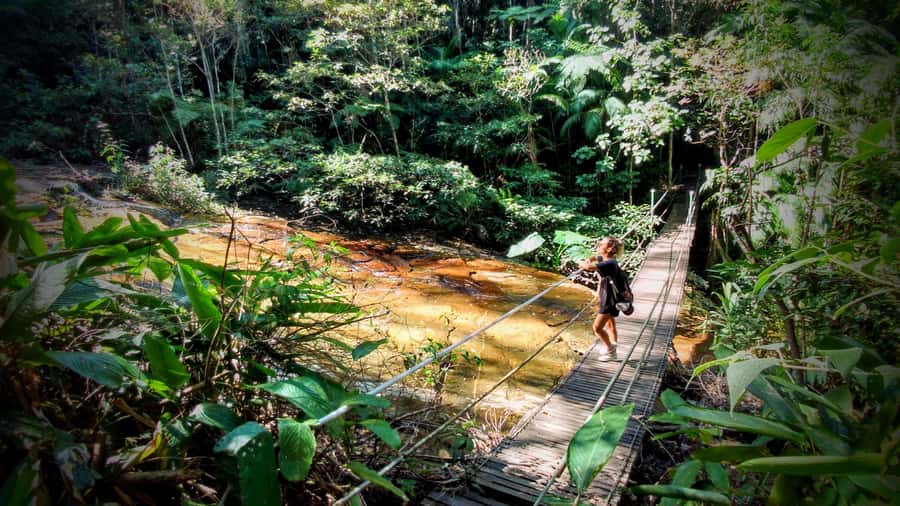
- Cova da Onça Suspension Bridge: a quick structure-focused moment that breaks the trail rhythm.
I also like that the tour doesn’t treat history as a single lecture. It threads history into what you’re seeing—so each stop feels connected to the bigger picture of how the park became what it is today.
Cova da Onça, Secret Stops, and Photo Viewpoints: How the Day Gets Painted
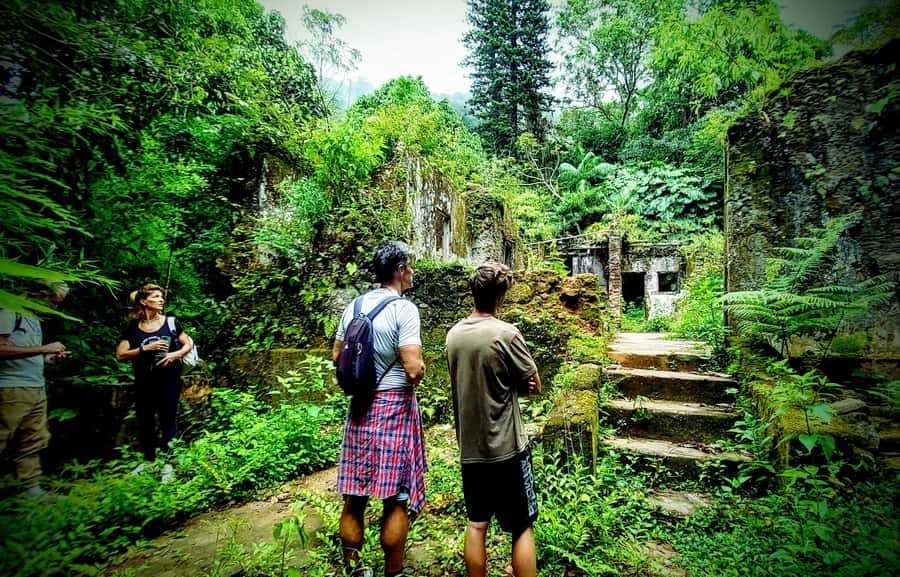
Not every stop is a landmark. Some are intentionally small: guided photo moments, viewpoint breaks, and one listed secret stop. These pauses matter because they prevent the day from turning into pure hiking.
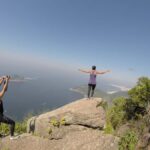
You also get scenic breaks like Mirante da Palmira and a general viewpoint/photo stop on the way. I’d use these moments strategically. If you’re tired from the climb, take a seat, hydrate, and reset your legs before you push back into the forest again.
Along the circuit, you’ll also pass places tied to park management and old residences, including the former residence of Barão d’Escragnolle, now associated with The Esquilos restaurant. These stops help you understand that the forest wasn’t saved by magic—it took planning, land use changes, and people.
Wallace Fountain and the English Philanthropy Thread in Rio
Every now and then, Tijuca history connects back to broader Rio culture. The tour includes Wallace Fountain, a gift from English philanthropist Richard Wallace to Brazil, produced in France in 1870.
It’s not just “a fountain stop.” You also learn about the sculpture theme: goodness, charity, sobriety, and simplicity. This is a good contrast to the rainforest stops, and it gives your brain a break while keeping the day anchored in Rio’s identity.
What About Wildlife: Expect Plants and Structure First
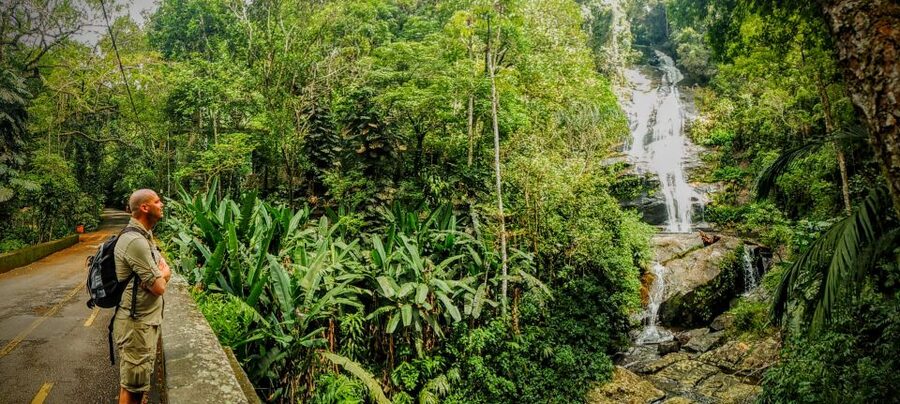
If you’re hoping for a zoo-style day of monkeys everywhere, adjust your expectations. What’s consistent on this tour is the environment itself: rainforest plants, cave structure, waterfall power, and the way the trail cuts through a recovering urban forest.
That said, you may be lucky. Some hikers report animal sightings like sloths, coatis, and monkeys, and the guides clearly watch for signs while you’re walking. The best strategy is simple: don’t stop every 10 minutes, but do look up and scan the understory when your guide calls attention to it.
Even when wildlife is quiet, the flora and the rainforest textures still deliver. The guide’s job is to help you notice the details you’d otherwise miss, like plant shapes, habitat clues, and how the terrain supports different life.
Gear and Food: The Practical Stuff That Makes or Breaks Comfort
This tour gives you the route and the guide. You’re responsible for the comfort basics.
Bring what the tour requests:
- Food and drinks, plus snacks
- Sunscreen
- Water
- Insect repellent
- Sports shoes and sportswear
- A daypack
Plan for a day where you sweat. A moderate climb plus humidity means your water needs matter.
Also, follow the rules: no pets, no luggage or large bags, no alcohol or drugs, and no bare feet. It’s a jungle setting, not a beach promenade—so pack like you’re going to move.
And a small but important detail for insurance: you’ll need to provide your passport number, birth date, and full name.
Guides Like Pietro, Vinnie, Riccardo, Luiza, and Renata Make the Day
The guide is a big reason this tour has such high satisfaction. Different guides run different days, but the pattern stays the same: bilingual interpretation (English/Portuguese) plus both history and geography that connects Brazil, Rio, and the rainforest you’re hiking.
I noticed a recurring theme in how guides lead. People talk about guides like Pietro and Vinnie being passionate and engaging, with guides such as Riccardo, Luiza, and Renata also praised for mixing upbeat energy with strong explanations. Whether your style is storytelling or facts, you should feel supported on the trail.
Price and Value: Where $69 Actually Lands for You
At $69 per person for a 6-hour outing, the value comes from three things working together:
1) you get guided access to multiple specific sites (waterfalls, chapel, cave, bridge, viewpoints)
2) you get hotel transportation within Rio’s South Zone
3) you pay for a bilingual guide plus insurance, not just “someone to show you the path”
Compared with DIY planning, you also avoid piecing together transport and finding trail connections across the park. You’re paying for a circuit that was designed to fit half a day.
If your hotel pickup is available, the cost feels easier to justify. If your pickup isn’t available, you’ll likely use a nearby meeting point, which can affect how convenient the day feels.
Should You Book This Tijuca Forest Caves and Waterfalls Hike?
Book it if you want a half-day that mixes exercise, waterfalls, caves, and real history without feeling like a long full-day trek. It’s a great match for people staying in Copacabana, Ipanema, and nearby areas who want an organized way to experience Tijuca.
Don’t book it if you’re looking for an easy flat walk, you have heart concerns, or you need wheelchair-accessible terrain. And if you’re hoping for guaranteed wildlife, keep it realistic: this is a rainforest hike where the plants, geology, and human story are the main event.
If you’re comfortable with uneven trails and you show up with snacks and water, this is one of the more satisfying ways to spend time in Rio’s rainforest zone.