REVIEW · RIO DE JANEIRO
Sugarloaf – Hike and Easy Climb Sugarloaf’s Coast
Book on Viator →Operated by Tocorime Tour · Bookable on Viator
Sugarloaf is the kind of skyline you can hike into. This guided route mixes coastal walking with a short rocky climb, plus viewpoints over Guanabara Bay and Rio’s coastline. It’s small-group friendly, and with guides like Marius you get more than just steps—you get context for what you’re seeing.
I especially like the way the trail slowly “ramps up.” You start on a more mellow coastal path, then shift onto a dirt trail with rocks before you tackle the more technical climbing section with safety gear, one person at a time. I also love the summit break: coconut water and a snack, then a relaxed descent by cable car.
One consideration: the climb is real, and the hike isn’t for everyone. If you have low or high blood pressure, this one isn’t recommended, and if you’re expecting flat walking only, you’ll be surprised by the rocky parts.
In This Review
- Key highlights at a glance
- Sugarloaf’s Coast: Why This Route Feels Different Than a Sit-and-Stare Trip
- Meeting at Árabe Urca and Getting Oriented Before the Climb
- Pista Cláudio Coutinho to the Dirt Trail: The Views Start Early
- The Rocky Cliff Climb: How the Guided Section Works
- Pedra Filosofal Viewpoint: Beach and Mountain Layers
- Summit Break: Coconut Water, Snack, and a Moment to Breathe
- Down by Cable Car to Morro da Urca: The Smooth Exit
- Group Size, Price, and What You’re Actually Paying For
- What to Expect From the Fitness Level (and the Body Limits)
- Who This Tour Fits Best in Rio
- A Quick Reality Check on Timing and Weather
- Should You Book Sugarloaf’s Hike and Easy Climb?
- FAQ
- How long is the Sugarloaf hike and easy climb?
- What time does the tour start?
- Where does the tour begin?
- Is the group small?
- What’s included with the tour?
- Do you use equipment during the climb?
- Is this tour okay for all fitness levels?
- Is it recommended for people with blood pressure issues?
- FAQ
- Is there free cancellation?
- Do I need to book far in advance?
- What’s the end point of the tour?
Key highlights at a glance
- Small group (max 6) means less waiting and more time with your guide
- Coastal viewpoints from below Sugarloaf and later from Pedra Filosofal
- Guided climbing section with equipment, handled one at a time
- Summit pause with coconut water and a snack
- Cable car descent to Morro da Urca for an easy finish
Sugarloaf’s Coast: Why This Route Feels Different Than a Sit-and-Stare Trip

Most Sugarloaf plans are built around tickets, lines, and a quick camera run. This one is more like a guided “get your bearings fast” walk that gradually turns into an actual climb. You spend the early part moving along the coast with Sugarloaf and the natural park below you, so you’re not just arriving at the view—you’re earning it.
What makes this route especially good value is that the timing is tight and the payoff is clear. In about 3 to 4 hours you get coastal scenery, a technical moment, two viewpoints, and the cable car descent back toward Urca. For a first time in Rio’s landscape, it hits the essentials without turning your day into a full-day endurance test.
And yes, the guide matters. With Marius—helpful even before the tour with practical Brazil tips, and passionate about Rio’s local jungle—you don’t just get directions. You get a sense of how the place works: how the city sits against water, how the mountains shape views, and why the park trails feel different from the urban streets.
You can also read our reviews of more tours and experiences in Rio de Janeiro.



Meeting at Árabe Urca and Getting Oriented Before the Climb
You start at Árabe Urca, Av. Pasteur, 493 – Urca, with the tour starting at 2:30 pm. The meeting spot is close to public transportation, which matters in Rio where getting across neighborhoods can eat up time if you’re not careful.
Before you start moving, you’ll quickly get the “what we’re doing and why” briefing. Then you begin with a light walk along Pista Cláudio Coutinho, a coastal track that gives you an immediate sense of scale. From here, Sugarloaf Mountain and the natural park sit in your sights, and the coastline feels close even when you’re still on the easy side of the route.
This early segment does two useful jobs for you:
1) It warms up your legs without exhausting you before the climb.
2) It sets expectations, so the rocky parts later don’t feel like a sudden jump to hard mode.
Pista Cláudio Coutinho to the Dirt Trail: The Views Start Early

After about 10 minutes on the easier path, the route shifts onto a dirt trail with rocks. That short transition is important. It’s where your brain changes gears from casual walking to “pay attention to footing.”
As you climb higher, the panorama starts to open. You’ll see the far side of the city, including Guanabara Bay, the mountain range, and Niterói in the distance. Even before the climbing section, the route gives you that wow factor in slices—not one single distant postcard moment.
If you’re the type who hates waiting around for the view, this helps. You get movement plus scenery from the beginning, which keeps the energy up even though you’re still building toward the harder part of the route.
The Rocky Cliff Climb: How the Guided Section Works
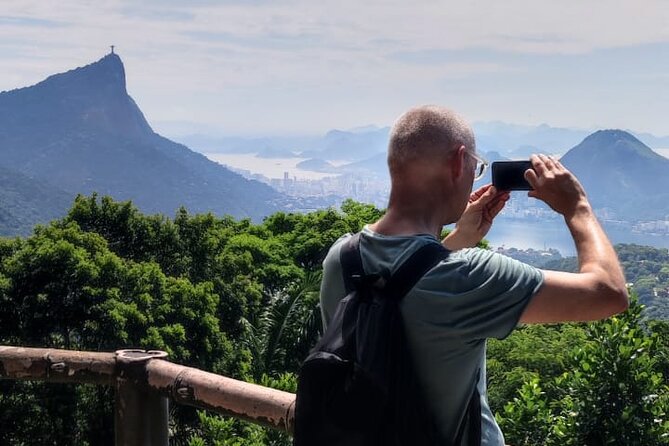
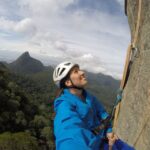
The main climbing section happens after you reach the base and gear up. The tour includes the necessary equipment, and the guide goes ahead to handle the route first. Then you go one at a time up the climbing portion.
That one-at-a-time setup is a big practical advantage. You’re not stuck watching a line of people shuffle slowly while your motivation drains. Instead, you get structure: you know when you’re moving, and your guide can focus on your specific pace and safety needs.
You should also know what kind of “hard” this is. It isn’t a long, punishing endurance climb. It’s more about footing, balance, and confidence on rocky terrain. You’ll feel it in your legs and core, but it’s not built to grind you for hours.
And because the climb sits in a high, coastal position, it gives you a view while you’re working. Looking over the edge changes the effort you feel. It turns the climb from a chore into a task with a reward every few steps.
Pedra Filosofal Viewpoint: Beach and Mountain Layers

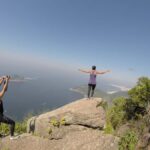
After the climbing section, you move to Pedra Filosofal, a viewpoint with sweeping sightlines across the coastline. From here, you can look down toward Leme and Copa beaches, plus the layered mountains of the Rio region.
This stop is worth it because it’s a different angle than what you get during the ascent. Earlier, the city and bay feel far and wide. At Pedra Filosofal, the coastline comes into focus, and the city starts to look arranged instead of random.
I also like that this viewpoint is a breather without being a dead end. It’s not just “stand and pose.” You’ll then proceed toward the summit, so the energy you used on the climb doesn’t disappear before the final reward.
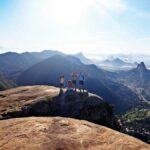





Summit Break: Coconut Water, Snack, and a Moment to Breathe
Once you reach the summit area, you get a relaxation break with coconut water and a snack. This part sounds simple, but it’s actually smart planning for real-world hikers. After rocky climbing, a chance to pause, sip something cold, and reset your breath makes the rest of the outing feel lighter.
This is also a good time to slow down visually. From the summit, Rio’s geography becomes easier to read. You can spot how Guanabara Bay curves, how the city presses toward the water, and how the mountain chain shapes the skyline.
If you’re a wildlife watcher, you may get extra luck here too. On the trek, I’ve found small nature moments can pop up—like seeing things such as toucans, butterflies, and other tiny creatures moving through the greenery. You can’t bank on exact sightings, but the chance is real on this kind of route.
Down by Cable Car to Morro da Urca: The Smooth Exit
After the summit and your break, the route heads down by cable car to Morro da Urca. That cable-car finish changes the whole feel of the day. Instead of descending the same rocky way, you shift into a lower-stress endgame.
From Morro da Urca, you take a small trail back toward the starting area. The goal here is closure, not endurance. You’ll still feel like you did something, but you won’t be stuck grinding downhill after already tackling the climb.
This is also where the tour’s pacing makes sense. It gives your body a break at the right moment, so you finish still feeling good—not wrecked.
Group Size, Price, and What You’re Actually Paying For
The price is $78.41 per person, and the tour runs about 3 to 4 hours. It’s booked about 21 days in advance on average, which is a clue to take planning seriously if you’re traveling in a busy season.
So what are you really paying for?
- A guided route that handles the tricky parts, not just a self-guided walk
- Safety gear for the climbing section and a one-at-a-time approach
- Admission ticket included, with the route including the cable car descent
- A small group size (max 6 travelers), which keeps the experience personal
When you compare this to the cost of just doing the cable car on your own, the value swings because you’re adding guided terrain, a climb experience, and viewpoint pacing. You’re not buying “views only.” You’re buying an organized way to reach them without guessing the best way up and when to stop.
In short: if you want Sugarloaf with movement and guidance, this feels like a fair deal. If you only want an easy photo stop, it’s probably more hiking than you need.
What to Expect From the Fitness Level (and the Body Limits)
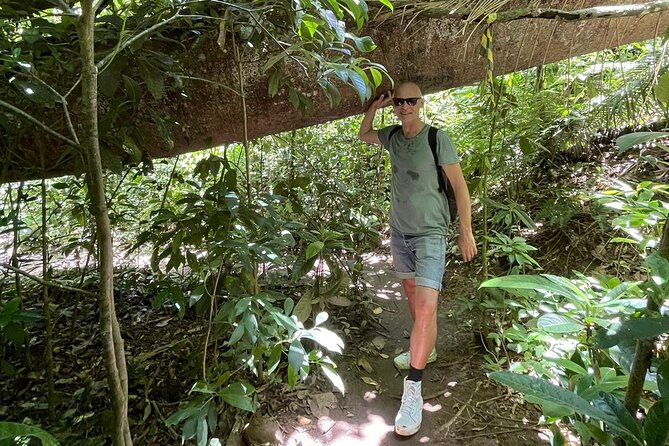
This outing calls for moderate physical fitness. That means you should be comfortable with a hike that includes rocky sections and a short climbing moment. You don’t need to be an athlete, but you do need steadiness and basic hiking stamina.
It’s also not recommended if you have low or high blood pressure. That’s not a “maybe.” It’s a clear cutoff, likely due to the combination of elevation, exertion, and the rocky nature of the climb.
If you’re unsure, you can treat this as a self-test:
- Are you used to uphill walking and uneven ground?
- Can you handle short technical sections without rushing?
- Would you be comfortable taking a step-by-step route with gear and a guide?
If your answer is no, you may prefer a gentler Sugarloaf option.
Who This Tour Fits Best in Rio
I’d point this tour at travelers who want a hands-on Rio experience. It’s ideal for:
- First-time visitors who want the “mountains + bay + city” perspective but still want exercise
- People who like guided context, not just photos
- Hikers who enjoy a mix—easy start, rocky middle, scenic viewpoints, easy finish
It’s less ideal if:
- You want a fully flat walk
- You have health conditions that make exertion unsafe, especially blood pressure issues
- You want to go at your own pace without any structured climbing segment
If you’re traveling with friends, the max group size helps keep the vibe social without turning into a crowded commute.
A Quick Reality Check on Timing and Weather
This starts at 2:30 pm and runs about 3 to 4 hours. Late afternoon is often a good time for light and views, but you’ll still want to bring common sense for conditions on a rocky trail.
Pack light, wear shoes with solid grip, and expect that the rocky areas will ask for attention. The guide is there for the climbing section, but your footing still matters.
Also, if you’re the type who needs long breaks to recover, this route is paced fairly actively. It’s structured around viewpoints and a summit break, not extended rest stops.
Should You Book Sugarloaf’s Hike and Easy Climb?
If you want Sugarloaf to feel like an adventure—not a checklist—this is a strong yes. The combination of a small group, guided route up a rocky section, major viewpoints (including Pedra Filosofal), and the cable-car descent makes it a complete experience in just a few hours.
Book it if:
- You’re comfortable with moderate hiking and short rocky climbing
- You like getting context from a guide like Marius
- You want a guided plan that avoids guessing the best path and timing
Skip it (or choose a gentler option) if:
- You have low or high blood pressure
- You’re looking for easy, flat sightseeing only
- You’d rather spend the afternoon relaxing instead of moving on uneven ground
If you’re on the fence, think of this as paying for structure: the climb, the gear, and the pacing. That’s what makes the price feel fair.
FAQ
How long is the Sugarloaf hike and easy climb?
It lasts about 3 to 4 hours.
What time does the tour start?
The start time is 2:30 pm.
Where does the tour begin?
You meet at Árabe Urca, Av. Pasteur, 493 – Urca, Rio de Janeiro – RJ, 22290-240, Brazil.
Is the group small?
Yes. The tour has a maximum of 6 travelers.
What’s included with the tour?
Admission ticket is included, and the route includes a cable car descent to Morro da Urca.
Do you use equipment during the climb?
Yes. At the base, you equip yourselves with the necessary equipment, and the guide goes ahead while people go up one at a time.
Is this tour okay for all fitness levels?
It’s described as suitable for travelers with a moderate physical fitness level.
Is it recommended for people with blood pressure issues?
No. It is not recommended for those with low and high blood pressure.
FAQ
Is there free cancellation?
Yes. You can cancel up to 24 hours in advance for a full refund.
Do I need to book far in advance?
It’s commonly booked around 21 days in advance on average, so booking ahead can help.
What’s the end point of the tour?
The activity ends back at the meeting point.