REVIEW · MARRAKECH
2 days Toubkal hiking from Marrakech
Book on Viator →Operated by Toubkal life trekking · Bookable on Viator
Toubkal hits hard, in a good way. This 2-day trek from Marrakech pairs a calm, safety-first guide like Aziz with a mule that carries your extra gear, so you can focus on walking and breathing. You’ll also get a taste of Imlil with waterfalls and Berber villages before spending the night in a climbers’ refuge near the mountain. One thing to plan for: winter conditions can turn the climb tougher than you expect, so don’t wing it—bring the right layers, and rent gear in Imlil if needed.
I like that this isn’t a long, vague “expedition” with lots of unknowns. It’s a straightforward two-day push: Day 1 up from Imlil to the base camp area, Day 2 the steep summit effort. You get round-trip transportation from Marrakech, meals included, and a private setup where it’s just your group.
In This Review
- Key Highlights You’ll Feel (Not Just See)
- From Marrakech To Imlil: Your Trek Starts Smooth
- Day One Walk: Imlil Waterfalls, Berber Villages, and Base Camp Territory
- Summit Day on Mount Toubkal: Steep Ground, Big Views
- Gear and Winter Conditions: What You Should Bring (and Rent)
- Food, Mule Support, and Refuge Sleep: The Trek Stays Human
- Your Guide Experience: Why Aziz Gets Consistent Top Marks
- Price and Time: Is $226.48 Good Value?
- Who Should Book This Toubkal Hike (and Who Might Think Twice)
- Should You Book This 2-Day Toubkal Trek?
- FAQ
- FAQ
- Is pickup from Marrakech included?
- What meals are included during the trek?
- Is a mule provided for luggage?
- What winter gear do I need to bring?
- What if I don’t have the equipment?
- Is this a private tour?
- What if weather is poor?
Key Highlights You’ll Feel (Not Just See)
- Aziz and team guidance: patient, encouraging pacing that keeps you moving when the air gets cold
- A mule for luggage: less weight on your back means more energy for the steep bits
- Imlil waterfalls and Berber villages: cultural stops that make the trek feel rooted, not just “climb, sleep, repeat”
- One night in a climbers’ refuge: you’re not commuting back and forth—this is real mountain rhythm
- Vegetarian meals available: you can request it ahead so you’re not improvising at mealtime
- Winter gear support: bring what you can, and rent the rest in Imlil at the departure point
From Marrakech To Imlil: Your Trek Starts Smooth
Your day begins with the practical stuff handled for you. Round-trip transportation from Marrakech is included, so you’re not spending your first hours figuring out buses, shared taxis, or timing. You’ll also get a mobile ticket, which helps when you want a quick, no-fuss check-in.
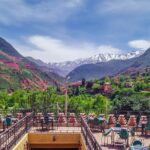
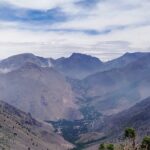
Once you’re on the way, the vibe shifts fast—from city traffic to High Atlas air. This is where Imlil matters. It’s not just a starting point; it’s a living mountain village where the walk starts to make sense. You’ll have time to move through the waterfalls area and visit nearby Berber villages, which adds context to what you’re climbing for. Instead of treating the mountain like a theme-park ride, you’re seeing the human landscape around it.
One more detail worth noting: this is a private tour/activity, meaning it’s only your group. That usually makes pacing easier and communication simpler—especially on summit day when everyone’s focus narrows.
You can also read our reviews of more tours and experiences in Marrakech.
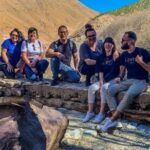
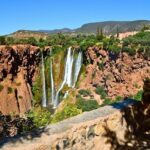
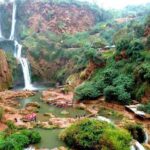
Day One Walk: Imlil Waterfalls, Berber Villages, and Base Camp Territory
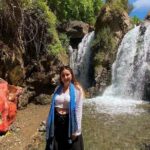
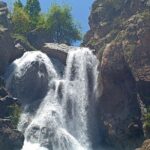
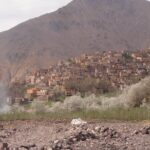
Day 1 is the “get your legs ready” day—and it’s more than a warm-up. You start around Imlil, hit the waterfalls area, and go through Berber villages. Those cultural stops are short, but they add texture. You’re not just counting steps; you’re moving through a place where people actually live with these mountains every day.
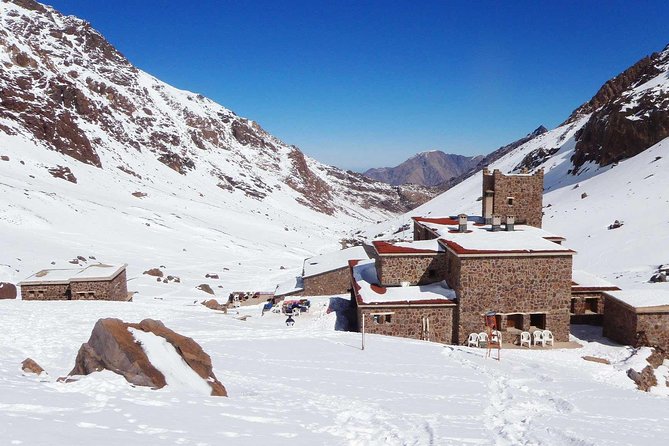
Then you transition into the hike from Imlil Valley toward Toubkal base camp. The route climbs steadily, and the whole day builds toward that first refuge night at the foot of the peak. You’ll sleep in a climbers’ refuge near where the real vertical work begins.
Meals are included on this day, with vegetarian options available if you request them. That matters more than it sounds. A trek like this runs on regular fuel, and waiting until you’re hungry usually turns a climb into a struggle. I like that the plan doesn’t leave you hunting for food or snacks right when energy dips.
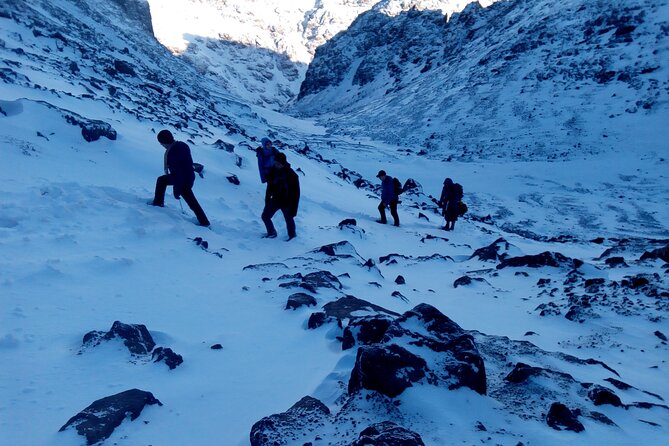
Possible drawback on Day 1: cold can sneak up on you. Even if you’re comfortable at the start, temperature changes in the mountains are real. One review noted the trip was harder than expected, especially due to cold conditions. So even on Day 1, treat warmth like part of your route planning.
Summit Day on Mount Toubkal: Steep Ground, Big Views
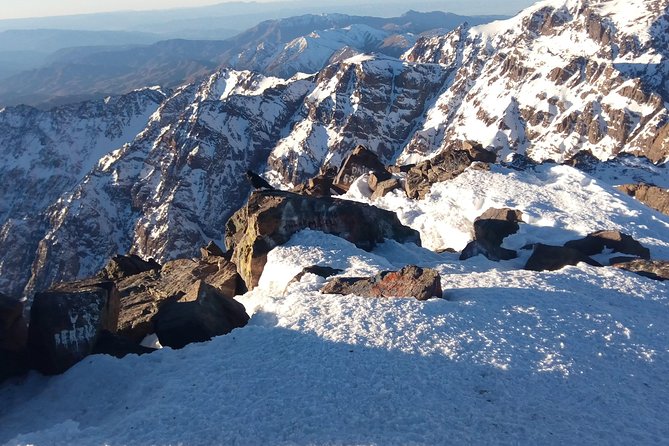
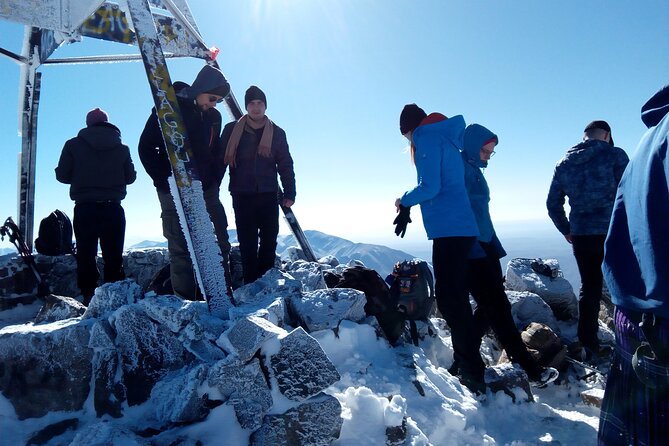
Day 2 is the summit day—steep, rocky, and very goal-driven. You’re going up from the refuge toward Mount Toubkal, the highest point in North Africa at 4,167 meters (13,671 feet). The climb is described as a steep, rocky ascent, and that’s exactly what you should expect: higher altitude means less “power,” and cold can make your body feel slower even when your mind is ready.
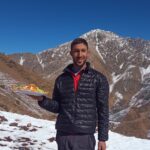
This is where having a professional guide makes the difference between tough and doable. Guides like Aziz are praised for being positive and supportive, and for making sure you’re ready to keep going—without pushing past what’s safe for your pace. Multiple reviews mention the guide’s patience and the priority on reaching the goal safely.
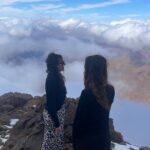
You’ll be rewarded at the top with panoramic views—seriously worth it if you can keep your focus through the last part of the climb. The summit moment is the payoff, but the smarter part is what happens before it: steady pacing, good communication, and adjusting effort to conditions.
If you’re thinking, This sounds “simple” because it’s only two days, here’s the real tip: two days doesn’t mean easy. It means time is tight, and you’ll feel every cold hour and every steep step. Plan to move steadily and listen when your guide suggests slowing down or taking a short break.
Gear and Winter Conditions: What You Should Bring (and Rent)
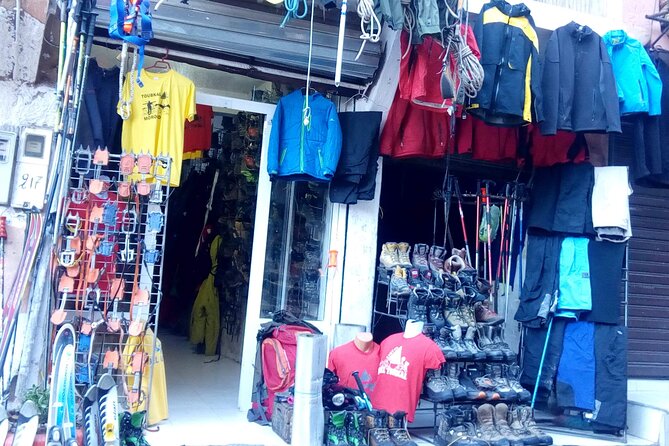
This trip is very clear about winter mountain gear. If you go in cold season, you should expect snow and icy stretches, which is why the equipment list includes items like snow goggles and crampons.
Here’s what the tour data specifically points you toward:
- Warm winter jacket
- Warm winter hats and gloves
- Winter trousers
- Snow goggles
- Crampons
- Sleeping bag
- Hiking shoes
If you don’t have this equipment, there’s a shop for mountain equipment rental in Imlil at the point of departure. That’s a lifesaver if you’re traveling light or you’re renting gear at the last minute because you didn’t pack for winter mountain weather.
My practical advice: don’t treat crampons and goggles as optional “nice-to-haves.” When conditions get icy, they directly affect confidence and foot control. And when it’s cold, your hands and ears decide whether the climb is tolerable or miserable—especially on summit day.
One more note: the trip lists winter gear like sleeping bags, but it doesn’t say that the refuge provides everything. So assume you should bring what you’re told to bring, or rent it in Imlil if you’re missing pieces.
Food, Mule Support, and Refuge Sleep: The Trek Stays Human
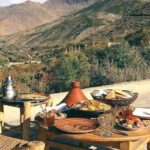
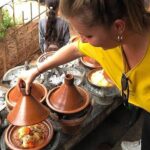
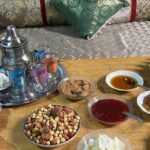
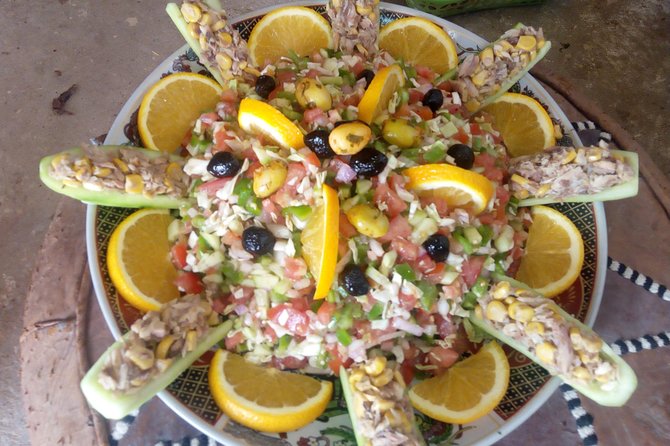
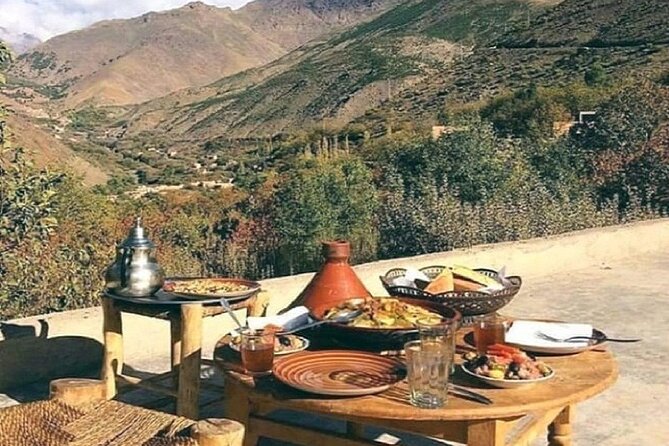
I like how the trek is structured to keep the experience from becoming pure suffering. All meals are included, and you can request vegetarian options. That means you’re less likely to scramble during the day when your appetite and energy might not match your schedule.
The mule support is a big deal. A mule is provided to transport your luggage, which reduces the temptation to pack more than you actually need. You’ll still carry what matters for walking—layers, water, and essentials—but your heavy stuff won’t be hanging on your back for hours.
Then there’s the refuge night. Sleeping in a climbers’ refuge at the foot of the peak changes your relationship to the mountain. You’re not commuting long distances or cramming in extra transit. You wake up closer to the summit push, and that saves time and energy.
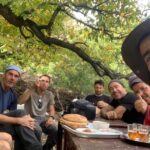
One review mentioned a chef-like touch at the end—an invitation to have couscous at the guide’s place. That’s not something you should assume will happen on every trip, but it lines up with the overall vibe from the guide’s hospitality: friendly, generous, and proud of sharing local life.
Your Guide Experience: Why Aziz Gets Consistent Top Marks
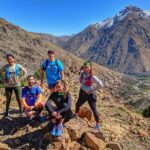
The most praised part of this trek is the human side—your guide. Names come up again and again: Aziz (sometimes also written as Abdelaziz or Abdulaziz), and colleagues like Abdlakrim and Lahcen. In one review, the guide speaks very good French, which can make the mountain experience feel calmer when you can ask questions and understand plans clearly.
What consistently shows up in the feedback?
- Patience: guides adjust to your pace rather than forcing the fastest schedule
- Supportive energy: especially during cold or slow moments
- Safety priority: reaching the goal safely is the whole point
- Culture sharing: you’re not just climbing—you’re learning about Berber life and Imlil
A particularly useful lesson from reviews: even first-time hikers can do this when the guide adapts. One review described a father and son who were city dwellers and not used to hiking, and the guide adjusted to their level during the two days. So if you’re nervous about your fitness, you’re not automatically the wrong person for this trek—you just need to manage your expectations and keep a steady pace.
You’ll also feel the difference in small moments: when a guide motivates you to keep going without drama, or when they stop to make sure everyone is equipped and comfortable enough to continue. That’s what people remember long after the photos.
Price and Time: Is $226.48 Good Value?
At $226.48 per person for a two-day Toubkal hike, this price works best when you factor in what’s included. You’re not just paying for a guided summit attempt. You also get:
- Round-trip transportation from Marrakech
- A professional guide
- All meals (with vegetarian option on request)
- Mule support for luggage
- Time in a climbers’ refuge near the mountain
Then there are the practical extras: a private setup (only your group), a mobile ticket, and admission ticket included. It’s still a mountain climb, so you’ll need winter gear (or rentals), but the core logistics aren’t left to chance.
Is it expensive? Compared with DIY hiking, yes. Compared with paying for transport, guide time, meals, and mule support over two days, it looks reasonable. Also, this trip is typically booked about 45 days in advance, which hints that dates fill when winter conditions line up with what hikers want.
My take: if you want the summit experience without spending your vacation micromanaging transport and food, this is the kind of value that makes sense.
Who Should Book This Toubkal Hike (and Who Might Think Twice)
This trek fits you if:
- You want a guided climb to the highest peak in North Africa in a short timeframe
- You’re okay with cold weather and steep hiking
- You value a guide who paces well and keeps safety front and center
- You like cultural stops (Imlil waterfalls and Berber villages), not just a summit photo
It might not fit as well if:
- You hate cold and you’re not ready to use real winter gear
- You want a super easy hike—this is still a mountain effort even over two days
You’ll probably enjoy it most if you’re traveling with a partner, friends, or family group that benefits from a private experience. It’s also listed as most travelers can participate, and service animals are allowed, which can help some visitors plan with more confidence.
Should You Book This 2-Day Toubkal Trek?
If you’re craving an authentic High Atlas experience with a local guide who actually cares about the pace and safety, I’d say yes—with one condition: prepare for winter properly.
Book this trek if you want:
- A structured two-day plan with transport and meals handled
- Mule help so you’re not hauling luggage uphill
- A guide experience built around encouragement and local knowledge (Aziz and team get consistently strong praise)
- A real chance at the summit of Toubkal, not just a casual walk
Skip or rethink if you’re unprepared for cold conditions or you’re missing key winter gear and don’t want to rent in Imlil. The summit day rewards good planning as much as fitness.
FAQ
FAQ
Is pickup from Marrakech included?
Yes. Round-trip transportation from Marrakech is included, so you don’t need to arrange your own transfers to Imlil and back.
What meals are included during the trek?
All meals are included during the experience. Vegetarian options are available on request.
Is a mule provided for luggage?
Yes. A mule is provided to help transport luggage, which lightens what you personally carry.
What winter gear do I need to bring?
The experience lists warm winter items such as a warm jacket, warm hats, warm gloves, winter trousers, snow goggles, crampons, hiking shoes, and a sleeping bag.
What if I don’t have the equipment?
If you don’t have the gear, there is a shop for renting mountain equipment in Imlil at the point of departure.
Is this a private tour?
Yes. This is a private tour/activity, so only your group participates.
What if weather is poor?
This experience requires good weather. If it’s canceled due to poor weather, you’ll be offered a different date or a full refund.