REVIEW · SYDNEY
Blue Mountains Private Hiking Tour from Sydney
Book on Viator →Operated by Your Sydney Guide · Bookable on Viator
One hour outside Sydney and suddenly you’re in Blue Mountains country. This private hiking tour is built for active days, with a guide, your own vehicle, and a route that can be shaped to how you walk and what you want to see. Guides like Scott, Dave, and Charlie are known for adjusting the day on the spot, not running a rigid script.
I especially like the off-rim hiking focus. You spend real time down on the tracks—like the Grand Canyon Track—so you see the valleys, not just the same lookout photos. I also like that it’s truly private for up to 6 people, so you’re not squeezing between other groups while you’re trying to enjoy the views.
One consideration: this is a full 10-hour day (including travel), and the Grand Canyon Track involves climbing and descending, so you’ll want moderate fitness and good shoes. Also, lunch and wine tastings aren’t included.
In This Review
- Key things that make this Blue Mountains private hike worth it
- Private guide and vehicle: why this format feels different
- Glenbrook before the hiking: coffee and an easy start
- Grand Canyon Track: eucalyptus, streams, waterfalls, and the climb
- Evans Lookout: the Grose Valley view from the right angle
- Three Sisters and Honeymoon Bridge: icons plus a bit of legwork
- Megalong Valley: a calmer drive with animal-spotting chances
- Dryridge Estate winery finish: a relaxed end with local tastes
- Price and value: what you’re really paying for
- Timing: 10 hours that includes travel
- Who should book this Blue Mountains private hiking day
- Should you book it? My decision guide
- FAQ
- FAQ
- What does the tour include?
- How many people are in the group?
- How long is the tour?
- Is pickup available?
- What should I budget for food and drinks?
- What fitness level do I need?
- Is it easy to receive tickets and confirm the booking?
- What’s the cancellation policy?
Key things that make this Blue Mountains private hike worth it
- Private guide + your own vehicle: more flexibility, less waiting, and easier pacing for your group
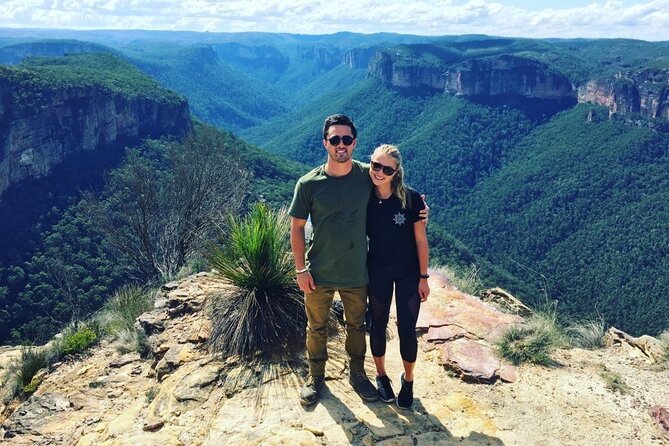
- Grand Canyon Track time in the valleys: eucalyptus-to-rainforest scenery with streams, waterfalls, fern gullies, and sandstone overhangs
- Iconic views, then a short bonus walk: Evans Lookout, then Three Sisters with a hike to Honeymoon Bridge
- Megalong Valley stop for animals and calm: a quieter side of the region, with chances to spot kangaroos and wallabies
- Winery finish at Dryridge Estate: a relaxed end to an active day, with local varieties like Riesling and Shiraz
Private guide and vehicle: why this format feels different
In a place as popular as the Blue Mountains, the difference is how you move and where you spend your feet. This is set up so you’re not stuck with a bus schedule or a one-size-fits-all walking plan. You get a dedicated guide and transportation, which matters because trail time is where the day either clicks or drags.
What I like about the private approach is the way the day can flex. The guides have a track record of tailoring the hiking portion to your group’s comfort level. If you want more time down in the canyon environment versus more viewpoint stops, you can generally steer the balance. That flexibility is the whole point of paying for a private tour—your day matches you, not the other way around.
Also, because it’s only your group, you can actually enjoy the quiet parts: the slower moments in the eucalyptus forest, the pauses on the way up, and the kind of stop where you look at the rock formations instead of checking a timeline.
You can also read our reviews of more tours and experiences in Sydney.

Glenbrook before the hiking: coffee and an easy start
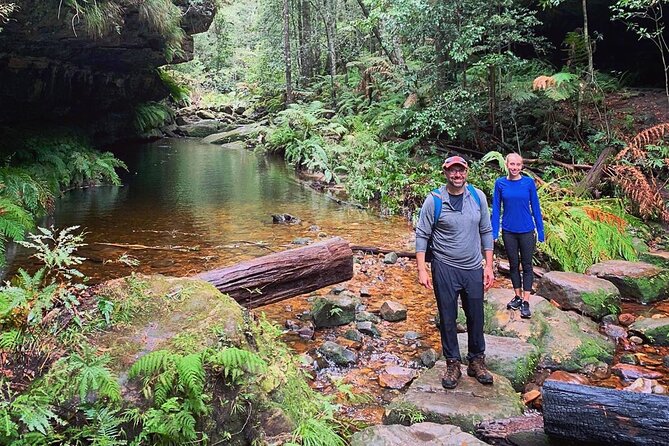
Glenbrook is the friendly warm-up you want before active hiking. It’s known as the gateway to the Blue Mountains, and the brief stop here gives you a chance to grab a coffee or pastry to top off your energy.
This matters more than it sounds. When you start with fuel in your system, you’re better able to handle the rhythm of descent and climb later. It also avoids the frantic early scramble that can happen when you arrive without breakfast or snacks.
Keep it simple: treat Glenbrook as a reset—walk around a bit, take in the small-town vibe, then you’re ready for the bigger nature time.
Grand Canyon Track: eucalyptus, streams, waterfalls, and the climb
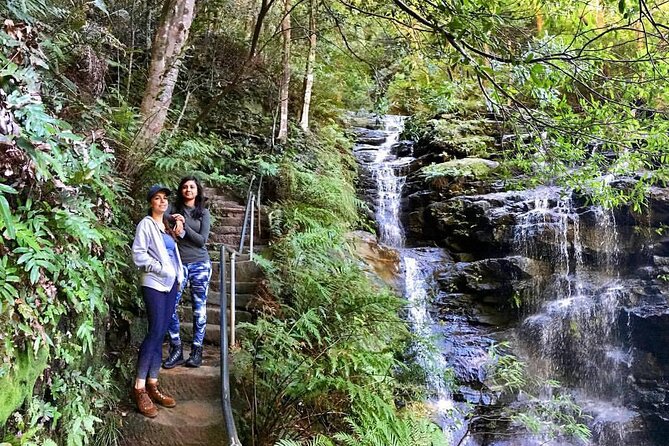
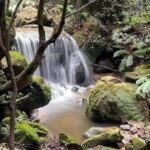
If your goal is to see more than the rim, this is the star of the day. The Grand Canyon Track takes you down from higher country through eucalyptus forest and toward lush temperate rainforest. Along the way, you’ll get streams and waterfalls, fern gullies, and those dramatic sandstone overhangs that make the Blue Mountains feel like a real-world rock museum.
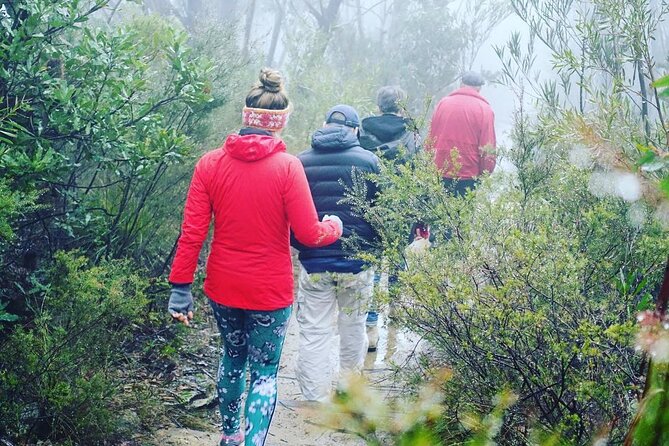
The best part of this track, for your enjoyment, is that it changes as you go. It’s not one long “look at a view” moment. It’s a sequence of natural scenes—cooler forest sections, wet-looking ravines, then the sense of enclosure you get when you’re moving deeper into the canyon.
And yes, you’ll climb back up. That’s a key consideration: you should plan for a hike that feels like effort, not just a gentle stroll. The tour is designed for travelers with moderate physical fitness, so if that’s you, the Grand Canyon Track can feel like a payoff—big scenery, meaningful movement, and a strong sense of getting off the typical tourist route.
Practical tip: bring shoes you trust on uneven paths and a layer you can add back when you go from shade to sun and back again. You’ll get better value from the track when you’re comfortable.
Evans Lookout: the Grose Valley view from the right angle
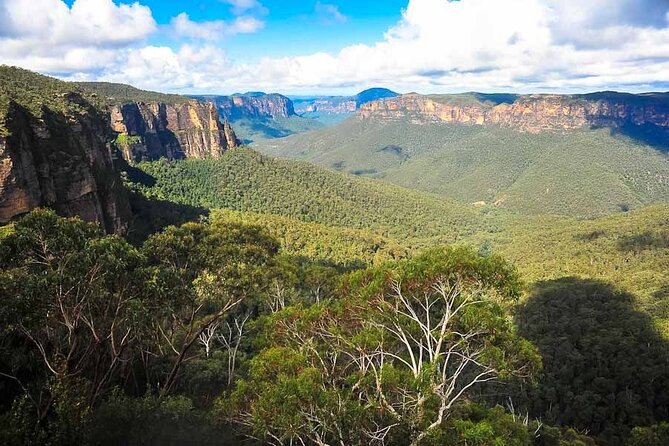
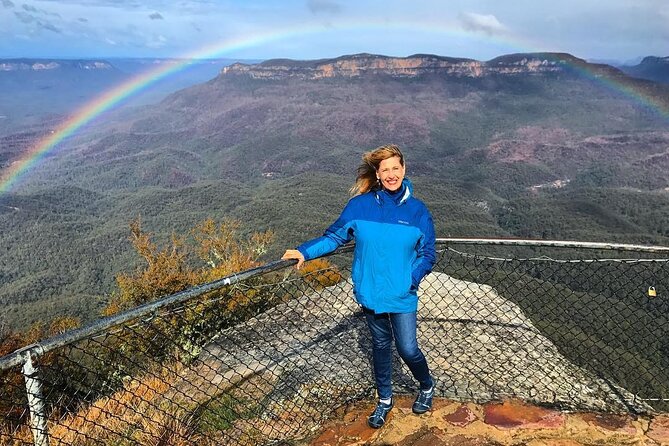
After time in the canyon environment, Evans Lookout is where you catch your breath and re-orient. You come from the Grand Canyon Track up to a viewpoint level where the view opens up into the dramatic Grose Valley.
This stop is short—about 30 minutes—but it’s paced well. The timing lets you appreciate how different the scene looks from up high compared with the forest-and-stream feel below. It’s also a nice photo moment without turning into a long, repetitive lookout grind.
If it’s cloudy, you might find the atmosphere turns moody instead of crystal clear. That can actually be part of the charm in the mountains, where weather changes the mood quickly.
Three Sisters and Honeymoon Bridge: icons plus a bit of legwork
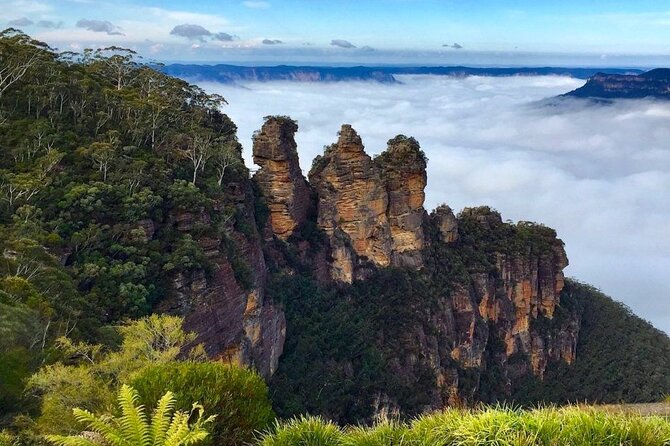
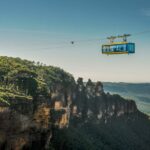
The Three Sisters are famous for a reason. They’re iconic sandstone formations, and the viewpoint area connects the rocks to local Aboriginal history. It’s one of those places where you get both scenery and meaning, which makes the stop feel more worthwhile than a quick “yep, that’s a rock.”
Then there’s the short hike out to Honeymoon Bridge. This is where you get movement without turning the day into a marathon. You walk, you look, you take in the scale of the formation and the surrounding terrain, and then you’re back to enjoy the afternoon rhythm.
For me, the value here is that it’s not just standing at a single platform. You get a bit of exploration time that helps the Three Sisters feel real—something you walked toward rather than something you viewed from a distance.
Megalong Valley: a calmer drive with animal-spotting chances
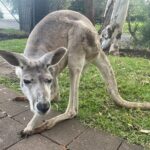
Megalong Valley gives you a different feeling from the rim. You drive down off the highway into rainforest and then into rural farmland views. The tour also builds in time for looking for kangaroos and wallabies—so keep your eyes open, especially if the light is right.
This is the kind of stop that works well as a “reset” after the more intense canyon hiking. You’re still in nature, but in a less strenuous way. It also tends to feel quieter, which helps the day feel balanced.
Practical note: animal sightings are never guaranteed anywhere in the wild, but the route is chosen because it’s the sort of place where you have a decent chance to spot wildlife.
Dryridge Estate winery finish: a relaxed end with local tastes
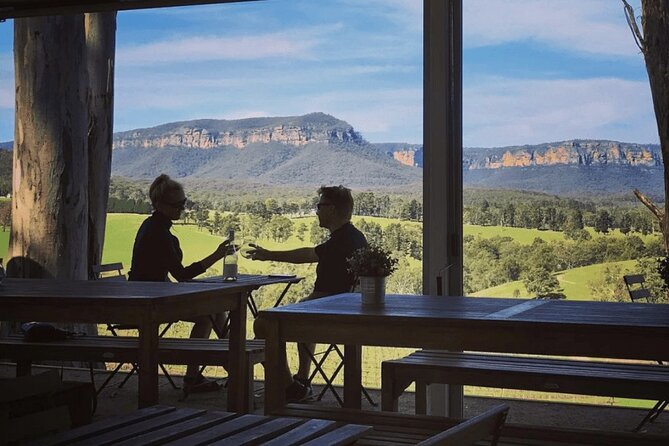
After hiking all day, ending at Dryridge Estate is a smart move. It’s a local winery stop where you sample varieties like Riesling, Chardonnay, Pinot Gris, or Shiraz. Tastings aren’t included, but the tour gives you the time—about an hour—to enjoy the afternoon light and slow down.
This is a good “close the day” moment because it transitions you from active outdoors to social, easy conversation. It’s also a nice way to make the day feel like more than just hikes and viewpoints.
If wine isn’t your thing, you can still use the time to decompress, but double-check what you’re comfortable paying for on-site since tastings and wine purchases aren’t included.
Price and value: what you’re really paying for
The price is $1,195.98 per group (up to 6). If you book with a full group, that’s roughly $200 per person. If it’s just 1–2 people, the cost per person jumps, but you still get the same private format: guide + vehicle + national park entry fees + bottled water + an air-conditioned car.
Here’s what that means in practical terms:
- You’re paying for time on the trail with a guide who can adjust your plan.
- You’re paying for transport so you don’t have to chain buses and car rentals between lookout points.
- You’re paying for access to national park areas covered by entry fees included in the tour.
What’s not included is also worth knowing. Lunch costs about AUD $20, and winery tastings aren’t included. Those two items are the main “surprise” expenses most people run into. If you budget a bit for lunch and choose whether to do tastings, the rest is straightforward.
For the kind of itinerary you’re getting—canyon hiking + major lookouts + a winery finish—the value usually makes sense best for small groups who want effort, not just sightseeing.
Timing: 10 hours that includes travel
The tour runs about 10 hours total, and that total includes travel time. So treat it like a full-day commitment, not a half-day outing that you can stack with other plans.
That long block is necessary because you’re moving between several distinct areas: Glenbrook, the canyon track area, Evans Lookout, Three Sisters, Megalong Valley, and then the winery. The pacing works best when you plan your day around it.
If you’re the type who likes to squeeze in museums or a long dinner reservation right after, this tour might feel tight. I’d plan a low-key evening back in Sydney.
Who should book this Blue Mountains private hiking day
This tour is ideal if you:
- want active hiking and not just a viewpoint circuit
- like the idea of a plan that can be adjusted to your walking pace
- prefer quieter, more adventurous trail sections rather than only rim lookouts
- are traveling with a small group (up to 6) and want private transport
It’s also a great fit if you care about learning the place in a practical way: your guide can point out what you’re walking through and why the route is chosen. In the same spirit, the guides are described as flexible—so if your group wants more time on the 3-hour canyon hike versus extra viewpoint time, the day can shift.
Should you book it? My decision guide
Book this tour if your Blue Mountains goal is: real hiking, fewer crowds on the walking parts, and a day shaped to your group. The private guide setup is what turns the outing from a list of stops into an actual experience you can adapt to your energy.
Consider not booking (or at least adjust your expectations) if you want a mostly easy stroll, or if the idea of climbing back out of the canyon sounds like too much. Also, if you don’t eat at all unless lunch is included, you’ll want to plan for the fact that lunch isn’t part of the package.
FAQ
FAQ
What does the tour include?
You’ll get bottled water, private transportation in an air-conditioned vehicle, national park entry fees, and a private hiking guide for your group.
How many people are in the group?
It’s a private tour for your group only, with a maximum group size of up to 6.
How long is the tour?
The total duration is about 10 hours, and that includes travel time.
Is pickup available?
Yes, pickup is offered.
What should I budget for food and drinks?
Lunch is not included and is approximately AUD $20. Winery tastings are not included either.
What fitness level do I need?
The tour is best for travelers with moderate physical fitness since you’ll be hiking, including a track that goes down and back up.
Is it easy to receive tickets and confirm the booking?
You’ll receive mobile ticket information, and confirmation is provided at the time of booking.
What’s the cancellation policy?
You can cancel for a full refund if you cancel at least 24 hours before the experience’s start time. Less than 24 hours doesn’t get refunded.