REVIEW · KATHMANDU
Everest Base Camp Trek – Hiking to Mt Everest
Book on Viator →Operated by Adventure Vision Treks and Travels · Bookable on Viator
Everest Base Camp starts with a small plane and big feelings. What makes this trek interesting is the mix of Sherpa culture and high-altitude logistics that actually matter: you fly to Lukla, you acclimatize in the right places, and you sleep in family-run tea houses for real mountain rhythm. The main drawback to weigh is altitude: you’ll hike up high, including a day that pushes past 5,500m, so you need steady pacing and a solid mindset.
I like that this is run as a truly private trek for your group, not a cattle-line scramble. And based on how the team is described in past trips, the standout strength is organization under pressure—especially when flights get delayed and plans have to flex fast. If you hate uncertainty, you should know Nepal can be weather-y, and the trek will respond.
In This Review
- Key takeaways before you go
- What this Everest Base Camp trek gets right (and why it matters)
- Price and value: what $1,500 actually covers
- Days 1–2 in Kathmandu: the calm before Lukla chaos
- Day 3: Fly to Lukla and hike to Phakding (this is where the altitude starts talking)
- Days 4–5: Phakding to Namche Bazaar, then acclimatize like you mean it
- Days 6–8: Tengboche and Dingboche—high views, monastery moments, thin-air days
- Days 9–10: Lobuche to Everest Base Camp via Gorak Shep (the big commitment)
- Day 11: Kala Patthar to Pheriche—highest views, hardest breathing
- Days 12–13: Pheriche to Namche Bazaar to Lukla—recover and keep moving smart
- Day 14: Early flight back to Kathmandu, plus a Valley exploration day
- Guides, porters, and the kind of organization you’re buying
- Tea houses, meals, and what you should expect on the ground
- Fitness, altitude, and pacing: who this trek suits best
- Quick notes on weather, routes, and flexibility
- Should you book this Everest Base Camp trek?
- FAQ
- How long is the Everest Base Camp trek?
- Where does the trek start and end?
- What altitude does the trek reach?
- Is airport pickup and drop included?
- Are flights included?
- What type of lodging is included during the trek?
- Are meals included?
- Do I get a guide and porter?
- Is travel insurance included?
Key takeaways before you go
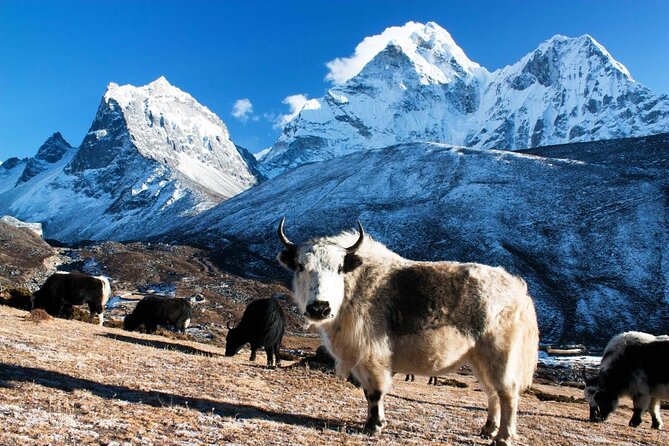
- Tea houses all the way up: you get 11 nights in mountain lodges (breakfast included), not just a hotel-style trek.
- Built-in acclimatization days: Namche Bazaar and Dingboche give your body time to catch up to the altitude.
- Support that’s more than logistics: you’re paired with a guide and porter, plus a preparation session before and after arrival.
- Kathmandu-to-Lukla flights both ways: you avoid long road transfers and keep the trek focused on hiking.
- Group-friendly planning: pricing includes key pieces like flights, meals during trek days, and a comprehensive medical kit.
What this Everest Base Camp trek gets right (and why it matters)
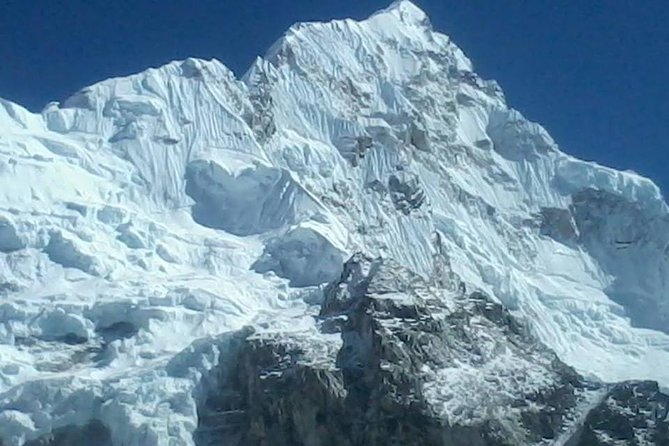
Everest Base Camp is famous for a reason. But the real win on this itinerary is the pacing. You’re not just climbing day after day; you’re given specific days to acclimatize in Namche Bazaar and Dingboche. That’s not trivia. It’s what helps you enjoy the hike instead of just white-knuckling each step.
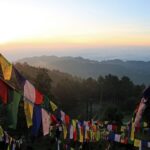
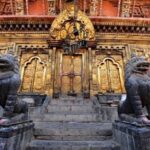
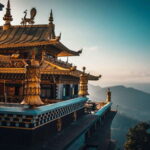
I also like the cultural stops built into the route. You pass through Sherpa villages and monasteries, and Tengboche is a big one for that spiritual scenery. Even if you’re not a religion person, you’ll feel the place—prayer flags, small monasteries, and the vibe of a community built around the mountains.
You can also read our reviews of more tours and experiences in Kathmandu.
Price and value: what $1,500 actually covers
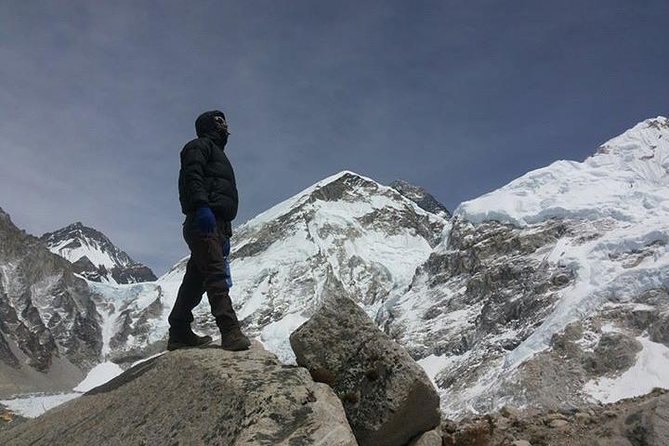
At $1,500 per person for about 15 days, you’re not just paying for hiking. You’re paying for the parts that make or break an EBC trip.
Here’s what’s included that lowers your real-world hassle:
- Airport pickup and drop in Kathmandu
- 3 nights in Kathmandu with breakfast (star accommodations)
- 11 nights tea house lodging during the trek with breakfast
- Kathmandu ↔ Lukla flights both directions
- Guide and porter
- Meals during trekking days (breakfast, lunch, and dinner are included for trek days)
- Comprehensive medical kit, plus preparation sessions before and after arrival
- Certificates, plus local/government taxes
What’s not included is also important for budgeting: visa costs, international airfare, drinks/beverages, insurance, and personal expenses/tips/shopping. So if you’re the kind of traveler who adds a lot of sodas, coffee, charging, and snacks, plan for that.
The value question, for me, comes down to support and meal coverage. You won’t be chasing arrangements every day, and your food is sorted during trek days—both reduce stress when the air gets thin.
Days 1–2 in Kathmandu: the calm before Lukla chaos
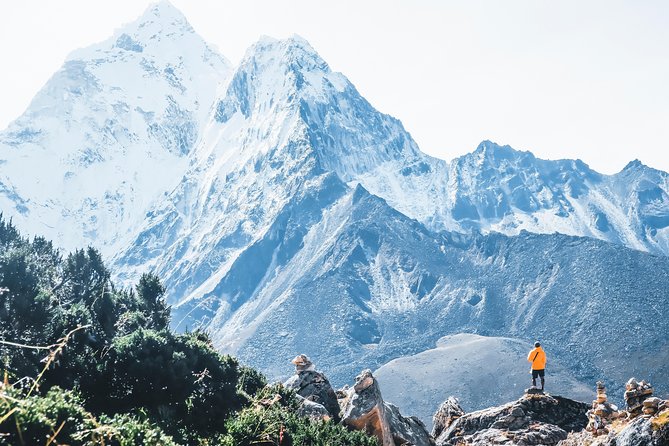
Day 01 is straightforward: welcome to Kathmandu. The included pickup and drop help you start in “I’m on vacation” mode instead of “Where is the driver?” mode.
Day 02 is split between exploring the Kathmandu Valley and preparing for the trek. This matters more than it sounds. You’ll be dealing with travel fatigue, gear checks, and mental setup before you jump into the mountains. When you’re well prepared, the first hiking days feel like a start. When you’re not, they feel like a slow-motion scramble.
Day 3: Fly to Lukla and hike to Phakding (this is where the altitude starts talking)
On Day 03, you fly from Kathmandu to Lukla (2,840m), then trek to Phakding (2,640m). This flight is a signature part of Nepal’s Everest journey—dramatic views, quick immersion, and a good reality check that you’re really going.
Then you hike into Phakding. It’s a gentle ramp compared with later days, but it still gives you time to feel how your legs handle the rhythm of the route and how your breathing changes after the flight.
Practical note: flights in this region can face delays. One past trip story mentions delayed planes early on, with the team switching to a Plan B without drama. That’s the kind of responsiveness you want from a guide company.
Days 4–5: Phakding to Namche Bazaar, then acclimatize like you mean it
Day 04 takes you from Phakding to Namche Bazaar (3,440m). Namche is one of the key hubs of the Khumbu region. You’ll feel the busier mountain-town energy here—shops, lodges, and plenty of people moving through the same altitude ladder.
Day 05 is an acclimatization day at Namche Bazaar. This is the smart move in the itinerary. Instead of forcing progress, you give your body time to adjust. You also get a buffer day to manage any early altitude symptoms before you go higher.
If you’re prone to getting winded, this is where you benefit most from pacing and patience. The faster you try to “power through” acclimatization, the more likely you are to pay later.
Days 6–8: Tengboche and Dingboche—high views, monastery moments, thin-air days
Day 06 climbs from Namche Bazaar to Tengboche (3,867m). This is where the route starts delivering big emotional payoffs. Tengboche is strongly associated with monasteries, and the scenery around here tends to feel cinematic, even when the weather isn’t perfect.
Day 07 continues to Dingboche (4,350m). Dingboche sits higher and feels more like a base for high-altitude efforts. By this point, altitude becomes a daily factor rather than an occasional challenge.
Day 08 is another acclimatization day—this time at Dingboche. Again, that’s not wasted time. It’s built into the itinerary so you can continue upward without turning the trek into a medical test.
Days 9–10: Lobuche to Everest Base Camp via Gorak Shep (the big commitment)
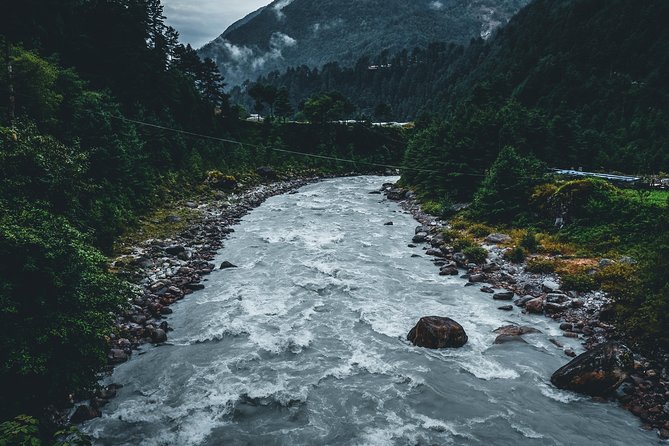
Day 09 takes you to Lobuche (4,931m). This day is a psychological step as much as a physical one. You’re going higher, and the terrain starts to feel more like a serious altitude hike.
Day 10 is the star day: Lobuche to Everest Base Camp through Gorak Shep (up to 5,170m on the route). You’ll reach Everest Base Camp at 5,363m. This is the point most people dream about, and it has a special atmosphere—crowded enough to feel historic, but still fully outdoors.
The key consideration here is energy management. The day is about getting you to base camp safely and with enough stamina left to handle the next days. If you treat every step like a race, the return and recovery will feel harder.
Day 11: Kala Patthar to Pheriche—highest views, hardest breathing
Day 11 is where the itinerary adds an extra altitude push: trekking from Everest Base Camp to Kalapatther (5,545m) and then down to Pheriche (4,210m). Kalapatther is famous in trekking circles because it gives strong panoramic views.
But it’s also a physically demanding day. High elevation plus exertion means your body will ask for slow steps, extra pauses, and a calm pace. You don’t need heroics—you need consistency.
Then you descend to Pheriche, which helps you recover. This downshift is part of why the itinerary works. It gets you the views without trapping you in the highest elevations for days.
Days 12–13: Pheriche to Namche Bazaar to Lukla—recover and keep moving smart
Day 12 goes from Pheriche back to Namche Bazaar (lower altitude, but still a trekking day). This is where the goal shifts slightly: you’re not chasing altitude anymore. You’re building recovery while keeping your legs working.
Day 13 takes you from Namche Bazaar to Lukla. You’re nearly done with the trekking section, but don’t treat it like a victory lap. Legs can still be tired, and walking down can feel surprisingly tough when you’ve been at altitude for days.
Day 14: Early flight back to Kathmandu, plus a Valley exploration day
Day 14 includes an early morning scenic flight back to Kathmandu, followed by an exploration day in the Kathmandu Valley. I like that design because it gives you a true post-trek landing. You can shower, sleep in a real bed, and then enjoy Kathmandu without feeling like the city is just a checkpoint.
This day is also your mental reset. After days of hiking and altitude focus, it’s nice to switch gears—slow walks, local sights, and a meal where nobody asks how your oxygen feels.
Guides, porters, and the kind of organization you’re buying
The operator behind this trek is Adventure Vision Treks and Travels. What stands out from their past group experiences is how much attention the team puts into problem-solving.
Names that show up in their stories include Jiban (owner/organizer), and guides such as Tony, Tika, and Durga Kadel. The recurring theme is care and responsiveness—plus professional handling when the route gets interrupted by delays. One trip story also highlights quick Plan B problem-solving after flight delays early on.
Why that matters: on an Everest Base Camp trek, weather and flight schedules can affect timing. When a team can adjust logistics without chaos, you keep your morale steady—and that’s half the battle.
You also get a guide and porter included. For you, that means the route planning and daily hiking coordination are handled. For the porter, it’s about moving shared loads so you can focus on your own pace.
Tea houses, meals, and what you should expect on the ground
This trek includes 11 nights in tea houses with breakfast during trekking days. Tea houses are simple, family-run lodges rather than fancy hotels. Expect basic rooms, shared dining areas, and meals that are designed to keep hikers fueled.
Meals included during trekking days are breakfast, lunch, and dinner. That’s a big deal. It reduces decision fatigue when you’re tired. It also helps keep your schedule predictable—important when you’re managing altitude and want to eat at the right time rather than hunt for food.
Drinks and beverages are not included. So if you like tea, coffee, or other extras, budget for them separately. Also keep in mind that charging and personal purchases are typically your responsibility.
Fitness, altitude, and pacing: who this trek suits best
The tour calls for moderate physical fitness. That’s true in the sense that you don’t need to be a mountaineer. But you do need to handle several days of hiking at altitude, including days that reach high points and long effort.
You’ll go up to Everest Base Camp at 5,363m, plus Kalapatther at 5,545m. That’s not a “walk in the park” situation. Your success will come from:
- steady pace (no sprinting)
- good hydration habits
- listening to your body on acclimatization days
If you’ve never hiked in mountains before, consider doing a training block at home first—regular walking, stair practice, and some longer hikes. And talk to your doctor about altitude risk and what meds (if any) might make sense for you.
Quick notes on weather, routes, and flexibility
This itinerary is structured with clear day goals, but Nepal has its own pace. Flights to and from Lukla can be affected, and the route may need adjustment. Based on previous trip stories, the team’s approach is to handle last-minute changes professionally rather than letting the group spiral.
Also, remember this is a private trek. That’s a benefit for you if you want a more controlled pace and you don’t want to share your experience with strangers who set the rhythm.
Should you book this Everest Base Camp trek?
Book it if you want a focused Everest Base Camp experience with real support: flights to Lukla, tea house nights, included meals, and a guide/porter team that’s shown it can stay organized when things change.
Think twice if you know you struggle with altitude or you’re the type who gets stressed by schedule variation. Also, if your budget is tight and you dislike extra spending, remember drinks and personal expenses are not included.
If you’re ready for slow steps, big views, and a trek that respects acclimatization, this is the kind of EBC plan that lets you enjoy the mountains instead of just surviving the route.
FAQ
How long is the Everest Base Camp trek?
The trek is listed as about 15 days.
Where does the trek start and end?
It starts in Kathmandu. You fly to Lukla for the trekking route, then you return to Lukla and fly back to Kathmandu.
What altitude does the trek reach?
You trek up to Everest Base Camp at 5,363m, and the itinerary also includes Kalapatther at 5,545m.
Is airport pickup and drop included?
Yes, airport pickup and drop in Kathmandu are included.
Are flights included?
Yes. Kathmandu to Lukla and the return flight back to Kathmandu are included.
What type of lodging is included during the trek?
You stay in tea houses for 11 nights during the trekking days, with breakfast included.
Are meals included?
Yes. During trekking days, breakfast, lunch, and dinner are included. Kathmandu has breakfast included as well.
Do I get a guide and porter?
Yes. A guide and porter are included for the trek.
Is travel insurance included?
No. Insurance cost is not included, and visa cost is not included either.