REVIEW · MARSEILLE
Marseille: Calanques National Park Guided Hike with Picnic
Book on GetYourGuide →Operated by Planetazur · Bookable on GetYourGuide
Salt air and steep paths: Calanques in real time. I love the panoramic cliff views that open up all along the route, and I also like the built-in picnic plus swimming break—it turns a hike into a full, satisfying morning. The main drawback is the effort: there’s a real down-and-up with wind and heat that can make it feel harder than the time on the clock.
You start near Marseille but quickly swap city noise for scrubby coastal paths and sea-breeze air. This is run by Planetazur with English or French guides, and the best versions of the day often come from guides who keep the group moving, explain what you’re seeing, and help you choose the safest way through steeper bits (some days include rope/chain-style sections). If you go, bring your patience for mistral wind and plan your pacing early.
In This Review
- Quick hits you’ll feel on the trail
- Calanques feels close to the city, but not like the city
- Getting to Luminy: the simple start at 8h55
- The 5-hour reality check: 200m, wind, and pacing
- Choosing the calanques: Saint Jean de Dieu, Sugiton, Morgiou, or Sormiou
- The guide does more than lead: plants, history, and real safety
- Picnic with snacks, then a swim break that refreshes your whole body
- Price and value: $41 for a guided Calanques half-day
- What to pack so wind and rocks don’t ruin your day
- When to go: wind, seasons, and checking forecasts the right way
- Who should book this Calanques hike with picnic (and who should skip it)
- Should you book this guided Calanques hike with picnic?
- FAQ
- How long is the Marseille Calanques National Park guided hike?
- Where do I meet the guide?
- How do I get there by public transport?
- Is the hike difficult?
- What’s included in the price?
- Do I get time to swim?
Quick hits you’ll feel on the trail
- Marine breeze + mistral wind: the coastline can be dramatic, but also windy enough to change your whole rhythm
- Creek and cave calanques: expect stops like Saint Jean de Dieu and Sugiton (route varies by season/weather)
- A real work-out, not a stroll: about 200m of height difference in a fast downhill-then-uphill rhythm
- Picnic that actually hits the spot: snacks are included, and the sea swim comes right when you need it
- Guides who spot details: multiple guides (like Adrien, Jade, Geoffroy, and Sebastian) are praised for plant talk, history, and checking safety
Calanques feels close to the city, but not like the city
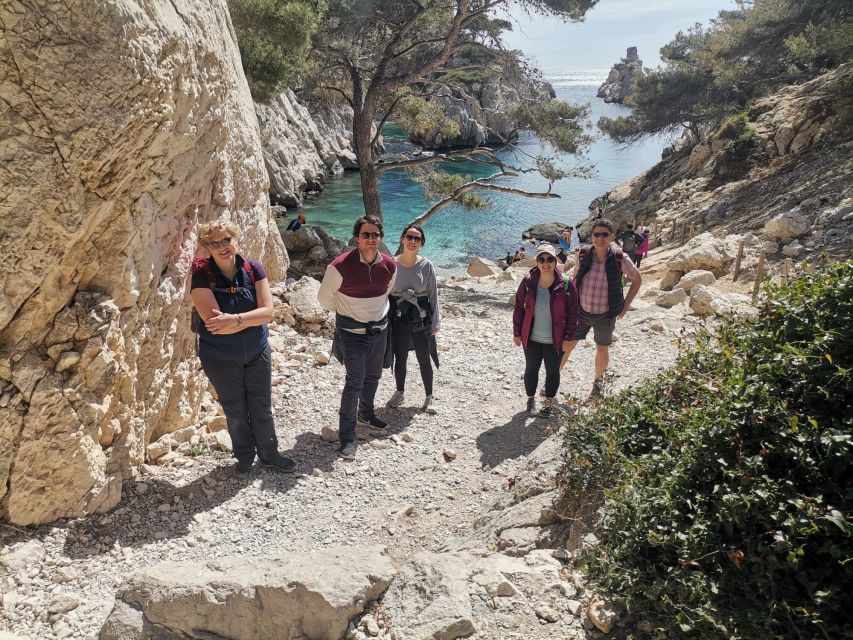
Calanques National Park sits just south of Marseille, yet it can feel remote fast. One minute you’re near the campus edge; the next you’re walking with a sea current of air in your face and limestone walls dropping into hidden coves. That contrast is why this hike works so well as a half-day plan.
What I like most is that you’re not just taking in views from one pretty spot. You move through viewpoints, small pockets of coast, and cave-like creek areas that make the French Riviera feel wild instead of staged.
The other big payoff is the guide layer. Guides point out flora and fauna, explain why the terrain looks the way it does, and keep you safe on the rougher sections. It’s also easier to enjoy the day when someone is handling the route choices while you focus on where to place your feet.
You can also read our reviews of more tours and experiences in Marseille.
Getting to Luminy: the simple start at 8h55
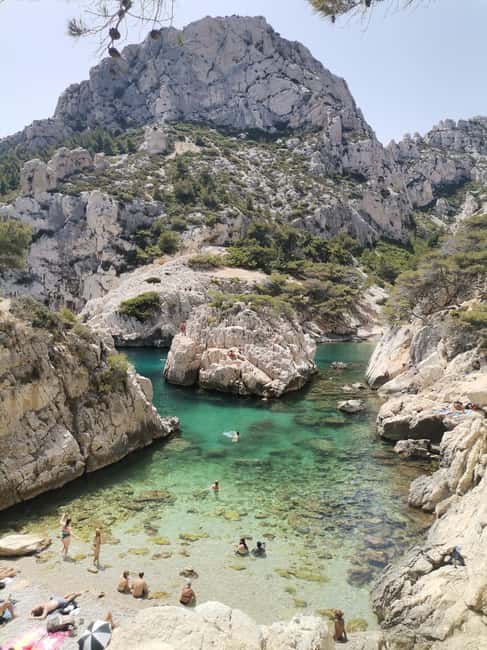
Meet is at 8h55 in front of the Fine Arts School (Baux Arts de Marseille) on the Luminy campus area. If you’re coming by public transport, take Bus B1 from Castellane Metro station and get off at Luminy PN des calanques. The bus fare is 3.5€ round trip. If you’ve got a metro ticket, it still works within an hour, and longer passes work too.
If you’re driving, you can park in the lot near the Fine Arts School on Luminy (184 Av. de Luminy, Marseille). Then you meet at the park entrance green fence in front of the school.
Why this matters: arriving a few minutes early helps you settle before the group gets moving, especially if you’re adjusting your shoes or filling up water. Calanques days go smoother when you don’t start out rushed.
The 5-hour reality check: 200m, wind, and pacing
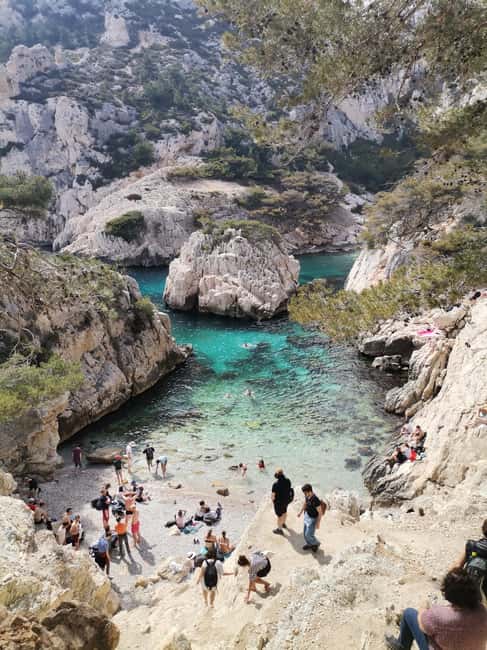
This is listed as a 5-hour experience, and the time is believable. The hike includes downhill walking and then uphill return, with around 200m height difference happening in roughly the first hour of that “down then back up” rhythm.
In other words: it’s not one long ladder of steps. It’s more like a shifting effort—your legs work hard on the descent, then you feel it on the comeback. Add wind (mistral can be powerful along this coast) and the day can feel steeper even when your map looks straightforward.
Heat changes the difficulty fast. In summer or heat waves, the hike can feel several times harder than in the cooler months. Rocks can radiate heat, and humidity can make breathing feel heavier. The fix is boring but effective: slow down early, take breaks when your guide offers them, and sip water before you feel thirsty.
Also, the tour requires a minimum physical condition. That’s not gatekeeping—Calanques terrain is real, uneven, and exposed in spots.
Choosing the calanques: Saint Jean de Dieu, Sugiton, Morgiou, or Sormiou
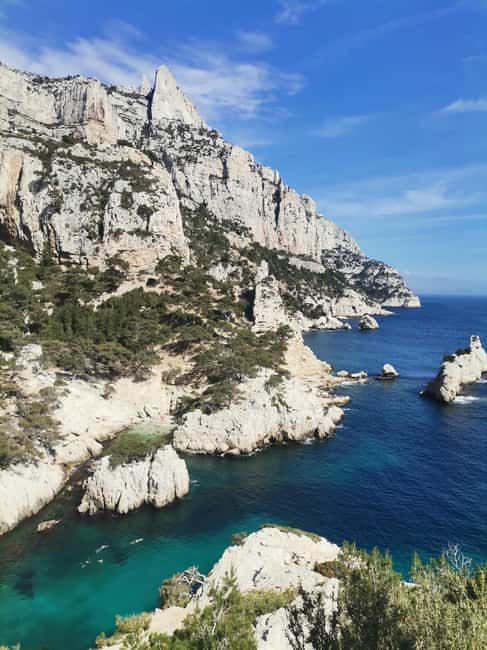
Your exact route can change depending on season and weather. On many days you’ll reach places like Saint Jean de Dieu, Sugiton, Morgiou, or Sormiou. Each cove has its own feel—some are more cave-like and shaded by rock walls, others feel open and airy with the sea wind pushing through.
Here’s what to look for as you walk:
- Rock-framed creeks/caves: these are the dramatic moments for photos, but they also mean slippery edges and uneven footing
- Photo viewpoints: the day is timed so you get panoramas when the light is good and the group can pause safely
- Swimming opportunities: you’ll get free time in clean water before heading back
One practical note: some routes include steeper, assisted climbing sections. A rope/chain-style move isn’t guaranteed for every route, but it can show up on certain paths. If you’re not comfortable with exposed, vertical-ish steps, choose sturdier routes with your guide and don’t try to “power through” out of pride.
The guide does more than lead: plants, history, and real safety
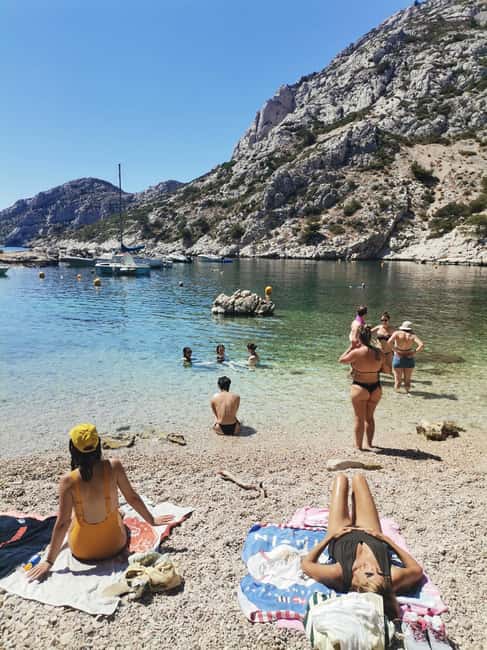
This is where the day turns from a hike into a story you can repeat. Many guides behind this experience are praised for mixing practical trail guidance with natural history. Expect plant and foliage explanations—how the Mediterranean ecosystem survives dry summers, what grows in rocky crevices, and why certain species pop up where they do.
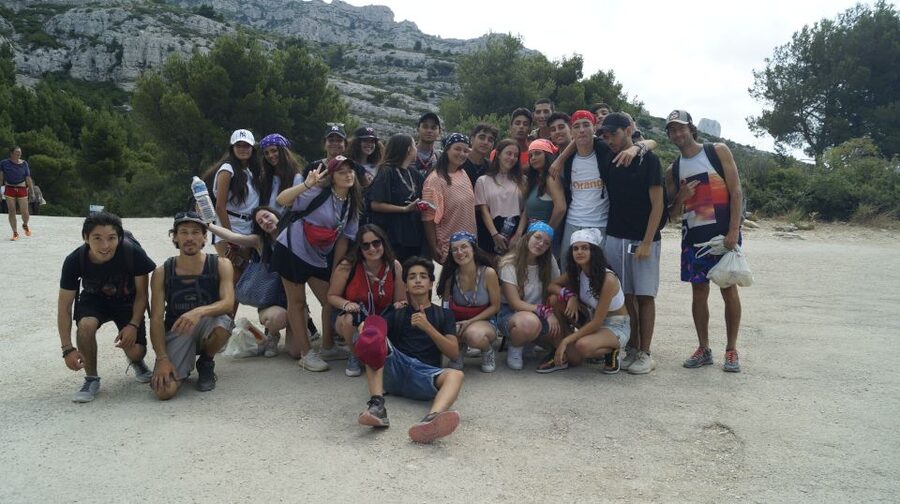
You’ll also hear cultural and historical context tied to Marseille and the Calanques region. Guides often keep the tone friendly and include the group, whether you’re traveling solo or in an international mix. Names that come up often in guide feedback include Adrien, Jade, Geoffroy/Geoffrey, Sebastian, Reagan, Sophie, Gregory, and David—and the common thread is that they keep checking in on everyone.
Safety is part of the job. In windy or steep moments, guides watch footing, adjust the group pace, and help people find the right way through tricky sections. You’ll see that attention in small actions—waiting for stragglers, making sure everyone has water, and adjusting route pace when heat hits.
Picnic with snacks, then a swim break that refreshes your whole body
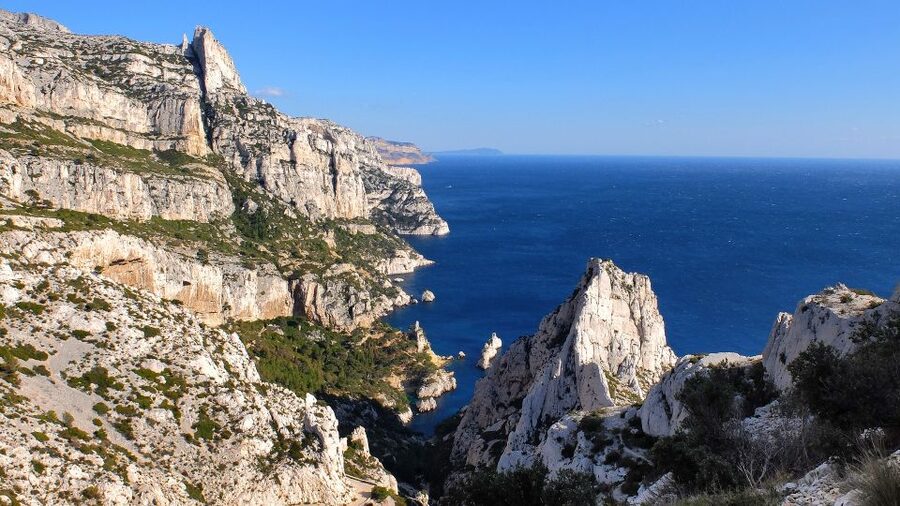
A major reason this hike works is timing. You walk hard enough to earn it, then you get snacks (included) and a picnic moment with a scenic view as your backdrop. The food style varies by guide, but the vibe is always the same: simple, satisfying, and designed for right-before-swim energy.
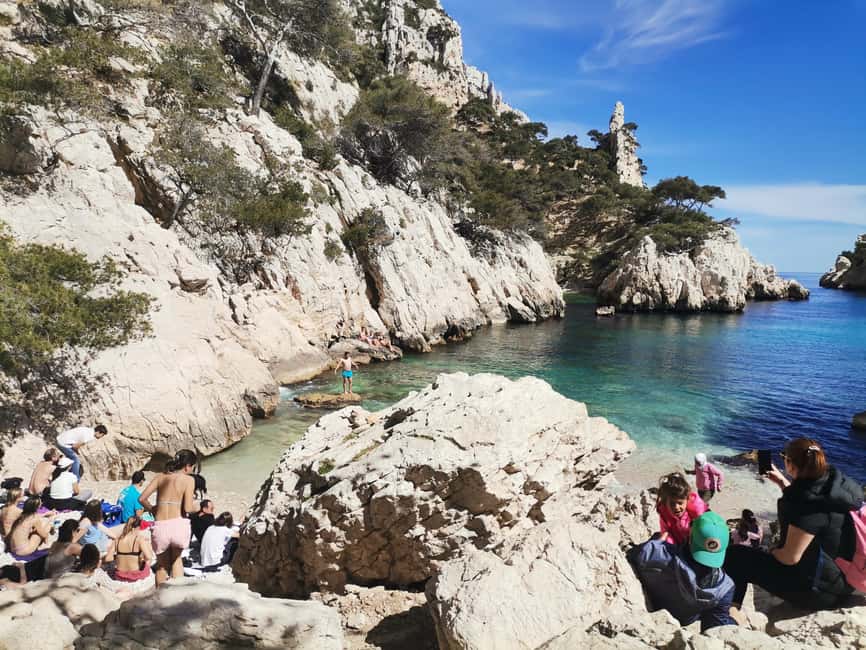
Then comes the part many people remember most: free time to swim in clean water. Some hikers mention jumping in from rocks and even seeing the seabed from the shallows. Either way, the sea break is a mental switch—your legs stop being the only thing you think about, and you start moving like a vacation person again.
Two tips to make the swim part better:
- Pack your swimming essentials in a way you can reach quickly after the picnic
- Don’t overdo it on your first jump in—wind and rocks can make the transition feel cooler and more intense than expected
And yes, the calanques can be busy on hot days. If the water area looks crowded, take your time. Your goal is a safe swim and a short rest, not a performance.
Price and value: $41 for a guided Calanques half-day
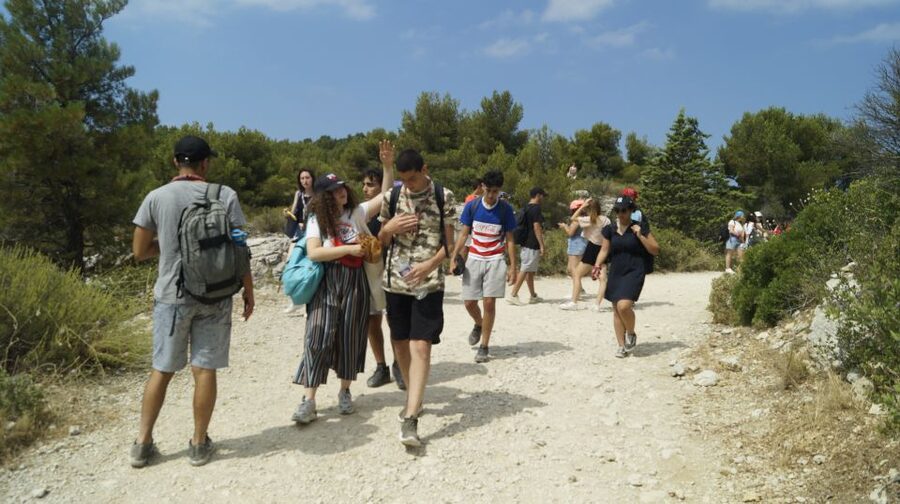
At $41 per person, this hike is priced as a practical, experience-heavy option. You’re paying for more than movement through pretty terrain—you’re buying:
- A local guide who manages the route and explains what you’re looking at
- Included snacks for energy without needing to plan meals
- The structure that helps you enjoy viewpoints without worrying about getting lost
Drinks aren’t included, so you’ll still need to bring or buy water on your own. But compared to the cost of scrambling together buses, taxis, and a self-guided plan you’re not sure about, the guide-led format saves time and stress.
Also, the experience has a “weather reality” built in: if conditions are truly unfavorable, the activity can be refunded. That reduces the risk of paying for a day that becomes miserable.
What to pack so wind and rocks don’t ruin your day
You’ll get the best day when your kit matches Mediterranean conditions. Bring comfortable shoes (tennis shoes can work for some, but hiking shoes give better grip on uneven stone), plus sunscreen and outdoor clothing. Wear layers. Calanques weather can shift quickly with wind.
You should bring:
- Water (and extra if you run warm)
- Outdoor clothing for sun and wind
- A public transport ticket if you’re using the bus
- Hiking shoes or sturdy sports shoes
The most important number: in summer, bring at least 1.5 liters of water per person. This isn’t a suggestion for comfort—it’s for safety in heat and during active uphill stretches.
One more small but smart move: treat your phone like an instrument, not a toy. In wind, sand, and salt air, it’s easy to drop or sandblast your gear. Use pockets that close, and take pictures during guided pauses when you’re not rushing.
When to go: wind, seasons, and checking forecasts the right way
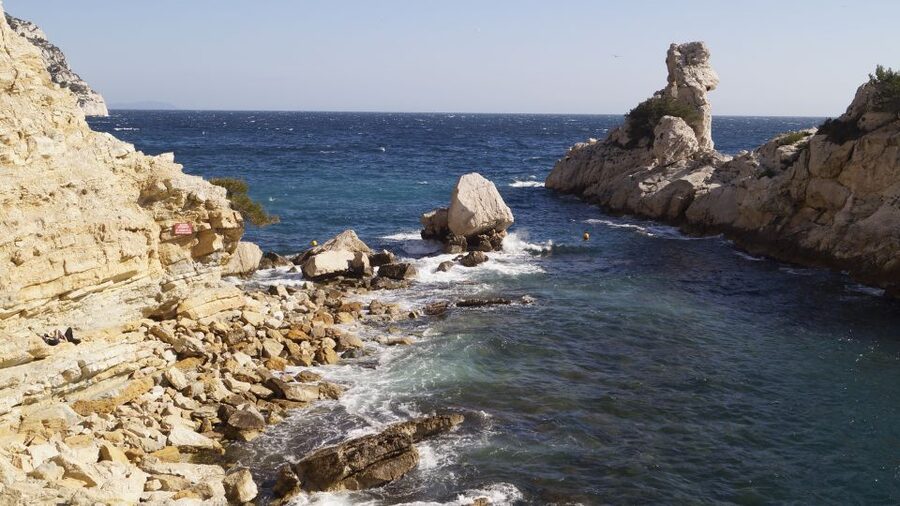
Calanques can be stunning year-round, but seasons change what the hike feels like. In cooler months, the views still hit, and the physical effort feels more manageable. Many hikers describe January and February trips as memorable with good weather.
In summer, you must plan for heat waves. That means you slow down more than you think you should, drink early, and accept that the hike can feel a few times tougher compared with the rest of the year.
Weather forecasts matter here more than in many cities. Wind affects walking conditions a lot, so don’t rely on casual guesses. The guidance for this experience is to check wind forecasts using tools like Windfinder, since mainstream search results can be off. If rain timing doesn’t match what your screen says for the whole day, focus on the timing of the hike window, not the headline.
Who should book this Calanques hike with picnic (and who should skip it)
This hike is best for people who want a real coastal challenge with a payoff of sea views and a swim. You’ll enjoy it if you like:
- walking with a local guide
- photo-worthy pauses
- meeting people in an international group
- mixing physical activity with a meal and relaxation
It’s not suitable for children under 8, people with mobility impairments, visually impaired people, or pregnant women. If any of those apply, you’ll be safer looking for a different Calanques format.
If you have a moderate fitness level and good shoe grip, you’ll probably be fine as long as you take it seriously in heat and wind. But don’t underestimate the 200m down-and-up rhythm.
Finally, note that you agree to photo publication for sustainable tourism promotion. If you dislike having your picture taken, keep that in mind before you book.
Should you book this guided Calanques hike with picnic?
Yes—book it if you want the Calanques experience in a way that’s low-stress and high-reward. The big win is the blend: guided viewpoints, a picnic moment, and then clean-water swimming when you’re ready for a break. At $41, you’re paying for safety, local context, and a plan that makes it hard to waste time.
I’d skip (or choose a different option) if you hate wind, struggle with uphill effort in heat, or aren’t comfortable with steep footing that may include assisted climbing on certain routes. This isn’t a stroller-friendly coast tour—it’s a hike where the views are earned.
If you do book, come prepared: sturdy shoes, sun protection, and water (especially in summer). Do that, and Calanques will feel like a different world—one you can reach without giving up half your day.
FAQ
How long is the Marseille Calanques National Park guided hike?
The experience runs about 5 hours.
Where do I meet the guide?
The guide meets at the Fine Arts School (Baux Arts de Marseille) at 8h55, at the park entrance green fence in front of the school on the Luminy campus area.
How do I get there by public transport?
Take Bus B1 from Castellane Metro station to Luminy PN des calanques. The round-trip bus ticket is listed as 3.5€.
Is the hike difficult?
It requires a minimum physical condition. Expect around 200m of height difference in about the first hour, with downhill and then uphill walking. In summer/heat waves it can feel much harder.
What’s included in the price?
A guide is included, plus snacks. Drinks are not included.
Do I get time to swim?
Yes. There is free time to swim in clean water after the hike portion and picnic time.