REVIEW · MARSEILLE
Marseille: Urban Hiking Tour with a Local Guide
Book on GetYourGuide →Operated by Urban Hike · Bookable on GetYourGuide
Marseille gives you its secrets on foot. This urban hike with a local guide threads together sea air, tucked-away coves, and the climb up to Notre-Dame de la Garde—with plenty of stops to look, ask, and understand what you’re actually seeing.
Two things I really like: the tour’s focus on culture and real neighborhood context, not just landmarks, and the way the route moves from the waterfront to quieter parks inland. A guide such as Olivier (and other named guides like Oliver/Charles show up in the tour experience) also tends to mix history with the more human side of Marseille.
One thing to consider: this isn’t a stroll. Expect uneven steps and some steep bits, and on talk-heavy days the hike can run beyond the planned 3.5 hours.
In This Review
- Key highlights worth your time
- Getting your bearings fast on Marseille’s best walking line
- From La Canebière to the Old Port: start with a view of the city’s engine
- Waterfront momentum: Pharo, Catalans, and the sea-level Marseille
- Vallon des Auffes: where Marseille looks like a postcard you can walk into
- The anse sequence: Malmousque and La Fausse Monnaie
- Inland change of pace: Chemin du Bois Sacré and quiet parks
- The secret stop and the long build-up to the basilica
- Boulevard André Aune and the return to the Old Port
- Price and value: what $46 buys in walking time and local context
- Who this Marseille hike is perfect for (and who should skip it)
- Practical tips so you enjoy every uphill minute
- Should you book this urban hiking tour?
- FAQ
- How long is the Marseille Urban Hiking Tour?
- Where is the meeting point?
- How much does it cost?
- What group size should I expect?
- What languages are available?
- What’s included in the tour price?
- Is water or drinks included?
- What should I bring?
- Is this tour suitable for children?
- Is it accessible for people with mobility impairments?
- Is there free cancellation?
Key highlights worth your time
- A small group of up to 10 keeps the pace human and questions easy
- Old Port to multiple seaside anse and coves gives you variety without travel between stops
- Frequent water points (8 total) plus sunscreen help you handle the heat
- Climb to Notre-Dame de la Garde for the big views and the story behind them
- Off-the-beaten-path moments show you Marseille beyond the most obvious tourist loops
Getting your bearings fast on Marseille’s best walking line
If you arrive in Marseille and immediately want a plan, this tour is a smart fix. You start right where locals make sense of the city: the Old Port area, then you gradually work your way along the coast before climbing toward the famous basilica above.
I like that the tour is structured enough to guide you, but loose enough that you’re not stuck watching from behind glass. You’re walking real streets, seeing how neighborhoods shift, and hearing why they look the way they do.
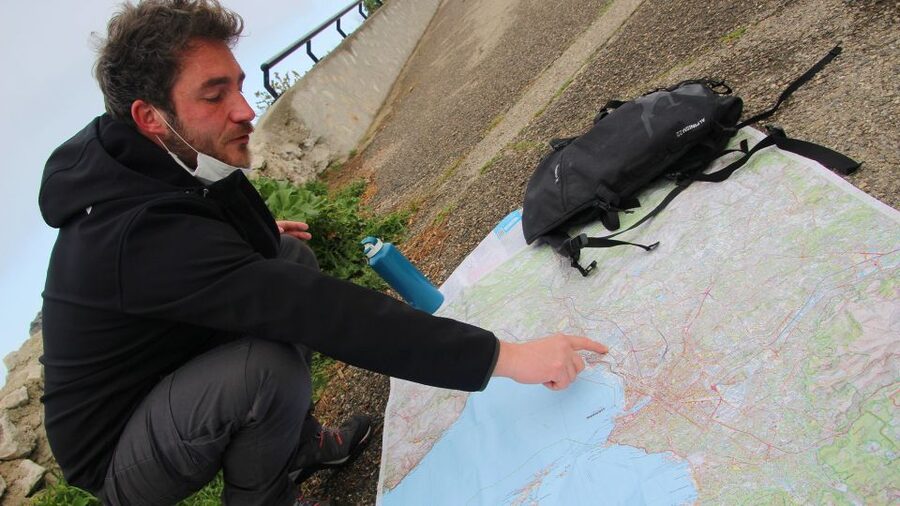
The meeting point is easy to find if you’re already walking Marseille’s main seams: in front of Burger King at the intersection of La Canebière and the Quai des Belges. The guide is dressed for hiking (backpack included), which is a nice clue that this isn’t a sit-and-point kind of tour.
You can also read our reviews of more tours and experiences in Marseille.
From La Canebière to the Old Port: start with a view of the city’s engine
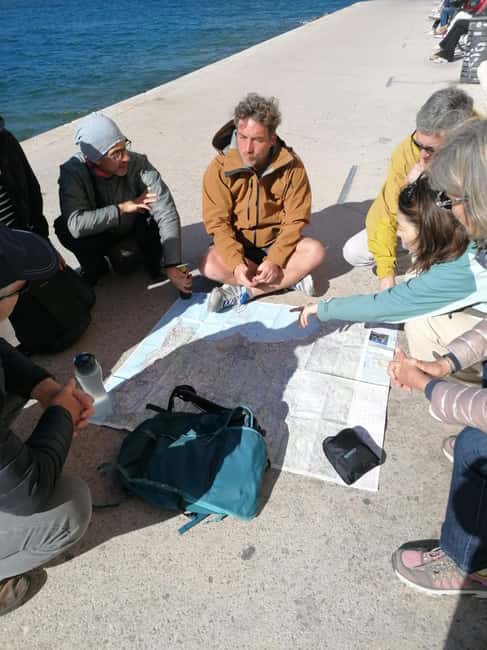
You kick off at Burger King on La Canebière, a strong starting signal because this is where the city’s energy gathers. From there, you head to the Old Port of Marseille for an initial guided walkthrough.
That first stretch matters. It helps you understand Marseille’s layout in your body: where the sea sits in relation to the city, where the main movement happens, and what areas feel open versus tucked in. Even a short orientation like this can make the rest of the hike feel clearer.
Expect some walking right away, so have your comfortable shoes ready. This tour isn’t billed as light, and you’ll feel it later.
Waterfront momentum: Pharo, Catalans, and the sea-level Marseille
Once you leave the Old Port, the tour leans into the coast. One stop that sets the tone is Palais du Pharo, with both a photo stop and guided explanation. On a day with decent weather, this kind of photo stop is more than a snapshot moment—it gives you a “from here to there” reference point for the rest of the walk.
Next comes Plage des Catalans. It’s a beach stop, but think of it as a coastal neighborhood checkpoint. You’ll get the feel of how the city performs at water level, and you’ll see how the waterfront connects to everyday life rather than operating like a separate attraction.
Then there’s Monument aux morts de l’Armée d’Orient et des terres lointaines. This quick photo stop adds a different flavor. It’s not only about scenery; it’s about how Marseille remembers people and history through public space. Moments like this help the tour feel human instead of purely scenic.
Vallon des Auffes: where Marseille looks like a postcard you can walk into
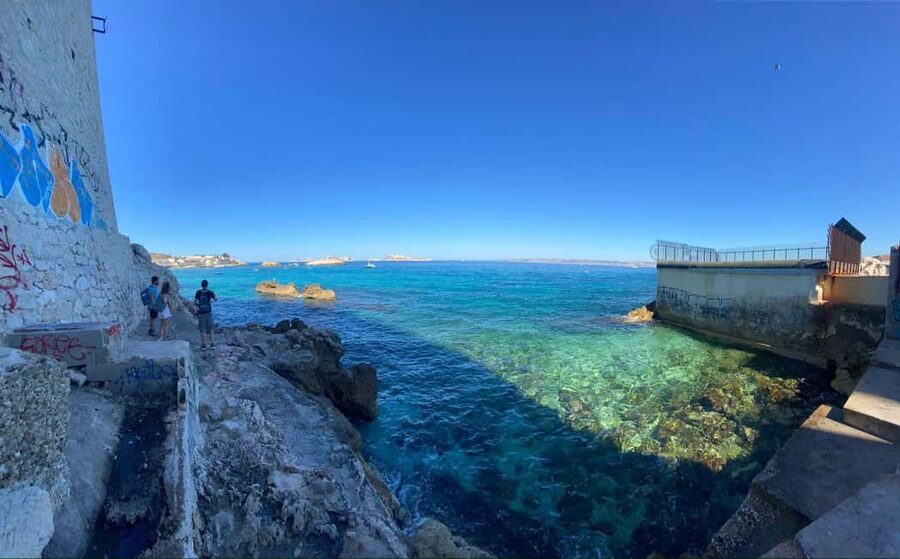
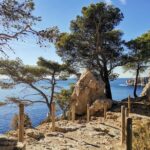
If you want one part that feels like a reward, it’s the stretch around Vallon des Auffes. You’ll pause there with a photo stop and guided context, plus time to look around. This is the kind of place that makes sense why the hike works: you don’t just see Marseille from above later, you see it shaped by the water right now.
And it’s not a fake version of Marseille. It’s small-boat atmosphere territory. Even if you’re not stopping for a meal, you’ll notice the rhythm—narrow inlets, the way the buildings hold close to the shore, and how quickly the view changes when the angle shifts.
The anse sequence: Malmousque and La Fausse Monnaie
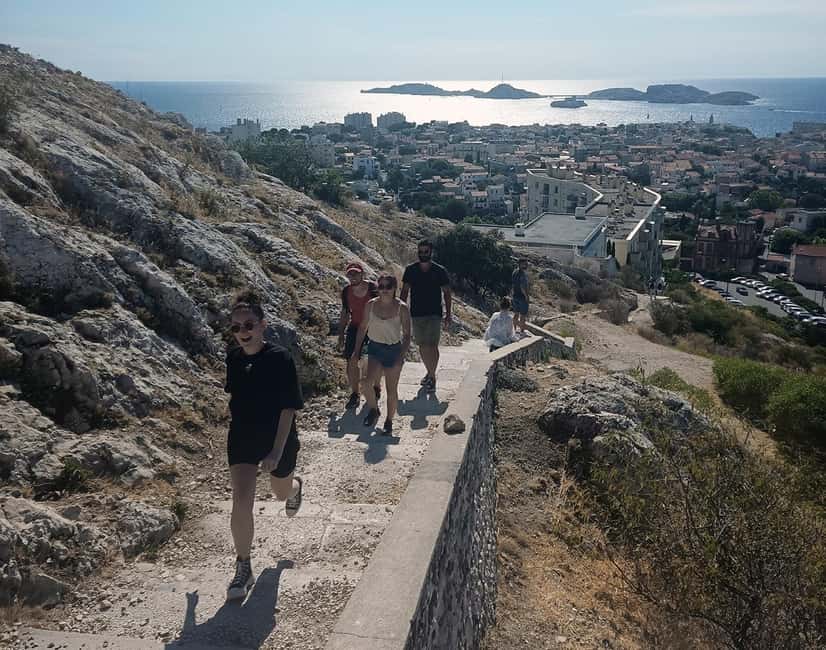
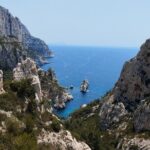
After Vallon des Auffes, the route continues with two more seaside interruptions that keep the scenery changing: Anse de Malmousque and Anse de la Fausse Monnaie.
Each of these is positioned as photo stop plus guided sightseeing and scenic viewpoints on the way. That phrasing matters. You’re not just arriving at a single moment; you’re walking segments where the guide can point out what you’d miss on your own—small details about why the area feels the way it does, how the shoreline is shaped, and how the city meets the sea.
This is also where the tour earns its “avoid tourist traps” reputation. Instead of repeating the same central sights, you’re moving through multiple coastal settings that feel distinct from each other.
Inland change of pace: Chemin du Bois Sacré and quiet parks
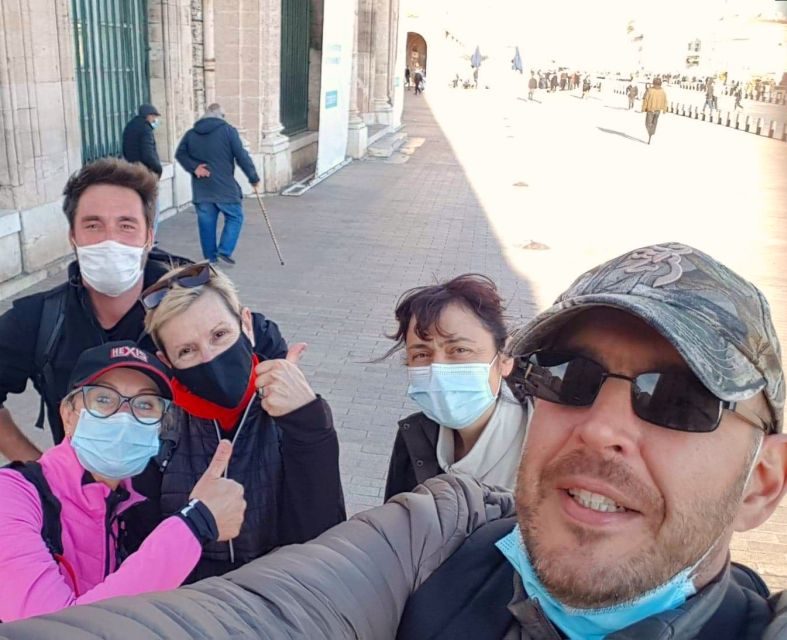
Eventually you leave the waterline feel and head inland toward Chemin du Bois Sacré. This part of the tour is listed with guided touring plus walking and scenic passing moments.
What I like about this inland shift is that you get a break from full sun and salt-air visuals. The route is built to switch environments: sea to stone to quieter green pockets. In summer, the tour adapts with frequent stops, drinking-water points, and shaded parks—so you’re not just suffering through heat for the view.
If you’re the type who always picks the shortest route on a map, this is where you’ll learn a different kind of planning: sometimes the longer walk is what makes the city click.
The secret stop and the long build-up to the basilica
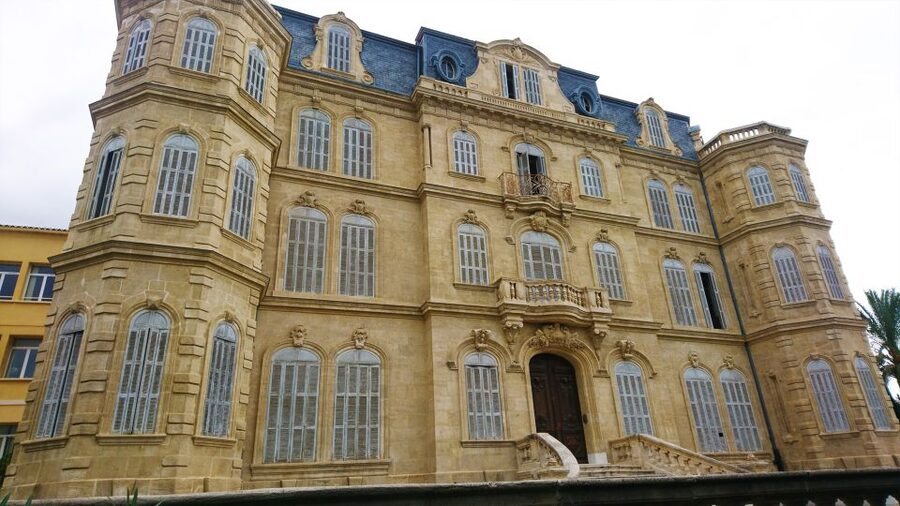
You’ll hit a secret stop later in the route—40 minutes of photo stop, guided sightseeing, and walking. That longer block is a big hint: you’re not just passing through this area; it’s part of the storytelling arc.
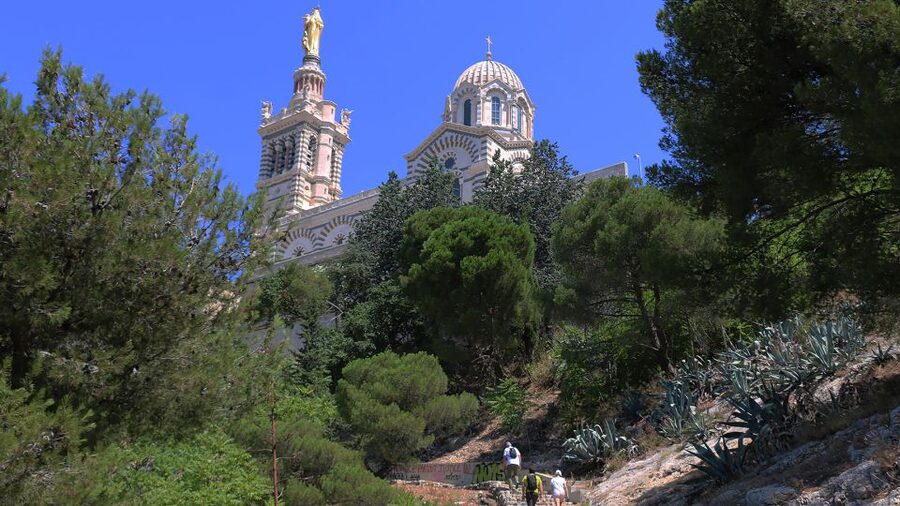
Then you finally climb to the high point: Notre-Dame de la Garde. You’ll have a photo stop, a guided visit component, and time for self-guided exploration. The climb is narrow and steep enough that the tour warns you not to plan a tight schedule if you want to enjoy it.
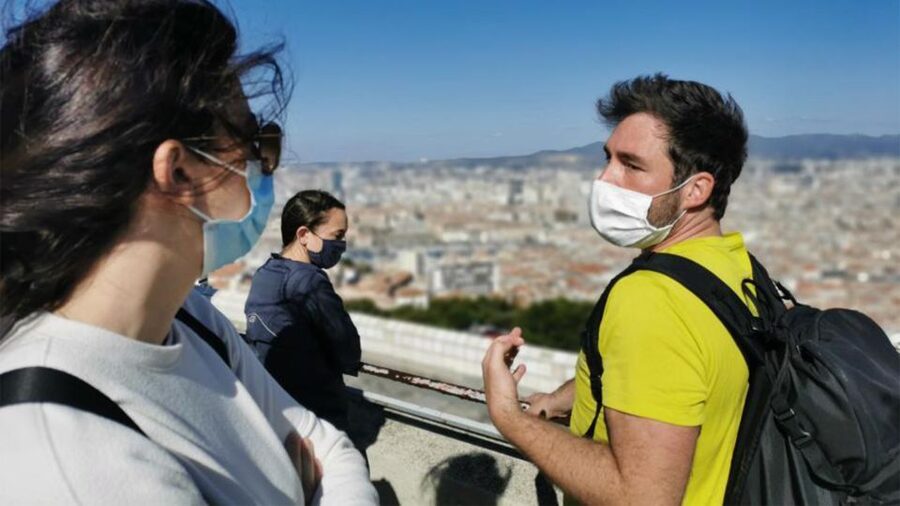
What you should take from this part is the “why” behind the view. Yes, the panorama is the headline, but the guide helps you understand what you’re seeing—how the city spreads under you, where the coast ends, and how Marseille’s geography shapes daily life.
Boulevard André Aune and the return to the Old Port
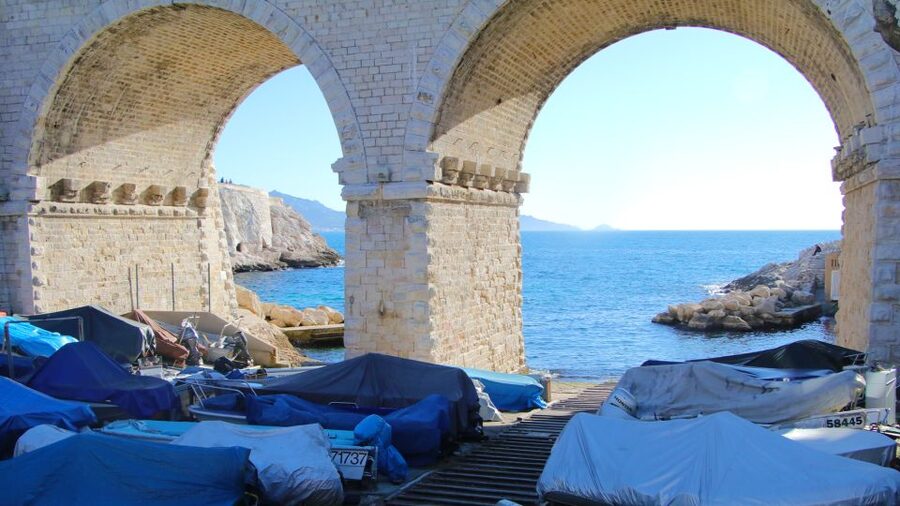
After the basilica, the tour works its way back down. You’ll pass Boulevard André Aune (with guided walking, photo stop, and scenic passing moments), then wrap up with free time at the Old Port of Marseille.
That short free time is useful. You can grab a drink or snack you actually want, wander back toward something you noticed earlier, or simply sit and do a people-watch loop. It’s a nice landing after a serious uphill segment.
If you’re timing your day carefully, this is also a moment to remember you might be walking longer than expected. Some days run past 3.5 hours when there’s lots to talk and look at, which is often the point of booking a guided hike in the first place.
Price and value: what $46 buys in walking time and local context
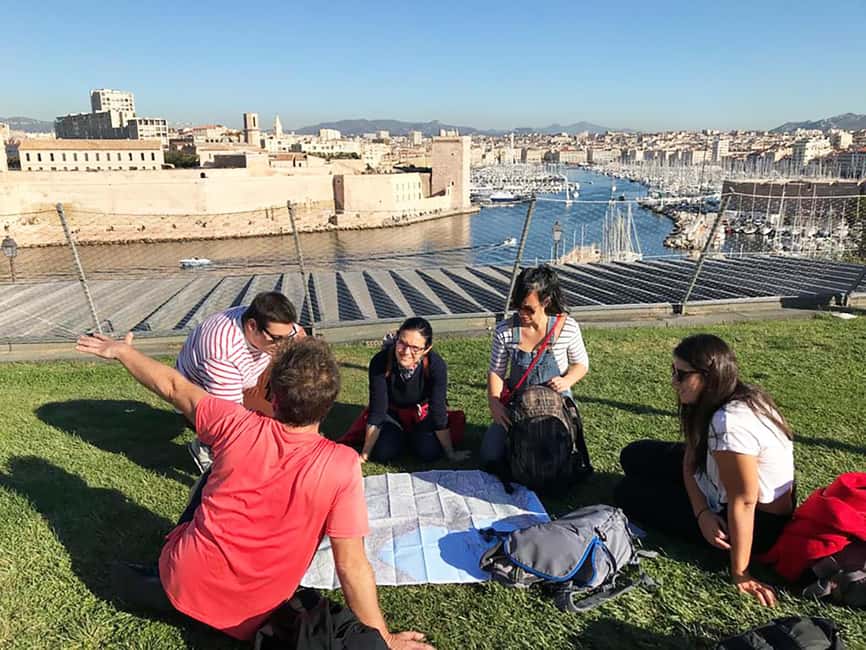
At $46 per person for about 210 minutes, this sits in the “good value” lane because the tour is not only moving you around—it also teaches you how to read Marseille as you go.
Here’s the math that matters:
- You get a guide, and the guide isn’t just repeating basic landmark facts. The tour focuses on sports, culture, heritage, and history, plus the neighborhoods behind the scenes.
- You get 8 water points and sunscreen included, which helps you avoid the usual bring-everything headache in warmer months.
- The group size is limited to 10 participants, so you’re not stuck waiting in line to ask one question.
What you don’t get is just as important: water or drinks are not included. Even with water points, you’ll still want to carry what you personally need, especially if you’re sensitive to heat or pace.
Who this Marseille hike is perfect for (and who should skip it)
This is ideal for you if you want:
- a guided walk with real neighborhood insight
- sea-to-inland variety, not just one district
- an active outing with a payoff at Notre-Dame de la Garde
It’s not a great match if you:
- have mobility impairments (not suitable)
- are traveling with kids under 7 years (not suitable)
Also, be honest about your fitness. Even in “small group” walking tours, Marseille hills can feel real. Some feedback includes notes about steep sections and uneven pavement and steps, with one person describing it as a true hike rather than casual sightseeing.
Practical tips so you enjoy every uphill minute
Do these and you’ll keep your energy for the views:
- Wear comfortable shoes with grip. Expect uneven steps and tight streets.
- Bring water even though water points exist. You’ll manage better if you’re not waiting for the next stop.
- Use sunscreen. It’s included, but you’ll thank yourself for using it right away.
- Plan a buffer after the tour. The hike can exceed the planned time on lively days.
Small bonus: the route includes multiple photo stops. If you like pictures, bring a phone plan that saves you time—camera ready before you reach the viewpoints.
Should you book this urban hiking tour?
Yes, if you want to understand Marseille, not just photograph it. This is a good choice when you like walking with a guide who can explain what you’re seeing—especially the shift from coastal scenes to the climb up to Notre-Dame de la Garde.
Skip it if you hate uphill effort, need step-free routes, or want a low-impact activity. This tour is built for active travelers, and the payoff is worth it only if you’re comfortable earning your views.
FAQ
How long is the Marseille Urban Hiking Tour?
The tour lasts 210 minutes, though it can sometimes run longer when the weather is nice and there is lots to talk about.
Where is the meeting point?
Meet in front of Burger King at the intersection of La Canebière and the Quai des Belges. The guide will be in hiking gear and carry a backpack.
How much does it cost?
The price is $46 per person.
What group size should I expect?
It’s a small group limited to 10 participants.
What languages are available?
The live tour guide offers French and English.
What’s included in the tour price?
Included are the guide, 8 water points along the route, and sunscreen.
Is water or drinks included?
No. Water and drinks are not included, so you’ll want to bring your own.
What should I bring?
Bring comfortable shoes, sunscreen, and water.
Is this tour suitable for children?
No, it is not suitable for children under 7 years old.
Is it accessible for people with mobility impairments?
No, it is not suitable for people with mobility impairments.
Is there free cancellation?
Yes, you can cancel up to 24 hours in advance for a full refund.