REVIEW · INDONESIA
Mount Rinjani Climbing 2D/1N Summit Trek 3726M
Book on GetYourGuide →Operated by Rinjani Climbing Tours} · Bookable on GetYourGuide
Sunrise on Rinjani starts before your alarm. This 2-day summit trek in West Nusa Tenggara is run with English-speaking guides and professional porters who handle cooking gear and camp setup, so you’re not fighting logistics while you’re climbing. I like how the experience feels structured from the first briefing through the final descent.
What I really love is the payoff: watching sunrise from the summit and then looking out over Segara Anak Lake and the islands below. It’s the kind of view that makes the hard parts feel worth it, especially when the crater rim camp lets you see the lake and surrounding area in different light.
One consideration: day 2 is early and intense, with a 3:00 AM summit push and a very steep last hour. If cold mornings and steep steps scare you, this trek will demand a lot from you.
In This Review
- Key things to know before you go
- Sembalun to the Crater Rim: your Day 1 climbs with real rests
- Camping at Sembalun Crater Rim: comfort details that matter at altitude
- Summit Day at 3:00 AM: the trail stages and the view math
- The descent back to Sembalun: long legs, big timing, real payoff
- Value check: what $133 covers and what to budget separately
- Guides, porters, and the English support that keeps you calm
- Packing list: what to bring for cold mornings and steep steps
- Who should book this trek, and who should skip it
- Should you book the Mount Rinjani 2D/1N Summit Trek (3726m)?
- FAQ
- How long is the Mount Rinjani climbing experience?
- Where does the trek start, and is pickup available?
- What time do you start the summit hike on day 2?
- What kind of meals and drinks are included?
- Is the National Park Rinjani entry ticket included?
- What camping and toilet setup is provided?
- Who is the trek not suitable for?
Key things to know before you go
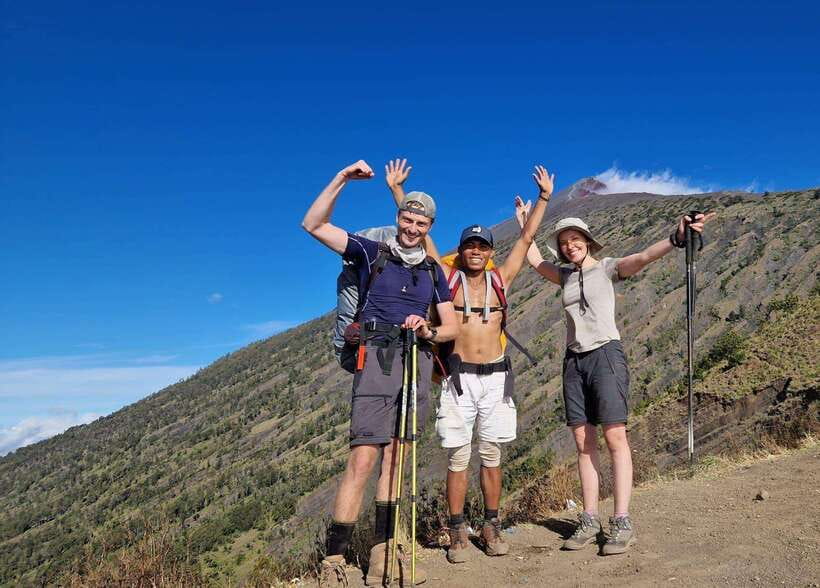
- Porter support that actually helps: porters carry cooking utensils and camping equipment, plus they support the trek flow.
- Crater rim camping at Sembalun: you’ll spend the night with views over Segara Anak Lake and the area around Sembalun village.
- A summit sunrise timed for effort: wake at 2:30 AM and start climbing at 3:00 AM for the best light.
- Trail variety over two days: a moderate first climb, a long but easier stretch, then a steep final push.
- You get water and meals included: 3 liters of mineral water per day and 3 meals each day reduce stress on the trail.
- You must plan for extra costs: the National Park Rinjani entry ticket is not included.
Sembalun to the Crater Rim: your Day 1 climbs with real rests
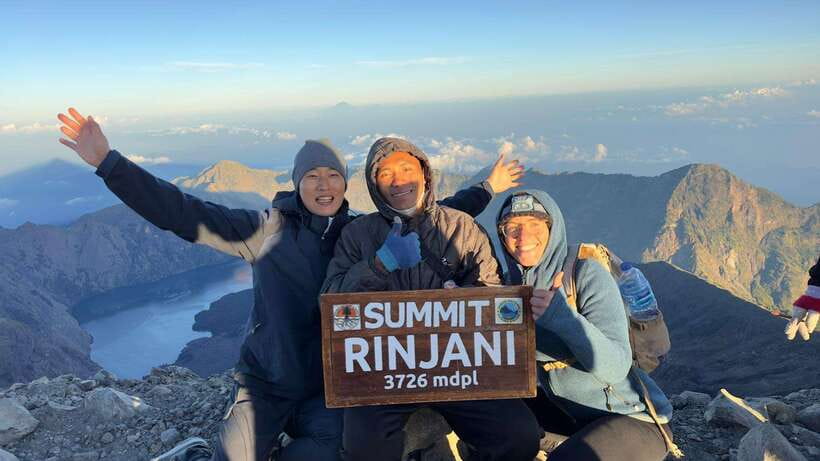
Day 1 starts with a mountain car transfer from the Senaru area to Sembalun village, then a stop at the Rinjani Information Center before the trek begins. Right away, this matters because it sets expectations and helps you understand what’s ahead.
Once you start walking, the route is built around breaks at the posts:
- You’ll rest at Post 1, then continue to Post 2.
- After that, you take a longer break before Post 3 (the schedule includes a 2-hour rest before lunch and continuing onward).
That rhythm is more than “nice pacing.” It’s a smart way to manage altitude and fatigue. On Rinjani, the biggest enemy is usually not one moment—it’s turning a long grind into a constant drain. Stops like Post 3 give you time to eat, reset, and keep your legs from locking up.
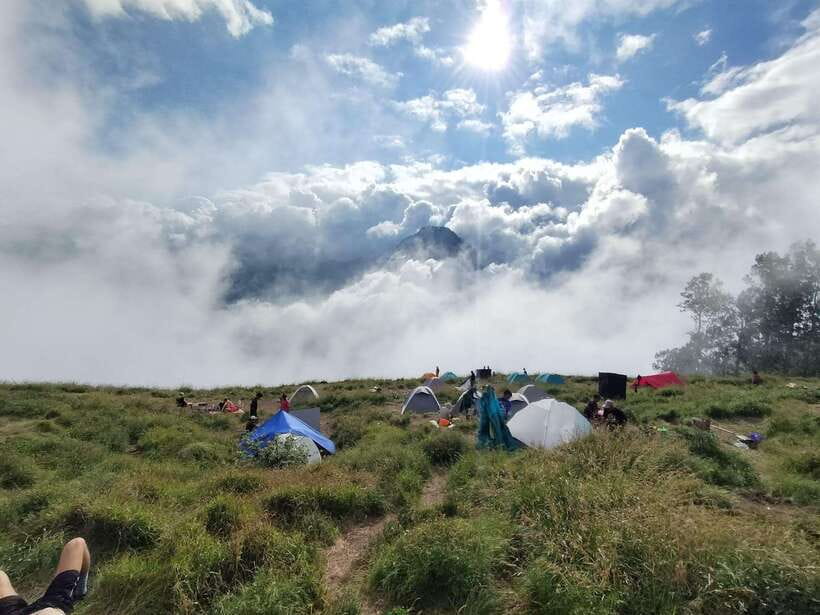
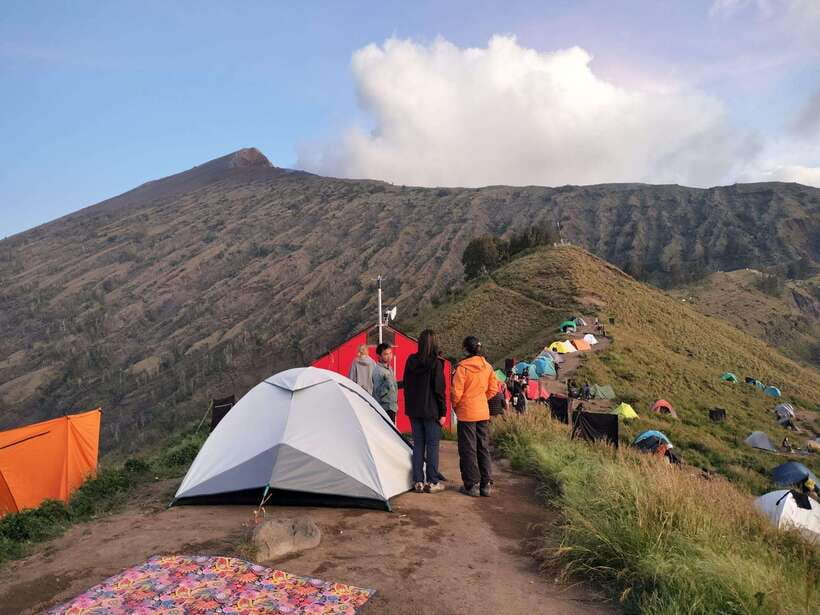
After lunch, you continue up to the Sembalun Crater Rim and set up camp. This is one of my favorite parts of the plan because you’re not just hiking for the summit; you’re also hiking for the chance to watch the area shift. You’ll have the view over Segara Anak Lake, Sembalun village, and the direction of the summit, with sunset and sunrise glimpses from camp.
Day 1 gives you two practical wins:
- You arrive at a high, scenic base for night and early morning.
- You also get a taste of the scale of the volcano before you ever chase the top.
You can also read our reviews of more tours and experiences in Indonesia.
Camping at Sembalun Crater Rim: comfort details that matter at altitude
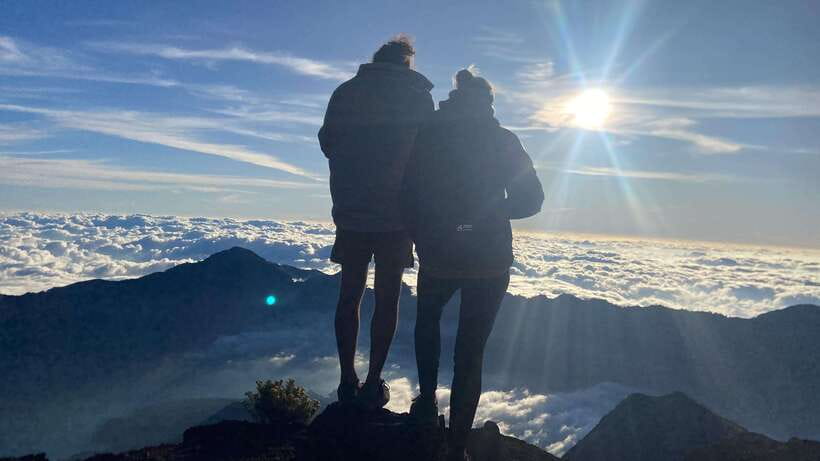
The overnight is 2D/1N style: you camp at the crater rim. And yes, it’s outdoors, so temperatures at higher altitude can feel cold.
What’s helpful is what’s included:
- Tent
- Sleeping bag
- Sleeping mat
- Toilet tent plus toilet paper
Even if you’re an experienced hiker, this kind of support is worth something. It reduces what you need to carry and keeps your focus where it should be: the climb.
What you bring still matters. Pack warm clothing because you’ll be awake at odd hours on day 2, and the crater rim can feel colder than you expect. If you’ve only packed for “tropical hikes,” this is where you’ll notice the difference.
Also, note what’s allowed: no smoking. It’s a small rule, but it’s there for a reason—air and weather on the mountain can get tricky.
Summit Day at 3:00 AM: the trail stages and the view math
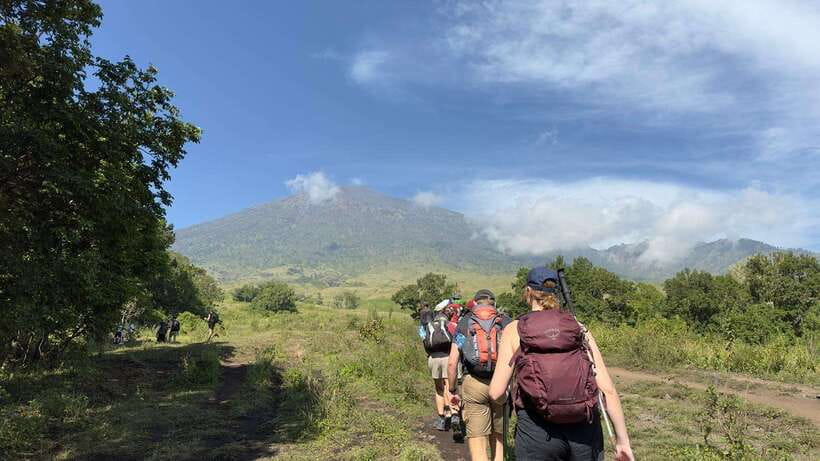
Day 2 is the main event. You’ll wake at 2:30 AM for light breakfast, then start the summit trek at 3:00 AM. That early push is not optional if you want sunrise from the top.
The climb is divided into stages:
- First stage (about 2 hours): a moderate climb
- Second stage: fairly easy but long
- Last hour: very steep and difficult
This is the part I tell you to take seriously. Many people can handle “easy but long,” and lots of people can handle “moderate.” The last hour is the one that tests footing, breath control, and mental stamina. If you tend to rush when you’re tired, this is where slowing down will save your legs.
Then comes the reward. From the summit, you’re looking out at:
- All of Lombok island
- Bali
- Mount Tambora in Sumbawa
- Segara Anak Lake
That list is impressive, but here’s the real value: you’re getting a 360-degree sense of where you are in Indonesia’s volcanic chain. It turns the mountain from a “destination” into a geographic experience.
After sunrise, you don’t linger too long. You’ll head back down toward the crater rim and have breakfast, then you rest before continuing the descent to Sembalun village.
The descent back to Sembalun: long legs, big timing, real payoff
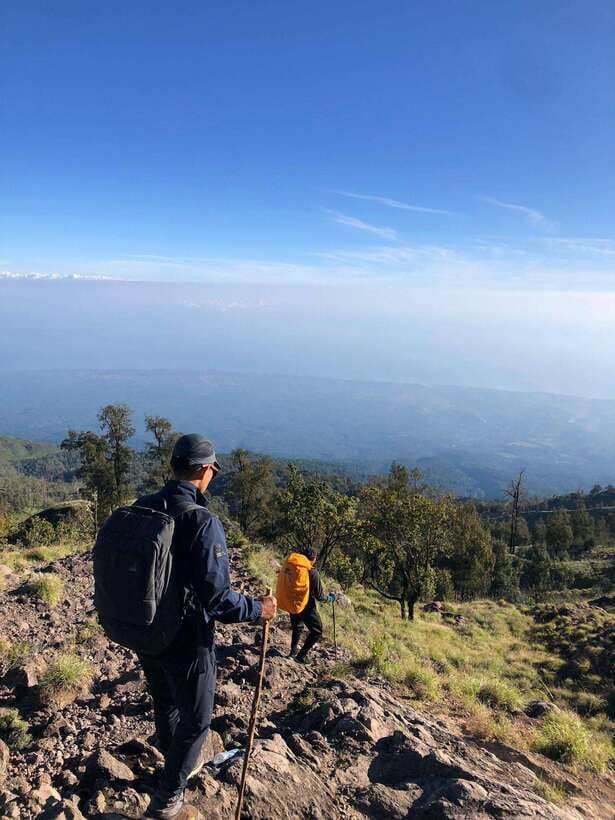
The plan after sunrise is practical. You’ll descend to the crater rim for breakfast, then rest. After that, it’s a 4–5 hour downhill hike to Sembalun village.
Your lunch is timed during descent:
- You’ll have lunch at Post 3 or Post 2
- You’re expected to arrive in Sembalun village around noon
Why this pacing is good: you still get a finished day. You’re not stuck hiking all afternoon after the summit. It also helps you plan the rest of your Lombok trip, since you’ll have your time back.
Downhill can still be tough on knees and hips, even when the grade feels easier than the last summit hour. Bring snacks and think about your hydration habits, because you’ve been climbing in cold and low light earlier in the morning.
Value check: what $133 covers and what to budget separately
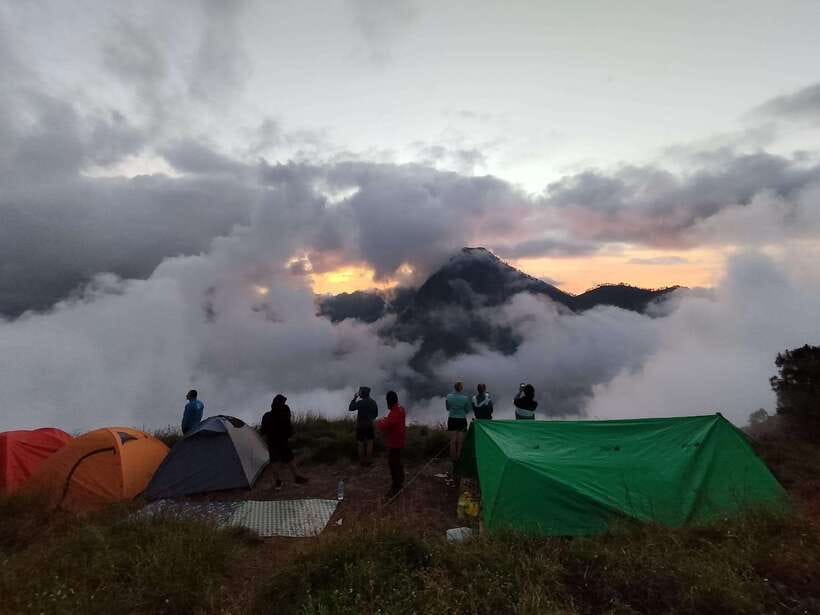
At $133 per person for a 2-day/1-night summit trek, the value is mostly in what you don’t have to organize yourself.
Included strengths you should care about:
- Hiking guide and porters
- Porters carrying cooking utensils and camping equipment
- Food and drinks, with 3 liters of mineral water per day/person
- 3 meals a day, plus tea and coffee
- Tent, sleeping bag, and sleeping mat
- Toilet tent and toilet paper
- Insurance
- Storage at the office for your backpack when you don’t need it
- Pickup optional around Senaru and transportation to the starting point
Not included items that can change your total budget:
- Entry ticket National Park Rinjani
- Trekking shoes, trekking pole, headgear, and a few clothing items like jackets/warm gear (the tour doesn’t provide these)
- Tips for guide and porters
- A medical check up (listed as not included)
- Extra local payments like additional charges related to Kuta Lombok, Tete Batu, or the airport are listed as not included, if they apply to your wider plan
So here’s the real math: if you already own decent hiking shoes and basic cold-weather layers, you’ll likely find this price is focused on the guided climb, camp setup, and food/water. If you don’t have that gear yet, your “total trip cost” rises fast. That’s not a deal-breaker—it’s just something to plan so the budget doesn’t surprise you.
Guides, porters, and the English support that keeps you calm
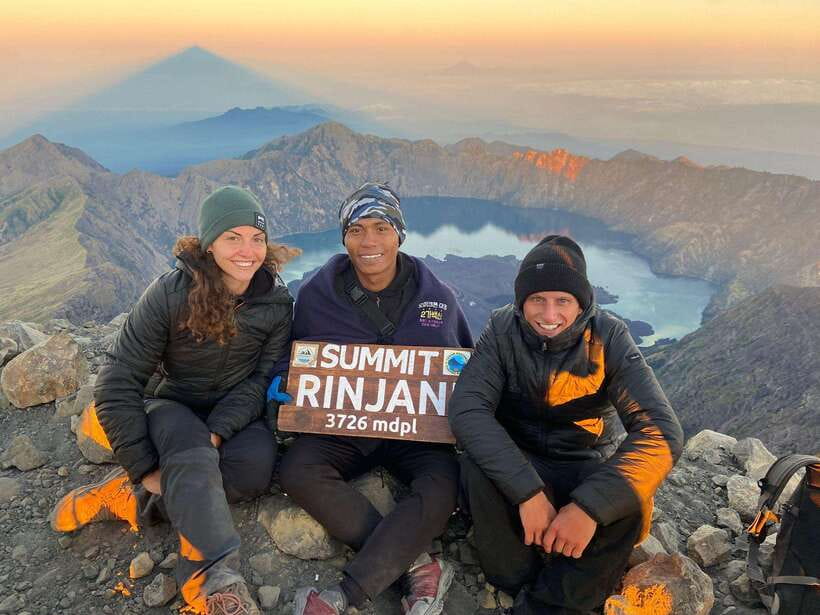
You’ll have an experienced English-speaking guide and professional porters. The most practical part is that porters handle the cooking utensils and camping equipment, plus there’s a porter tour guide support element.
That does two things for you:
- It reduces the weight you’re carrying up steep sections.
- It keeps the camp and meal rhythm consistent, which matters when you’re tired and the weather changes.
The tour also notes that it can be a private group. If you like more flexibility and quieter pacing, that option can help.
If you’re trying to travel confidently in Indonesia, having English + Indonesian support can reduce anxiety when you’re managing timing, rest stops, and gear checks.
Packing list: what to bring for cold mornings and steep steps
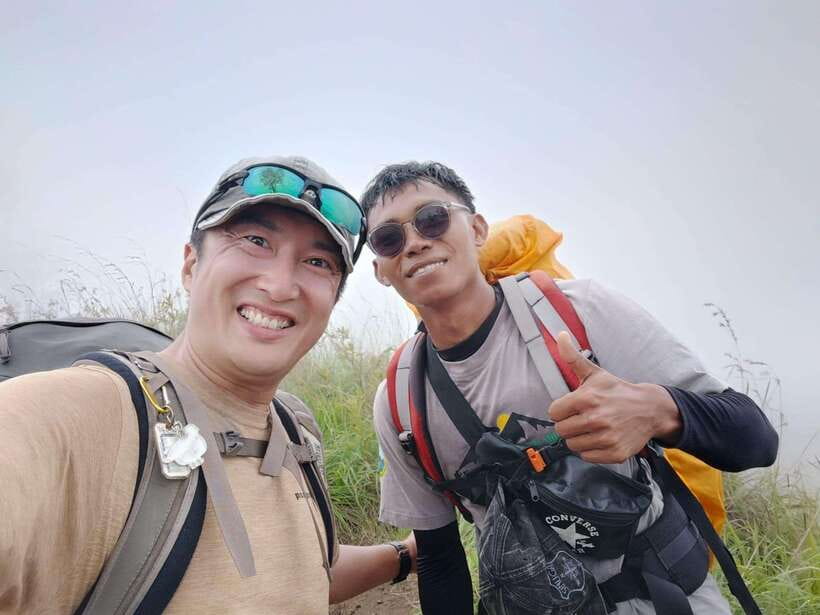
Based on what the trek asks you to bring, keep your kit simple but capable:
- Warm clothing
- Hiking shoes
- Camera
- Snacks
- Water (even with 3 liters provided daily, bringing a bit extra you like can help)
- Any small daypack you’re comfortable with (a small daypack is noted as possible to rent)
A few practical upgrades, even if not explicitly listed:
- A trekking pole can help on descents, since the trek includes steep and long downhill time.
- A headlamp is essential for a 2:30 AM wake-up and 3:00 AM start, even if the tour doesn’t provide headgear. If you don’t own one, make sure you can rent or borrow.
Also, follow the simple rule: don’t smoke during the hike.
Who should book this trek, and who should skip it
This is a challenging mountain trek. The tour flags steep climbs and cold temperatures at higher altitude.
It’s listed as not suitable for:
- Children under 10
- Pregnant women
- People with back problems
- People with heart problems
If any of those apply, you should choose a different Rinjani option or talk to a medical professional first.
Who it suits best:
- People who can handle a 3:00 AM start
- Hikers who are okay with a very steep last hour
- Travelers who want sunrise from the summit and a full crater rim experience (not just a quick summit-and-go)
Should you book the Mount Rinjani 2D/1N Summit Trek (3726m)?
Book it if you want a trip that’s built around the big payoff: sunrise from the summit, plus crater rim camping with Segara Anak Lake in your view for more than one moment. I also think it’s a strong choice if you like a structured plan with porters handling camp gear and cooking support, plus 3 meals a day and 3 liters of water taken care of.
Don’t book it if steep climbs and cold mornings will stress you out. The final hour is described as very steep and difficult, and day 2 begins before most people are awake. Also, check your budget for the National Park Rinjani entry ticket and make sure you can cover what’s not included (especially shoes and cold-weather layers).
If you want one practical decision rule: if you can commit to pacing yourself on the last steep hour, this trek is an excellent way to earn that sunrise view.
FAQ
How long is the Mount Rinjani climbing experience?
It runs for 2 days, including a 1-night camping stay on the Sembalun Crater Rim. Starting times can vary, so you’ll need to check availability.
Where does the trek start, and is pickup available?
You’ll meet for a briefing and the tour may include pickup around Senaru. There is also transportation to the starting point.
What time do you start the summit hike on day 2?
You wake at 2:30 AM and start the summit trek at 3:00 AM.
What kind of meals and drinks are included?
The tour includes 3 meals a day, plus tea and coffee. It also includes fruit like pineapple and banana. Mineral water is provided at 3 liters per day per person.
Is the National Park Rinjani entry ticket included?
No. The entry ticket for the National Park Rinjani is not included.
What camping and toilet setup is provided?
You get a tent, sleeping bag, and sleeping mat. A toilet tent and toilet paper are also provided.
Who is the trek not suitable for?
It is not suitable for children under 10 years, pregnant women, people with back problems, and people with heart problems.