REVIEW · SAPA
Mountain views & Rice Terraced Fields Hiking – 2D 1N
Book on Viator →Operated by Trekking Tour Sapa · Bookable on Viator
Rice terraces and village trails, minus the tourist grind. This 2-day trek around Sapa mixes mountain views, river-and-valley scenery, and walking between five ethnic villages, with a homestay night built in. I like that it’s small-group (up to 10 people) and that the guide quality can be excellent, like San, who explained a lot and kept the day moving smoothly.
You’ll also enjoy the chance to see everyday life up close—especially the cultural details tied to work, houses, and even Hmong marriage traditions. A possible drawback: you should plan on uneven trails and some uphill effort, since it’s geared to moderate fitness rather than a flat, casual stroll.
Still, if you want Sapa that feels lived-in—rice fields, local routines, and real village pacing—this route is a strong choice for a short getaway.
In This Review
- Key things I’d focus on
- Mountain views and rice terraces on a short, village-heavy schedule
- The 9am meet at Sapa Church: your day starts with a view-bound route
- Stop 1: Hang Da Village and that first mountain-view payoff
- After lunch to Hau Thao: Black Hmong daily life, not a staged stop
- Overnight in a homestay: dinner, breakfast, and simple comfort
- Day 2 start: breakfast, then you’re walking again (but with purpose)
- Giang Ta Chai Village and the waterfall moment
- Ta Van Village at the end: where Giay and Black Hmong meet in the view
- Price and value: what $90 buys in real logistics
- Who this trek suits best (and who should think twice)
- Practical tips so the trek feels easy, not annoying
- Weather, group size, and comfort expectations
- Should you book Mountain Views & Rice Terraced Fields Hiking – 2D 1N?
Key things I’d focus on
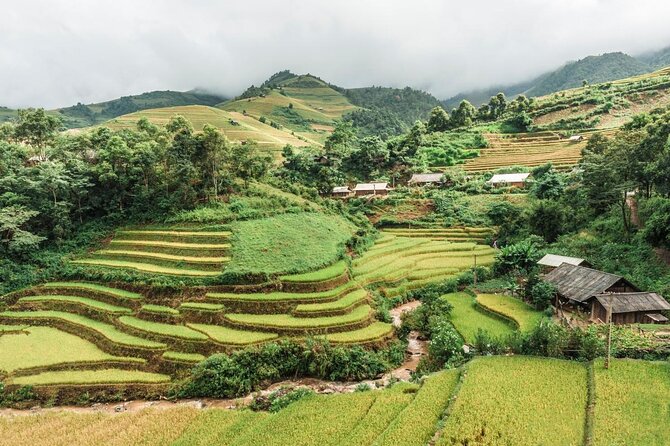
- Five villages across Hmong, Giay, and Red Dao communities, not just one quick photo stop
- One homestay night with dinner and breakfast included
- Guided walks with mountain-view breaks, including an initial uphill push from Sapa Church
- Rice terrace country plus big river/valley scenery, even on a short 2-day schedule
- A guide who teaches, with strong reports about San’s storytelling and explanations
Mountain views and rice terraces on a short, village-heavy schedule
Sapa is famous for its views, but a lot of trips only skim the surface: a quick look, a couple photos, then back to town. What I like about this trek is the pace. You’re not just passing through the countryside; you’re moving between villages and seeing how people live there, with time for context along the way.
Even in just 2 days, the route is designed to give you mountain landscapes plus Sapa’s biggest river and valley. And since the trip includes stops tied to ethnic minorities—Hmong, Giay, and Red Dao—you’re getting more than pretty scenery. You’re getting culture you can actually observe: how communities build homes, how work fits into the landscape, and how local traditions show up in daily life.
The walking is also practical. There’s an uphill start (you’ll walk from the meeting point toward mountain views), then the days shift toward downhill stretches between villages. That makes it a better match if you’re okay with legs that are awake but not okay with long, marathon trekking days.
You can also read our reviews of more tours and experiences in Sapa.
The 9am meet at Sapa Church: your day starts with a view-bound route
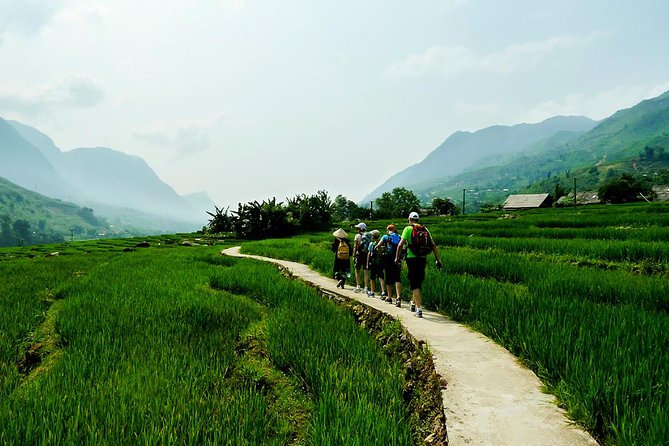
Your day begins at Sapa Church (P. Hàm Rồng, near the center). The start time is 9:00am, and you’ll meet your guide either at the hotel in Sapa or in front of the church area, depending on pickup.
Why this matters: starting in the morning helps you beat crowds and gives you better odds of clearer visibility for mountain views. It also sets expectations early—this isn’t a late brunch trek. You start moving right away.
From the start, you’ll take a small trail uphill. It’s listed as about 1 kilometer toward mountain views, and that first climb is a good “warm-up” segment. You don’t need to think of it as a grind, but you do want proper shoes and a steady pace.
Stop 1: Hang Da Village and that first mountain-view payoff
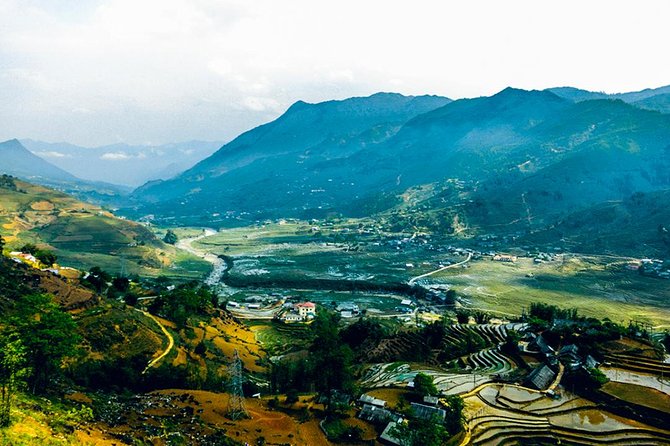
Hang Da Village is where you get your early reward. After a short introduction with your guide, you walk uphill and reach mountain-view areas. The tour includes an activity window of about 1 hour here, which typically means enough time to look around, take pictures, and get the lay of the land.
This is one of the best moments of a short trek, because you’re arriving while your energy is still high and the valley looks its most impressive. You’ll likely find yourself looking beyond the villages toward the broader geography—because Sapa’s “wow” isn’t just one waterfall or one ridge. It’s the way everything layers together: slopes, valleys, and fields changing as the light shifts.
If you’re sensitive to heights or have trouble on uneven steps, take it slow on the uphill portion. It’s the only clearly uphill piece described for day one, and it’s the part that sets the tone for the rest of the trek.
After lunch to Hau Thao: Black Hmong daily life, not a staged stop
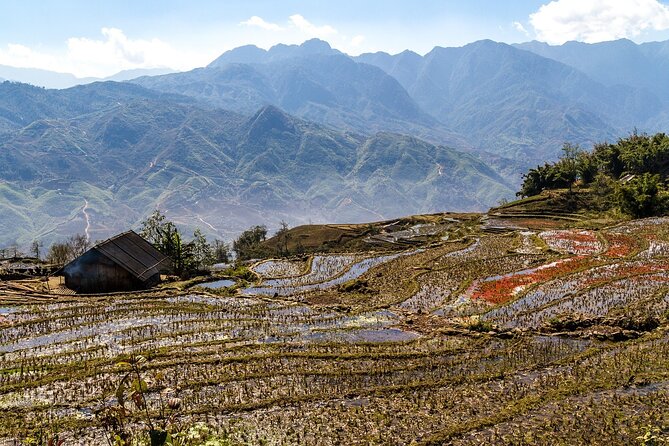
After lunch, the trek heads down to Hau Thao, a village of the Black Hmong ethnic minority. This is where the experience shifts from “viewing the landscape” to “watching life within it.”
You’re moving on a little road down into the village, and the goal is to see day-to-day routines—how people go about their tasks and how village life works in this mountain setting. The tour format suggests short, purposeful time in this area (it’s listed as a brief stop), so you’ll want to pay attention to what your guide points out instead of relying on long wandering time.
Practical tip: in village settings, conditions can change fast—weather, mud, and footing. Even if your schedule is compact, bring a mindset of flexibility. A short stop still pays off if you’re watching closely and asking questions.
Overnight in a homestay: dinner, breakfast, and simple comfort
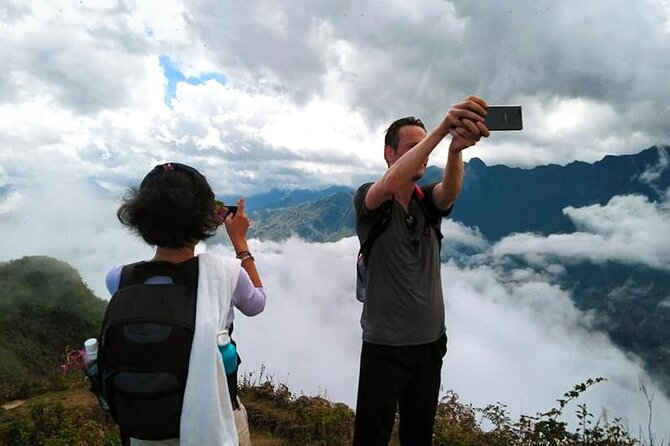
The trek includes one night in a homestay. You get dinner and breakfast as part of the package, and village entry fees are included too. That matters for value: it’s not just a guided walk, it’s an overnight cultural experience built into the price.
Homestays in Sapa often vary by property, but your best bet is to approach it as “local living,” not as a hotel upgrade. The listing includes accommodation in the homestay and also provides a big bottle of water per person, which is a nice practical touch on a trek where refills may not be guaranteed.
If you like a warm meal after a day of walking, you’ll appreciate how the schedule is set up. Dinner and breakfast remove a big headache, so you can focus on the walk and conversation rather than hunting for food.
From the guide-performance notes, homestay food has been described as quite good, and that fits the idea that this operator wants you fed and comfortable enough to enjoy the second day.
Day 2 start: breakfast, then you’re walking again (but with purpose)
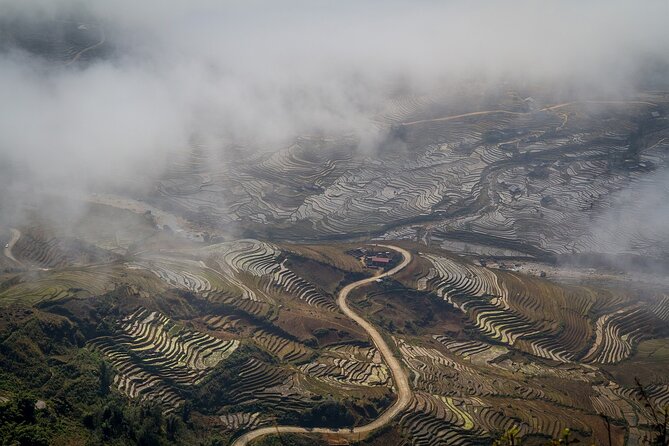
Day two starts after breakfast in the homestay. Then you begin the next trek segment by walking down from Hau Thao toward Giang Ta Chai Village.
On a 2-day trek, breakfast matters more than you’d think. It’s what decides whether the second day feels manageable or punishing. Since breakfast is included, you don’t have to plan your morning around finding a café or calculating where you can buy something quickly.
This day is also designed to keep things scenic and varied rather than repeating the same terrain. You’re moving through the valley world again, but with new sights and different village stops.
Giang Ta Chai Village and the waterfall moment
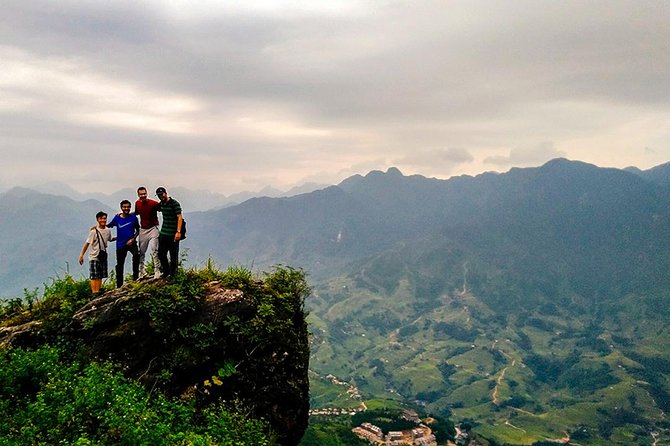
Giang Ta Chai is a highlight because you get both village atmosphere and a waterfall element in the area. The itinerary lists a segment of about 1 hour for this stop, which suggests you’ll have time for pictures and for your guide to explain what you’re seeing—especially how the landscape supports village life.
Why waterfalls can feel special here: in Sapa, water doesn’t exist alone. It’s tied to slopes, irrigation, and how people cultivate land. Even if you only catch a waterfall from a viewing point, your guide can help connect it to the larger valley story you saw the day before.
This is also where the trek aligns with rice-terrace appeal. You’re in rice-terrace country, and seeing water plus terraced land gives you a clearer mental picture of how agriculture works in steep terrain.
Ta Van Village at the end: where Giay and Black Hmong meet in the view
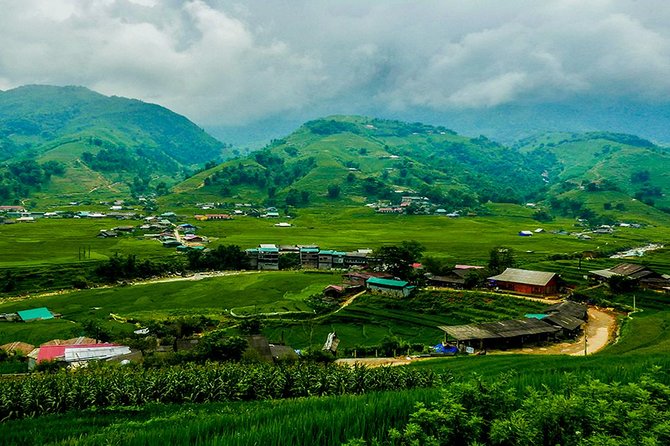
After enjoying the pictures, you head downhill to Ta Van Village. This stop is brief (it’s listed as about 1 minute), but it’s an important finish because it’s where you can see both Giay and Black Hmong minorities in one place.
Even with a short stop, the value is in location and contrast. The end of a trek tends to feel best when you have something visually satisfying to close on—usually a viewpoint over the valley or village layout. Ta Van typically fits that role for many itineraries in the region, and here it’s specifically tied to the ethnic mix.
Keep your pace steady and don’t rush photos at the end. If the weather cooperates, you’ll likely get one last look at the mountain-and-rice-fields setting that made you book this trek in the first place.
Price and value: what $90 buys in real logistics
At $90 per person for about 2 days, the price looks fair when you break down what’s included. You’re paying for:
- Homestay (1 night)
- Meals: dinner, breakfast, and lunch twice
- Village entry fees
- Local guide
- Transport back to Sapa after the tour ends
- 1 big bottle of water per person
- Pickup offered and a small group size (max 10)
That’s not just “a walk.” It’s a packaged cultural experience with food and overnight support. In Sapa, where independent planning can mean dealing with entry fees and trying to find reliable village access, having the logistics handled is part of the value.
One thing to watch: extra drinks at the homestay aren’t included, and tips aren’t included. Also, personal travel insurance isn’t included. None of that is unusual, but it does mean you should budget a little for water/extra snacks if you’re the type who drinks often during treks.
Who this trek suits best (and who should think twice)
This tour is a good match if you want a short Sapa itinerary that still feels connected to village life. The route gives you a mix of:
- mountain viewpoints
- rice terrace scenery
- daily routines in villages
- at least one cultural-focused homestay night
It’s also a solid choice if you like guided explanation. The strong reports about San highlight that the guide’s storytelling and clarity are part of what makes this work well.
It might be less ideal if you want mostly flat walking, or if you’re expecting a fully luxury overnight stay. The schedule includes uphill and downhill walking and is described as requiring moderate physical fitness.
Practical tips so the trek feels easy, not annoying
A short trek is still a trek. Here’s what I’d do to make it smoother:
- Wear shoes with grip. The route includes uphill trails and downhill village transitions, so slipping is the enemy.
- Bring a light rain layer if conditions are shaky. The experience requires good weather, so if clouds and mist roll in, you’ll want to stay comfortable.
- Go small on your carry. You’ll be moving between viewpoints and villages, so a compact day bag works best.
- Expect that some stops are brief. Ta Van, for example, is short. If you care about photos, prepare your camera quickly and keep moving.
- Be ready for culture as conversation. Your guide can explain traditions like Hmong marriage traditions, house building, and work patterns—so having questions (and listening) is the real secret sauce.
Weather, group size, and comfort expectations
This is not a “rain or shine” stroll. The experience requires good weather, and if it’s canceled due to poor conditions, you’ll be offered a different date or a full refund. That’s important in Sapa, where mist can roll in.
Group size also matters. With a maximum of 10 travelers, you get a better chance of hearing your guide and not getting lost in the crowd. If you like small-group pacing—where you’re not just herded—this setup fits.
Should you book Mountain Views & Rice Terraced Fields Hiking – 2D 1N?
If your priority is real village access in a short time, this is a good booking. You get a packed 2-day schedule with a homestay night, meals, and village entry support, plus mountain and valley views that match Sapa’s main draw.
I’d especially recommend it if:
- you’re okay with moderate walking and uneven paths
- you want rice-terrace scenery plus cultural context
- you care about having a guide who explains, like the strong notes about San
I’d reconsider if:
- you’re looking for a fully relaxed, mostly flat outing
- you want a hotel-style overnight experience
- you can’t be flexible about weather disruptions
Overall, for the money, the package feels grounded: you’re paying for food, overnight logistics, and a guided route that gets you beyond the easiest tourist loop.