REVIEW · SAPA
Sapa Trekking / Hiking through Sapa Valley with native Hmong
Book on Viator →Operated by Indigo Trekking Tour Sapa · Bookable on Viator
Sapa feels different with Hmong boots on. This 2-day hike takes you through village life and mountain trails with a guide who’s lived in the valley for generations. Hmong-guided trekking isn’t a slogan here—it’s the whole point.
What I like most is the mix of real conversation and real scenery. You’ll walk rice fields (timing depends on the season), bamboo forest paths, and waterfall areas, then sleep with the family in Ta Van with a hot shower and a private room setup. The second win is the guide quality: English is strong with Sue and her family members like Mai, and in some cases other guides such as Miy show up with the same patient, explain-everything style.
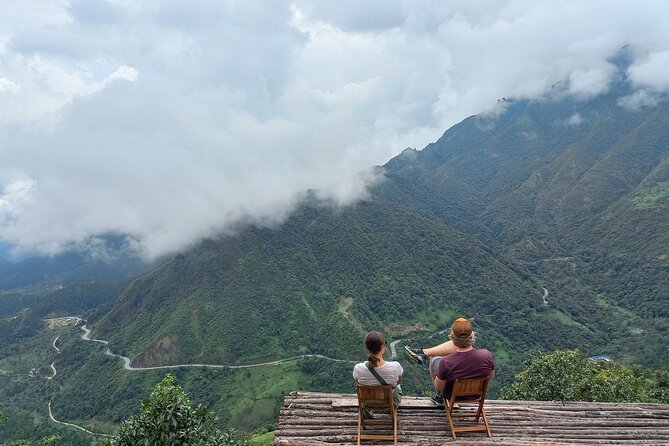
The big consideration is weather. In March it can be very cold and cloudy, and that can limit views even when the trek itself still feels special.
In This Review
- Key things to know before you go
- Why trekking with native Hmong guides changes everything in Sapa
- Day 1: Y Linh Ho, Lao Chai, and the Ta Van homestay night
- Day 2: Hoang Lien National Park trails with waterfalls and forest paths
- What the guides do well (and why it matters for your trip)
- Homestay value: comfort that lets you focus on the experience
- Price and what you actually get for $110
- Weather, fitness, and what to pack for Sapa in real life
- When this tour is a great match for you
- Short FAQ (practical answers)
- FAQ
- How long is the Sapa trekking and homestay experience?
- Where does the tour start and end?
- What does the itinerary include on Day 1?
- What does the itinerary include on Day 2?
- Is it a private tour?
- What homestay comfort should I expect?
- What if weather is bad?
- Should you book this Sapa Valley trek?
Key things to know before you go
- Native Hmong connections: Sue and family guide you through villages and daily life, not just photo stops.
- Flexible route: The trek can be customized for what you care about and your fitness level.
- Ta Van homestay comfort: Hot shower, plus a private suite with bathroom and a double bed.
- Hoang Lien National Park hiking: Expect trails with forests and waterfalls, with admission included.
- Private group: Only your group participates, so pace and questions are easier.
- Weather matters: The experience depends on good conditions, with alternate date or refund if it’s canceled for poor weather.
Why trekking with native Hmong guides changes everything in Sapa
You can do Sapa hikes that feel like a checklist: village, waterfall, photo, repeat. This one starts from a different place—your guide is from the area and knows the people. The result is that the story comes with context, not just facts.
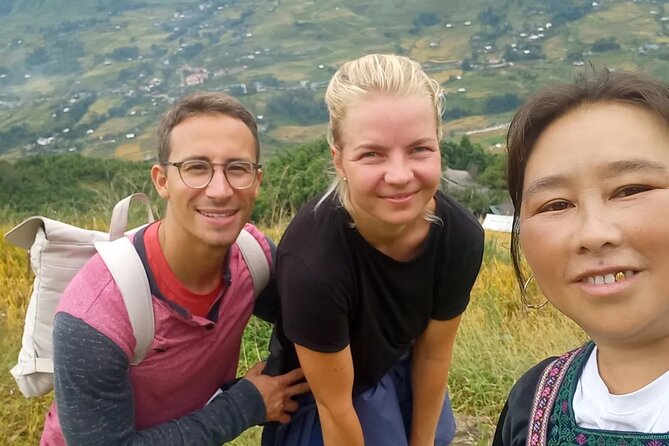
One of my favorite parts is how naturally the visits connect to everyday life. Sue’s family has lived in Sapa Valley as Hmong for seven generations, and you can feel it in how she introduces you to villages like Y Linh Ho, then the route toward Lao Chai, and finally her hometown area in Ta Van. It’s the difference between being shown places and being brought into the rhythm of the valley.
Also, you’re not stuck with one “standard hike.” The trek is described as customizable to match your interests and athletic ability. That matters because Sapa can feel deceptively intense: stairs, mud, steep bits, and shifting weather. If you want more rice field time or more forest and waterfall hiking, you can usually steer the day.
A final point worth flagging: this is run as a private tour/activity. That makes a huge difference when you’re asking questions about culture, plants, or how people live here through the seasons.
You can also read our reviews of more tours and experiences in Sapa.
Day 1: Y Linh Ho, Lao Chai, and the Ta Van homestay night
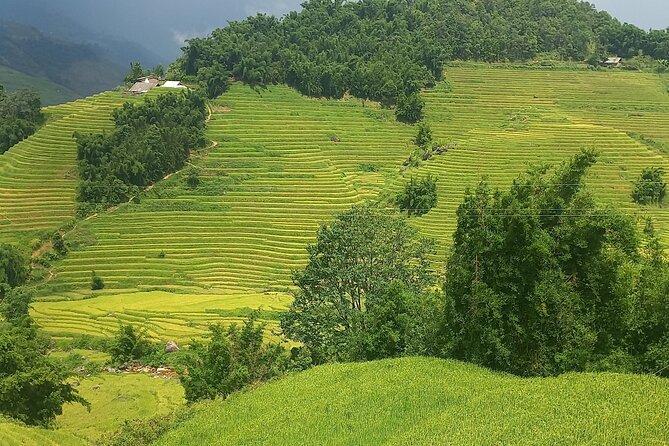
Day 1 begins in Sapa with a meeting point at Sapa Church (P. Hàm Rồng, TT. Sa Pa, Sa Pa, Lào Cai 333100, Vietnam) with a start time of 8:30 am. Pickup is offered, but the listed meeting point is your anchor. Plan to arrive a few minutes early so you don’t start your trek stressed.
From there, you head toward Y Linh Ho village. Then the walking route moves through the area toward Lao Chai, with lunch included along the way. This is where the day starts to feel like more than walking. The villages aren’t treated like movie sets. The guide’s conversations can connect the scenery to daily work—especially around farming cycles.
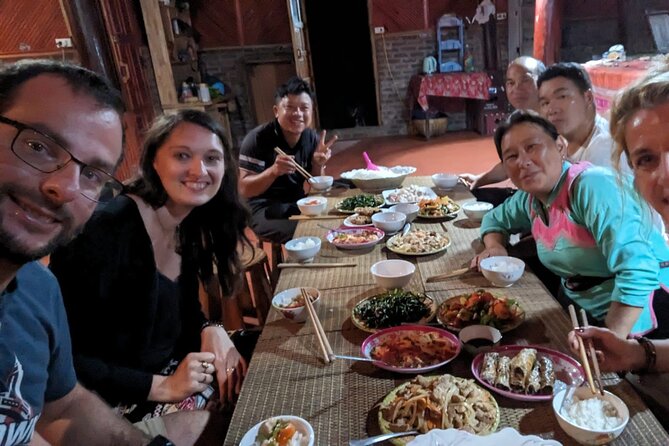
Then you continue to Ta Van, which is where you’ll spend the night. After your hikes, you’ll have dinner with the family and a 1-night homestay.
Here’s what stands out about the homestay setup: it’s not “basic by default.” The description includes hot shower, a private suite with bathroom, and a double bed. That combination changes the whole experience. You can enjoy the cultural connection without paying for it with a miserable night.
If you’re lucky with timing, the guide may also build in rice fields and how people plant and harvest. The exact look of the fields depends on season and timing, so don’t expect the same lush gold-and-green postcard every month. Instead, expect a guide who can explain what you’re seeing right now.
Day 2: Hoang Lien National Park trails with waterfalls and forest paths
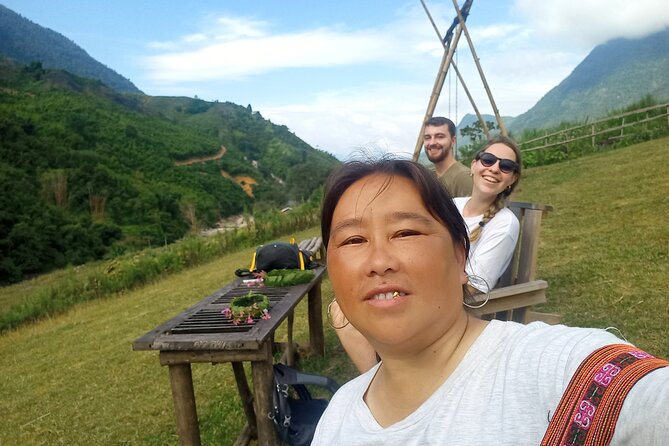
Day 2 starts after breakfast, then you transition into Hoang Lien National Park for a full trek day segment. The trekking time listed is about 7 hours for the national park portion.
This is your “mountain breathing” day: trails, forests, and waterfalls in and around the Sapa Valley. The value here is that you’re getting a more varied day than a single village loop. Villages show you people. The park trails show you the surrounding mountain ecosystem—through the walking itself.
One practical detail that helps: the national park admission ticket is included. That removes one common hassle from your planning. It also means the route is less likely to be delayed by “wait while we figure out the permit” energy.
Also, because this is a private experience, you’re not stuck with a rigid group pace. If you want to slow down for photos of plants and the route details your guide points out, you can. If you want to power through toward viewpoints and waterfalls, you can usually adjust.
By the end, the activity returns you to the original meeting point area in Sapa, keeping the logistics straightforward.
What the guides do well (and why it matters for your trip)
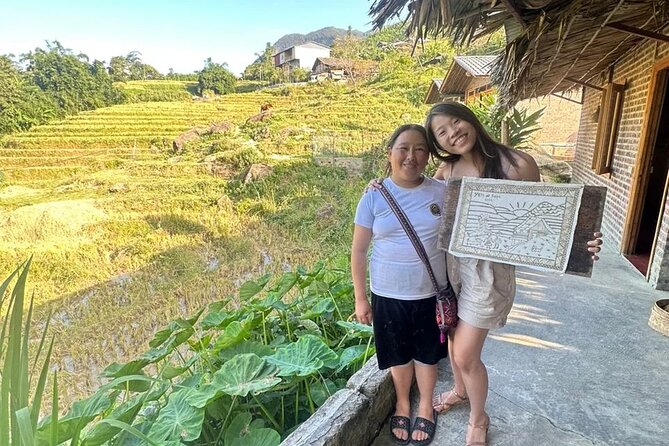
This tour’s reviews and guide notes point to a consistent theme: the guide isn’t just moving you from stop to stop. They explain. They answer questions. And they often teach you in a way that feels personal.
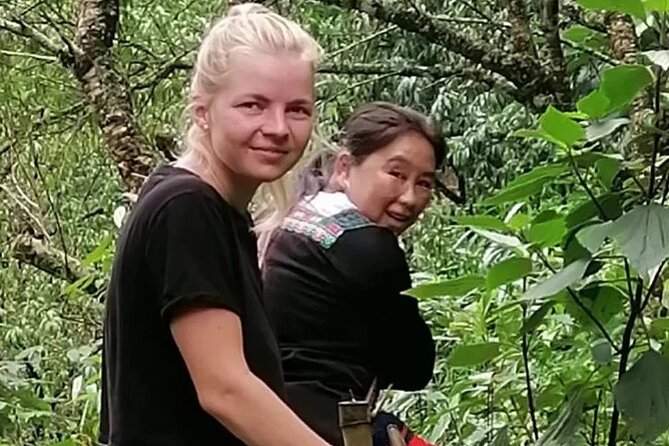
Sue is the name that shows up again and again, with multiple mentions of great English and deep local knowledge. In other cases, you might meet Mai—described as young but highly capable, with strong English and plenty of willingness to talk (plants, animals, indigenous village life, and more). In at least one case, the guide was Miy, also praised for excellent English and a thorough understanding of Sapa’s culture and history.
You may even see family members beyond the lead guide mentioned, like Bao (noted as part of the guiding and hospitality side). That matters because it often means you’re not just hiring a walking companion. You’re connecting with a household that understands what to show and how to explain it.
If you’re the type who likes conversation, this is a big win. If you’re quiet and just want the scenery, you can still enjoy the day—but the real magic comes from asking questions.
Homestay value: comfort that lets you focus on the experience
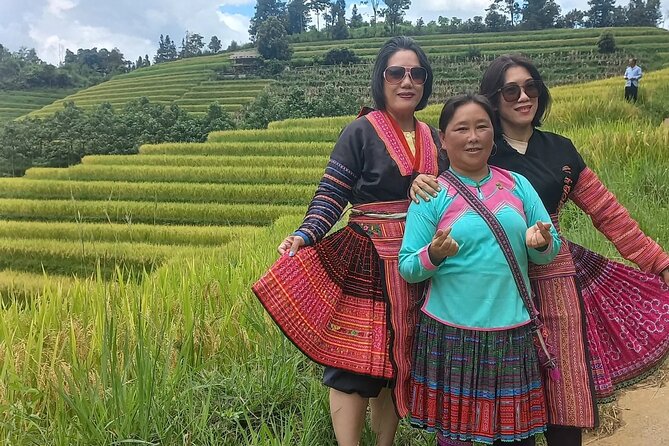
A lot of “cultural homestay” marketing makes it sound rustic to the point of inconvenience. Here, the description calls out specific comfort elements: hot shower, private suite with bathroom, and a double bed.
That’s not just comfort. It affects your energy. After Day 1, you’ll likely want to rinse off properly and sleep well. Better sleep means better hiking on Day 2.
Dinner is also provided, and the tone from the descriptions is that you’re not eating alone in a spare room. You’re part of a family meal, which is where conversations often happen naturally—less formal, more real.
Price and what you actually get for $110
$110 for a 2-day / 1-night guided trek is not “cheap,” but it’s also not built around expensive extras. The value is in what’s included:
- A guided trek through multiple village areas (Y Linh Ho, Lao Chai, then Ta Van)
- Homestay for 1 night with hot shower and private suite features
- Dinner with the family
- Trek time on Day 2 in Hoang Lien National Park for about 7 hours
- Park admission included for the national park portion
In other words, you’re paying for time, local knowledge, and the homestay arrangement—not just a guide walking beside you.
If you want a Sapa experience that includes culture and not just scenery, this price can feel fair. If you’re the type who only wants to “check off” landmarks, you might find other cheaper treks. But if you care about authenticity and comfort, you’re getting both.
Weather, fitness, and what to pack for Sapa in real life
This trek is rated for people with a moderate physical fitness level. That usually means: you don’t need to be a mountain athlete, but you should be comfortable walking for hours on uneven ground.
The other variable is weather. The experience requires good weather, and there’s an option for a different date or a full refund if it’s canceled for poor conditions. One guide-and-weather reality check from past experiences: March can be cold and cloudy, and that can reduce how much you see clearly.
So, I’d plan with layers. Bring warm clothing you can add or remove. A rain layer can be helpful, too. And wear shoes you trust on slippery or muddy trails.
If you’re traveling with a mix of ages or different fitness levels, the customization note is worth paying attention to. You can usually adjust the pace and focus.
When this tour is a great match for you
This one fits best if you want:
- A Hmong-led trek with real conversation, not only photos
- A homestay that includes real comfort (hot shower and private suite features)
- Time in both village routes and Hoang Lien National Park trails
- A private experience where your group sets the tone
It’s also a solid choice if you’re traveling with a friend, partner, or small family and you want a guide who can explain the “why” behind what you’re walking through.
If you hate any cold-weather hiking, or you need guaranteed sunny views, then build flexibility into your schedule and consider that the scenery can be muted in heavy cloud.
Short FAQ (practical answers)
FAQ
How long is the Sapa trekking and homestay experience?
It’s listed as 2 days (about 2 days and 1 night).
Where does the tour start and end?
You meet at Sapa Church in Sapa, and the activity ends back at the same meeting point.
What does the itinerary include on Day 1?
Day 1 includes travel from the start area to Y Linh Ho, trekking toward Lao Chai for lunch, and then hiking to Ta Van for dinner and a 1-night homestay.
What does the itinerary include on Day 2?
Day 2 includes trekking in and around Hoang Lien National Park, described as involving trails, forests, and waterfalls (with about 7 hours for that portion).
Is it a private tour?
Yes, it’s a private tour/activity, so only your group participates.
What homestay comfort should I expect?
The homestay is described as having a hot shower and a private suite with bathroom and a double bed.
What if weather is bad?
The experience requires good weather. If it’s canceled due to poor weather, you’ll be offered a different date or a full refund.
Should you book this Sapa Valley trek?
I’d book it if you want the kind of Sapa trip where the guide knows people and explains what you’re actually seeing. The combination of village trekking (Y Linh Ho, Lao Chai, Ta Van) plus a Day 2 in Hoang Lien National Park gives you variety without losing the culture focus.
I’d hesitate only if your trip timing is very weather-sensitive for you (because March cold and cloud can happen) or if you expect easy, mostly-flat walking. The route is for moderate fitness, and the national park day is long.
If you pick it, go in with a simple mindset: ask questions, wear layers, and treat the homestay as part of the journey—not a pit stop. That’s where this experience tends to earn its near-perfect scores.