REVIEW · SAPA
Fansipan Summit Challenge
Book on Viator →Operated by Green Sapa Trekking · Bookable on Viator
Fansipan Summit Challenge isn’t for people who want an easy day. It’s a full-on trek to Mount Fansipan’s 3,143 m summit, part of Hoang Lien National Park, with wild paths that take you past rainforest, bamboo groves, and higher alpine trails. It feels more like an expedition than a sightseeing loop, and the prize is the Roof of Indochina view stretching across Vietnam and beyond.
What I like most is the mix of changing ecosystems as you climb. You start with mountain-pass scenery at Tram Ton Pass, then work up through bamboo forests and meadows, with the air getting cooler as altitude rises. Second, the 2,800 m picnic stop is a smart break point—warm food energy right when your legs start to argue back.
The main drawback is obvious: you need strong physical fitness. This is described as a demanding hike, and the day runs about 10 hours, so if you’re nursing sore knees or limited stamina, this one may not feel fun.
In This Review
- Key highlights that make this hike worth the effort
- Why Mount Fansipan feels different than the cable car
- Getting moving: the Green Sapa Homestay start and Tram Ton Pass drive
- The trek’s core rhythm: rainforest paths, bamboo groves, and alpine ridges
- The 2,800 m picnic lunch break that actually helps
- Reaching the Roof of Indochina: the summit moment at 3,143 m
- The descent strategy: bamboo forests, meadows, and heading back to Sapa
- Price and value: what $89 buys for a 10-hour summit day
- Who should book the Fansipan Summit Challenge
- Quick advice so your day stays fun (not just survivable)
- Should you book this summit challenge? My decision checklist
- FAQ
- How long is the Fansipan Summit Challenge?
- What’s included in the tour?
- Where do I meet the guide?
- Is this tour good for beginners?
- How big is the group?
- What if the weather is bad?
- What’s the cancellation window for a refund?
Key highlights that make this hike worth the effort
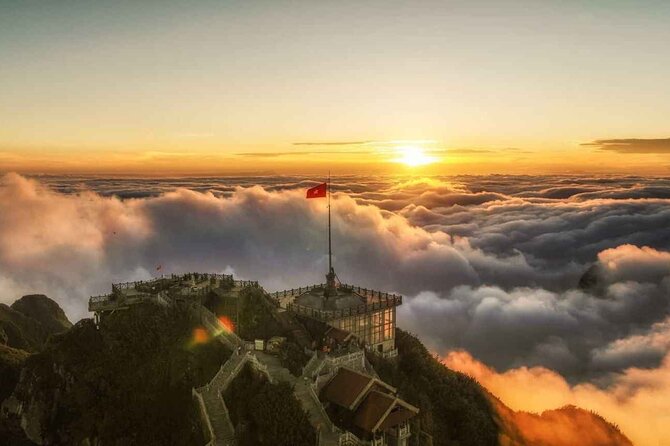
- Real summit goal at 3,143 m: you’re aiming for the highest point of Indochina
- Tram Ton Pass start (1,900 m): your day begins already at altitude
- Rainforest to bamboo to alpine meadows: scenery changes fast as you gain elevation
- Picnic at around 2,800 m: a planned fueling break before the final push
- Small group size (max 9): easier pace control and a more focused experience
Why Mount Fansipan feels different than the cable car
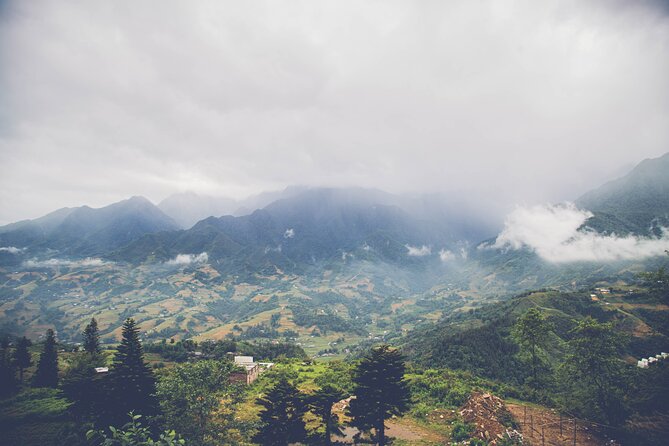
Cable cars are efficient. This tour is about effort, pace, and reward. Instead of staying above the mountain, you move through the park’s lower and mid-elevation zones on foot—so you feel the switch from humid forest air to thinner mountain air as you climb.
That difference matters because it changes how the whole day lands. You’re not just collecting photos at one viewpoint. You’re reading the mountain as you go: bamboo turns into open ridge lines, footpaths shift, and the views start appearing in fragments before they finally open wide at the top.
The summit is the obvious goal, but the value is the progression. At the Roof of Indochina, you’re not simply standing high—you’re arriving after a full physical challenge that puts the views into context.
You can also read our reviews of more tours and experiences in Sapa.
Getting moving: the Green Sapa Homestay start and Tram Ton Pass drive
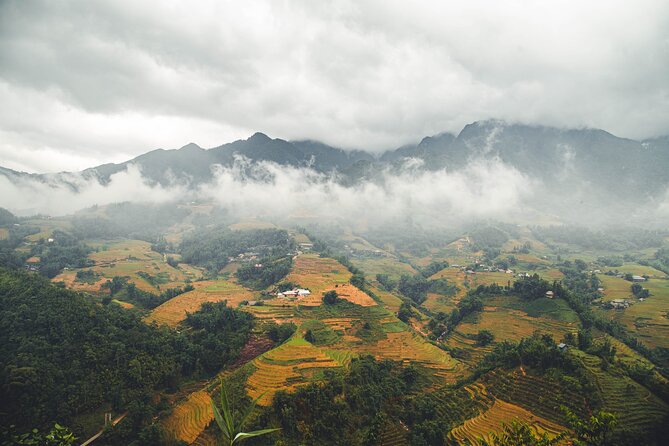
Your day starts at Green Sapa Homestay, 3-1 Nguyễn Chí Thanh, TT. Sa Pa, Sa Pa, Lào Cai 31752, Vietnam. The plan includes pickup from that meeting point and a drive out to Tram Ton Pass, where the route begins around 1,900 m.
Starting at a high pass is a big deal for two reasons. First, you’re not wasting morning time commuting at low elevation. Second, you’ll feel the mountain right away—cooler air, different footing, and a pace that’s instantly more serious than a stroll through town.
From what’s shared, the early pickup is on time and the ride is smooth. That helps a lot when your first job is simply getting your body ready for a long hike. You also get the scenic drive out of Sapa, passing emerald valleys and towering peaks before you set your boots on the trail.
Practical tip: dress in layers before you leave. The morning can be chilly, and the climb warms you up later. Bring something you can tighten and loosen without turning the day into a wardrobe malfunction.
The trek’s core rhythm: rainforest paths, bamboo groves, and alpine ridges
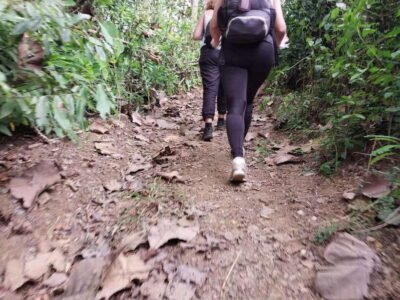
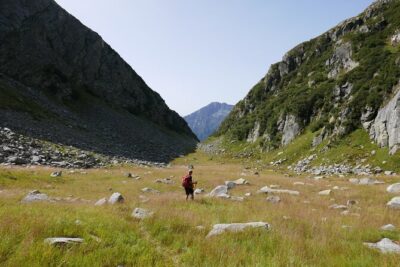
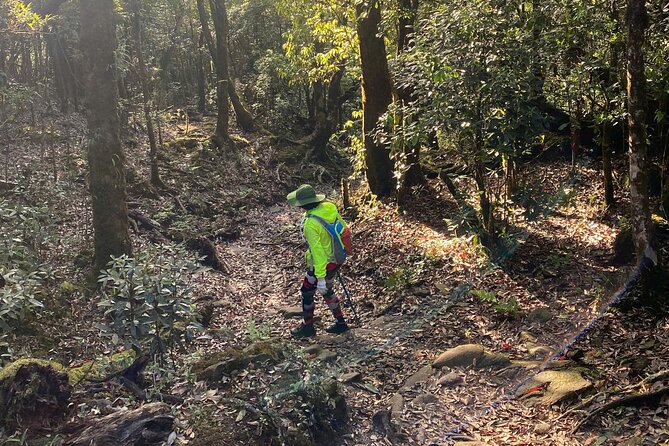
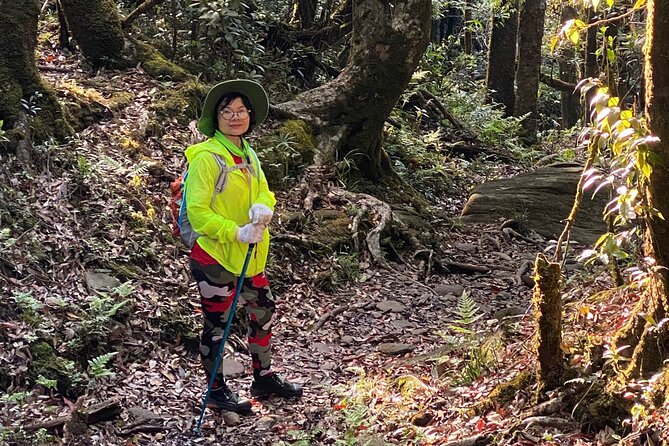
Once you’re on the hiking portion, the day follows a clear pattern: gradual ascent, more rugged trail sections as altitude rises, and frequent chances to pause for the view when conditions allow. The route is described as leading you deep into lush rainforest, across tranquil alpine meadows, and through bamboo forests—so you’re not stuck in one kind of scenery for 10 hours.
This is where the “adventure” part is real. The trails are described as wild trekking paths that few people experience compared with the cable car route. That means you’ll likely spend more time watching your step and less time just drifting through a paved walkway.
It also means the park’s ecosystem becomes part of the experience. The tour highlights the Hoang Lien National Park environment, with mentions of unique mountain flora and the chance to spot distinctive wildlife along the way. Even when you don’t identify every plant, the variety of habitats is the point: the mountain changes around you as you climb.
From the way the hike is paced, you should expect the day to be challenging but not chaotic. One of the repeated positives is that pacing lets everyone keep up comfortably, with guidance that helps you stay motivated and safe. You’re moving through different terrain, and a good guide matters when your legs are tired and your balance feels less confident.
The 2,800 m picnic lunch break that actually helps
At about 2,800 meters, there’s a planned stop for a well-earned picnic lunch. The timing here is smart. It hits after you’ve already climbed enough to feel the altitude shift, but before the steepest “final act” part of the day.
Lunch is included, and it’s framed as a peaceful moment with crisp mountain air and panoramic views around you. In real terms, this is your reset button: a chance to eat, drink, and regroup so the summit push doesn’t turn into pure suffering.
A good lunch stop also matters psychologically. When the day stretches long, small breaks keep you from thinking only about how much farther is left. This one breaks the hike into manageable sections.
What to do with your break: keep moving between bites. Don’t sit so long that you stiffen up and then regret it on the next uphill. Eat, hydrate, and take photos only if you can do it without losing your warm-up rhythm.
Reaching the Roof of Indochina: the summit moment at 3,143 m
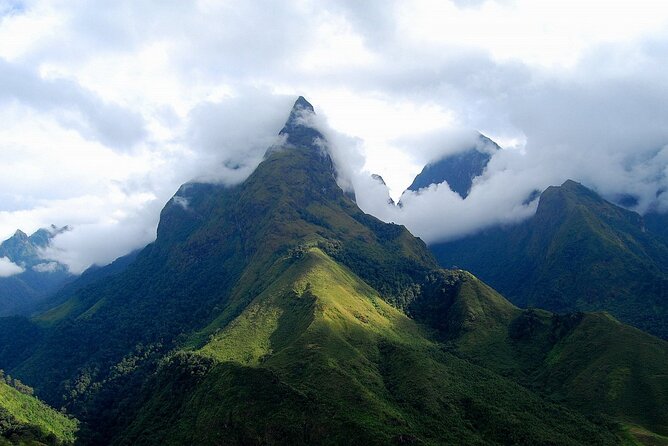
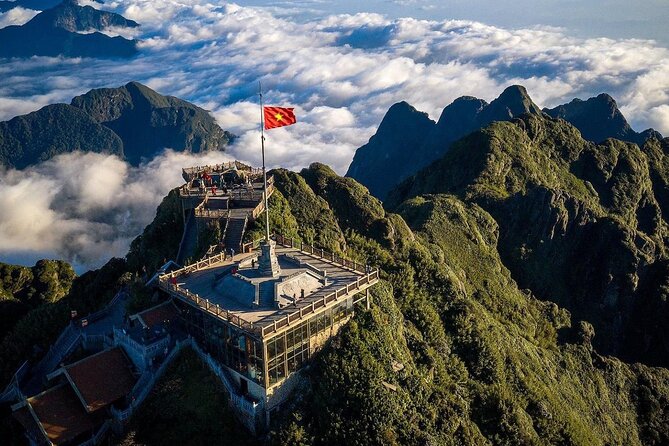
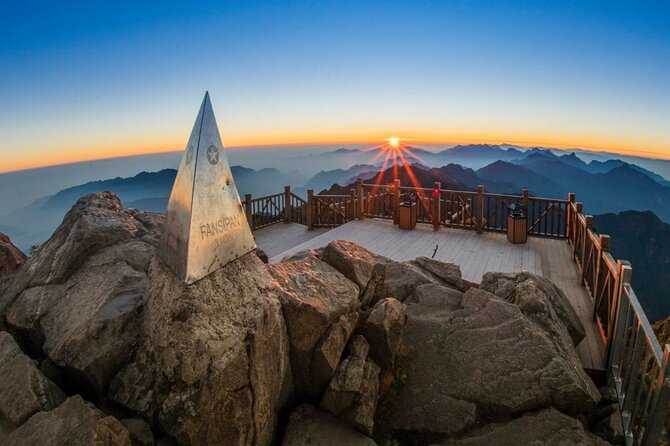
The top goal is Fansipan’s 3,143 m summit, described as the legendary Roof of Indochina. This is the part you’ll remember when the rest of Vietnam starts blending together in your photos. It’s not only the height; it’s the contrast. You climb through forest and bamboo, then suddenly you’re above clouds and ridges, with wide-open sightlines.
The experience is described as physically demanding, but the payoff is “unforgettable,” especially when you stand at the highest point and look across the region. The view is described as stretching endlessly, with sights that reach beyond Vietnam toward Laos and China.
How to make the summit time work for you:
- Keep it brief at first if it’s windy or cold, then enjoy once you’re steady.
- Expect thinner air to make every movement feel slower. Slow is normal, not a failure.
- If clouds roll in, you might still get glimpses that feel even more dramatic than a perfect clear panorama.
One more thing: the guided approach matters here too. If the summit conditions are tricky, you’ll want someone keeping the group together and moving safely. The tour emphasizes guide support and safety throughout, and that’s what keeps a tough day from turning into a stressful one.
The descent strategy: bamboo forests, meadows, and heading back to Sapa
After the summit, you’ll begin a gentler descent through forests and wide-open alpine meadows. “Gentler” still means you’ll be walking downhill for hours, so your knees and calves may feel it even if your lungs breathe easier.
This section is also where the day’s momentum changes. Instead of fighting altitude, you’re managing pace and footing. A slower descent can actually be smarter than rushing, because slipping is the last thing you want on tired legs.
As you work your way down, the plan includes taking time to explore the rainforest ecosystem. That’s a nice way to keep the last part of the hike meaningful. You’re not just escaping the mountain; you’re still learning the park through what you can observe around you.
Finally, you’ll transfer back to Sapa Center and end back at the meeting point. The structure keeps the day self-contained: start at Green Sapa Homestay, hike the challenge, eat the lunch, reach the top, then return comfortably when you’re done.
Price and value: what $89 buys for a 10-hour summit day
At $89 per person, you’re paying for a full-day, high-effort trek with a guided plan and a small group. The duration is about 10 hours, which is long enough that planning and pacing become part of the value, not just a nice-to-have.
Here’s what stands out as value signals from the details:
- A planned start from Sapa to Tram Ton Pass at 1,900 m
- A structured route to 3,143 m with time built in
- A included picnic lunch at around 2,800 m
- A maximum group size of 9, which generally helps with pace and safety on rugged sections
- A mobile ticket (less friction once you’re in Sapa)
What you should factor in: this is not priced like a short half-day trail. You’re paying for a tough, logistically driven day. If you want the summit experience without serious hiking, the cable car is the easier contrast. If you want the real thing, this price starts to make sense because the day isn’t just transport—it’s a guided mountain day.
Also, the tour is described as requiring good weather. That’s another value piece. A company that plans a summit hike around weather reality usually runs a more responsible operation than one that treats summits like a guaranteed checkbox.
Who should book the Fansipan Summit Challenge
This hike fits best if you:
- Have strong physical fitness and feel comfortable with a demanding full-day hike
- Like nature that changes as you climb—forest, bamboo, then higher ridges and meadows
- Want the summit experience with guidance and a controlled pace
- Enjoy learning small details along the way, since the route is described as including interesting facts from the guide
It may feel like too much if you’re:
- New to hiking or unsure about your stamina for a long uphill day
- Looking for a relaxed sightseeing schedule
- Sensitive to cold and wind at higher altitude
A helpful test before you go: ask yourself if you can handle a full day of walking with uphill effort. If yes, this becomes a memorable challenge. If no, there are easier Sapa hikes where you still get great views without the same physical tax.
Quick advice so your day stays fun (not just survivable)
I’d plan for a demanding trek even if the pacing is well controlled. Here’s how to stack the odds:
- Wear sturdy hiking shoes with good grip. Loose footing is a real issue on mountain trails.
- Pack layers. Mountain weather can change quickly, especially near the summit.
- Bring a personal snack or extra water if you tend to run low on energy, even with the included picnic lunch.
- Start mentally early. The first climb after Tram Ton Pass is where you decide whether you’re going to rush or settle into rhythm.
The tour’s positive points—safe guidance, smooth drive, and pacing—will help you, but your effort still drives the whole experience. The good news: the summit reward is the kind that makes tired legs feel dramatic in the best way.
Should you book this summit challenge? My decision checklist
Book it if you want a serious hiking day to the highest point of Indochina, and you’re excited by rainforest-to-bamboo-to-alpine changes instead of one static viewpoint. The included picnic lunch at around 2,800 m, the small group size, and the guide-led safety focus make this a strong choice for people who like their travel with a workout attached.
Skip it if you want an easy Sapa outing, if your fitness level isn’t ready for a demanding climb, or if you’re hoping for a simple walk with minimal elevation strain. This hike isn’t trying to be gentle. It’s trying to be real.
FAQ
How long is the Fansipan Summit Challenge?
The duration is about 10 hours.
What’s included in the tour?
You get a picnic lunch at around 2,800 meters. The tour also uses a mobile ticket, and the listed admission tickets for key stops are marked free.
Where do I meet the guide?
The meeting point is Green Sapa Homestay, 3-1 Nguyễn Chí Thanh, TT. Sa Pa, Sa Pa, Lào Cai 31752, Vietnam. The activity ends back at the meeting point.
Is this tour good for beginners?
This tour is recommended only if you have a strong physical fitness level.
How big is the group?
The group size is capped at a maximum of 9 travelers.
What if the weather is bad?
The experience requires good weather. If it’s canceled due to poor weather, you’ll be offered a different date or a full refund.
What’s the cancellation window for a refund?
You can cancel for free up to 24 hours in advance for a full refund. Changes made less than 24 hours before the start time aren’t accepted for a refund.