REVIEW · RIO DE JANEIRO
Rio De Janeiro: SUGARLOAF MOUNTAIN HIKE & CLIMB
Book on GetYourGuide →Operated by Andre Rio Climbing Instructor · Bookable on GetYourGuide
Rope up, then look over Rio. This Sugarloaf Mountain hike-and-climb is a hands-on way to earn those famous views, with Andre guiding you step by step. You can do it even if you have never climbed outdoors, because the route is taught with real safety habits, not bravado.
I love the safety-first coaching—Andre stays calm, explains what to do, and helps you place hands and feet when you get nervous. I also love the payoff: you get sweeping views over Copacabana and the Bay of Guanabara, plus a good chance to spot small monkeys on the way up.
The main drawback is that this is not a stroll. Expect steep rocky sections and a 20-meter vertical wall, so you need solid fitness and a head for heights.
In This Review
- Key things to know before you go
- Sugarloaf Mountain on foot: what this hike-and-climb really is
- Meet Andre: why the coaching feels safe
- The route from Urca: hiking down, then committing upward
- The summit moment: Copacabana and the Bay of Guanabara views
- Cable car expectations: what you do and don’t need to buy
- What to bring and wear so you feel confident
- Pace and difficulty: who it suits (and who it doesn’t)
- Price and value: is $60 worth it?
- Weather, timing, and how flexible you should be
- Should you book this Sugarloaf Mountain hike and climb?
- FAQ
- How long is the Rio de Janeiro Sugarloaf Mountain hike and climb?
- Do I need any climbing experience to do the 20-meter wall?
- What language will the instructor speak?
- How big is the group?
- Is the cable car ticket included for the way back?
- What should I wear and bring?
- Who is this tour not suitable for?
Key things to know before you go
- Tiny group (max 5): you get more attention and less waiting around.
- No climbing experience needed: rope, gear, and instruction are part of the deal.
- A real 20-meter wall: the route has one big technical moment, then you’re climbing to the summit.
- You’ll walk partway back down: cable-car tickets are not included, but you may not need to buy one for the first cable-car segment.
- Early summit energy: timing can mean fewer people at the top.
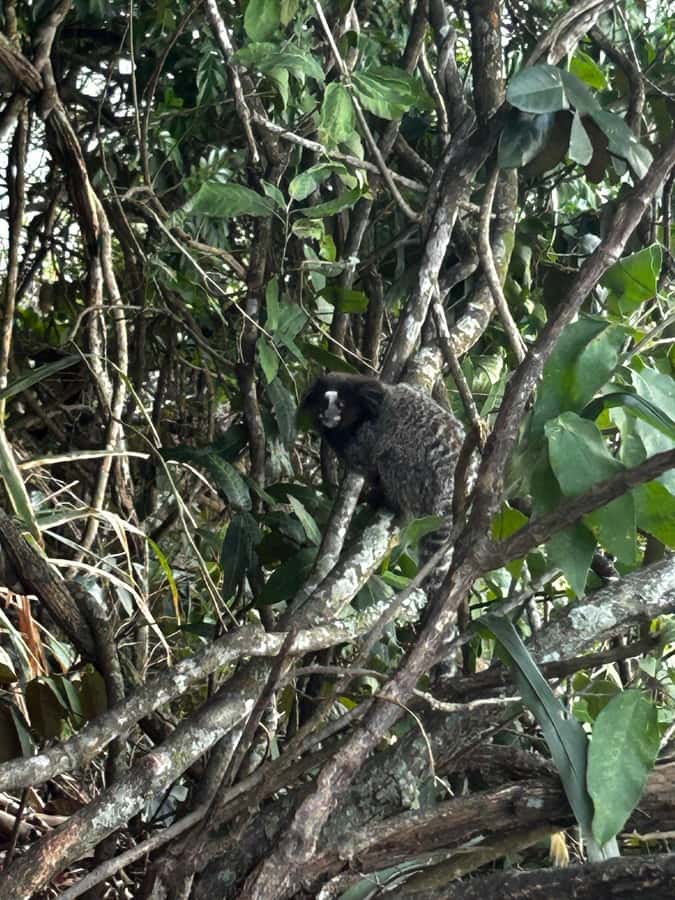
- Nature along the way: tropical plants and wildlife sightings (like monkeys) are part of the experience.
Sugarloaf Mountain on foot: what this hike-and-climb really is
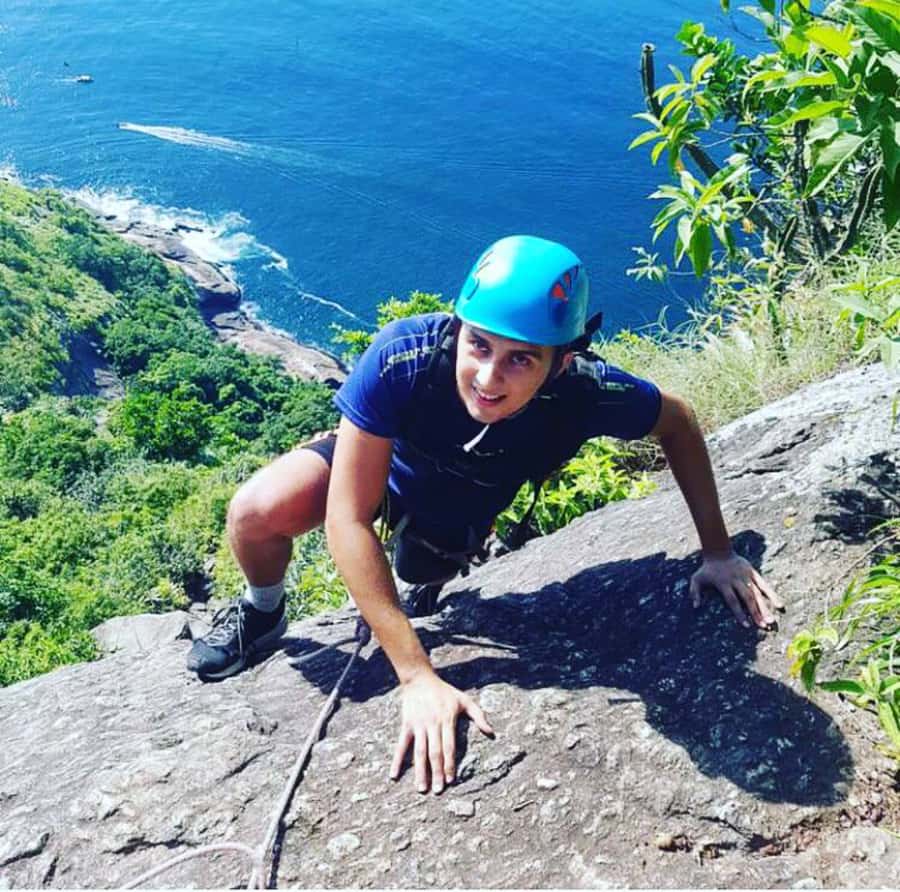
Sugarloaf Mountain is famous for a reason. But if you only take the cable car, you miss the whole point of the place. This is the version where you earn your views the old-fashioned way: on foot, through a nature reserve, and then up a short rock climb with proper climbing equipment.
The tour runs about 4 hours and happens in a small group limited to 5 participants. That small size matters here, because the route is tight in spots and the guide needs time to check footing, rope handling, and overall comfort. With a group this size, you also tend to feel like you’re moving as a team instead of being herded.
This is not a technical climbing adventure that assumes you already know how to move on rock. You’ll still feel it in your legs and your nerves. Think athletic hike with one “okay, now do the wall” moment. Then, you’re rewarded with the kind of panoramic view that makes Rio look like a postcard you can smell.
You can also read our reviews of more tours and experiences in Rio De Janeiro.


Meet Andre: why the coaching feels safe

The biggest reason people rave about this tour is not just the mountain. It’s the way the climb is taught.
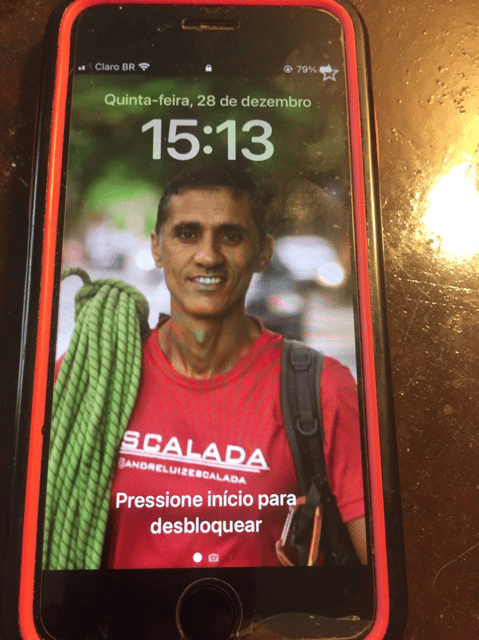
You’ll be guided by Andre Rio Climbing Instructor. The instruction language is Portuguese, Spanish, and English, so you can match your comfort level. Andre’s style is calm and very security-first. You’ll get clear, practical directions, and you’ll be helped during the harder sections rather than left to figure it out on your own.
A few smart things to notice about how this kind of tour works:
- When the ground gets tricky, you’re not just climbing for speed. You’re climbing for safe positioning.
- The rope and gear are there for a reason, but your job still includes good decision-making—where you step, where you grab, and when you take a breather.
- If you feel shaky, that’s not a deal-breaker. The guide is part teacher, part spotter.
If you’ve only climbed indoors on a wall where everything is predictable, outdoor rock will feel different fast: more textures, more uneven footing, and more exposure. The reassurance here is that Andre doesn’t treat fear as something to ignore. He treats it like information, then adjusts how you move.
The route from Urca: hiking down, then committing upward
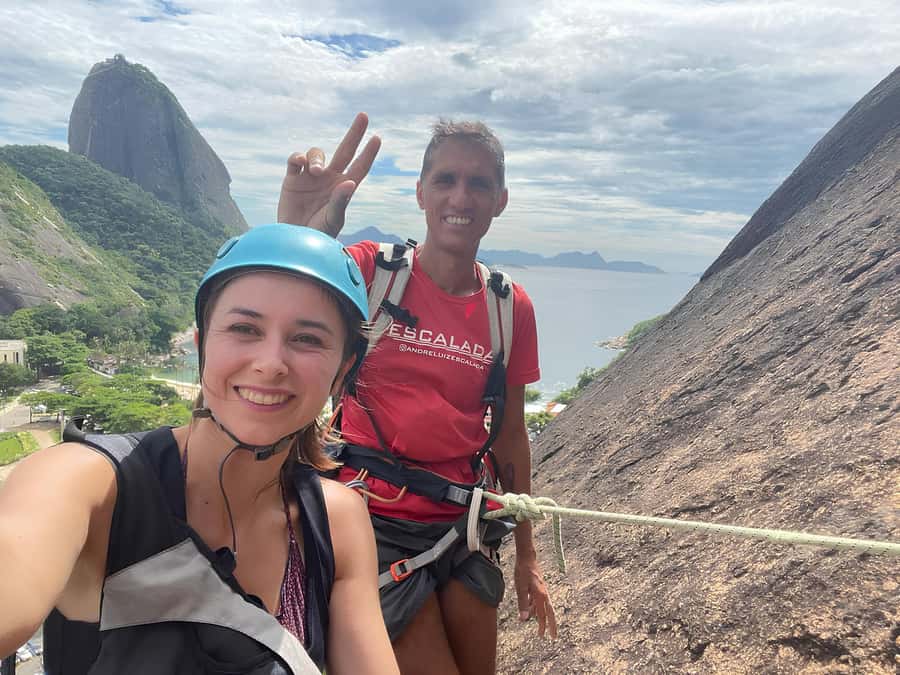
Your day starts with a short hike from Urca, down at the foot of Sugarloaf Mountain. From there, you’ll go into the nature reserve, and the trail immediately stops pretending it’s easy.
You’ll go down a narrow, challenging path through lush tropical plants. The good news is the route includes safe steps along the rocks. The not-so-fun news is that you’ll likely feel your calves warming up right away, because the terrain isn’t flat.
Then you start climbing again—upward through rocky passages. This is where you’ll feel the difference between casual hiking and the kind of hike that demands attention. You’re not just looking at the views. You’re also scanning your feet and checking your balance.
The day’s headline challenge is a 20-meter vertical wall. You don’t need climbing knowledge, but you do need to show up ready to follow instructions. With the climbing equipment and the experienced instructor, you’ll work through the wall step by step. Expect this section to be the moment you remember later, especially if heights make you a bit edgy.
The summit moment: Copacabana and the Bay of Guanabara views
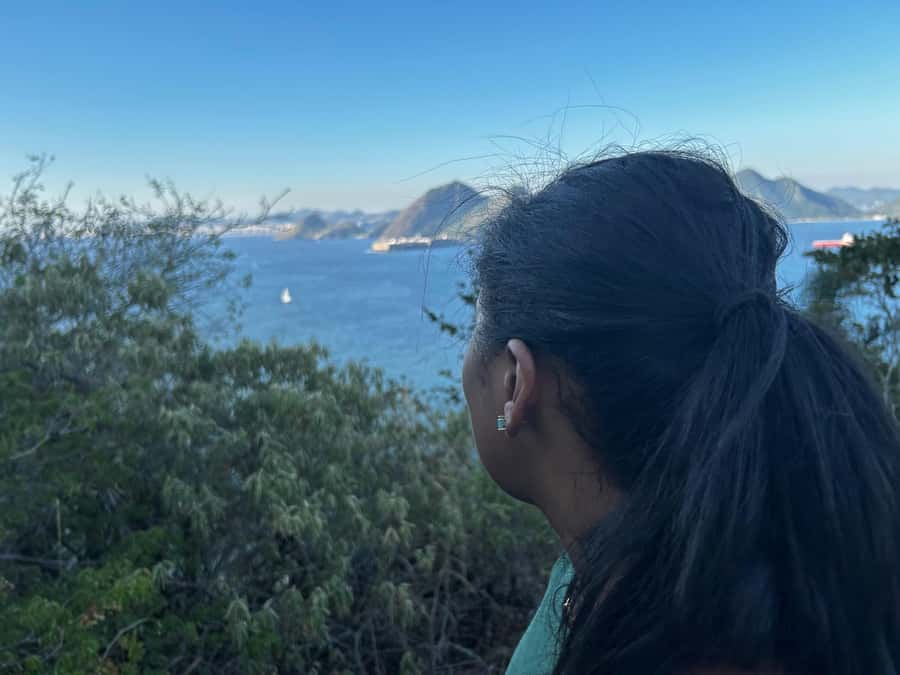
Once you clear the hardest part, the last meters to the summit feel like a reward after effort. And the view is the kind of view that makes you stand still for a minute, even if you’re the type who usually keeps moving.
From the top, you get dramatic sightlines over Copacabana and the Bay of Guanabara. It’s not just pretty. It helps you understand the geography of Rio—how the coastline curves, how the bay spreads, and how the city clings to the water.
One nice detail: the route can be timed so you reach the summit before the big crowds. That changes the mood instantly. You’re not fighting for photo angles. You can actually enjoy the view and take in the scale.
And yes, wildlife can show up. Many people love this part because they’re not just climbing rock. They’re walking through nature, and monkeys are sometimes spotted during the adventure.
Cable car expectations: what you do and don’t need to buy
Sugarloaf is known for the cable car, so it’s normal to wonder if this tour is competing with that option.
Here’s the practical truth: the tour experience is built around hiking and climbing, not just riding. For the way back, the cable car ticket is not included. That said, in practice, your guide may handle the first cable-car segment down so you’re not forced to buy a ticket just to get off the mountain comfortably.
If you prefer to keep your feet moving, the alternative is also possible: you’ll do additional downhill walking. One detailed account put the downhill trek around 20 to 25 minutes after using the cable car to Morro da Urca, finishing around Praia Vermelha.
So don’t plan this day as a cable-car-only event with a bit of hiking on top. Plan it as an active route where cable car might be used for convenience, not as the main event.





What to bring and wear so you feel confident
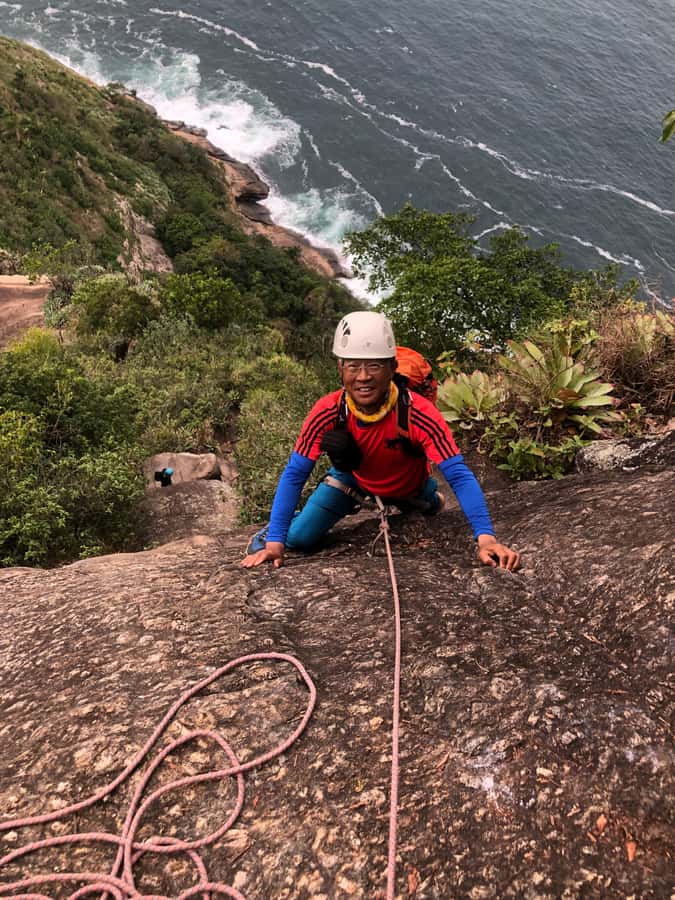
This tour punishes bad shoe choices. Don’t skip this part.
Recommended:
- Sturdy, grippy sports shoes (no sandals, no flip-flops)
- Light, sporty clothing
- Sunscreen and sunglasses
- A small energy snack and drinks you can carry
You’re moving in exposed, rocky areas where footing matters. If your shoes are too soft, too slick, or too worn out, you’ll spend the climb fighting your footwear instead of enjoying the mountain.
Also think about heat and sun. Rio can be intense, and you’re outdoors for hours. Even if the climb is short, you’ll work hard enough to feel sweaty—then the wind up top can catch you off guard. Dress for movement, not for looking good in photos.
If you’re the kind of traveler who always brings a small snack stash, this is one of those days where it actually helps. You’ll want something quick to reset during breaks, especially if you start feeling tired mid-hike.
Pace and difficulty: who it suits (and who it doesn’t)
This is for you if:
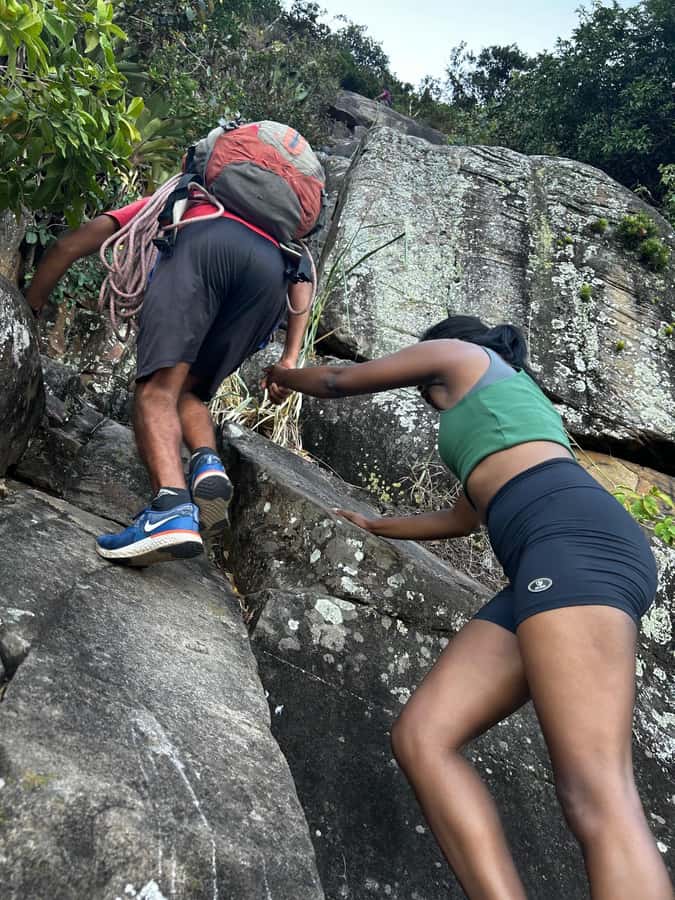
- You have good fitness and can handle a steep, rocky trail for several hours.
- You don’t mind heights as a feeling in your body.
- You’re comfortable following instructions and trying new movement on rock.
It’s probably not for you if:
- You get altitude sickness (this tour is not suggested for that).
- You have low fitness.
- You’re expecting something gentle or family-friendly. This one is not suitable for children under 18.
Some people underestimate the steepness. Even when the climbing section is short, the approach hike and the rocky passages can be tiring. Also, the “20-meter vertical wall” is not a long free-climb route—but it can still be psychologically intense if you arrive already worn out.
If you’re nervous, that doesn’t automatically disqualify you. Several accounts describe guides physically and mentally helping people through fear moments. But you should still be realistic: this is effort plus exposure, and that combination needs a bit of stamina.
Price and value: is $60 worth it?
At $60 per person for about 4 hours, this tour’s value comes from what’s included and what you’re getting that you can’t replicate cheaply on your own.
Included:
- Guided hiking and climbing to Sugarloaf Mountain
- Certified climbing equipment
- Experienced guide
- Taxes, fees, and processing fees
What you’re paying for isn’t just the mountain. It’s the safety system. Outdoor rock work needs the right equipment and decision-making. You’re also paying for someone to teach you how to move through the challenging bits without prior experience.
Could you just take the cable car and call it a day? Sure. But you’d be skipping the best part: the route through the nature reserve, the rocky effort, and the guided climbing moment that turns the trip from sightseeing into an earned experience.
In plain terms: if you want active value—exercise, instruction, and payoff—this price starts to make sense fast. If you want a low-effort, low-risk Rio view, you’ll likely feel this tour is too demanding.
Weather, timing, and how flexible you should be

Sugarloaf is outdoors, and rock can change with weather. If conditions aren’t ideal, the guide may adjust timing, and in some cases a climb can be rescheduled. One reason people love Andre is that he focuses on dry rock and safe conditions, not on forcing the plan.
Timing can also vary. Some schedules depend on when you’re contacted to set your start time. So don’t assume it always starts at one fixed hour on your watch. Build in flexibility, especially if you’re doing multiple Rio activities in a tight window.
The upside of getting good timing is that you can reach the summit before the busiest waves of visitors. That makes photos easier, and it makes the view more relaxing.
Should you book this Sugarloaf Mountain hike and climb?
Book it if you want the real Sugarloaf experience: climbing with proper gear, getting coached through the hard bits, and earning the Copacabana-and-bay views with a small group. The security-first guidance from Andre is the reason many people consider this a standout day in Rio.
Skip it if you’re not comfortable with steep terrain, rocky footing, and exposure. This tour asks for fitness and a head for heights. Also, if you’re dealing with altitude sickness risk or you’re hoping for a casual walk, you’ll probably hate it.
FAQ
How long is the Rio de Janeiro Sugarloaf Mountain hike and climb?
The tour lasts about 4 hours.
Do I need any climbing experience to do the 20-meter wall?
No climbing experience is required. The guide provides climbing equipment and instruction as you tackle the wall and the route.
What language will the instructor speak?
The instructor can guide in Portuguese, Spanish, and English.
How big is the group?
The tour is a small group limited to 5 participants.
Is the cable car ticket included for the way back?
No. The cable car ticket is not included. However, your guide may cover the first cable car down, and the remaining part may be done by hiking downhill.
What should I wear and bring?
Wear sports shoes (no sandals or flip-flops) and light, sporty clothing. Bring sunscreen and sunglasses, plus food and drinks.
Who is this tour not suitable for?
It’s not suitable for children under 18, people with altitude sickness, or people with low fitness. Pets are not allowed (assistance dogs are allowed).