REVIEW · STAVANGER
Stavanger: Preikestolen Classic Hike and Side Trail
Book on GetYourGuide →Operated by Explore Lysefjorden · Bookable on GetYourGuide
Preikestolen is Norway’s famous cliff, but you can hike it smarter. This guided day starts with a convenient Stavanger pickup, then uses a side-trail strategy (when conditions allow) so you spend more time enjoying the Lysefjorden views and less time stuck in a crowd. I also like that the climb is paced for real stops—layers on, snacks out, photos in—and you get seasonal gear help for changing weather.
One thing to consider: this is not a casual stroll. The tour is aimed at people with some hiking experience, and the route can get tough—especially in cold, wet, or icy conditions—so plan for a solid uphill day and bring the right footwear.
In This Review
- Key points at a glance
- Stavanger Pickup to Trailhead: Getting Set Up for a Good Day
- The Side-Trail Plan: How This Tour Tries to Beat the Crowds
- The Hike Up: Timing, Pace, and What the Climb Really Feels Like
- Pulpit Rock in Person: 604 Meters Above Lysefjorden
- Views, Photos, and the Quiet Moments at the Top
- The Downhill and Side-Trail Return: Don’t Skip This Part
- Guide Power: Small Group Attention, Local Nature Talk, and Even Dogs
- Gear and Clothing: What You Must Bring for Norwegian Weather
- Included Extras vs What You’ll Pay For Yourself
- Who This Hike Fits Best (and Who Should Skip It)
- Should You Book the Preikestolen Classic With Side Trail?
- FAQ
- How long is the Preikestolen hike experience from Stavanger?
- What languages do the guides use?
- What group size is this hike?
- Is pickup included, and where does it happen?
- Are restrooms available during the tour?
- Does the tour include transportation back to Stavanger?
- What is included in the price?
- What should I bring, and what should I avoid wearing?
Key points at a glance
- A side-trail approach helps you get quieter time on the way to Preikestolen
- Local guides lead the route, with nature talk and pacing that keeps the hike comfortable
- Preikestolen is 604 meters above Lysefjorden, and you earn those big views with effort
- Small groups (up to 8) means you’re not fighting for attention at viewpoints
- You’re covered for essentials, with seasonal technical equipment plus a snack and hot berry juice
Stavanger Pickup to Trailhead: Getting Set Up for a Good Day
The day kicks off with pickup from a long list of Stavanger-area meeting points, including hotels like Clarion Hotel Stavanger, Thon Hotel Maritim, and Scandic Stavanger City. You’ll ride about 40 minutes to the trailhead, which keeps the morning from feeling like a transfer day.
Once you arrive, the guide gives you the rundown: what the trail is like, what conditions to expect, and what to focus on during the hike. Restrooms are available at the trailhead, which is one of those small things that makes a long hike feel easier right from the start.
You can also read our reviews of more tours and experiences in Stavanger.
The Side-Trail Plan: How This Tour Tries to Beat the Crowds
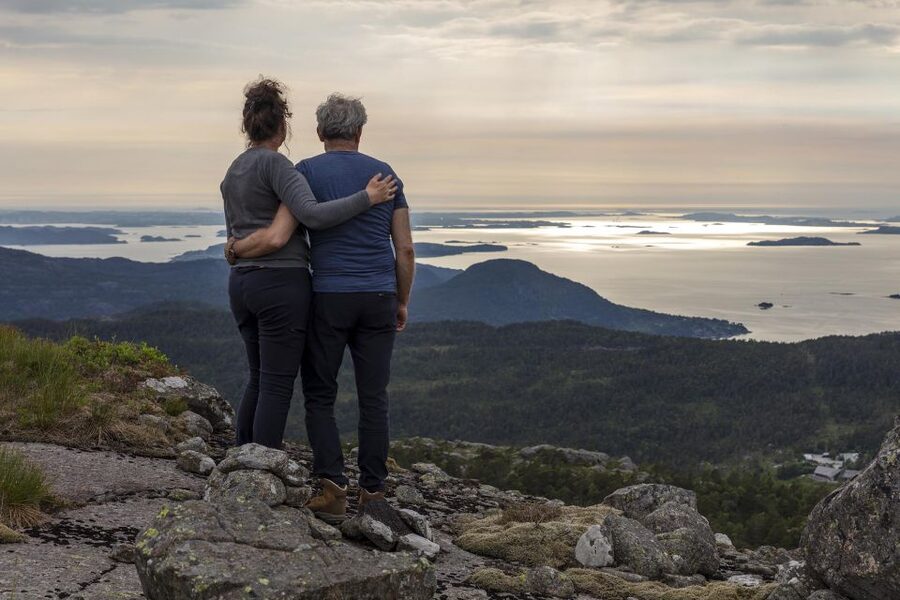
Preikestolen is iconic for a reason, which also means it can feel crowded when you approach the usual route. The core idea here is simple: your guide looks for a quieter alternative and, if conditions allow, takes you along a side-trail that fewer people use.
What I like about this setup is that it’s not just about avoiding other hikers. You also get a different feel for the terrain—more time in the woods and along natural sections of trail, and less time watching the flow of people funnel past the same photo angle.
A small caution: the side-trail is condition-dependent. That’s smart, because weather and trail surfaces can change fast in this region. In other words, you’re not guaranteed a specific route variant every day, but you are guaranteed a guide who’s making safety-first choices.
The Hike Up: Timing, Pace, and What the Climb Really Feels Like
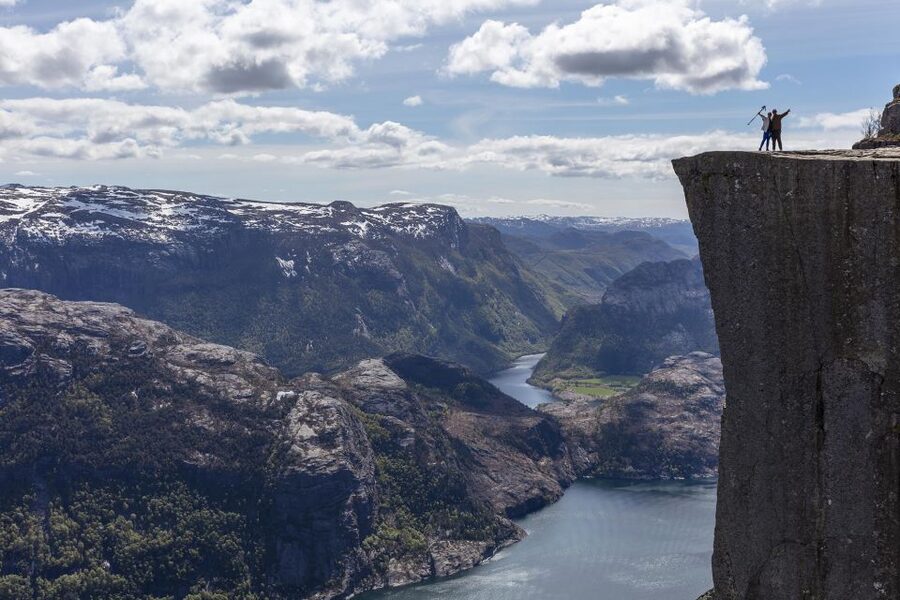
You start hiking once everyone’s ready, and the total active time to reach Preikestolen is about 2.5 hours. The pace is set to be realistic on a steep day, with built-in breaks so you can adjust clothing, warm up with a snack, and regroup for photos.
That pacing matters more than you’d think. In fjord country, the weather can go from cold and clear to wet and gray without much warning. When people rush through layers and forget gloves or rain gear, they pay for it later. Here, the tempo is meant to prevent that slide.
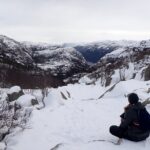
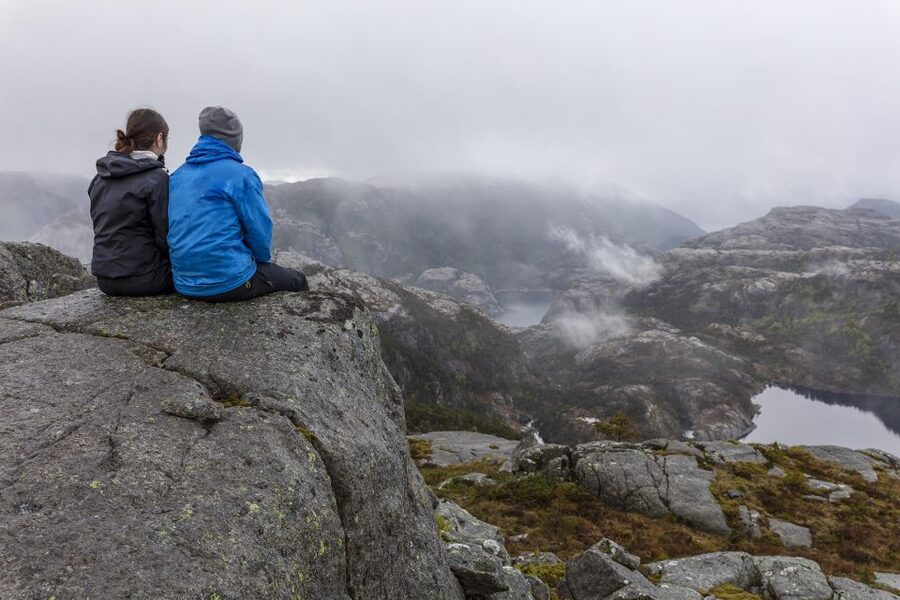
You also shouldn’t assume the hike will be the same every season. Based on past experiences with guides and conditions here, you might face fog at the top, heavy rain at some point, or even snow and ice in colder months. The tour includes seasonal technical equipment, which helps, but you still need to bring your own clothing and footwear readiness.
Pulpit Rock in Person: 604 Meters Above Lysefjorden
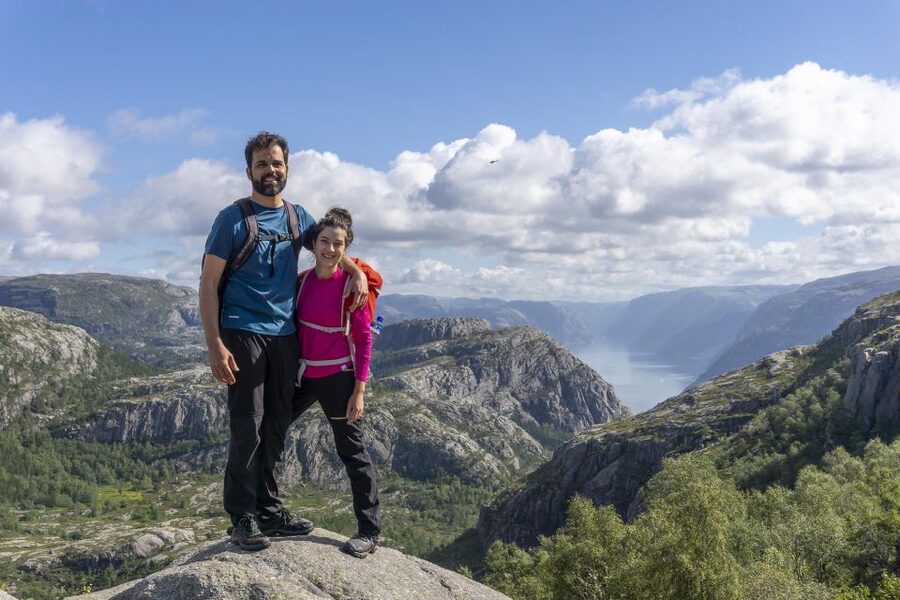
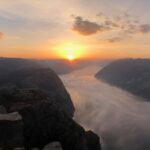
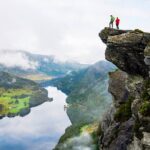
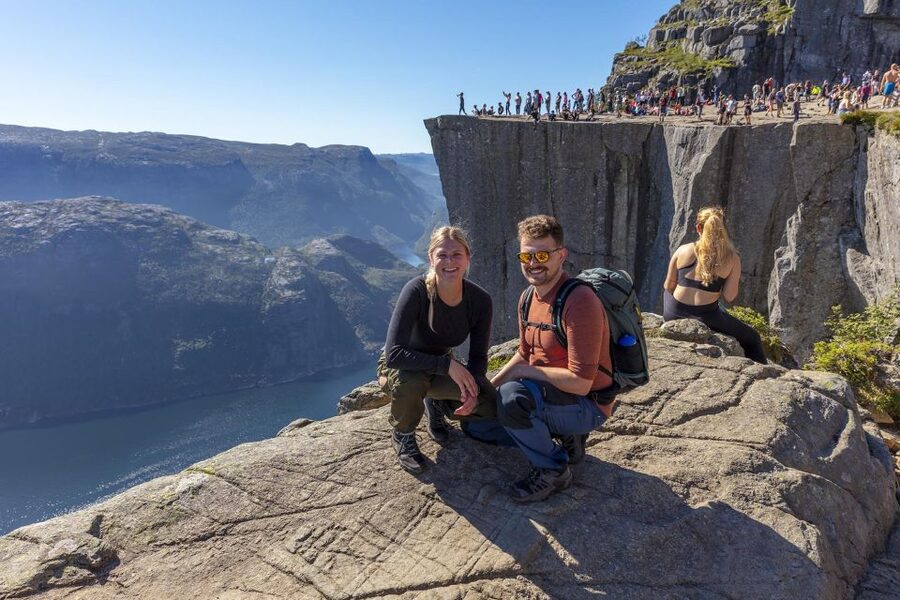
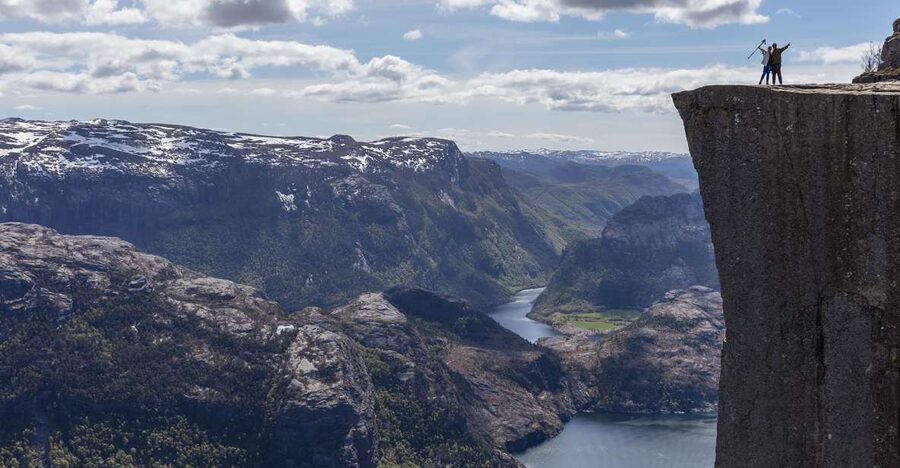
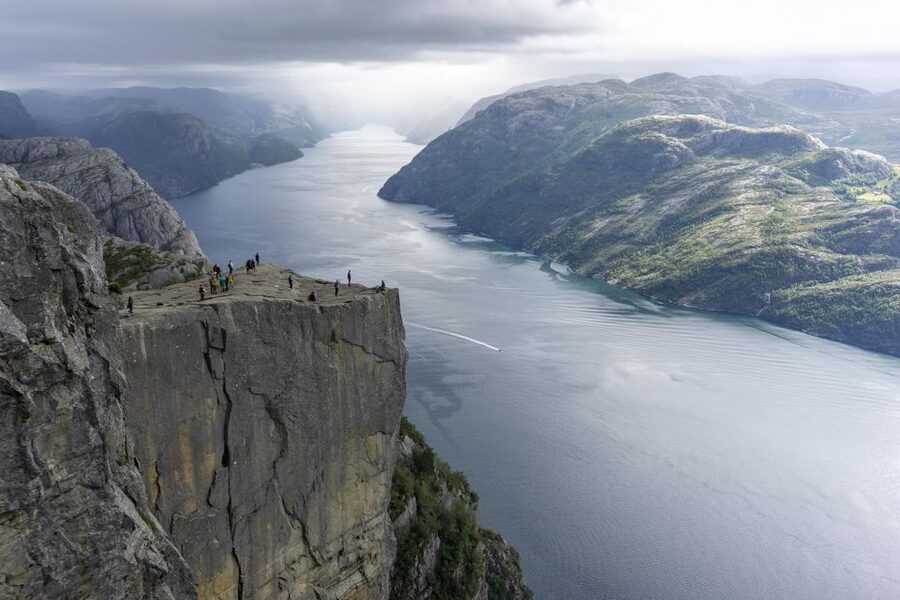
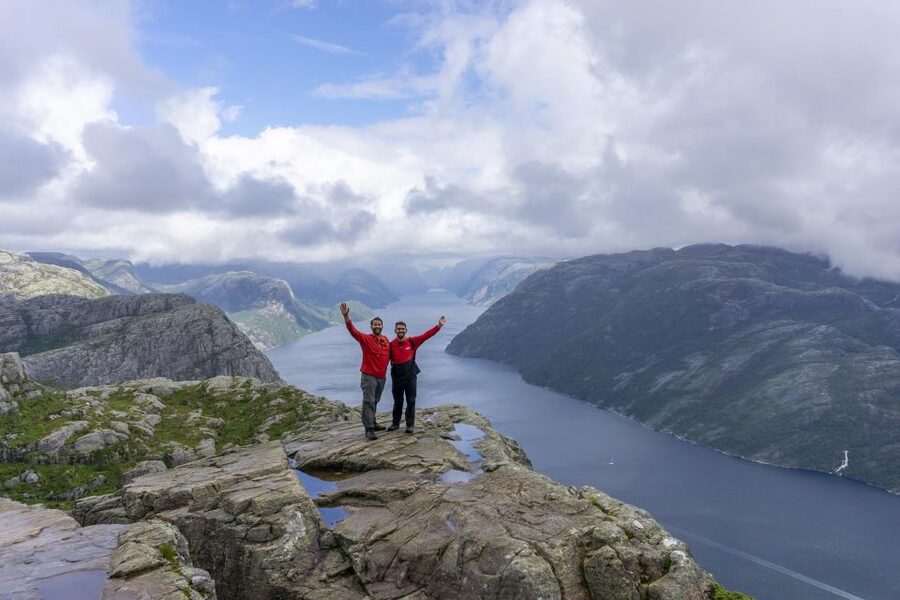
Preikestolen is 604 meters above Lysefjorden, and when you finally reach the cliff edge, it hits you immediately. This isn’t just a view; it’s a wide, dramatic perspective over the fjord system, with the cliff face dropping away beneath you.
What you do at the top depends on what the weather is doing. If it’s clear, the time up here feels like a reward you worked for: slow breaths, long looks, and easy conversations because everyone’s stunned by the scale. If it’s foggy or rainy, you still get the experience of the climb and the special cliff setting—you just have to accept that the horizon might disappear.
Either way, your guide helps you make the most of the moment, including where to stand for photos and how to pause safely around the edge. And yes, the views are the point, but the best memory often comes from the in-between moments: the last stretch of trail, the moment the plateau opens up, and the quiet second when the group collectively realizes you made it.
Views, Photos, and the Quiet Moments at the Top
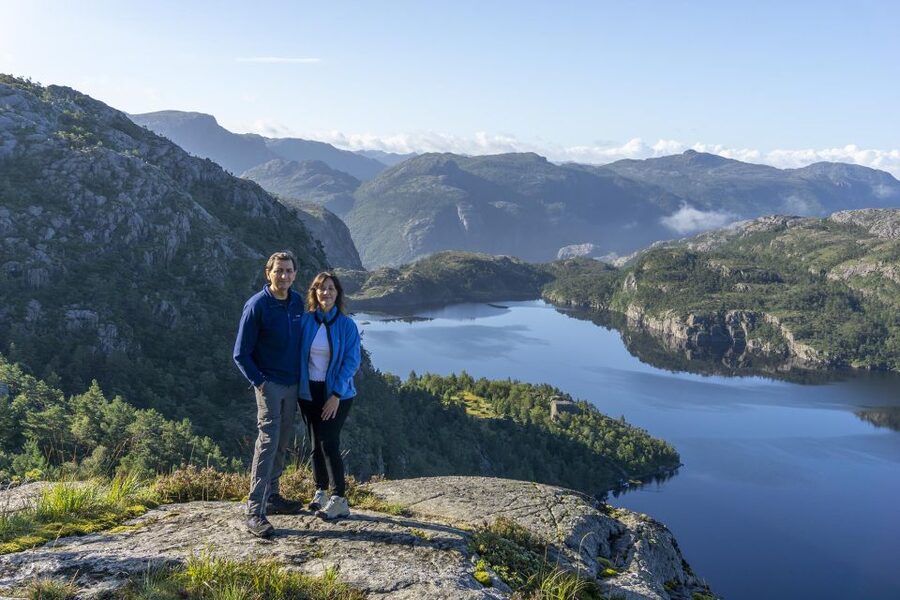
The tour includes a small snack and a hot berry juice, timed so you can recharge without dragging your energy down. People remember the climb, but they also remember how it feels when you slow down at the top and take in the fjord view.
Photo help is part of the value here, even though a formal photography package is not included. In real life on this cliff, you’re juggling wind, cold, and the fact that the perfect shot requires someone else to press the button. Guides tend to handle that well, and you’ll likely get help positioning the group for those classic “postcard” angles.
If you’re the type who hates wasting time, this is a good tour structure. The guides don’t just herd you to the viewpoint; they give you enough time to enjoy it, then move when it’s time to head down.

The Downhill and Side-Trail Return: Don’t Skip This Part
Getting down can feel either easier or harder than expected. The good news is you’re heading back with momentum. The tricky part is footing—wet rock and steep trail sections can make the descent feel more demanding than the ascent, especially if you’re tired.
This is also where the side-trail choice really pays off. The route back is described as a return via side-trail, which often means you’re not simply retracing every step. That keeps your brain engaged and makes the hike feel longer in a good way, even if your legs are ready to be done.
You’ll be driven back to Stavanger afterward, and the timing usually leaves you with that satisfied, slightly exhausted feeling—the best kind of tired.
Guide Power: Small Group Attention, Local Nature Talk, and Even Dogs
The tour is limited to 8 participants, which changes everything. In a group that size, you don’t feel like a number, and you can actually ask questions. Guides work in English and Norwegian, and they also shape the day around comfort—slower when needed, quicker when everyone is feeling strong.
One of the most praised parts of this hike is the guide background and how it shows up on the trail. Some guides share botany-focused insights, others tell stories about the plants and wildlife you pass, and you’ll hear practical tips tied to what you’re walking on. Names that have come up include Allan, Alan, Erlend, Erlend Berne, Stephan, Cristian, and Hege—each bringing their own style, but the common thread is real time spent with the group.
Many guides also bring a well-trained dog (for example, people have mentioned Balder and Baba). That doesn’t turn the hike into a petting zoo. It simply adds a friendly rhythm to the day and gives the guide another way to keep things relaxed and natural.
Gear and Clothing: What You Must Bring for Norwegian Weather
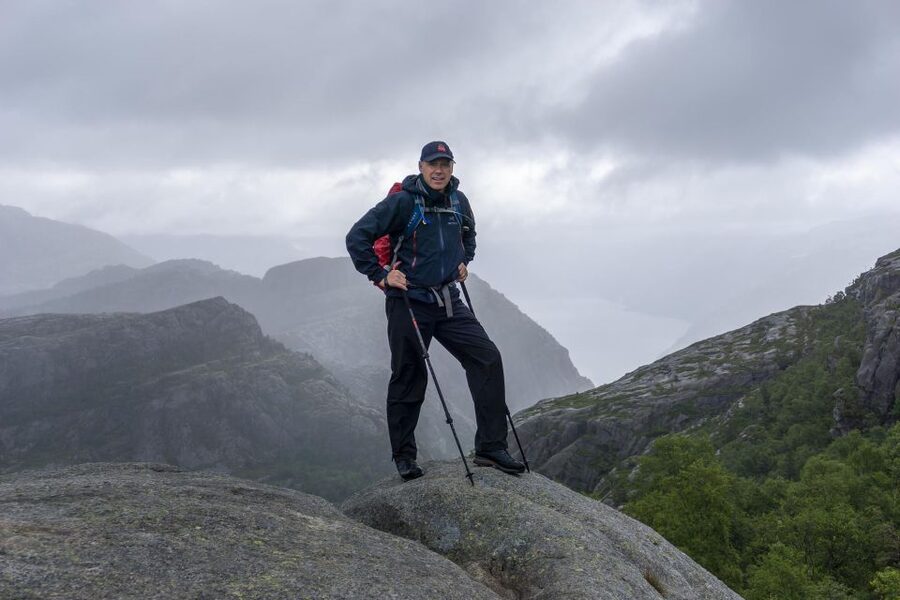
This kind of hike is simple on paper and demanding in practice, so your clothing choices matter. The essentials to pack are: warm clothing, a hat, hiking shoes, water, rain gear, gloves, socks, and a daypack. The tour expects you to be set up for wet conditions and cold wind.
There’s also a clear guidance about what not to wear: no jeans and no high-heeled shoes. Jeans get heavy when wet and don’t grip well. High heels are an accident waiting to happen.
You’ll also want a waterproof bag, and you should bring hiking pants suited for outdoor movement. Even if the forecast looks okay, Norway can change the script fast once you’re on the trail.
Included Extras vs What You’ll Pay For Yourself
At $140 per person for an 8-hour day, this hike isn’t the cheapest thing you can book in Stavanger—but it’s also not just you and a landmark. You’re paying for a guided hike, roundtrip transportation by car, seasonal technical equipment, and a small snack plus hot berry juice.
What’s not included: additional food and drinks, any photography package, and rental equipment like a small backpack, rain-proof jacket, water-resistant pants, or hiking boots. That means the real value depends on how ready you are with gear already.
If you’re traveling light and don’t have proper boots or rain protection, you’ll spend extra. If you arrive prepared, the price starts to look more fair because you’re basically buying a safe plan, expert pacing, and an easier day than self-guided.
Who This Hike Fits Best (and Who Should Skip It)
This hike is listed as suitable for people with hiking experience. If this is your first hike, you should only book if you’re active—think about one solid cardio workout session per week at minimum.
It’s also not suitable for:
- Children under 6 years
- Pregnant women
- People under 100 cm (3 ft 3 in)
- People with low level of fitness
- Children under 15 kg (33 lbs)
There’s also a liability release required for every participant before the hike begins. Plan for that paperwork step so you don’t lose time once you’re at the trailhead.
If you love fjords and want the classic Preikestolen payoff without turning your day into a crowded-photo line, this tour is a strong match. If you’re dealing with mobility limits or low hiking stamina, you’ll probably be happier choosing an easier route.
Should You Book the Preikestolen Classic With Side Trail?
I’d book it if you check three boxes: you can handle a tough hike day, you care about crowd avoidance enough to follow a guide onto a quieter route when possible, and you want your time on the cliff to feel guided and calm rather than improvised.
Pass if you don’t have the fitness level for a steep climb, you’re not willing to bring rain-ready gear, or you need a gentle pace. In that case, you’ll likely spend too much of the day worrying instead of enjoying the fjord views.
If you’re ready for a real hike and want the best odds of quieter trail time, this is one of the more practical ways to do Preikestolen from Stavanger.
FAQ
How long is the Preikestolen hike experience from Stavanger?
The experience runs about 8 hours total.
What languages do the guides use?
Guides provide English and Norwegian.
What group size is this hike?
It’s a small group, limited to 8 participants.
Is pickup included, and where does it happen?
Yes. Pickup is included from multiple designated Stavanger-area locations, with different pickup times based on where you board.
Are restrooms available during the tour?
Restrooms are available at the trailhead.
Does the tour include transportation back to Stavanger?
Yes. You’ll be driven back to Stavanger after the hike.
What is included in the price?
Included items are the guided hike, roundtrip car transportation, seasonal technical equipment, 1 small snack, and 1 hot berry juice.
What should I bring, and what should I avoid wearing?
Bring warm clothing, a hat, hiking shoes, water, rain gear, gloves, socks, a daypack, hiking pants, and a waterproof bag. Avoid jeans and high-heeled shoes.