REVIEW · KATHMANDU
11-Day Hike Tour to Annapurna Base Camp Bliss in Kathmandu
Book on Viator →Operated by Himalayan Vista Trekking Pvt. Ltd. · Bookable on Viator
One tough stair day, then the Himalayas pay you back. This 11-day Annapurna Base Camp hike takes you from Kathmandu to Pokhara by flight, then into the Annapurna region step-by-step. I like the clear progression from foothill villages up through rhododendron forests and alpine country, and I like that you’re guided by people who focus on safety and pace (and you’ll often hear their names, like Raju, Bishal, Ramji, and porters such as Sandesh and Ishor).
One thing to consider: this is a real trek at altitude. You’ll be moving for long stretches each day, and cold wind is part of the deal near higher camps, so you’ll want to come ready to take it slow and dress smart.
In This Review
- Key Highlights You’ll Care About
- Kathmandu: Setup Day in Thamel Before the Mountain Starts
- Flying to Pokhara and Starting the Trek from Tikhedhunga / Nayapul
- Ulleri Stairs and Poon Hill Sunrise: The First Big Payoff
- From Ghorepani to Tadapani: Rhododendrons and a Slower Rhythm
- Chhomrong and the Gurung Culture Stop: Real Village Life Up Close
- Toward Machhapuchare Base Area and the Push to Annapurna Base Camp (4,130m)
- Base Camp Sunrise, Descent to Sinuwa, and the Jhinu Hot Spring Reset
- Pokhara Between Mountain Days: Devi’s Fall, Peace Stupa, Phewa Lake
- Price and Value: What $1,300 Buys You in Real Trek Comfort
- Who Should Choose This Annapurna Base Camp Trek
- Should You Book This 11-Day Annapurna Base Camp Tour?
- FAQ
- Where does the trek start and end?
- How long is the tour?
- What is included in the price for meals?
- Is pickup offered?
- Do I need to bring a trekking stick?
- What fitness level do I need?
Key Highlights You’ll Care About
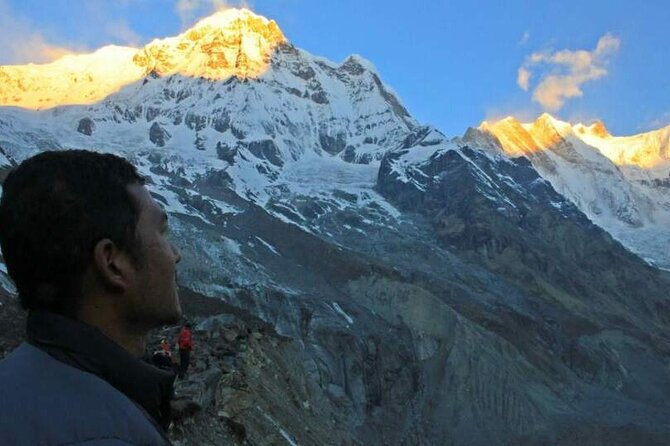
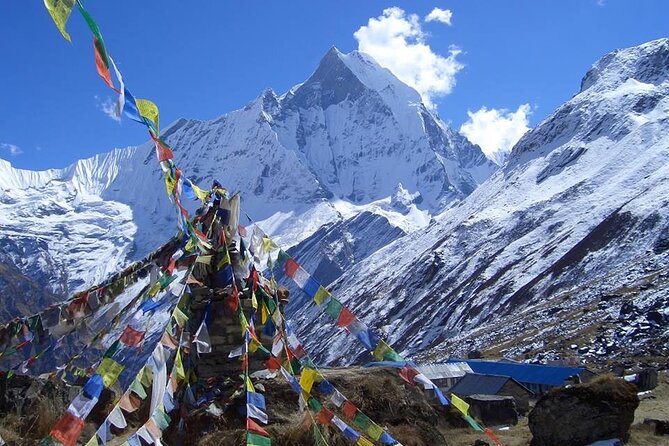
- Poon Hill views early on: a classic sunrise spot for Annapurna and Fishtail before you keep climbing.
- Stone-stair challenge built in: a steep push up from Tikhedhunga/Ulleri area that sets expectations for the trek.
- Guides and porters praised by name: people like Raju and Bishal get credit for planning and care, with support from porters including Sandesh and Ishor.
- Annapurna Base Camp at 4,130m: you reach the high amphitheater under peaks like Machhapuchare.
- Sunrise at Base Camp plus a hot-spring finish: then you end with a soak at Jhinu Danda.
- Meals handled along the trail: breakfast and lunch are included for most days, with dinners provided too.
Kathmandu: Setup Day in Thamel Before the Mountain Starts
Your trek really begins in Kathmandu, specifically around Thamel, where the meeting point is listed. This is the time to get your bearings fast: double-check your layers, plan your headlamp use (night starts matter in mountain travel), and confirm you have your warm gear ready. If you’re the type who likes to sleep well before hard days, you’ll appreciate that Day 1 is about logistics—airport arrival, then transfer to a hotel—rather than immediately jumping into steep hiking.
I also like the operator’s approach to making arrival easy. Pickup is offered, and you’ll get mobile ticket support. Even if you’ve done other trips in Nepal, these details reduce the first-day stress, and that matters because the trek days punish sloppy planning.
One more practical note: the tour is listed as a private tour/activity, meaning you’re not merging into a random crowd. That can make a big difference on a trek where pace and rest stops are everything.
You can also read our reviews of more tours and experiences in Kathmandu.
Flying to Pokhara and Starting the Trek from Tikhedhunga / Nayapul
Instead of making you bus all the way to the trailhead, this itinerary uses a flight from Kathmandu to Pokhara on Day 2. That’s not just convenient. It helps you save time and energy so your first hiking day doesn’t feel like day zero of a marathon.
From Pokhara, you’re routed toward the Annapurna trek entry points around Nayapul and Tikhedhunga. Tikhedhunga is a small village in the Annapurna Conservation Area, and it’s known as a common starting point for routes toward the viewpoint area. The trail network here also sets up what’s coming next: you’ll be climbing steadily, and you’ll likely feel those first hills in your legs even before the big stair day.
This part matters for value because it balances comfort and effort. You don’t lose your whole day to transit, and you still get a real start that feels like you’re entering the mountains, not just passing through them.
Ulleri Stairs and Poon Hill Sunrise: The First Big Payoff
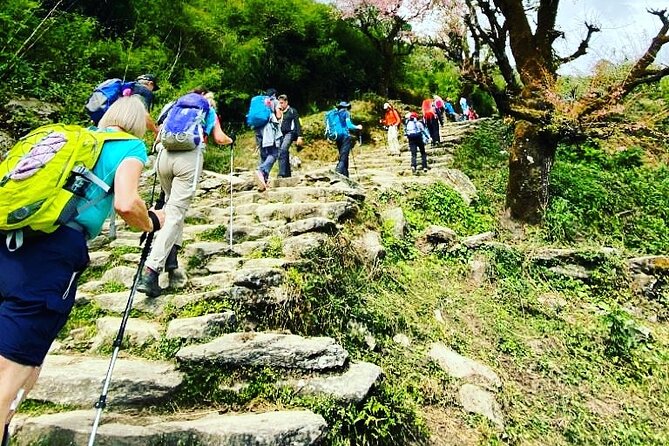
Day 3 to Day 4 is where the trek starts flexing its personality. The path rises from the Tikhedhunga stream area, and then you face a classic steep section toward Ulleri—including the long climb up about 3,300 stone stairs (and Ulleri sits around 2,080m).
This is a good moment to reset your expectations. If you treat the stair climb like a stair climb, not like a fitness test, you’ll do fine. If you rush it, you’ll pay for it later. That’s why the “slow, you can do it” style of coaching that people name in feedback (from guides like Raju and Ramji) tends to work so well: it keeps you moving without turning the day into suffering.
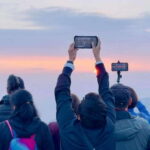
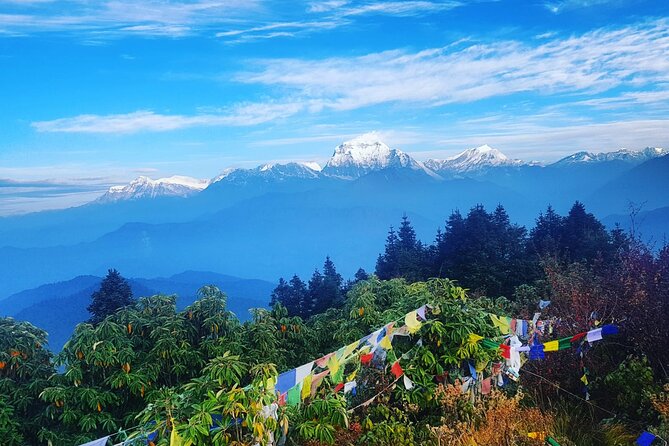
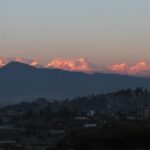
Then you descend back toward Ghorepani and go for Poon Hill. Poon Hill is the well-known viewpoint for classic sightlines of Mt. Annapurna and Fishtail. The big win here is timing: you get views early, then you keep hiking toward your next overnight stop. In plain terms, you’re earning your scenery with a sunrise that makes the next couple of hiking days feel lighter.
From Ghorepani to Tadapani: Rhododendrons and a Slower Rhythm
After Poon Hill, the itinerary shifts gears toward hiking through rhododendrons and moving along a route that heads you toward Tadapani (around 2,590m). This is one of those days where the effort feels more steady than dramatic. You’re still climbing, but it’s not the same “grab your calves” intensity as the Ulleri stairs.
Tadapani is listed as a key stop along this corridor, and it also gives you a sense of what the higher Annapurna routes feel like: more open air, cooler temperatures, and views that keep changing as the trail threads through forest.
Why I like this segment for you: it breaks the trek into readable chunks. The stair day teaches the pace lesson. Poon Hill rewards you. Then Tadapani gives you a transition day before the longer moves ahead.
Practical consideration: you’ll want to manage sun and wind. Rhododendron seasons can mean slippery footing where the trail stays damp. Good boots plus trekking poles (optional) help, especially on descents.
Chhomrong and the Gurung Culture Stop: Real Village Life Up Close
As you move onward, the route drops and climbs through villages and river crossings, including the area around Chhomrong. Chhomrong is a well-known village stop in the Annapurna Conservation Area, and it’s also where you get that sense of “this is living terrain,” not a theme park path.
The itinerary specifically highlights Gurung ethnic group culture as part of the experience around the Chhomrong region. That’s not just a cultural checkbox. In practice, it affects what you eat, how teahouses run, and how people relate to trekkers on the trail. It also makes your trek feel grounded in daily life rather than only in peak spotting.
Then you move toward Deurali, with the route described as rocky and passing through dense rhododendron forests alongside the Modi Khola. That combination of forest + river corridor travel is one of the more comforting ways to handle altitude change: you keep moving, but the terrain isn’t only stairs and exposed ridges.
A small drawback to consider: this part can feel long on your legs. The day lengths are described as substantial (some listed around 12 hours), so you’ll want to be mentally prepared for hours of walking, not just “a hike for a few scenic photos.”
Toward Machhapuchare Base Area and the Push to Annapurna Base Camp (4,130m)
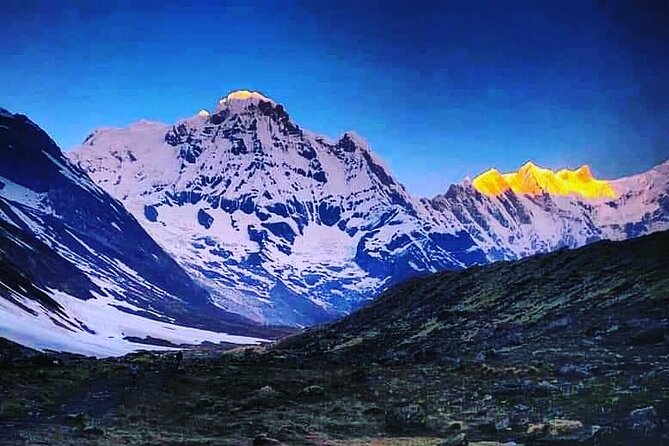
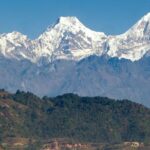
This is the heart of the trek. On the later hiking days, the route brings you into close view of peaks including Mt. Fishtail, Mt. Annapurna III, Mt. Gangapurna, and Mt. Annapurna I. It also references Machhapuchare (Fishtail) and the way the trail heads toward its base-area region.
Then you reach Annapurna Base Camp, listed at 4,130 meters. This altitude step is the moment most first-timers remember, even if they’re not thinking about it much day to day. The air is thinner. Your breathing changes. You’ll likely feel the urge to slow down and stare longer than you planned.
This is exactly where having an experienced guide matters. The trip description notes that expert guides focus on safety and provide insights into the region’s history and geology. In real life, what that means for you is less guesswork: you’re not trying to figure out pacing, weather timing, or when to take rests while you’re already dealing with altitude fatigue.
You’ll also want to keep your expectations realistic. Base camp is not a flat stroll. You earn it with steady trekking, and once you arrive, you’ll still move carefully. But that “amphitheater of peaks” feeling is why people keep returning to the Annapurna circuit-style treks.
Base Camp Sunrise, Descent to Sinuwa, and the Jhinu Hot Spring Reset
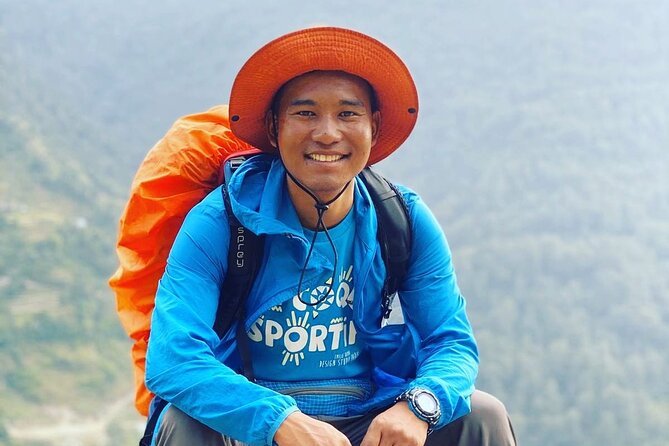
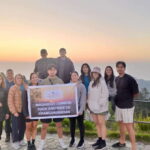
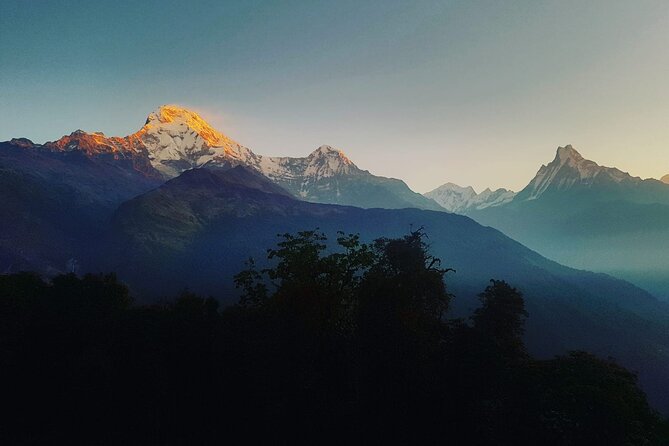
After arriving, the itinerary builds in a special morning: you wake early and walk around the cliffs of base camp for sunrise over Mt. Annapurna. That sunrise moment is more than pretty. It’s practical. Morning light helps you read the terrain and manage cold—plus it gives you a strong reason to be up early instead of trying to sleep through the best visibility.
Then comes the descent, heading back toward Sinuwa. The route description notes tea houses along the way, which matters because you’re switching from “topping out” to “recovery mode.” Descent can be harder on your body than the climb. Going down taxes knees and ankles, especially when trails get uneven.
The next big emotional and physical reset is Jhinu Danda and the natural hot spring. The itinerary says the trail descends extremely steep to Jhinu Danda, where you can bathe in the hot spring. I love this because it gives you a clear payoff for a tough day of downhill work. Your legs get the message: relax now.
If you’re deciding what kind of trek you want, this hot spring stop is a rare kind of fun in the middle of altitude travel. It’s also a good reason to pack the right small comfort items (quick-dry towel, simple sandals you can rinse, and a dry bag).
Pokhara Between Mountain Days: Devi’s Fall, Peace Stupa, Phewa Lake
Once you leave the trek area, the plan gives you time in Pokhara—not just a transfer. After breakfast, you drive to Pokhara and get a mix of sights: Devi’s fall, Peace stupa, and boating on Phewa lake. It also mentions time to enjoy the lakeside nightlife.
This is the best kind of post-trek day. It’s low stress, and you’re not spending the whole time staring at your own trekking boots. You’ll get a break from altitude and a chance to walk around normally again.
Then you fly back to Kathmandu and end near Thamel with market time around Ason and Thamel. This matters for practical travel. Nepal souvenirs can be great, but you don’t want to shop while you’re exhausted. Here, you’re choosing a calmer pace at the end.
A small thing to remember: mountain mornings start early. So if you try to do late-night nightlife every night, don’t be shocked if you feel it.
Price and Value: What $1,300 Buys You in Real Trek Comfort
At $1,300 per person, this trek sits in the mid-range for a guided Annapurna Base Camp route, and the value depends on what you want covered versus what you’re happy to handle yourself.
Here’s what you’re getting that usually drives the value:
- Guided trekking with an operator that builds in long hiking days but aims for safety and pace.
- Meals: breakfast is included for 11 days, lunch for 11 days, and dinner for 10 days (so you’re not constantly budgeting teahouse meals).
- Support on the trail implied by the guide + porter setup mentioned in feedback with named staff like Sandesh and Ishor.
- Transportation by air segments (Kathmandu to Pokhara and return), which saves time and fatigue.
What’s not included is also clear: trekking sticks are not required, and you can find them in Thamel for about $3–$20. That’s good news because it keeps you from feeling forced into buying gear through the tour.
The biggest value question for you: do you want to spend your mental energy on choosing where to sleep and what to eat, or on enjoying the hike? This tour tends to keep those decisions handled.
Who Should Choose This Annapurna Base Camp Trek
This tour fits best if you:
- Have moderate physical fitness and can handle long trekking days.
- Prefer a private group experience where pace and stops are managed.
- Want a guided route with structured meals and simple logistics.
It also suits first-timers in a very specific way: you get early confidence boosts (like Poon Hill views) and you’re not thrown into pure chaos at the start. The route’s sequence teaches you how to pace uphill and how to recover during the descent.
If you’re the type who hates cold wind and steep descents, you might still enjoy the views—but you’ll want to take clothing seriously and go slow on the downhills.
Should You Book This 11-Day Annapurna Base Camp Tour?
If you want a guided Annapurna Base Camp experience that keeps daily logistics manageable, this is a strong pick. The standout benefits are practical: Poon Hill sunrise, reaching Annapurna Base Camp at 4,130m, and an ending that includes the Jhinu hot spring reset. Add in meals and air transfers, and the price starts to make sense for people who want less guesswork.
I’d book if you:
- Like structured days and a clear route.
- Want guides and porters you can trust (names like Raju, Bishal, Ramji, plus porters such as Sandesh and Ishor show up in the kind of feedback that matters).
- Are ready to walk for many hours and accept that altitude and weather can change comfort levels.
I wouldn’t book if you:
- Need a short, easy hike with minimal walking time.
- Get anxious about cold and steep downhill sections without extra flexibility.
FAQ
Where does the trek start and end?
The meeting point is in Thamel, Kathmandu (44600, Nepal), and the activity ends back at the meeting point.
How long is the tour?
It’s listed as 11 days approximately.
What is included in the price for meals?
Breakfast is included for 11 days, lunch for 11 days, and dinner for 10 days.
Is pickup offered?
Yes, pickup is offered.
Do I need to bring a trekking stick?
A trekking stick may be helpful but is not compulsory. You can find one in the Thamel area within a small budget.
What fitness level do I need?
The tour recommends a moderate physical fitness level.