REVIEW · CAPE TOWN
Hiking Lion’s Head for Sunrise or Sunset
Book on Viator →Operated by Table Mountain hiking tours · Bookable on Viator
Lion’s Head turns sunrise into a show. I love the 360-degree views that make Cape Town feel like a model city, and I also love how the guide experience with people like Patrick and Frank makes the tricky bits feel manageable. If you’re serious about photos, this is one of those hikes where the summit is worth every step.
The one thing to think about is the terrain. This climb gets steep and hands-on in places, and if you have a fear of heights, the rock steps and ladders won’t feel great. Also, the descent is in the dark after sunset, so you’ll want to be comfortable hiking with a headlamp and staying focused on your footing.
In This Review
- Key things that make this hike worth your time
- Why Lion’s Head at sunrise or sunset is Cape Town’s best viewpoint plan
- The route up: screw-top climbing, ladders, and a chain handrail
- The summit moment: where 360 degrees becomes real
- Coming down at night: why the headlamp is non-negotiable
- Transfers and meeting point: keep it simple, then focus on the climb
- Group size and guides: why the max 7 matters on this trail
- What you’ll actually do during the 4 hours (sunrise and sunset versions)
- Fitness, footwear, and what to pack so you don’t hate your life
- Price and value: is $70.74 worth it?
- Weather and “what if it’s cloudy?” planning
- Should you book Lion’s Head for sunrise or sunset?
- FAQ
- What should I expect on the trail besides stairs?
- Is a headlamp provided?
- Do I get coffee?
- Is transport included in the price?
- How fit do I need to be?
- What happens if the weather is poor?
Key things that make this hike worth your time
- Small group (max 7) means you’re not lost in a crowd and the guide can actually watch your footing.
- A guide who leads the scramble through ladders, a chain handrail, and rough sections.
- Headlamp included so coming down after dark feels under control, not risky.
- 360-degree summit payoff with Table Mountain in the view mix (and city lights changing during the descent).
- Sunrise perks: coffee is included only on the sunrise hike.
Why Lion’s Head at sunrise or sunset is Cape Town’s best viewpoint plan
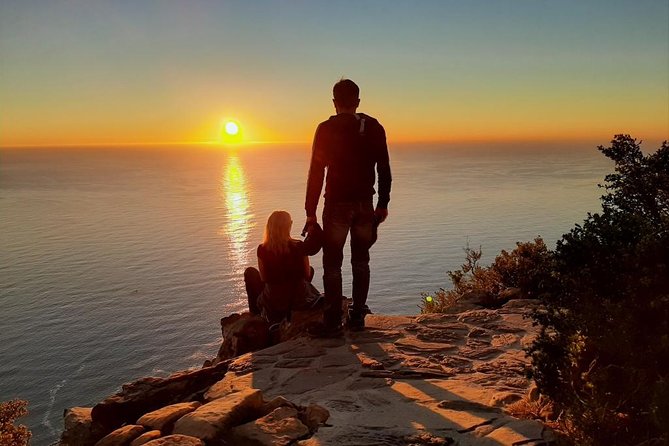
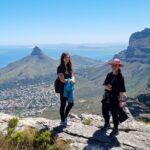
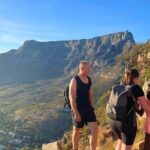
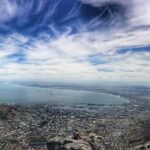
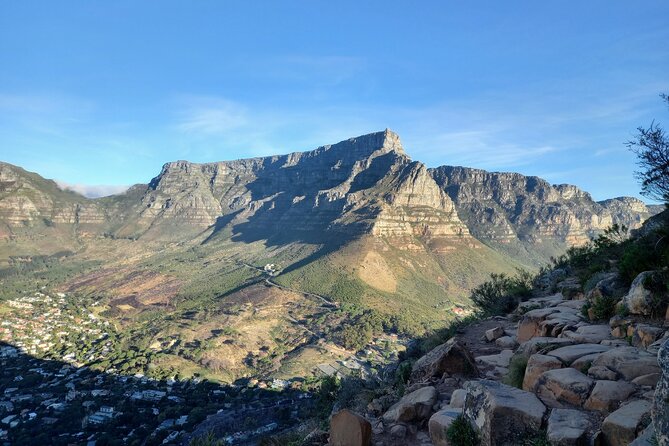
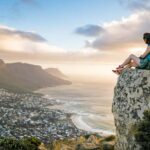
Lion’s Head is one of those Cape Town “where do I even start?” hikes—until you’re on the trail and realize it’s built for wow moments. The route climbs along the mountain’s side with constant view breaks. Then you hit the summit and get a full circle of Cape Town geography: Table Mountain as a backdrop, ocean and coastlines snaking around, and the city spread below like it’s laid out for you.
If you pick sunrise, you’ll likely get a calmer experience. Many people find sunrise less chaotic than sunset, and the morning light can make the sky and clouds look dramatic. One sunrise perk I really appreciate is the included coffee stop at the top. It’s a simple touch, but it turns the summit from a quick look into a real pause.
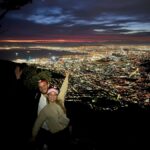
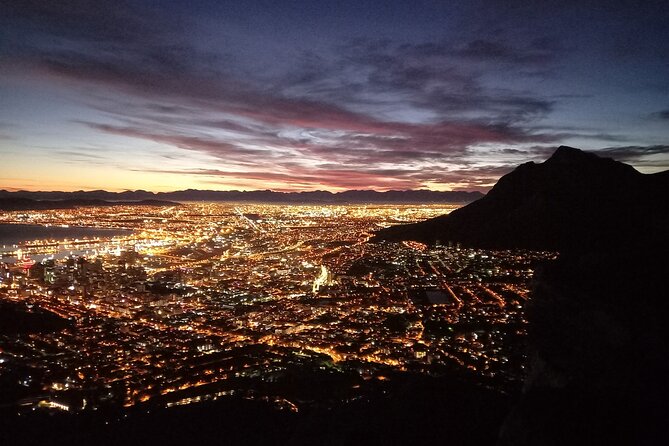
If you pick sunset, you get something different: the light fades, Cape Town’s lights begin to switch on/off, and that rhythm makes the return hike feel like part of the show. One small downside: sunset hikers should expect more people on the approach, and the later you go, the darker the descent becomes.
You can also read our reviews of more tours and experiences in Cape Town.
The route up: screw-top climbing, ladders, and a chain handrail
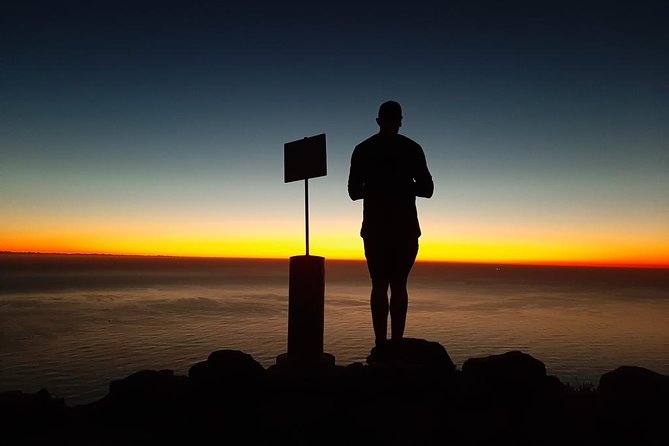
The climb starts with a path that feels like you’re circling the mountain—think of it as a screw-top ascent where you gain height while working around for better angles. The first stretch is usually manageable, and it lets you warm up without feeling like you’re sprinting to the summit.
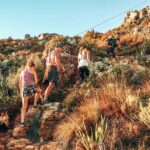
Then it shifts. You’ll reach rougher ground where the path gives way and you step up using your hands to scramble over rocks. After that, you’ll keep pushing steeply upward to the first ladder. This isn’t a technical climbing course, but it is definitely not “just a walk.” It requires agility and steady movement, especially when you’re tired.
Next comes one of the more distinctive sections: a shelf-like traverse left with a chain handrail. That helps, but it also means you’re paying attention to balance. You’ll continue until you reach a fork, and you’ll have choices:
- Go left to circumnavigate two rock pitches
- Or go right and climb the rock pitches
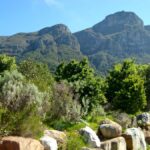
If vertical rock steps aren’t your thing, the left option is the more comfortable mindset. Either way, you keep moving toward the crest. From there, the trail continues past huge stone pine trees to reach the ridge and eventually the summit.
The summit moment: where 360 degrees becomes real
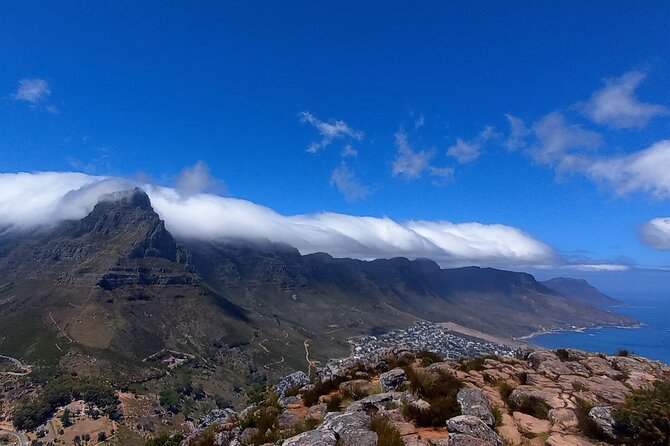
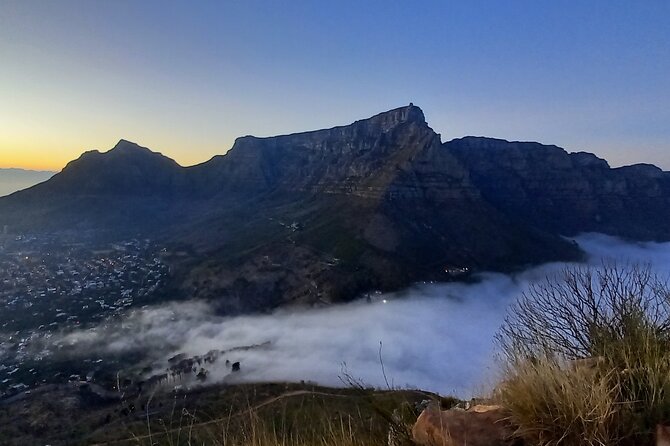
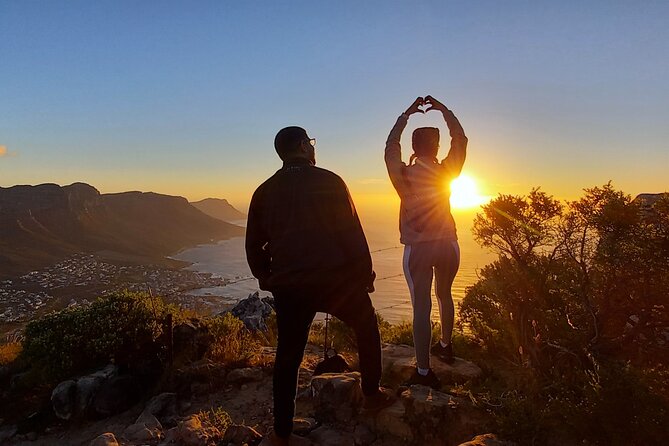
At the top, the big deal is scale. Cape Town isn’t just behind you—it’s around you. You get a 360-degree view that frames the city with Table Mountain in the background. On clear mornings or evenings, you can see the layers: ocean and coastline angles, neighborhoods spread out, and the mountain shapes that make Cape Town feel so different from other big cities.
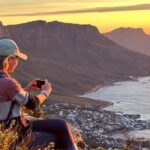
This is also where the included extras matter. You’re not just climbing to stand there for 30 seconds. You’ll have time for photos and video, and the guide helps you get to the best spots. In the morning, the light can hit fog in a way that makes everything look textured. In the evening, the change from daylight to night adds a whole second chapter to your view.
And yes—if the sky is kind, it’s spectacular. If the sky is not so kind, you’ll still get the experience of being above the city. You just won’t get the same crisp “postcard sharp” look.
Coming down at night: why the headlamp is non-negotiable
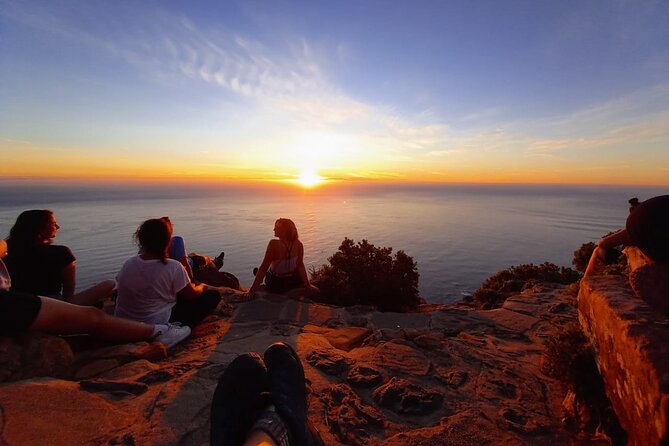
The most practical reason to do this with a guide is what happens after sunset. When the sun goes down, Lion’s Head becomes a dark rock and trail problem. The route includes steps, ladders, and a chain-handrail traverse. In daylight, you can naturally pick your line. In the dark, you have to trust your guide and keep your eyes on the ground.
That’s exactly why this tour includes a headlamp. It turns the descent into normal hiking instead of improvising in the dark. Multiple people highlighted that having lights for the way down made the experience feel safe and smooth.
Your guide also manages pacing so you’re not rushing. That matters most when you’re tired and the body wants to move faster than your balance can handle.
Transfers and meeting point: keep it simple, then focus on the climb
You meet at the Lion’s Head Hiking Trail on Signal Hill Road, in the Signal Hill area. The trailhead is easy enough to reach, and the tour is noted as being near public transportation, which is helpful if you don’t want to rely on a car.
Pickup is offered, and you can choose how you want to handle transport:
- Two-way transfers (pickup and return)
- Drop-off only
- No transfers
Here’s how I’d think about it. If you’re traveling with limited time or you don’t want to think about coordinating a taxi at night (sunset hikes end after dark), choose the transfer option. If you enjoy being independent and you’re already near Signal Hill, skipping transfers can save money and keep you flexible.

Group size and guides: why the max 7 matters on this trail
This hike caps at 7 travelers, and that changes the vibe. On a mountain with scrambling and ladders, a bigger group can turn into bottlenecks—especially around the shelf section and ladder areas where everyone needs room and controlled movement.
With a small group, the guide can:
- set the pace to your comfort level
- regroup before the tougher parts
- watch footing and handholds
- keep the line moving without chaos
You’ll also get a more personal guide style. From the experiences shared, guides like Patrick, Frank, and Andy are described as friendly, helpful, and safety-focused. Some even adapt routes to reduce crowd pressure, which is nice if you’re trying to enjoy the view without constant stop-start around other hikers.
What you’ll actually do during the 4 hours (sunrise and sunset versions)
The tour is about 4 hours total, and the time feels like a good match for this specific hike—long enough to matter, short enough that you’re back before your legs completely protest.
A typical flow looks like this:
- Meet at the Signal Hill trail area, then get set up for the start.
- Hike upward along the circling path. The early part is more relaxed and helps you find your rhythm.
- As you climb higher, the route turns into scrambling and hands-on sections, then ladders and chain-handrail traverse.
- Reach the summit for your main viewpoint time and photos/video moments.
- For sunrise hikes, enjoy the included coffee during your summit stop.
- Begin the descent with headlamps, staying focused as the ground gets harder to read.
Timing note: whether you choose sunrise or sunset, the hike is weather dependent. If clouds roll in or conditions are poor, the climb may be adjusted through the scheduling process, or you may be offered another date.
Fitness, footwear, and what to pack so you don’t hate your life
This is listed as moderate fitness with a minimum age of 10. That doesn’t mean it’s a gentle stroll. If you can handle steep walks and don’t mind using your hands for balance, you’ll likely be fine.
What helps most:
- Closed shoes (good grip matters more than cushion)
- A warm top for the peak, especially after sunset
- Water (bring enough to stay hydrated)
- Your camera, because you’ll want it at the summit and in the changing-light moments
If you’re worried about height exposure, take that seriously. The tour isn’t recommended for people with a fear of height because of the ladders and steep steps.
Price and value: is $70.74 worth it?
At $70.74 per person, this is not a budget hike. But it also isn’t just a “lead yourself” walking route. You’re paying for real guided support on a trail where:
- the terrain gets steep and hands-on
- the return can be in darkness
- you get a headlamp, first aid support, and photo/video capture
- you get coffee on the sunrise version
When you add up the pieces—guide expertise, headlamp, group size limits, and the photo/video element—the price starts to make sense. The guide isn’t doing luxury extras; they’re managing safety and keeping you moving through the tricky route sections.
If you’re an experienced hiker and already know the trail well, you might feel torn. If you’re not, or if you want sunset without nervous second-guessing on the descent, this price often feels fair because it buys confidence.
One practical tip: book ahead if your dates are fixed. This one is commonly reserved in advance.
Weather and “what if it’s cloudy?” planning
Lion’s Head depends on conditions. If the weather isn’t right, the hike may be canceled and you’ll be offered another date or a full refund. This matters because visibility is half the payoff.
That said, even when visibility isn’t perfect, the guided scramble and the experience of being on the peak still land. You might just trade crisp, sharp views for softer light and a more atmospheric look.
Should you book Lion’s Head for sunrise or sunset?
Book it if you want:
- Cape Town’s best “from above” views with Table Mountain in the frame
- a small-group guided climb that handles the ladder/scramble sections
- an easier, safer way down at night thanks to headlamps
- either sunrise coffee or sunset city-light drama
Consider skipping (or choosing a different hike) if:
- you have a fear of heights
- you don’t feel steady on steep, uneven ground
- you’re not comfortable hiking in the dark after sunset
FAQ
What should I expect on the trail besides stairs?
The hike includes steep sections, scrambling where you use your hands over rocks, ladders, and a shelf traverse with a chain handrail. There’s also a fork where you can choose left (circumnavigate rock pitches) or right (climb rock pitches).
Is a headlamp provided?
Yes. A headlamp is included, and it’s especially helpful for the way down when it’s dark, depending on whether you hike at sunrise or sunset.
Do I get coffee?
Coffee is included on the sunrise hike only. It isn’t listed as included for sunset.
Is transport included in the price?
Transport is included only if you select an option that includes it. Options include two-way transfers, drop-off only, or no transfers.
How fit do I need to be?
The tour is for travelers with moderate physical fitness. Closed shoes are required, and the route is not recommended if you have a fear of height.
What happens if the weather is poor?
The hike is weather dependent. If it’s canceled due to poor weather, you’ll be offered a different date or a full refund.