REVIEW · SEOUL
Bukhansan National Park- The Summit Course
Book on GetYourGuide →Operated by environment design lab · Bookable on GetYourGuide
Climb to Seoul’s highest point without the stress. This Bukhansan National Park summit course is built for people who want the highlight (Baek-un-dae) with a smart schedule and an English-speaking guide who handles the moving parts. I particularly like the early-morning start and the clear focus on safety and pace, plus the fact that you finish with an actual sit-down lunch you’ll enjoy.
One thing to know up front: the “moderate” label can feel optimistic. The steep section near the summit uses ropes, and some parts can be scary if you don’t like heights or if your knees aren’t happy with rocky climbs.
In This Review
- Key points before you go
- Bukhansan’s Summit Course: The Big Picture in 4.5 Hours
- Where to Meet and How to Not Miss the 8:15 Start
- The Climb: 600 Meters of Gain and a Tight 2.1 km Push
- Baek-un-dae Peak and the Rope-Assisted Section (25–45 Degrees)
- Safety Gear, Rescue Reality, and Why the Guide Matters
- Pacing That Works for Real Bodies (Including Knees and Nerves)
- The Optional Tofu Lunch: A Proper Post-Hike Reward
- Value for $67: What You’re Really Paying For
- Who This Summit Course Suits Best
- Should You Book This Summit Course?
- FAQ
- Where is the meeting point for the Bukhansan Summit Course?
- What time does the tour start?
- How long does the hike take?
- How difficult is the ascent?
- What is special about Baek-un-dae peak?
- Can I avoid the rope section if I’m afraid of heights?
- What gear is included in the tour?
- Is lunch included?
- Where can I buy water?
- What if my plans change?
Key points before you go
- Early start, smoother hike: you’re moving before the mountain gets packed later in the day
- English guide Koa manages logistics: names, pacing, and route adjustments keep things easy to follow
- 600 meters of gain quickly: steep ascent is real—think “lots of stairs”
- Baek-un-dae ropes section: challenging but safety-focused, with an option to adjust if needed
- Crampons and poles help on the rocky parts: borrowed at the 1/3 point
- Optional tofu lunch after: tofu made from scratch, with vegan/vegetarian options (and meat too)
Bukhansan’s Summit Course: The Big Picture in 4.5 Hours
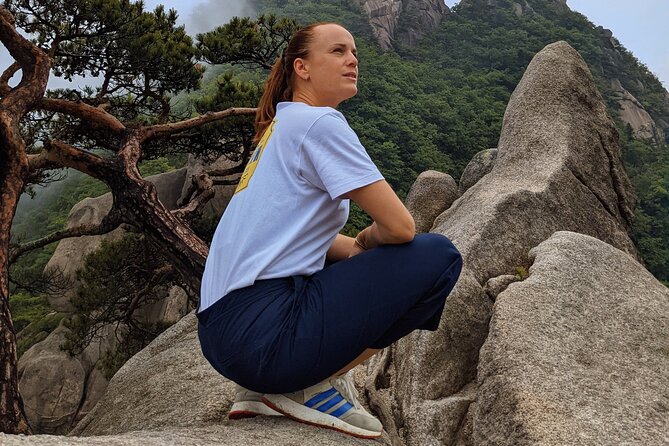
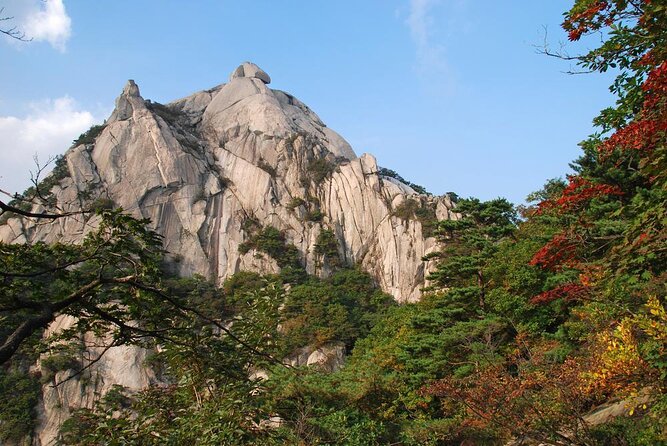
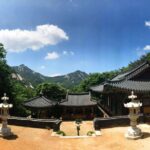
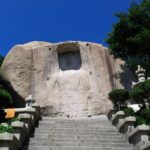
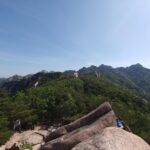
Bukhansan National Park sits right on Seoul’s edge, so you get that classic “mountain day” feeling without a complicated travel day. This summit course aims to take you to the highest peak in Seoul (836 m / 2,743 ft), and it does it efficiently: you’ll spend about 4 hours on the hike (the total trip time is 4.5 hours), instead of the longer routes that can run closer to 6 hours.
The vibe is simple. You meet the guide, you climb with a clear plan, you come down the same way you went up (with a guide-led chance to make the descent more interesting). And because the mountain is popular, going earlier matters. Less waiting. Less crowd pressure. More time actually hiking.
What makes this tour feel practical is that it’s not selling the summit as “easy.” It’s selling the summit as “don’t risk it.” That safety message is backed by the reality that hundreds get rescued from this mountain every year. The guide’s job is to help you move safely and with confidence.
You can also read our reviews of more tours and experiences in Seoul.

Where to Meet and How to Not Miss the 8:15 Start
Your day can go sideways fast if you miss the meeting spot, so take this part seriously.
Meet Koa outside Exit 2 of Bukhansan Ui station. Do not mix it up with Bukhansan Bogungmun station—the names are similar enough that it’s an easy mistake when you’re tired. The group can only wait for late comers for 15 minutes, and then the group leaves at 8:15 am sharp.
My advice: set your route in Naver map the night before, and leave early enough that you’re standing there before the time rather than sprinting for it. This tour is built around an early window, so there’s no point showing up late and hoping the mountain will slow down for you.
Good news: the tour ends back at the same meeting point, so you’re not stuck figuring out a complicated end-of-day transit plan.
The Climb: 600 Meters of Gain and a Tight 2.1 km Push
Here’s the part you really need to understand before you book: the ascent is steep.
You’ll face an elevation gain of about 600 meters (2,000 ft) over roughly 2.1 km (1.3 miles). On a normal route, that sort of climb often takes 100–120 minutes. In this course, the timing is tighter because the route is streamlined for summit-focused hikers.
So expect this section to feel like climbing a lot of stairs—your guide even frames it as roughly 200 floors up-and-down. The humor helps, but the takeaway is serious: you need to be moderately fit to finish comfortably.
One smart detail: because you come down the same way, there’s room to manage fatigue. If you need to stop, the guide can adjust and help you regroup. You’re not required to push past your limit just to keep up with the pack.
Baek-un-dae Peak and the Rope-Assisted Section (25–45 Degrees)
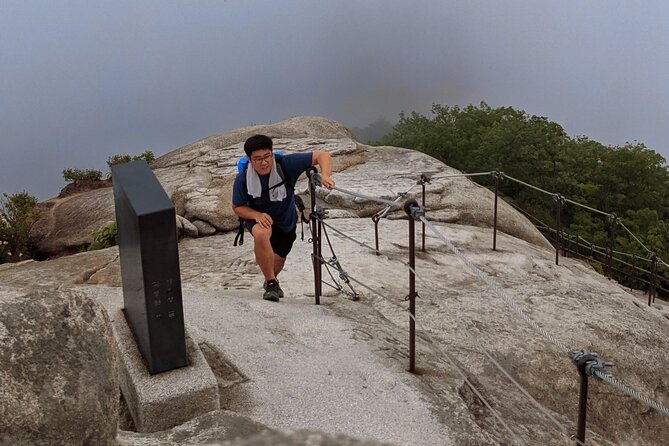
Baek-un-dae is the headline. It’s also the part that tests nerves.
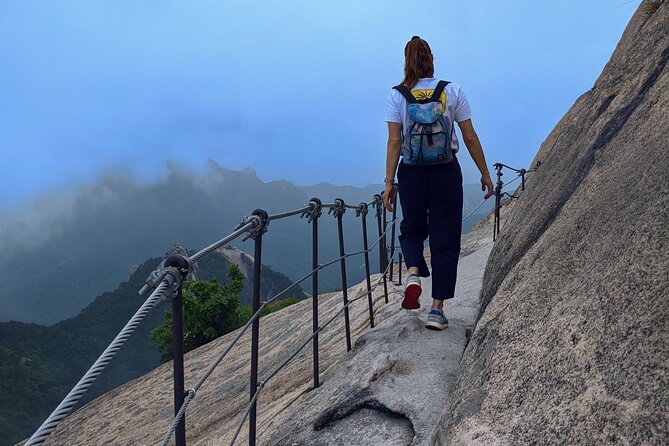
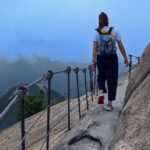
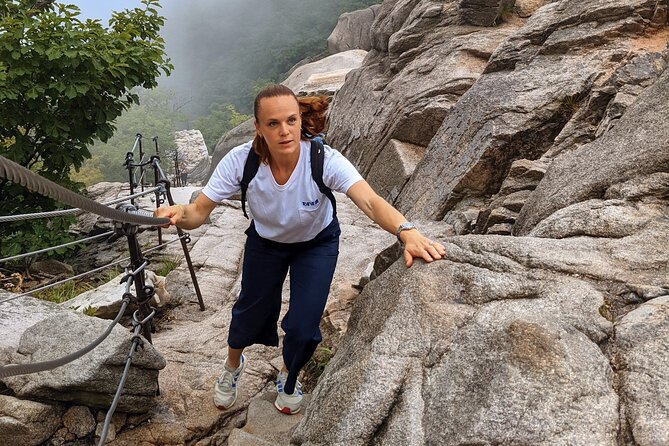
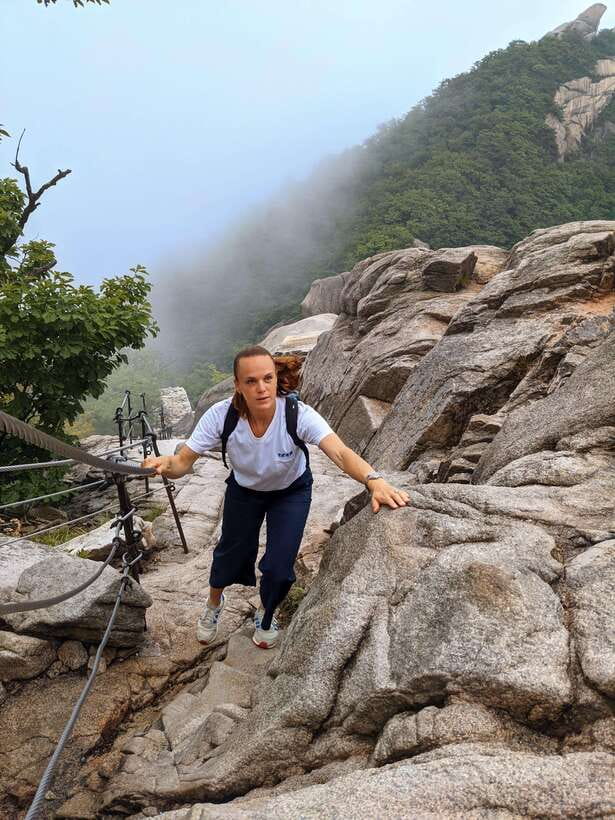
Near the summit, you’ll hit a steep climbing segment at about 25–45 degrees, and it’s supported by ropes. The climb itself is typically around 20–30 minutes, and you’ll want to treat it like a careful work assignment, not a casual stroll.
If you have a fear of heights, this is where you should plan to go slow. The course notes that this rope-assisted part can be avoided by having a break. That’s not about “quitting.” It’s about choosing the safer option for your comfort level and continuing as the guide advises.
From a practical standpoint, this section is why the guide’s presence matters so much. A rope trail can be safe, but only if you know when to pause, how to place your feet, and how to keep spacing. That’s the difference between a memorable summit and a scary scramble.
Safety Gear, Rescue Reality, and Why the Guide Matters
This is one of those hikes where the details are not small.
You’ll get essentials like bug spray, a first aid kit, and a rain coat if needed. And for the rocky or slick stretches, the tour includes support you can borrow: crampons and hiking poles are available at about the 1/3 point of the hike.
Those are not “nice-to-have” items on a steep national park trail. They’re the kind of things that let you stay stable when the ground changes under your feet.
And yes, the mountain is serious. The course explicitly warns that hundreds are rescued every year, which is a strong reminder that a steep hike isn’t automatically safe just because you’re fit. The guide is there to keep you moving with better judgment—route choice, pacing, and how to handle the rope-assisted portion.
If you’re the kind of traveler who likes control, you’ll appreciate how much of the safety burden is taken off your shoulders. You still hike, but you’re not guessing.
Pacing That Works for Real Bodies (Including Knees and Nerves)
The tour is described as “moderate,” but the steep ascent makes it feel intense for some people—even if you work out regularly.
The key is pacing. The guide manages the climb so you can maintain momentum without burning out on the first steep stretch. You’ll also have chances to reset mentally during the hike, especially around the rope section where fear of heights can creep in.
One especially helpful detail: if you need to slow down, you can stop, and the guide can pick you up on the way back. That’s a big deal for anyone worried about getting separated or for anyone whose legs or knees start complaining.
That also means the tour is best for hikers who can communicate their limits. If you’re honest early—about sore knees, shortness of breath, or anxiety on steep ground—the guide can adjust what “success” looks like for you that day.
The Optional Tofu Lunch: A Proper Post-Hike Reward
After you come down, you can choose the optional lunch. This isn’t a rushed vending-machine stop. It’s a tofu-focused meal at a place that makes the dishes from scratch.
Expect tofu in multiple forms, and the big point is perspective. The course notes that the tofu lunch can change how you see tofu—because it isn’t just one bland thing; it’s a whole set of textures and flavors built from basics. And yes, it’s Vegan/vegetarian friendly, but the menu can also include meat, so you’re not limited if you eat both.
Cost is 9,000–15,000 KRW paid individually. Time-wise, the lunch is optional and depends on what fits into your schedule on the day.
Also worth knowing: one group experience here includes time together after the hike, so it’s a nice way to unwind without immediately jumping back into transit.
Value for $67: What You’re Really Paying For
$67 isn’t a cheap afternoon, but for what you get, it’s not just “paying to hike.”
You’re paying for:
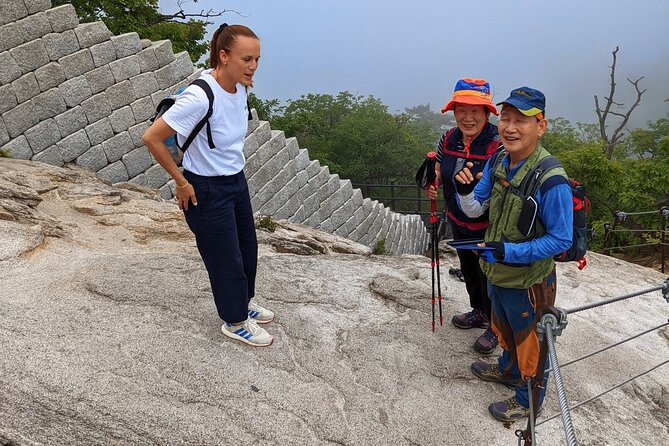
- An English-speaking live guide (Koa) who manages safety and flow
- Steep-trail support via borrowed crampons and hiking poles at the 1/3 point
- Safety and comfort items like bug spray, first aid kit, and rain coat if needed
- A route designed to hit the summit efficiently—about 4 hours of hiking time rather than longer full-day routes
- Help navigating the mountain without having to figure out everything on your own
If you’re visiting Seoul and want a summit day that feels organized, this is where a guided approach is worth it. Without a guide, steep hikes often turn into a stress test: you manage timing, gear, and decision-making while also climbing. Here, the decision-making is handled for you, so you can focus on your steps.
Also, the early start isn’t just “nice.” It’s value. When the mountain gets busy, the hike becomes more about crowds than trails. Starting early helps you stay in the zone.
And you have some flexibility built in: free cancellation up to 24 hours in advance and the option to reserve now and pay later (useful if weather or plans change).
Who This Summit Course Suits Best
This tour fits best if you want:
- A Seoul-area summit hike that’s organized and safety-forward
- Clear pacing for a steep climb, with an experienced guide taking care of the tough calls
- A chance to meet people during a shared hike, especially if you like the small-group energy
You should take extra care (or consider skipping) if:
- You have a strong fear of heights and know you freeze on rope-supported climbs
- Your knees don’t tolerate rocky, steep descents well
- You don’t feel comfortable with a steep 600 m gain over a short distance
The tour does help with options—stopping during the rope section, adjusting pace, and regrouping on the way back. Still, this is not a gentle walk. It’s a summit course.
Should You Book This Summit Course?
Yes, I think you should book it—if you want the summit and you want help doing it smart.
Book this tour if you value safety guidance, a realistic pace, and a guide who’s fluent and proactive. Koa’s role comes through in the way the hike is kept manageable and in the way the group experience stays upbeat—names, humor, and clear safety tips make a difference when the terrain turns steep.
Skip (or choose a gentler option) if you know you can’t handle rope-supported climbing and you don’t want to be put in a situation where you might need to stop and reassess mid-route.
If you’re comfortable with moderately fit effort and want a Seoul summit day that doesn’t feel like a gamble, this is a solid choice.
FAQ
Where is the meeting point for the Bukhansan Summit Course?
Meet your guide Koa outside Exit 2 of Bukhansan Ui station. The group leaves at 8:15 am sharp.
What time does the tour start?
The group departs at 8:15 am. The group can wait for late comers for 15 minutes.
How long does the hike take?
The duration is about 4.5 hours total. The hiking portion is planned to take around 4 hours.
How difficult is the ascent?
The ascending section involves about 600 meters of elevation gain within about 2.1 km. It typically takes 100–120 minutes on a normal route, so you should be moderately fit.
What is special about Baek-un-dae peak?
Baek-un-dae peak includes a steep climb at about a 25–45 degree angle, aided by ropes, for roughly 20–30 minutes.
Can I avoid the rope section if I’m afraid of heights?
The course notes that the rope-assisted part can be avoided by having a break if you have a fear of heights.
What gear is included in the tour?
You receive bug spray, a first aid kit, and a rain coat if needed. Crampons and hiking poles can be borrowed at the 1/3 point.
Is lunch included?
Lunch is optional. It’s paid separately at 9,000–15,000 KRW. It’s a tofu specialty restaurant and is vegan/vegetarian friendly, with meat also available.
Where can I buy water?
Water can be purchased at the beginning at a convenience store.
What if my plans change?
You can cancel up to 24 hours in advance for a full refund. You can also reserve now and pay later.