REVIEW · SEOUL
Hiking in Seoul : Bukhansan National Park
Book on Viator →Operated by VIP TRAVEL Co.Ltd · Bookable on Viator
One mountain, one city edge, lots of steps. This Bukhan Guided Hiking day turns Seoul’s streets into a 4.5-hour push through Bukhansan National Park with temple views and big bragging rights. I like that you get a professional English-speaking guide and a route matched to your fitness, plus the small group size (max 15). One thing to consider: the terrain can be steep and rocky even on the easier temple route, so good footwear and patience matter.
What you’ll likely appreciate most is how close this feels to a megacity. You’re walking granite ridges and passing Buddhist temple stops with Seoul’s energy in the background, then returning to town feeling like you actually did something. I also like the structure: hotel pickup in central Seoul (or a clear Myeongdong start), rest breaks, and enough time for photos along the climb. The possible drawback is that the exact endpoint can vary by chosen trail and conditions, so don’t expect every photo to match your final viewpoint.
In This Review
- Key Highlights Worth Marking
- Seoul-to-Mountain Reality Check: What This Day Trip Really Delivers
- Price and Time: Is $142 Worth a 4.5-Hour Crunch?
- Morning Flow: Pickup, Myeongdong Start, and Getting to Bukhan
- Choosing Your Difficulty: Seunggasa vs Bibong Paths
- Seunggasa Temple route (about 400m gain)
- Bibong route (about 560m gain)
- Bukhansan National Park: Temples, Granite Steps, and the View Payoff
- The Guide Factor: Why Names Like Chance, Anna, Juno, Gabbie, and BK Matter
- Culture Stops in the Same Day: Palaces and Jogyesa in Your Orbit
- Food and the Post-Hike Payoff: Lunch and the Jjimjilbang-Style Spa
- Hiking Gear and Weather Reality: What to Bring (and What to Avoid)
- Who This Tour Is Best For (and Who Might Want Something Different)
- Should You Book the Bukhan Guided Hike?
- FAQ
- How long is the Bukhan hiking experience?
- What’s included in the price?
- Is pickup included?
- When does the tour start?
- How difficult are the trails?
- What’s the minimum age?
- Are meals included?
- What if the weather is bad?
- Is there a cancellation window?
Key Highlights Worth Marking
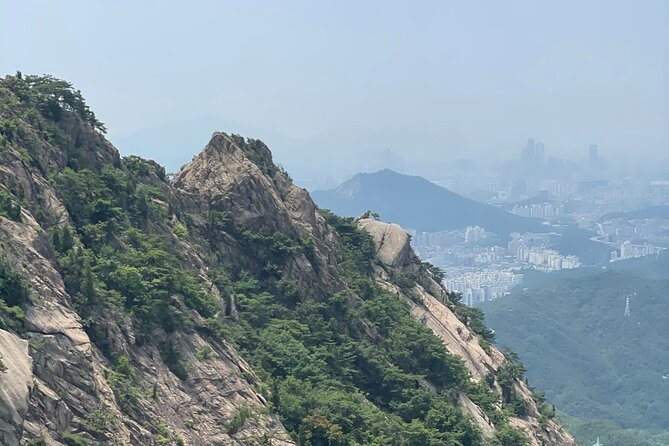
- Temple hikes that match your level with routes like Seunggasa (about 400m gain) or Bibong (about 560m gain)
- Views that justify the effort, especially from higher points along the main Bukhan ridge trails
- Small-group pacing (up to 15) so the guide can adjust stops and tempo
- Guides who help beyond hiking, with examples like Chance, Anna, Juno, Gabbie, and BK stepping in on practical stuff
- A Korean spa option after the hike that can feel refreshing, but may be less private than you expect
Seoul-to-Mountain Reality Check: What This Day Trip Really Delivers
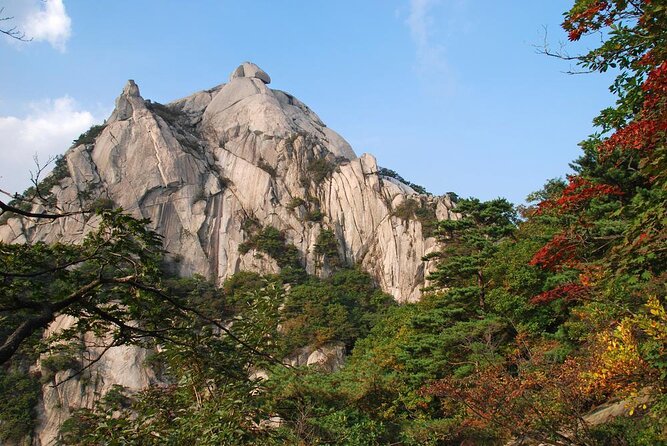
If you’ve been in Seoul for a couple days, you know the city can be nonstop. This tour gives you the opposite rhythm: walk uphill, catch your breath, look at stone peaks and temple corners, then do it again. It’s a guided hike in Bukhansan National Park, close enough to Seoul that the urban world still feels nearby, but quiet enough that it starts to feel like a real reset.
You’re not just doing a nature stroll. The hike includes climbing granite stairs and steep sections, plus time for stops and photos. That matters because a lot of “easy” hikes in cities end up being more like scenic walking loops. Here, the climbing is real, so you’ll feel it in your legs—in a good way.
The other big value is that you’re not wandering on your own. The day includes a professional English-speaking guide, and your route is selected for the group’s ability and preferences. Some guides even bring extra help like walking sticks (I saw that one in the experiences with guide BK), which can make rocky stairs feel less punishing.
You can also read our reviews of more tours and experiences in Seoul.

Price and Time: Is $142 Worth a 4.5-Hour Crunch?
At about $142 for roughly 4 hours 30 minutes, this isn’t a “cheap and cheerful” add-on. You’re paying for the guide, the guided route choice, and the included logistics that make the day smoother—like pickup in central Seoul and a mobile ticket.
Here’s how I judge value for a hike like this:
- You’re getting a guided route into a major national park, not just a city transfer.
- Entrance for the day is marked as free, which removes one common friction point.
- The group size is small (max 15), so it’s easier to manage pace on steep terrain.
If you’re coming to Seoul and want one day that’s active without planning a whole expedition, it can be a strong deal. If you’re a seasoned hiker and would rather roam independently, you might find cheaper options. But most people book this type of tour because they want the route, the temple stops, and the translation help without the guesswork.
Morning Flow: Pickup, Myeongdong Start, and Getting to Bukhan
This tour runs with a clear start point in Seoul. The scheduled start is 9:00 am, and you’ll either be picked up at your hotel in central Seoul or meet at Myeongdong Station Exit 10 (and the detailed address given near Chungmuro 2(i)-ga).
That pickup piece is more important than it sounds. Seoul public transit is excellent, but hiking days are when small stress adds up: bags, early departure, finding the exact exit, and then getting everyone lined up. A pickup removes a lot of that pre-hike chaos.
Once you’re out of town, you’ll drive into the park area and get orientation from your guide. Expect context about the granite mountains, gorges, and the Buddhist temples you’ll see along the way. Even if you’ve read about Bukhansan before, the guide’s framing helps you notice what you’re walking past.
Choosing Your Difficulty: Seunggasa vs Bibong Paths
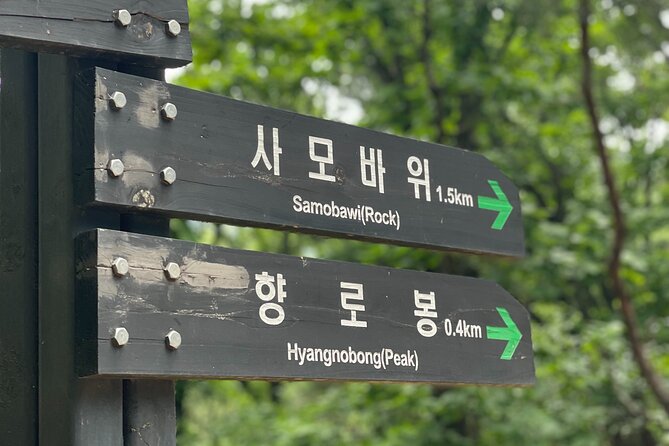
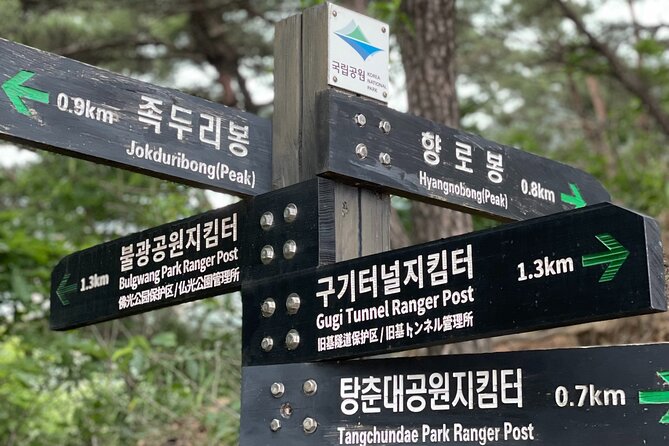
One of the smartest parts of this day is that your guide chooses between routes based on your group’s comfort. You’ll see two trail styles mentioned often for this hike:
Seunggasa Temple route (about 400m gain)
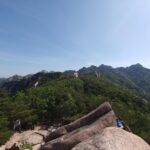
This climb is about 400 meters (roughly 1,300 feet) in elevation gain and is described as relatively easy for beginners. That doesn’t mean “flat.” You’ll still tackle uphill sections and stairs. What it means is that it’s the more beginner-friendly way to reach a temple payoff, without going full endurance mode.
Bibong route (about 560m gain)
If you want more challenge, the Bibong path climbs about 560 meters (about 1,835 feet). It’s described as a narrow trail with a mountain stream running on either side. That combo usually means: more time on uneven footing, more attention needed on balance, and more stamina required.
My practical advice: if you’re unsure, choose the route that matches your comfort today, not your confidence level from last year. One guest explicitly pointed out that while something may be labeled beginners ok, the steepness and terrain still require a basic fitness base. That’s exactly the kind of reality you’ll want to respect.
Bukhansan National Park: Temples, Granite Steps, and the View Payoff
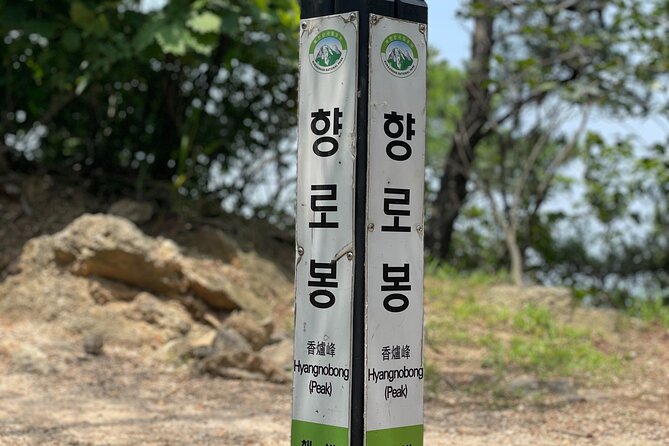
The core of your day is the hike in Bukhansan National Park. The best way to think about it is as a “vertical walking day” with a couple of human-scale pauses. You’ll have rest stops and photo opportunities, but the structure is still built around climbing.
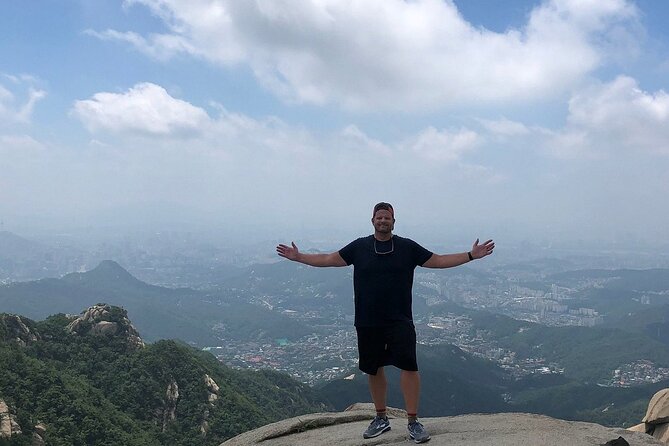
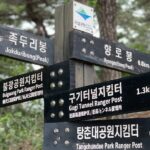
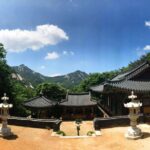
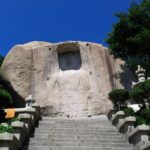
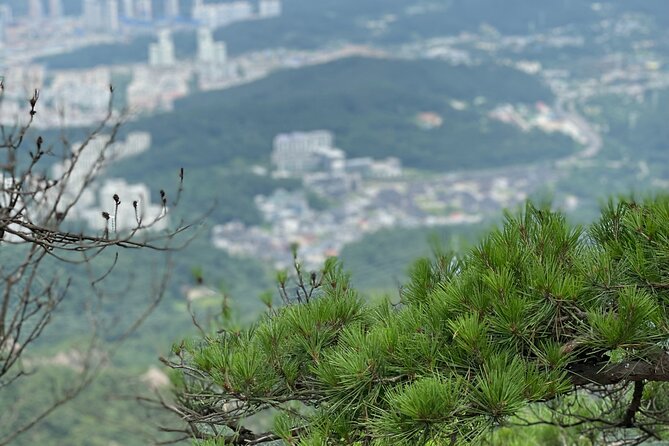
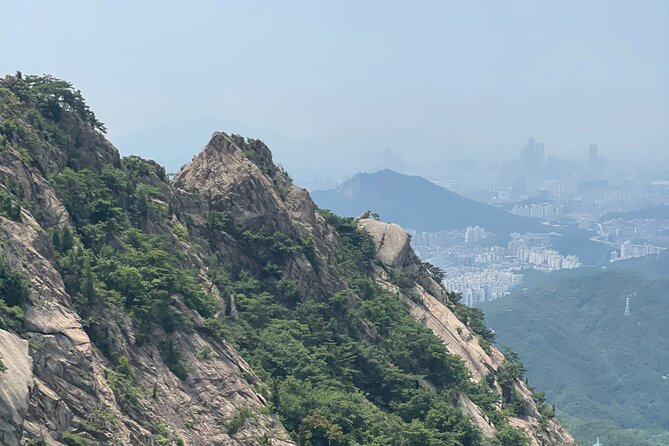
As you move up, you’ll see the park’s famous character: granite rock formations, sharp ridgelines, and temple stops that feel surprisingly intimate once you’re away from the city noise. Many guests highlight the viewpoint at the top as the part that makes the strain worth it—challenging but fun, like you earned the panorama.
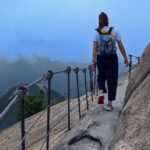
Also, expect the hike to be more than cardio. The rocky stairs mean your feet work hard. Wet conditions can make it slippery, and one set of experiences mentioned hiking in rain. If you go in any weather that could be damp, plan for slower steps and extra grip.
The Guide Factor: Why Names Like Chance, Anna, Juno, Gabbie, and BK Matter
This is one of those tours where the guide isn’t just “there.” They actually shape your day.
People described guides like Chance, Anna, Juno, Gabbie, and BK as friendly, patient, and very helpful when the climb got tough. A common theme: the best guides match the challenge to the group and let you set the pace. That matters on a steep hike because pushing too hard early is how you turn a great day into a miserable one.
A practical bonus I saw from a guest experience: one guide helped with booking a KTX train ticket. That kind of small, real-world assistance is exactly what you want from an in-person guide in a new country—beyond pointing out landmarks.
One word of caution: guides can be talkative. One guest found a guide’s chatty style distracting. If you prefer quiet hikes, you may want to ask for a calm pace early on.
Culture Stops in the Same Day: Palaces and Jogyesa in Your Orbit
This day tour is marketed as more than a hike. It’s also set up to show top Seoul cultural sights, including Gyeongbok Palace and Jogyesa Temple, while you’re in the area.
What I’d watch for is time balance. Your hiking portion is clearly the main activity, and the day is only about 4.5 hours. So treat the palace/temple sightseeing as a guided highlight, not a full deep-dive marathon. If you want one perfect palace visit with lots of walking inside, you might still pair this with a separate palace-focused outing later.
Still, pairing temples with a mountain temple climb works well. You’ll notice the continuity: religious sites shaped by place and routine, not just by architecture.
Food and the Post-Hike Payoff: Lunch and the Jjimjilbang-Style Spa
Food info here is a bit split:
- Food and drinks aren’t included unless specified.
- Lunch isn’t included (again, unless your specific option says otherwise).
And yet, many experiences describe a lunch served at the end of the hike, including mentions of a hearty Korean mountain meal and foods like jjimjibang/jjimjilbang style spa culture. Translation: some departures bundle a meal, but it’s not guaranteed from the standard inclusions. If a specific lunch plan matters to you, confirm at booking.
Now, the spa part. Several experiences include a Korean spa/bathhouse stop after lunch. Guests described it as part of the fun and also part of the culture lesson. But it’s also where expectations need careful tuning.
Here’s what to know if you opt for the spa:
- It may be more like a shared bathing area than private treatment rooms.
- Nudity can be required or expected in bathing areas.
- Some experiences describe body scrub and cucumber facial steps, plus sauna time.
- You might see upsells or recommendations for more expensive add-ons.
If you’re comfortable with traditional bathhouse style and want a low-key “reset” after the hike, it can be a great finish. If you’re very privacy-sensitive or easily uncomfortable with shared spaces and a more casual atmosphere, you might skip the spa add-on and just head back to shower and rest.
Hiking Gear and Weather Reality: What to Bring (and What to Avoid)
The basics win on this tour. Wear comfortable clothes and walking shoes designed for uneven ground. Hiking boots help if you have them, especially for steep, rocky stairs.
Also, plan for:
- Steep uphill sections even on the easier temple option.
- Slippery footing if it rains or the rocks are damp.
- Bugs on warm days, which came up in one experience.
Bring:
- Good grip footwear
- Water you can access during breaks
- A layer you can handle if the day shifts in temperature
If you’re someone who gets winded easily, pace matters more than speed. You can rest when needed, and guides typically build in pauses for photos and recovery.
Who This Tour Is Best For (and Who Might Want Something Different)
This hike suits people who:
- Want a real workout without planning all the logistics
- Like temple visits paired with outdoor scenery
- Prefer a guide to handle routes and translation
- Are okay with steep stairs and rocky terrain
It may not be ideal if you:
- Want only a gentle walk with minimal climbing
- Have severe mobility limitations (the terrain is steep in places)
- Expect the exact photo endpoint every time; your guide chooses a route based on group ability
There’s a minimum age of 11, but one experience cautioned that it might not be suitable for kids at the very young end. If you’re traveling with teens or tweens, judge based on their comfort with steep terrain and stairs.
Should You Book the Bukhan Guided Hike?
I’d book it if you want one clear “active day” in Seoul that includes both nature and temple culture, guided from start to finish. The biggest strengths are consistent: views you earn, a friendly guide who adjusts pace, and the feeling that you’re getting out of the city fast without giving up convenience.
I’d hesitate if you’re expecting a mild stroll, or if spa-bathhouse style nudity and shared spaces would make you uncomfortable. Also, because the guide selects routes, don’t put all your hopes on matching a single viral photo angle—your final viewpoint depends on the chosen trail and conditions.
FAQ
How long is the Bukhan hiking experience?
It’s about 4 hours 30 minutes (approx.).
What’s included in the price?
The tour includes a professional English-speaking guide and all taxes, fees and handling charges. Admission ticket is listed as free.
Is pickup included?
Pickup is offered from central Seoul hotels, and the start point is also near public transportation at Myeongdong Station.
When does the tour start?
The start time is listed as 9:00 am.
How difficult are the trails?
Routes can vary. One route to Seunggasa Temple gains about 400 meters and is described as relatively easy for beginners. A more challenging option, Bibong, gains about 560 meters and includes a narrow trail with a mountain stream.
What’s the minimum age?
The minimum age is 11 years.
Are meals included?
Food and drinks are listed as not included unless specified, and lunch is listed as not included.
What if the weather is bad?
The experience requires good weather. If canceled due to poor weather, you’ll be offered a different date or a full refund.
Is there a cancellation window?
Yes. You can cancel for a full refund up to 24 hours before the experience start time.