REVIEW · SEOUL
Private Hiking to Bukhansan & Korean Style Spa(Include Lunch)
Book on Viator →Operated by Outdoors Korea · Bookable on Viator
Hiking and spa in one Seoul day works. This private outing pairs a Bukhansan National Park hike (the popular Gugi-dong course) with a visit to Seunggasa, a Buddhist temple tied to a 1,000-year story and lady monks. I really like the mix of mountain time plus cultural stops, and I also like that lunch and a traditional Korean spa are built into the day. The main thing to watch: even the easier trail still has stairs and incline, and the spa experience can include body-scrub style routines that may feel intense at first.
You’ll start with pickup and ride in air-conditioned comfort to the park, then follow your guide along an easy-to-moderate route with commentary throughout. After the hike, you head into the downtown area near Bukhansan for a Korean meal, and then finish with Korean sauna time to reset your legs. It’s a long-ish but well-paced 7 hours, and it’s the kind of plan that makes Seoul feel like more than just streets and subway lines.
At $182 per person, this isn’t a bargain-bin day tour. But you are paying for a private group setup, transport, the lunch, and the spa portion—so the value comes from avoiding the hassle of stitching it all together yourself. Booking about a month ahead is smart if you want specific days, especially when the weather changes what’s comfortable on the trail.
In This Review
- Key highlights you’ll care about
- Why Bukhansan works so well when you want one “good day”
- The Gugi-dong hike: what two hours actually feels like
- Seunggasa at the peak: Buddhism stories you can actually use
- Lunch after the hike: local comfort, not tourist leftovers
- Korean spa time: how to enjoy jimjilbang without awkward surprises
- Price and value: what $182 gets you (and why it’s not just a hike)
- Who this tour suits (and who might find it a mismatch)
- Guides: the conversational part of the experience
- Should you book this Bukhansan + spa day?
- FAQ
- How long is the whole tour?
- How long is the hike on Bukhansan?
- Which hiking route does the tour use?
- What temple do you visit?
- Are lady monks part of the temple experience?
- Is lunch included?
- Is there a spa or sauna included?
- Is this tour private?
- What fitness level do I need?
- What should I wear?
- Do you offer pickup?
- Can children join?
Key highlights you’ll care about
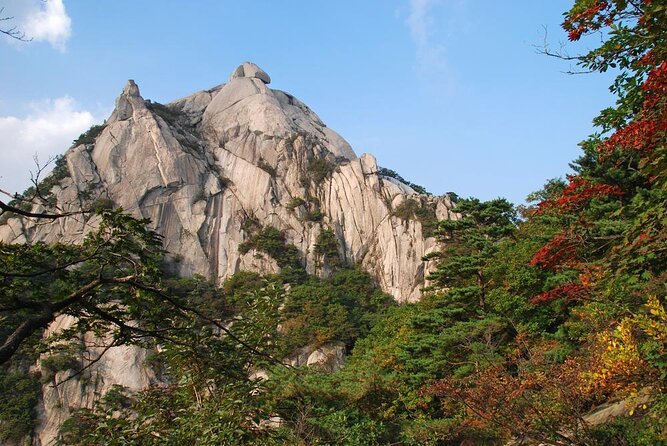
- Gugi-dong course: One of the most commonly used routes by Koreans, with about two hours on a relatively easy trail
- Seunggasa temple: A Buddhist site with a 1,000-year history and lady monks staying at the temple
- Private guide flow: Commentary throughout, plus a pace geared to your group
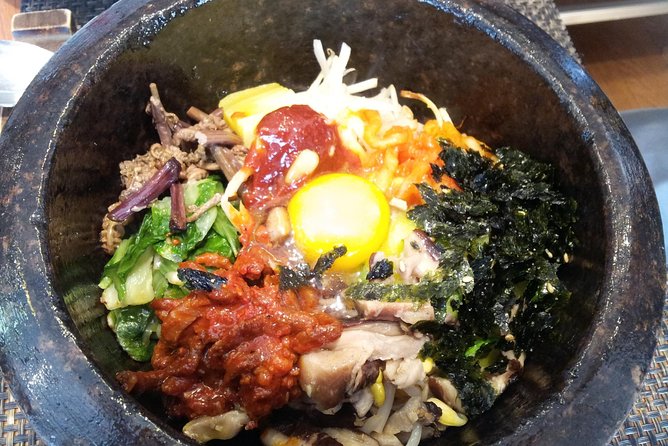
- Real Korean lunch: Lunch is included at a local downtown restaurant near the Bukhansan area
- Korean spa reality: A jimjilbang-style sauna stop to cool down and recover after the hike
- Comfort-first transport: Pickup offered and air-conditioned rides for a smoother day
Why Bukhansan works so well when you want one “good day”
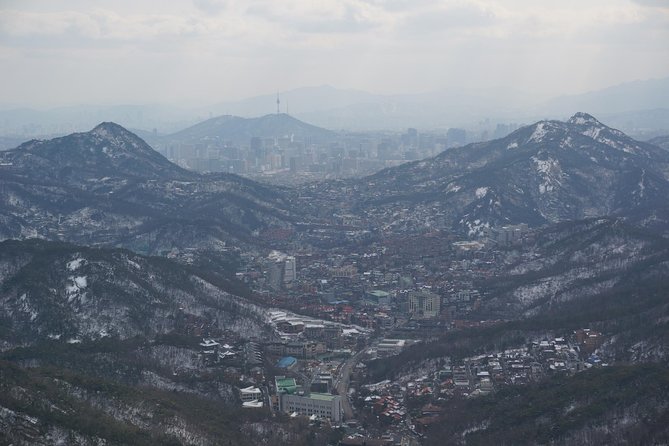
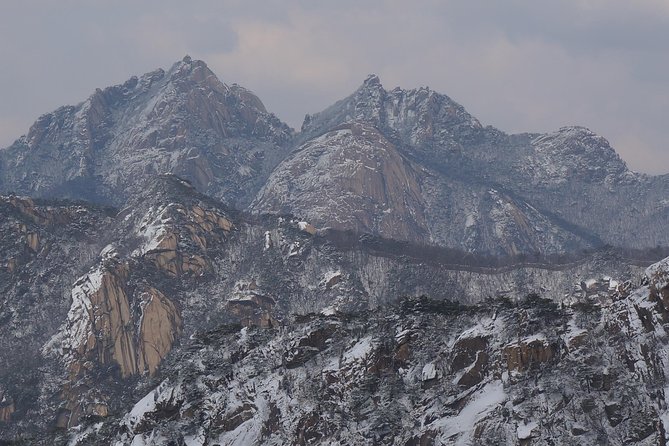
Bukhansan National Park sits right next to Seoul, so you don’t have to treat this like an all-day escape into the countryside. You’re trading city noise for rock, pines, and temple stops without spending hours traveling each way. That close-by location is a big part of why this day combo is such a practical win.
I also like the structure. You hike for roughly two hours, you reach a peak-area temple, and then you do the classic Korean reset: food and spa. It’s the opposite of trying to squeeze five activities into one evening.
The private format matters, too. Instead of herd pacing, you get a guide who can talk through what you’re seeing and keep the day comfortable for your group.
You can also read our reviews of more tours and experiences in Seoul.
The Gugi-dong hike: what two hours actually feels like
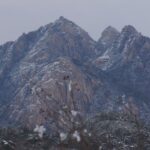
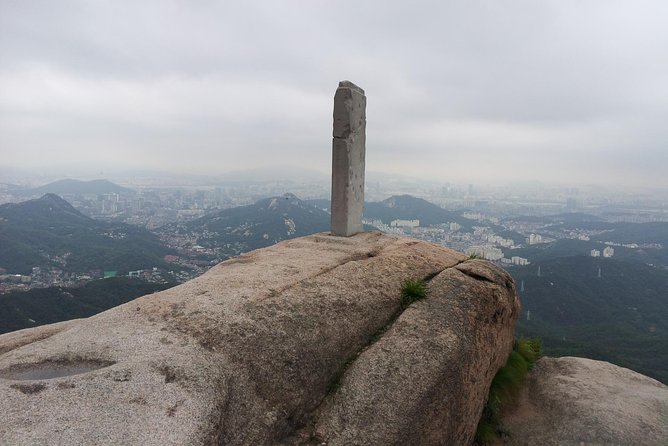
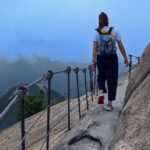
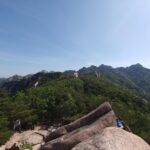
This tour hikes to the Bukhansan Gugi-dong course, where Koreans commonly go. The “relatively easy” label is helpful, but don’t treat it like a flat nature walk. On the ground, you should expect incline and stairs, and you’ll be navigating rocks in places.
A few practical notes from how the day tends to run:
- Plan for about two hours of hiking time on that course.
- Some routes can feel steeper than the wording suggests, especially if it’s warm or if you’re new to mountain trails.
- One guide-led version of this hike has been described as roughly 3 miles with around 600 feet of elevation gain, plus a mix of rocky sections and stair climbing.
If you’re the type who hates being underprepared, pack like it’s real hiking. Wear walking shoes with grip. Bring water. In one case, someone even called out that water matters a lot if you’re not used to the heat. Also consider a light layer you can manage as the temperature shifts between shaded sections and open views.
Seunggasa at the peak: Buddhism stories you can actually use
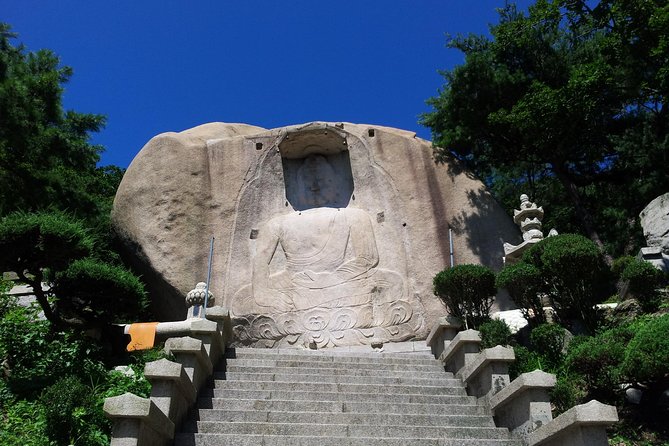
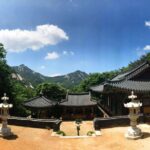
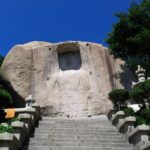
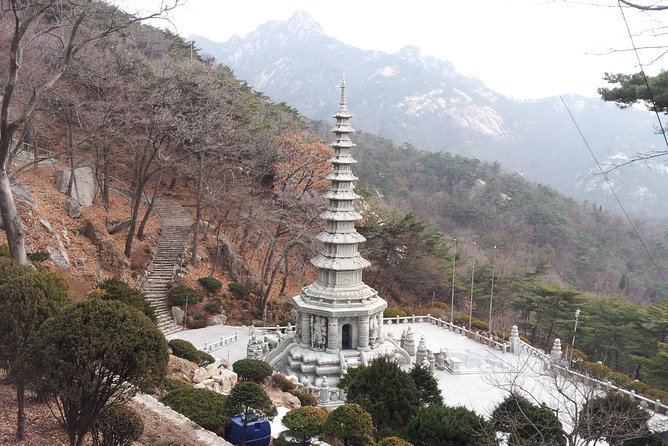
The temple stop is the cultural anchor of the day: Seunggasa. The key details are:
- It’s a Buddhist temple with a 1,000-year history
- Lady monks stay at the temple
That changes the feel from a quick photo stop to a moment with context. Your guide explains the story of Korean Buddhism and why the mountain setting matters. Even if you don’t know anything going in, you’ll leave with a clearer sense of how faith, daily life, and landscape connect in Korea.
One more thing I appreciate: this isn’t a “museum script.” It’s place-based learning. You’re hearing the background while you’re standing where the history unfolds, so the story lands faster than reading a plaque.
Lunch after the hike: local comfort, not tourist leftovers
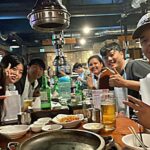
After hiking, you eat Korean lunch in the downtown area near Bukhansan. The goal is simple: fuel up without turning the meal into a long detour.
This is one of the parts that consistently lands well. People describe the lunch as delicious and homestyle-feeling, which is exactly what you want after a mountain morning. If you’re hungry, you’ll be glad lunch is included rather than left to your own search-and-guess plan.
If you have dietary needs, this is a good tour to communicate them clearly to your guide ahead of time. Your guide is there to manage the day flow, and that includes getting the right kind of meal.
Korean spa time: how to enjoy jimjilbang without awkward surprises
The finish is a Korean-style sauna/spa (often called jimjilbang). The best way to think about it: it’s not just a hot bath. It’s a recovery room, a reset space, and a cultural experience all at once.
Here’s what to expect, based on what people highlighted:
- It’s relaxing after hiking. That recovery time is a real part of the value.
- There may be a body-scrub style interaction. Some spa staff may prompt customers to participate.
- Staff behavior can lean on gestures and timing more than English explanations.
So go in with the right mindset. If someone nudges, gestures, or points, follow along. You don’t need to be fluent to participate politely. And if you’d rather avoid body-scrub style routines, you can try to communicate your comfort level calmly as best you can once you’re there.
The upside: people call out the spa as a unique experience compared with what they’ve seen at home. It’s a memorable end to a hiking day, not just a place to kill time.
Price and value: what $182 gets you (and why it’s not just a hike)
At $182 per person, the math only makes sense if you’re using all the included pieces:
- private guide for the hike and temple context
- pickup and air-conditioned transportation
- Korean lunch during the outing
- access to the Korean spa portion
If you were to book those separately—transport, guided hike, lunch, and a spa entry—costs can add up fast. The private structure also helps you avoid wasted time, like searching for the right trailhead or figuring out a temple route once you’re already tired.
Also, this kind of tour is usually easier to manage than DIY. You’re not trying to coordinate timing, meal locations, and spa schedules after you’ve already climbed. That alone can be worth a lot, especially if it’s your first time hiking in Korea.
Who this tour suits (and who might find it a mismatch)
This is a strong fit if you:
- want a nature + culture day rather than a city-only itinerary
- enjoy hiking but don’t want a long, all-day endurance test
- like having a guide explain what you’re looking at
- want an included spa stop to recover
It may feel less ideal if you:
- have very limited mobility or dislike stairs/rocky sections
- hate unpredictable interaction in spa settings (especially if you don’t want any body-scrub style involvement)
- need a strictly “easy walk” with no elevation changes
A couple of people also mentioned that the hike isn’t truly “flat,” even though the course is described as relatively easy. So think “manageable mountain day,” not “stroll.”
Guides: the conversational part of the experience
One of the best parts of this tour is how the guide fills the gaps between views. Names like Benny, Chance Kim, Jimmy, and Sophia have been mentioned as guides who shared stories and answered questions, including cultural and even pop-culture angles.
That matters because Bukhansan is scenic on its own. The guide’s job is to make the day feel like a Seoul-to-nature story with meaning, not just a workout and a temple stop.
If you’re traveling solo, the private format also tends to make you feel less like you’re tagging along and more like you’re part of the plan.
Should you book this Bukhansan + spa day?
If you want one day that gives you mountain views, temple context, a proper Korean meal, and a recovery spa—yes, this is the kind of plan that’s hard to beat. The included transport and spa portion make it especially appealing if you’d otherwise hesitate to do the hike plus logistics on your own.
I’d book it if:
- you can handle stairs and incline
- you’re excited by a cultural temple stop tied to Korean Buddhism
- you’ll enjoy the relaxation payoff at the end
I’d rethink it if:
- you want a super-easy walk with minimal effort
- you’re uncomfortable with spa-style interactions and scrub routines
- you’re strictly avoiding any uncertainty
If you’re considering it for a specific date, plan ahead. And if your plans shift, you can cancel for a full refund up to 24 hours before the start time.
FAQ
How long is the whole tour?
The total duration is about 7 hours.
How long is the hike on Bukhansan?
The hike includes about two hours along the Gugi-dong course.
Which hiking route does the tour use?
It uses the Bukhansan Gugi-dong course, a popular route Koreans often hike.
What temple do you visit?
You visit Seunggasa, a Buddhist temple with a 1,000-year history.
Are lady monks part of the temple experience?
Yes. Seunggasa is described as a temple where lady monks stay.
Is lunch included?
Yes. You’ll have a traditional Korean lunch at a local restaurant near Bukhansan.
Is there a spa or sauna included?
Yes. After lunch, the tour includes a Korea-style sauna for refreshing.
Is this tour private?
Yes. It’s a private tour/activity, and only your group participates.
What fitness level do I need?
A moderate physical fitness level is recommended.
What should I wear?
Wear comfortable dress and walking shoes.
Do you offer pickup?
Pickup is offered.
Can children join?
Children over 8 years must be accompanied by an adult.