REVIEW · KATHMANDU
Kathmandu: Nagarkot Sunrise & Hiking Trip
Book on GetYourGuide →Operated by Cordial Trek Pvt. Ltd. · Bookable on GetYourGuide
The sun is a reason to set your alarm. This Nagarkot morning trip pairs a dawn Himalayan viewpoint with a real hike through villages and forest, ending at the revered Changu-Narayan Temple.
What I like most is the way the day is built around that early light and clear-sky potential. You get Nagarkot View Tower panoramas for the sunrise moment, plus the chance to catch Mount Everest when visibility cooperates.
One thing to plan for: weather. If clouds roll in, the sunrise and Everest odds drop fast, and in winter the viewpoint can be cold enough that you’ll want real warm layers.
In This Review
- Quick hits before you go
- Nagarkot Sunrise: Why 4–5 AM Actually Makes Sense
- Everest in the Distance: How to Improve Your Odds
- The Early Drive and Nagarkot View Tower Wait
- The 3-Hour Hike: Villages, Farms, and Forest Paths to Changu Narayan
- Changu Narayan Temple: What You’re Actually Seeing
- Pace, Fitness, and What to Wear (Especially in Winter)
- Private Vehicle, English Guide, and What’s Included (and What Isn’t)
- Price and Value: Why This One Feels Like a Bargain
- Who This Trip Suits Best (and Who Should Skip It)
- Should You Book This Nagarkot Sunrise and Changu-Narayan Day?
- FAQ
- What time do you leave Kathmandu for Nagarkot?
- How long is the trip from Kathmandu to Nagarkot?
- Is there a chance to see Mount Everest?
- How long is the sunrise viewing?
- How long is the hike, and what’s it like?
- Can I skip the hike and go directly to the temple?
- What will I see at Changu-Narayan Temple?
- What’s included in the price?
- What should I bring, and is luggage allowed?
Quick hits before you go
- 04:30–04:45 AM departures to catch first light over the peaks
- 1.5-hour drive from Kathmandu to Nagarkot on the valley rim
- Possible Mount Everest sighting on clear mornings (bring binoculars)
- About 3 hours of hiking through villages and forest downhill
- Changu-Narayan Temple (4th-century UNESCO) with guided viewing and carvings
Nagarkot Sunrise: Why 4–5 AM Actually Makes Sense
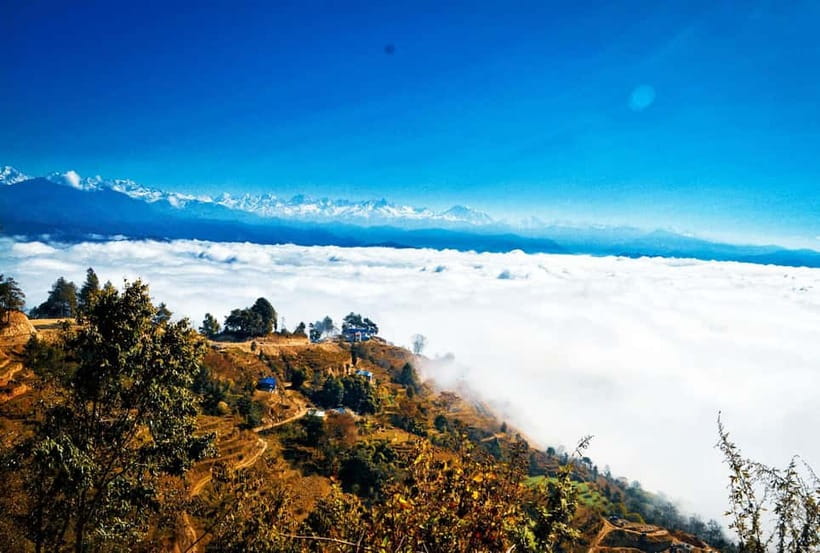
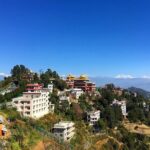
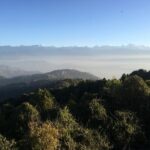
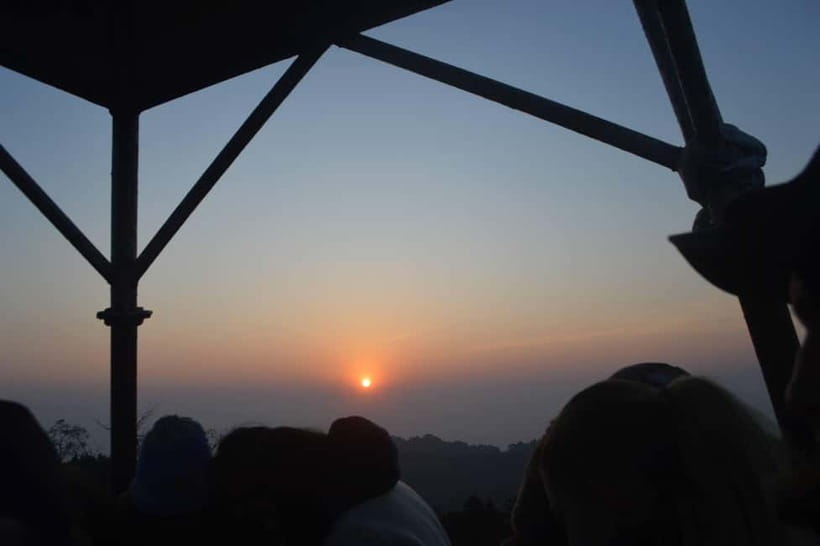
Nagarkot sits on the rim of the Kathmandu Valley, so it’s one of the easiest places to get above the haze and watch the mountains wake up. You’re picked up in Kathmandu and set on the road early enough that you’re still half-asleep when the sky starts changing color.
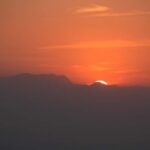
That sunrise is not just pretty; it’s the main event because light reveals detail. With the Himalayas, the difference between flat grey cloud and a clear line of sight can mean the difference between a nice view and that once-in-a-while Everest moment.
I also like that the plan is efficient. The day feels full—sunrise first, then a hike, then a meaningful temple stop—so you’re not wasting time sightseeing just to fill hours.
You can also read our reviews of more tours and experiences in Kathmandu.
Everest in the Distance: How to Improve Your Odds
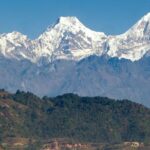
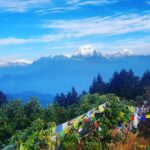
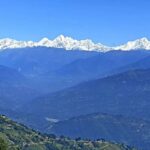
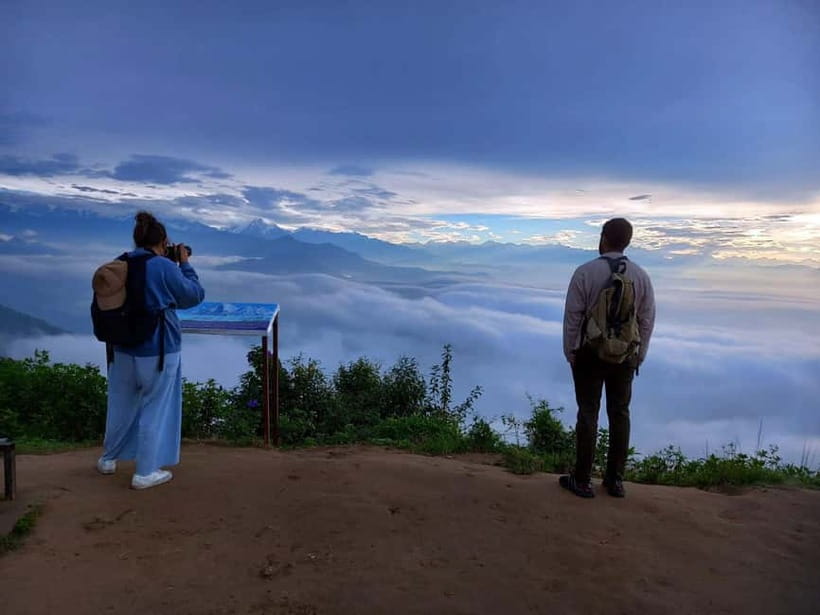
Mount Everest is not guaranteed. The trip is built around a simple reality: on clear mornings, the distant summit can show up on the horizon from Nagarkot.
Bring binoculars if you have them. Even without a clear Everest, binoculars help you identify how the ridgelines stack up once the first light hits, and it makes the long, quiet waiting time at the viewpoint more productive.
Also, aim for patience at the top. That hour for sunrise can feel long when you’re waiting for the sky to commit, but it’s exactly when clouds either burn off or don’t. If you’re used to instant gratification tours, this one trains you to slow down for a real payoff.
The Early Drive and Nagarkot View Tower Wait
After pickup in Kathmandu, you’ll ride about 1.5 hours to Nagarkot with a guided start to the morning’s rhythm. On the way, you’re moving from city life toward that high-rim viewpoint where the first light has room to spread.
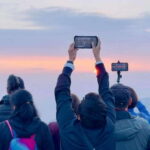
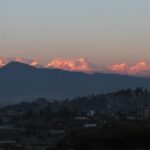
When you arrive, you’ll have time at the Nagarkot View Tower to watch the sunrise happen. This is when the peaks go from suggestion to shape, and you get that panoramic feeling people chase across Nepal.
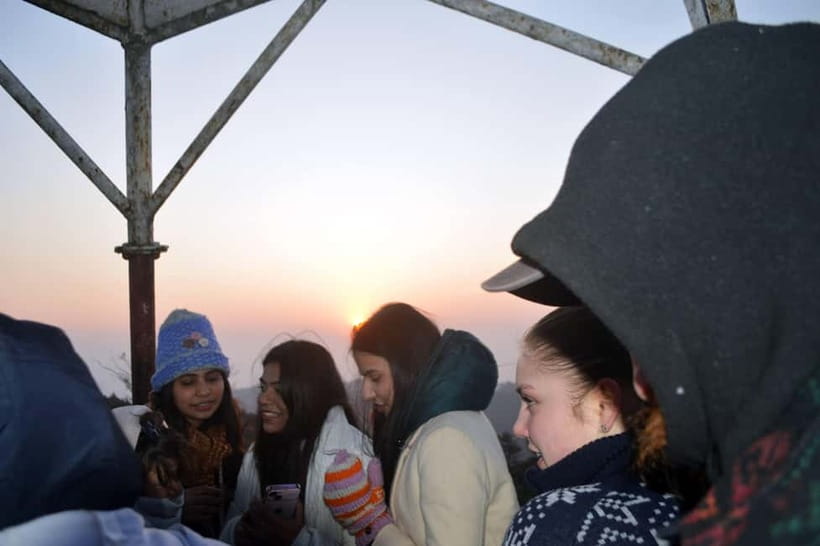
In winter, the viewpoint can run colder than you expect. One traveler noted the lookout area is at over 2,000 meters, so winter visitors should pack more than a light jacket—think warm layers you can stand still in, not just something for photos on the move.
The 3-Hour Hike: Villages, Farms, and Forest Paths to Changu Narayan
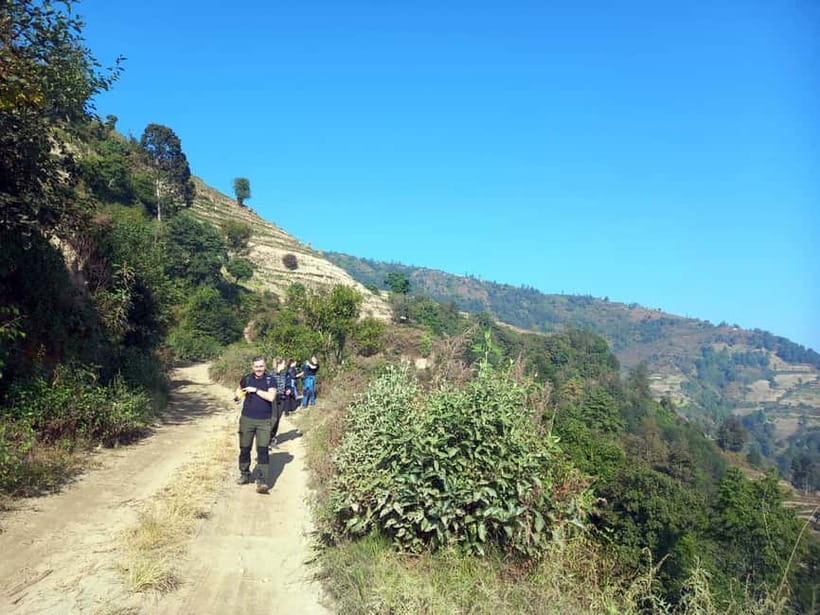
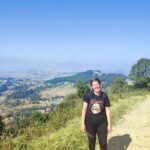
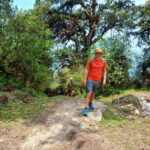
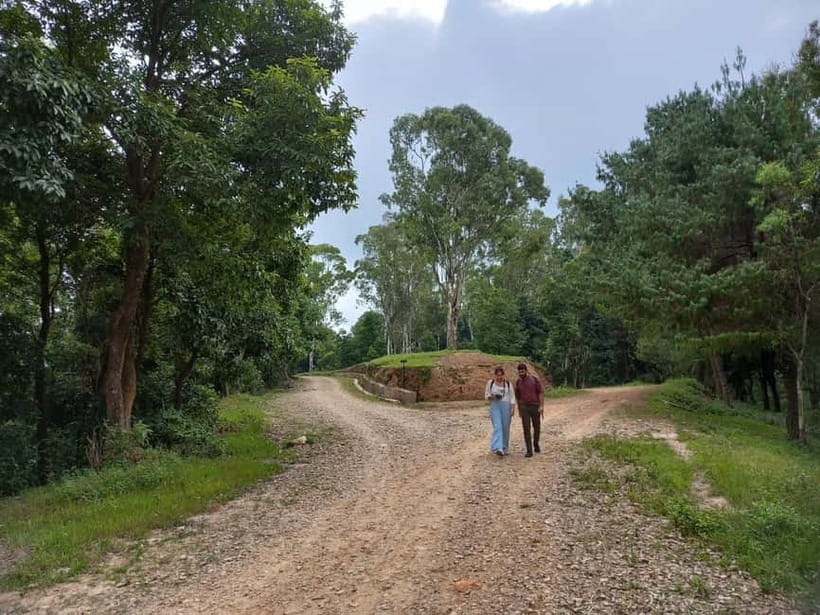
After sunrise, the day shifts from waiting to walking. The hike is about 3 hours and is designed to go down through traditional villages and verdant forest toward the Changu-Narayan area.
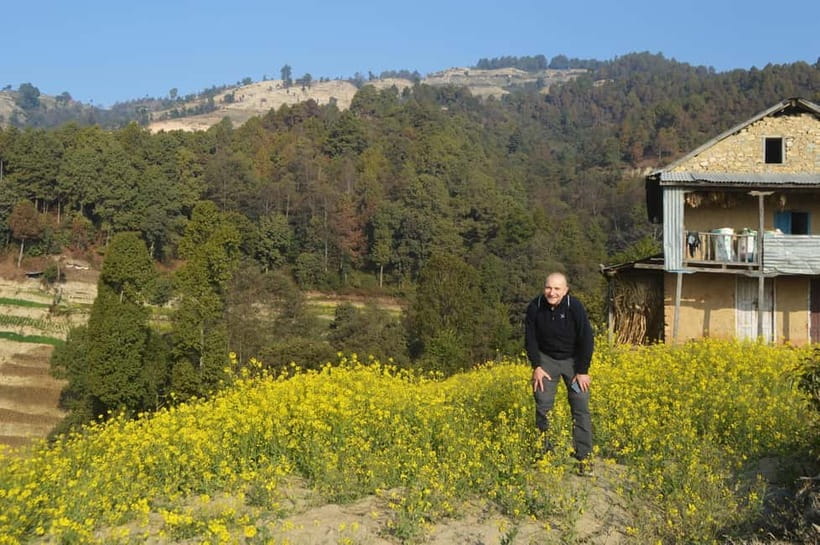
This part is valuable because it shows a Nepal that’s not only temples and trekking peaks. You pass everyday scenes—home life, fields, and the kind of local farming settings you don’t see from inside Kathmandu—so the day becomes more than a single scenic snapshot.
The trail style is also a practical fit for many people. One traveler described it as basically downhill and said that in dry conditions, sneakers can work. Still, hiking shoes make sense because mornings can be cool and paths can be uneven, and you’ll move for hours.
If you prefer a slower day, there’s an option to take a comfortable car transfer directly to the temple. That keeps you in the plan without forcing you to walk the entire route.
Changu Narayan Temple: What You’re Actually Seeing
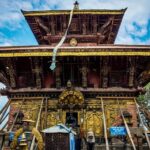
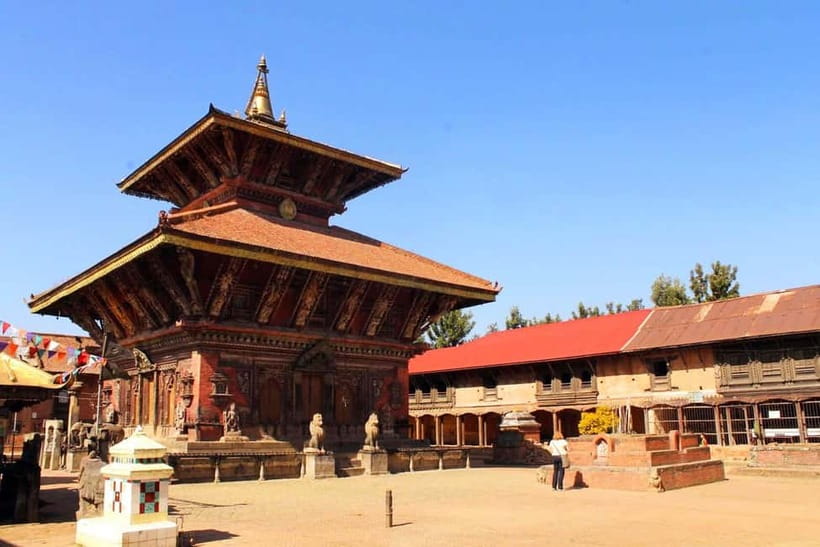
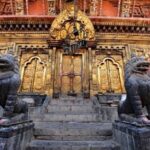
Changu-Narayan Temple is the cultural anchor of the trip. It’s a 4th-century UNESCO World Heritage site dedicated to Lord Vishnu in his Narayan form, and it’s known for ancient inscriptions and carvings.
The guided visit is about more than admiring old stone. You’ll learn how to read the temple details—where the carvings came from, why the site matters, and how the artistic and religious elements connect. The temple is famous for being old and revered, and your guide will help you notice what you’d otherwise skip.
One practical note: the temple can feel more colorful and distinctive than other Nepal temple experiences people compare it to. If you’ve seen palace-temple styles before, Changu-Narayan brings a different look that’s worth paying attention to up close.
Pace, Fitness, and What to Wear (Especially in Winter)
This is a short-day tour, but it’s not a “sit the whole time” plan. You have sunrise waiting time, then around 3 hours of hiking, plus temple walking and guided stops.
Fitness-wise, it suits people who can handle a moderate effort for a few hours. One participant specifically said the hike was suitable for moderate fitness, and another noted the route trends downhill, which usually reduces strain compared with steep climbs.
Your biggest physical variable is weather and footing. In winter, you’ll likely feel the cold more at the viewpoint and early morning waits, even if the hike itself warms you up. Dress in comfortable layers you can adjust, and choose shoes that let you trust your step.
You’ll also want to travel light. Luggage or large bags aren’t allowed, so plan for a small camera bag or daypack. This keeps things smooth with the vehicle and during viewpoint/temple movement.
Private Vehicle, English Guide, and What’s Included (and What Isn’t)
This tour gives you a lot without requiring you to coordinate much. In the package, you get pickup and drop, a private air-conditioned vehicle, an experienced English-speaking live guide, bottled drinking water, and monuments entrance fees.
That matters for value in Nepal, where the cost of a driver plus guide time plus entrance fees can add up quickly on your own. Also, the trip includes express security help so you can avoid unnecessary delays at security checkpoints.
What’s not included is straightforward: meals and personal expenses. That’s normal for a 6-hour program, but it does mean you should plan a snack or plan to eat after you return to Kathmandu.
I also like the guide factor here. More than one person highlighted guide quality, including one named Raj Tamang, praised for being patient, helpful, and even good with photography. When sunrise and a timed temple visit are the focus, a guide who can read timing and help you get the shot matters.
Price and Value: Why This One Feels Like a Bargain
The listed price is $3.58 per person for a 6-hour experience, and that’s striking when you look at what’s included: private air-conditioned transport, guided sunrise viewpoint time, an English guide for the hike and temple, bottled water, and entrance fees.
Even if you treat that price as a promotional rate, the structure is still what you’d want for value: you pay for logistics handled for you and for the cultural stop done with guidance. Sunrise tours can easily turn expensive when you add multiple transfers, pay separate guides, and cover entrance fees—this bundles those pieces.
The main cost you pay that isn’t in the listing is your early wake-up time and whatever you spend for food. But you get to turn that early start into both nature and culture in one day, not just a single viewpoint visit.
Who This Trip Suits Best (and Who Should Skip It)
This works especially well for you if you want a high-impact morning in a short window. It’s a good pick if you like sunrise viewing, don’t mind early starts, and want a hike that mixes rural life with forest scenery.
It’s also a smart option if you’re short on days in Kathmandu but still want something beyond city sightseeing. The day moves from mountains to temple, giving you a wider slice of what Nepal can feel like.
It’s not suitable for people with mobility impairments. The hike component and the temple area make it difficult under the tour’s operating constraints, so if you need step-free access, you’ll want a different format.
Should You Book This Nagarkot Sunrise and Changu-Narayan Day?
Book it if you can handle an early start and you’re okay with the weather being the biggest wildcard. This tour is built for the moment when clouds open just enough for the peaks, and on those mornings you get that rare chance of an Everest sighting.
Skip it or choose an alternate plan if your schedule is tight and you hate uncertainty. Sunrise is always subject to fog and cloud, and one traveler also noted the guide’s pace can be faster at times—so if you need a very slow walking rhythm, speak up early.
If you want a day that mixes a mountain morning with a meaningful ancient temple visit, this is a strong way to spend your Kathmandu time—simple logistics, private transport, and a hike that gives you a Nepal you can feel in your legs, not just in your photos.
FAQ
What time do you leave Kathmandu for Nagarkot?
In summer, departure is at 04:30 AM. In winter, departure is at 04:45 AM.
How long is the trip from Kathmandu to Nagarkot?
The drive to Nagarkot is about 1.5 hours.
Is there a chance to see Mount Everest?
Yes. On clear mornings, Mount Everest may be visible from Nagarkot.
How long is the sunrise viewing?
The sunrise portion is about 1 hour at Nagarkot.
How long is the hike, and what’s it like?
The hike is about 3 hours and follows trails through villages and forests as you descend toward Changu-Narayan.
Can I skip the hike and go directly to the temple?
Yes. For those who prefer a more leisurely journey, a car transfer to Changu-Narayan Temple is available.
What will I see at Changu-Narayan Temple?
It’s a 4th-century UNESCO site dedicated to Lord Vishnu in his Narayan form, with ancient inscriptions and carvings, visited with a guided tour.
What’s included in the price?
Pickup and drop, a private air-conditioned vehicle, an experienced English guide, bottled drinking water, and monuments entrance fees.
What should I bring, and is luggage allowed?
Bring a camera and hiking shoes, plus comfortable clothes. Luggage or large bags aren’t allowed.