REVIEW · KATHMANDU
Kathmandu Shivapuri National Park and Nagarkot Hiking – 3 Days
Book on Viator →Operated by Trekking Guide Team Adventure · Bookable on Viator
Three days from Kathmandu feels like a switch. This Kathmandu Shivapuri National Park and Nagarkot hike is built around big mountain views and hands-on walking through rural Nepal. You spend time in the park’s jungle and villages, with chances for sunrise/sunset scenery and wide looks toward the Langtang region.
What I like most is how the route mixes nature with culture in a short time window. You also get an English-speaking trekking guide and food included during the trekking days, so you’re not guessing your day-to-day basics. One thing to consider: the listing price does not include the Shivapuri National Park fees, so you’ll want to budget for those on top of the $350.
In This Review
- Key Highlights You’ll Actually Care About
- Shivapuri and Nagarkot in 3 Days: What Makes It Worth Your Time
- How Hard Is It, Really? The Pace You Should Expect
- The Kathmandu Start: Pickup, Timing, and Your First Real Direction
- Day 1: From Temple Stops Toward Shivapuri’s Green Hills and Views
- Day 2: Langtang-Region Scenery and Village Life on the Way to Nagarkot
- Day 3: Nagarkot Timing and the Hilltop Finish at Changu Narayan
- What You’ll Get Included (and What You’ll Need to Plan Separately)
- Price and Value: Is $350 a Good Deal for This Trek?
- Who This Trek Suits Best (and Who Might Want a Different Plan)
- Should You Book This Kathmandu to Nagarkot Hiking Trip?
- FAQ
- How long is the Kathmandu Shivapuri and Nagarkot hiking experience?
- Is the hike difficult?
- Does the price include meals during the trek?
- Are park fees included in the $350 price?
- Is pickup from Kathmandu included?
- Is there a guide?
- Is the tour private?
- FAQ
- Can I cancel for a full refund?
Key Highlights You’ll Actually Care About
- Easy short trek: designed as an accessible option for a limited number of days
- Sunrise/sunset mountain views: built into the timing, not just a marketing promise
- Shivapuri National Park walking: plant and animal habitat plus a real forest feel
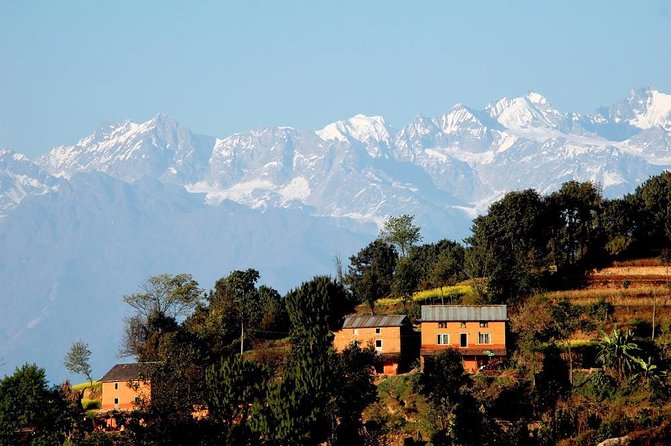
- Chisopani as a view-and-village stop: terraces, snow-capped panoramas, and Nepali village life
- Nagarkot and Changu Narayan combo: viewpoints plus an old hilltop temple finish
- Pickup + private group: you don’t have to coordinate with strangers
Shivapuri and Nagarkot in 3 Days: What Makes It Worth Your Time
If you’re staying in Kathmandu and you want to feel like you’ve escaped the city without committing to a long trek, this is a strong fit. Shivapuri National Park sits on the northern fringe of the Kathmandu Valley, in Nepal’s mid-hills. It’s named after Shivapuri Peak (2,732 m / 8,963 ft), and the area is known for more than five hundred native species of plants and animals.
The reason this works is simple: the hike is short, but it’s not just a walk from point A to point B. The route keeps returning you to the bigger picture—mountain views, forest trails, and village life—while still ending with culture at the end of the descent.
And if you’re the kind of traveler who likes scenery plus context, you’ll appreciate that the trip includes historical and religious sites along the way. You don’t just pass temples. You hit them at logical moments in the journey, like a calm pause before the next stretch of hiking.
You can also read our reviews of more tours and experiences in Kathmandu.

How Hard Is It, Really? The Pace You Should Expect
This hike is rated easy. That matters, because “easy” in Nepal usually means the route is manageable for most people as long as you’re comfortable walking for sustained periods. It’s also listed as a short-trip option, so the days aren’t trying to be heroic endurance days.
That doesn’t mean it’s effortless. You should still expect hill walking, changing weather, and a steady rhythm. Since the experience includes sunrise and sunset views, you’ll likely face early starts at least some mornings or late evenings at vantage points. If you hate mornings, plan for a grumpy phase and then let the views do their job.
The “good news” for many travelers is that you’re not doing this solo. You’ll have an English-speaking trekking guide with you throughout the trekking portion. That support usually translates into smoother pacing and less stress about route choices and timing—especially on forested parts of the hike where it’s easier to lose the thread if you’re on your own.
The Kathmandu Start: Pickup, Timing, and Your First Real Direction
The trip includes pickup offered, and it runs within defined opening hours: Monday through Sunday, 7:15 AM to 5:15 PM. That’s a helpful detail because it tells you this isn’t a midnight departure situation. It’s structured enough that you can plan your Kathmandu day without gambling on logistics.
There’s also mention that it’s near public transportation. Practically, that can be reassuring if your hotel is far from the usual tourist pickup zone. Still, I’d treat pickup as the main plan and use public transit only as a backup option if you’re coordinating tightly.
You’ll also get a mobile ticket. For Nepal trips, that can be a real convenience—less paper, faster check-in—especially if you’re bouncing between sightseeing plans and trekking.
Day 1: From Temple Stops Toward Shivapuri’s Green Hills and Views
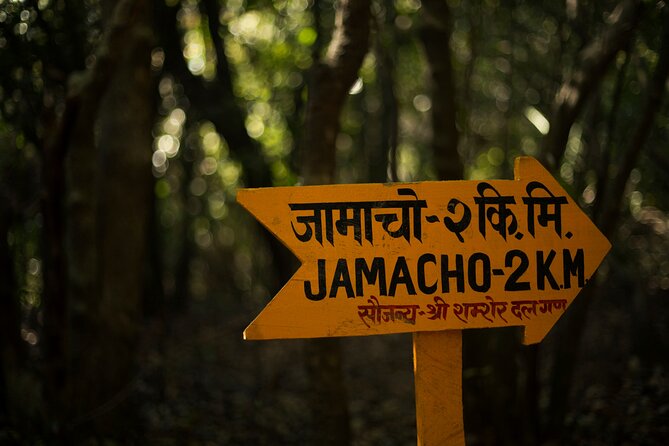
Your route starts by moving out of Kathmandu toward the national park area. One named cultural stop along the way is Budhanilkantha Temple. This is the kind of detour that adds meaning without derailing your trek. It gives you a first taste of Nepal’s religious landscape before you swap roads for trails.
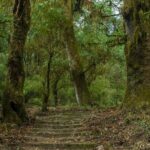
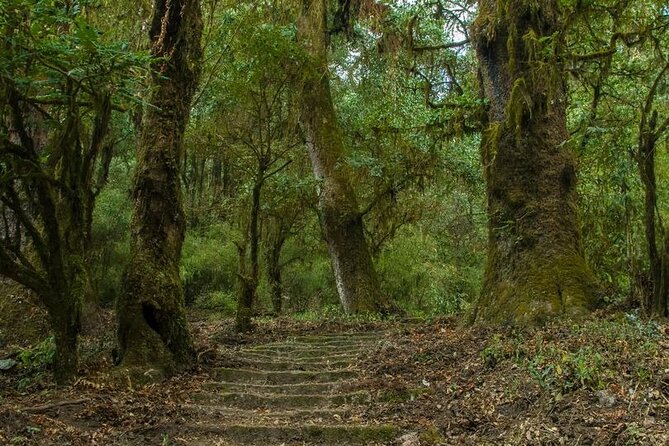
Once you’re in the hiking flow, you’re walking through Shivapuri National Park. This is the part that feels most different from a city day. The park is described as having a strong mix of native plants and animals, and you’ll experience that “you’re actually in the hills now” feeling as the scenery turns greener and more enclosed.
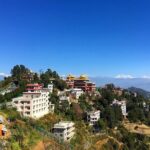
As you head toward Chisopani, the scenery shifts again. You can look forward to snow-capped mountain views, green hill terraces, and national park jungle with Nepali village life. Chisopani matters because it’s both a view stop and a lived-in community. You’re not just looking at the mountains; you’re also seeing how people farm and live on the slopes.
Day 2: Langtang-Region Scenery and Village Life on the Way to Nagarkot
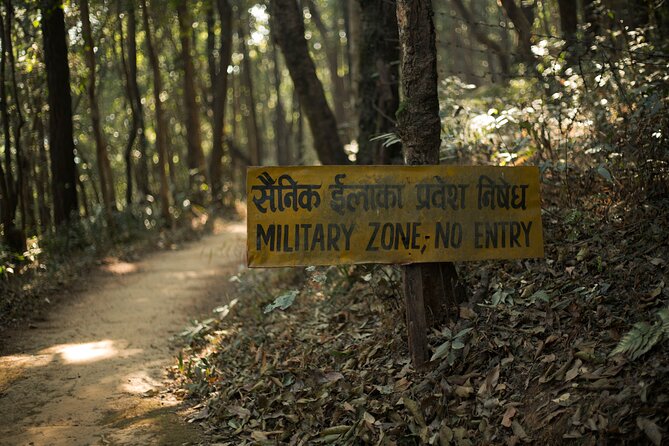
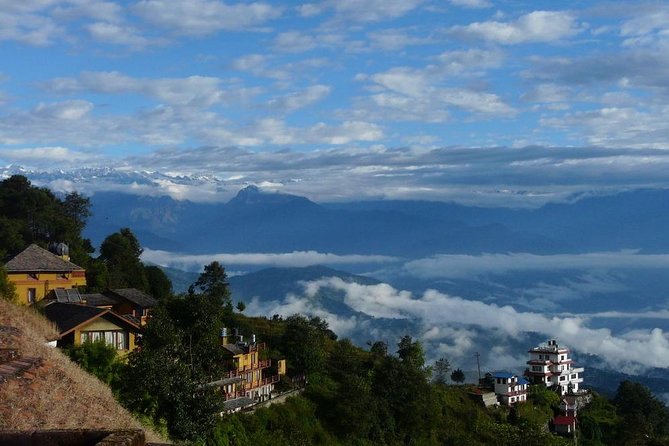
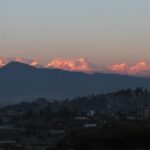
Day 2 is where the trip starts to feel like a real Himalayan story rather than a sequence of checkpoints. The experience is designed around mountain views that include the Langtang region, and the overall package description also references wide looks that can include Mount Everest, Annapurna, Manaslu, and Langtang depending on conditions and viewpoints.
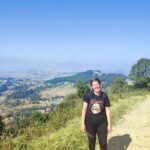
In practical terms, what you’re chasing is visibility. On clear days, vantage points and open stretches can give you big panoramas. On hazier days, you’ll still get a sense of the geography through layers of hills and valleys, just with less skyline clarity.
This is also where the trip leans into rural life. You’re trekking through the national park and moving through villages, and the “style” of what you see becomes more grounded. You notice terraces, paths, and local rhythm. It’s not a museum walk; it’s day-to-day Nepal in motion.
The route description also calls out that the village area acts as a gateway to Langtang Gosainkunda and Nagarkot. That’s useful context. It tells you this area isn’t random. Nagarkot is a known viewing point regionally, and the trek is building toward that last big scenery phase.
Day 3: Nagarkot Timing and the Hilltop Finish at Changu Narayan
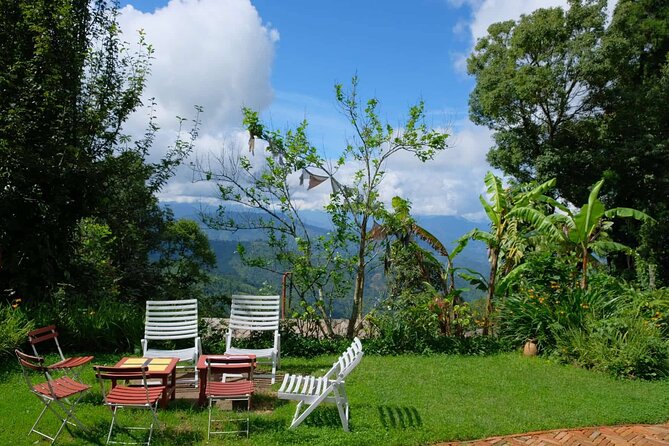
The final day is structured around a downhill ending, which is great news for anyone whose knees don’t love long descents. The route description is clear that trekking down from Nagarkot leads you to Changu Narayan.
Nagarkot is tied to the experience through the promise of sunrise/sunset views and broad mountain viewing. Even if you don’t get crystal-clear skies, the timing concept is consistent: you’re moving toward viewpoints when light helps the mountains show up.
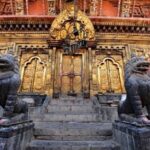
Then you finish with Changu Narayan temple, located on top of a hill. This temple is described as one of Nepal’s oldest, and the surrounding village is noted for showing detailed medieval architecture. That’s a rare combo in a short trek: you get the physical effort first, then a culture payoff that feels grounded and old.
This ending also helps you mentally. Instead of ending in another busy neighborhood, you end where the view and the temple sit together. It’s a satisfying “close” to a trek that’s been about scenery plus meaning.
What You’ll Get Included (and What You’ll Need to Plan Separately)
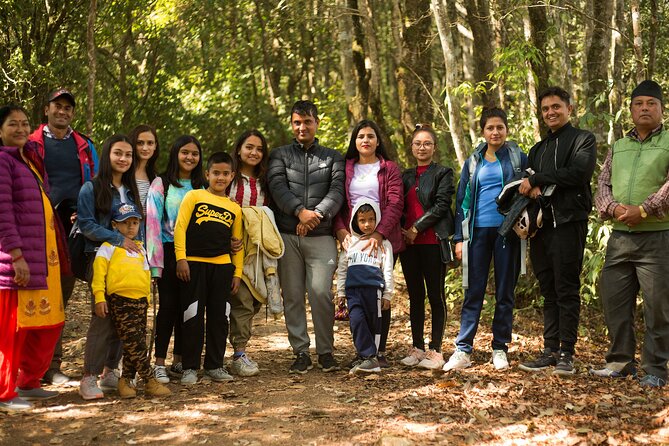
From a value standpoint, the included package is fairly clear. It covers:
- 2 Night 3 Days accommodation
- 2 Nights / 3 Days trekking
- Transportation plus breakfast, lunch, and dinner during the trekking days
- One English-speaking trekking guide
- Pickup offered
- Mobile ticket
This matters because food and lodging are often where “cheap” trekking packages start turning into expensive ones. Here, you’re not left to figure out meals every day. It also reduces the common worry of trekking in Nepal: Will I know what to do, where to go, and how to get meals if weather changes? A guide and included planning usually helps.
What’s not included is just as important:
- Bar bills
- Insurance
- Tips for guide and driver
- Your arrival and departure transport in Kathmandu
- Shivapuri National Park fee: 10 USD per person
- Admission fee: 10 USD per person
That last part is the one to double-check. The data lists both a Shivapuri National Park fee and an admission fee, each at $10 per person. Your total could be $20 beyond the base price, or one of these could be the same charge described differently. Either way, plan on extra spend for park-related charges so you don’t get surprised later.
Price and Value: Is $350 a Good Deal for This Trek?
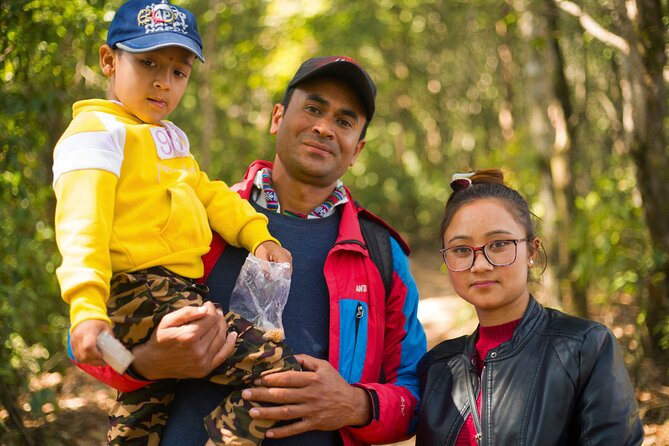
At $350 per person for a 3-day experience, you’re paying for more than just walking. You’re paying for guided trekking, meals, and the accommodations across the trip.
Here’s the practical way to judge the value:
- If you were to assemble a guide + meals + lodging + inter-area transport on your own, the cost would often rise fast—especially once you factor in time and coordination.
- This trip is designed as an easy, short countryside escape. That usually means you’re not spending weeks arranging logistics, and you can still get meaningful scenery and culture.
- The mountain-view component (including sunrise/sunset) is a big driver of satisfaction for many hikers. Being in the right spots at the right time costs money in coordination and scheduling, and that’s part of what you’re buying.
So is $350 fair? For many travelers looking for a structured 3-day countryside trek with food, guide support, and viewpoints, it likely feels reasonable. The biggest “value leak” isn’t the base fee—it’s the extra Shivapuri park fees and tips, which aren’t included.
Who This Trek Suits Best (and Who Might Want a Different Plan)
This is a good match if you:
- Want an easy, short trek starting from Kathmandu
- Care about mountain views but don’t want a long multi-week commitment
- Like the idea of mixing nature with cultural stops (temples and village architecture)
- Prefer a private group experience with a guide and included meals
It may be less ideal if you:
- Want a very long or very physically demanding trek. The hike is explicitly described as easy and short-term.
- Need everything to be fully “all-in.” Park fees and tips are not included, so you’ll do some mental accounting.
Should You Book This Kathmandu to Nagarkot Hiking Trip?
I’d book it if you want a practical 3-day way to get into the hills. The combination of Shivapuri National Park walking, Chisopani views, Nagarkot sunrise/sunset timing, and a temple finish at Changu Narayan gives you variety without turning it into a marathon.
It’s also a smart booking if you’re time-limited in Kathmandu. You get countryside immersion, not just a single day trip, and you still return with a real sense of place—forest, terraces, villages, and old religious sites.
The only reason to pause is cost creep from park fees and tipping. If you’re okay budgeting for those extras, this is the kind of short hike that can genuinely refresh your trip.
FAQ
How long is the Kathmandu Shivapuri and Nagarkot hiking experience?
It runs for about 3 days with 2 nights of accommodation included.
Is the hike difficult?
The hike is described as easy, making it suitable for many people looking for a short trip in Nepal.
Does the price include meals during the trek?
Yes. Breakfast, lunch, and dinner are included during the trekking portion.
Are park fees included in the $350 price?
No. The Shivapuri National Park fee and the Shivapuri National Park admission fee are both listed as not included, each at $10 per person.
Is pickup from Kathmandu included?
Yes, pickup is offered.
Is there a guide?
Yes. The tour includes one English-speaking trekking guide.
Is the tour private?
Yes. It’s a private tour/activity, and only your group participates.
FAQ
Can I cancel for a full refund?
Yes. Free cancellation is available, with a full refund if you cancel at least 24 hours before the experience’s start time.