REVIEW · LANZAROTE
Lanzarote: Guided Hike discover volcano history and culture
Book on GetYourGuide →Operated by OLITA TREK AND BIKE SLU · Bookable on GetYourGuide
Volcano trails, explained like a story. This guided hike in Lanzarote turns crater views into real understanding—volcanic terrain plus living island culture, in one easy-to-follow outing. You’ll get talk-time when it matters, not a lecture marathon, with a pace that works for a small group.
I especially like the way the guide connects volcano formation to what you’re seeing on the ground, from lava-flow shapes to island relief. I also like the cultural thread—legends, first inhabitants, living traditions, and the Cesar Manrique connection—so the hike feels about more than just rocks. One drawback to plan for: this is not an easy stroll, and it’s not suitable if you have mobility limits, heart or respiratory issues, or low fitness.
In This Review
- Key things to know before you go
- Entering Lanzarote’s volcanic world in 3.5 hours
- Starting at the palm-tree parking spot and what that means for your day
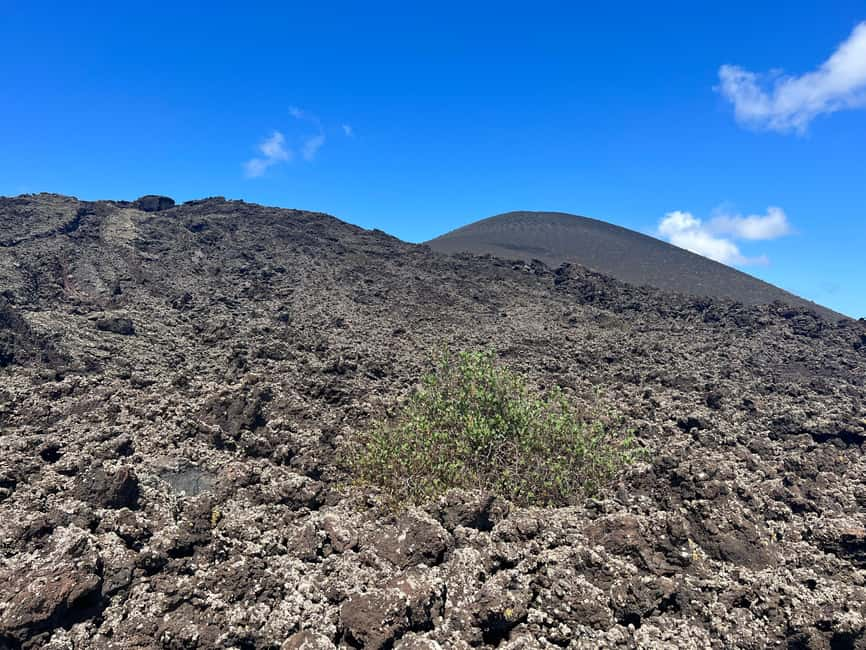
- Geology lessons you can see: volcano formation, lava, and island relief
- Endemic flora on volcanic soils: what’s growing and why it survives
- Legends, first inhabitants, and Cesar Manrique’s Lanzarote
- Andy’s small-group teaching style: pace, attention, and questions
- Price and value: what $56 covers and what you’ll need to plan
- Who should choose this guided volcano hike
- Before you book: your quick checklist
- Should you book this guided hike in Lanzarote?
- FAQ
- How long is the guided hike?
- Where do I meet the guide?
- What languages is the live guide available in?
- What should I bring?
- Is it a small group tour?
- Is this hike suitable for mobility impairments or health conditions?
Key things to know before you go
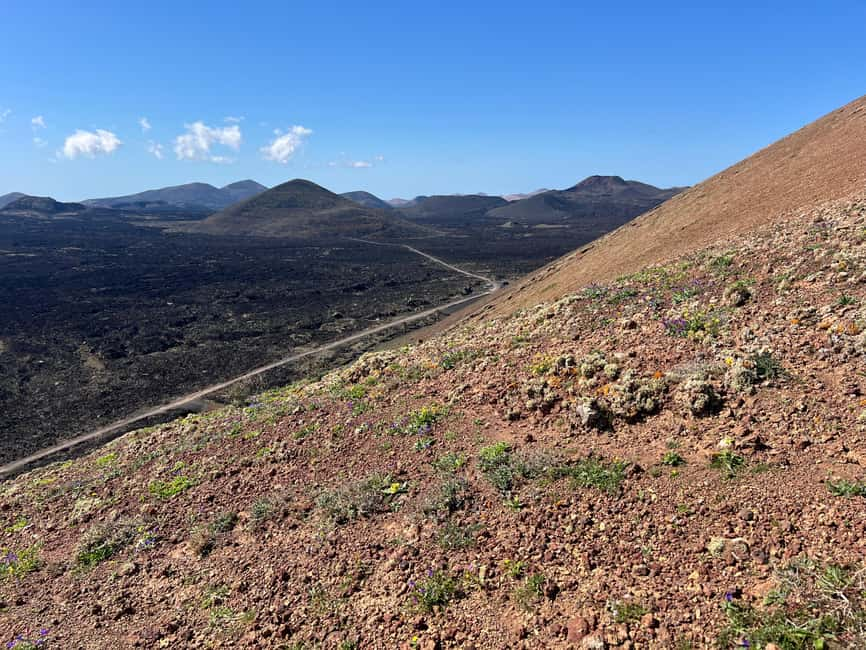
- Small group size (max 8): you’ll get more direct explanations and the pace can be adjusted.
- Photo-friendly stops: the route includes breaks so you can actually capture the craters and lava textures.
- Volcanic geology that stays human: formation of volcanoes and how the island relief evolved, explained in plain language.
- Plants adapted to volcanic soils: you’ll learn what grows there, why it matters, and how it’s used traditionally.
- Culture tied to the scenery: legends, first inhabitants, living traditions, and Cesar Manrique’s story along the way.
- About 210 minutes on the move: plan for comfortable shoes, water, and sun protection.
Entering Lanzarote’s volcanic world in 3.5 hours
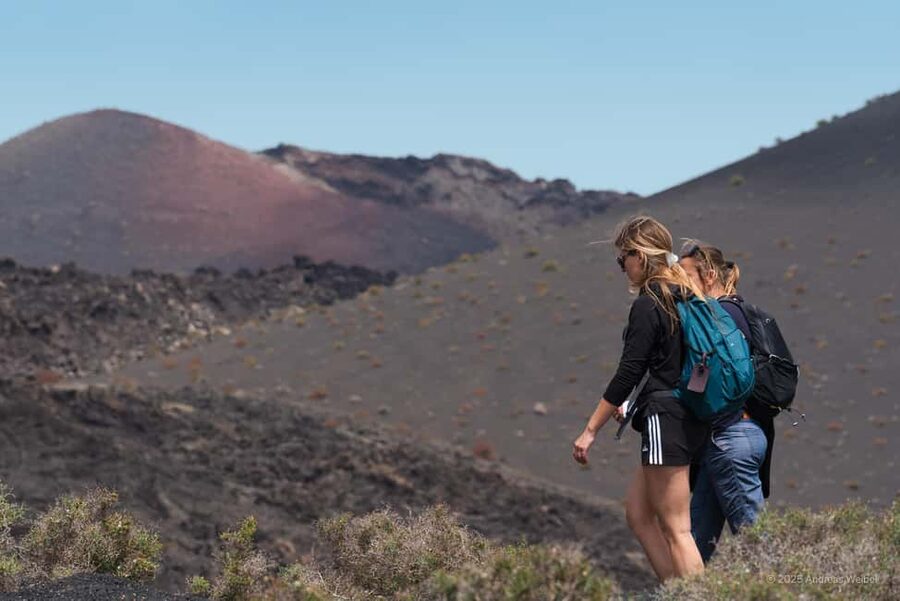
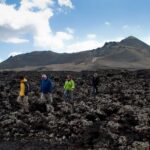
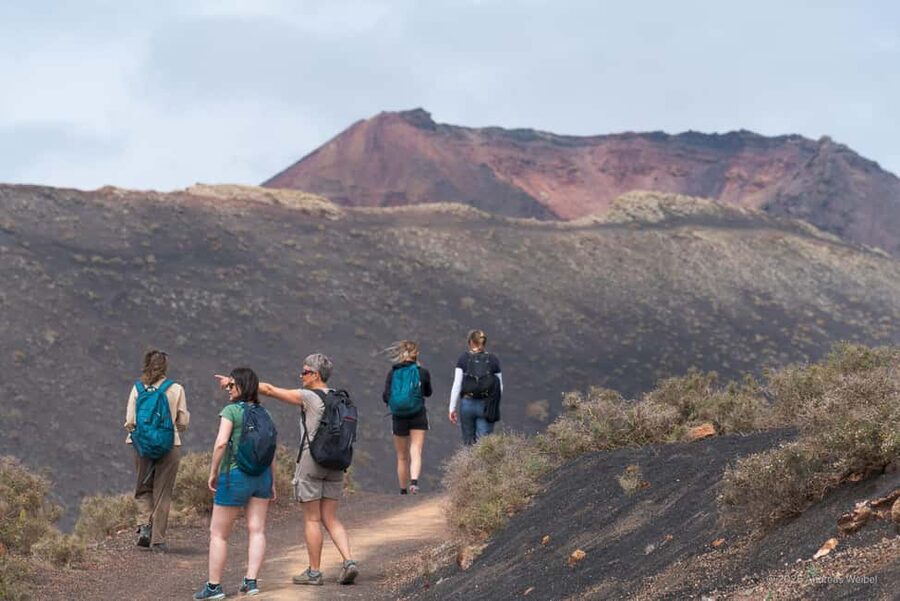
Lanzarote is famous for its volcanic look, but this hike is more than a postcard walk. The format is built around learning as you go: you follow trails across crater and lava-flow areas, and at the right moments your guide explains what created the shapes you’re staring at.
The time window—210 minutes—is long enough to feel like a real outing, but short enough that you’re not spending the whole day hiking. For me, that balance matters. It’s the kind of experience where you can leave with both views and understanding, instead of just tired legs and vague impressions.
You’ll also notice the guide doesn’t treat Lanzarote like a museum. The tour weaves in the island’s UNESCO Biosphere Reserve status, plus how geology connects to ecosystems and to people over time. That’s what makes it feel authentic rather than generic.
You can also read our reviews of more tours and experiences in Lanzarote.
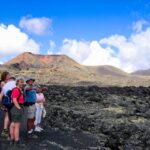
Starting at the palm-tree parking spot and what that means for your day
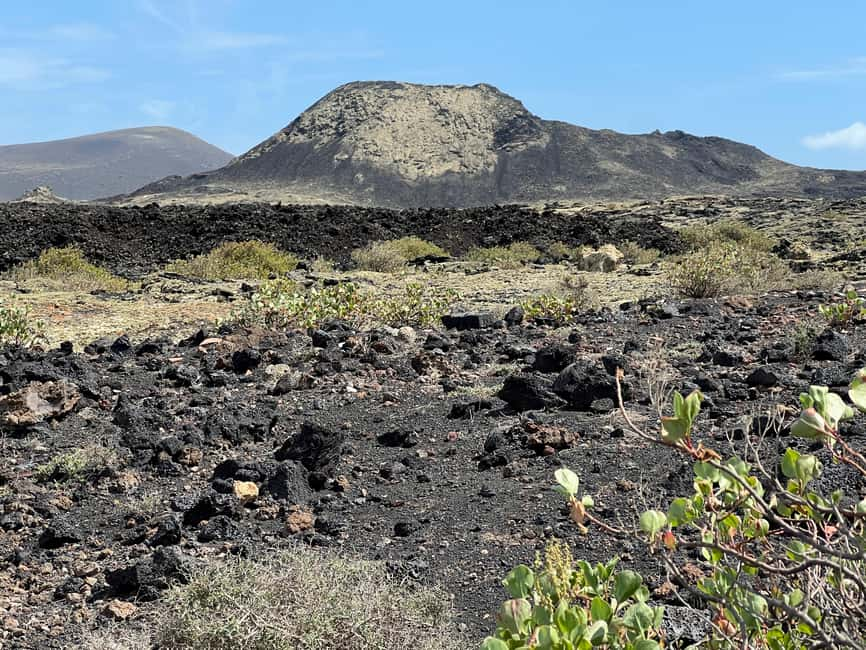
The meeting point is simple: a parking area with a few palms right by the road. That matters because it signals the style of the tour—local, practical, and trail-focused. No fancy visitor center. No long shuttle story.
Because transportation to the starting point isn’t included, you’ll want to plan how you’ll get there on your own. In practice, that usually means taxi, local bus, or your own rental car coordination.
Once you’re there, the tour setup stays straightforward:
- you’ll meet your expert local guide
- you’ll get into the hike at a comfortable pace
- you’ll receive explanations during the walk, with time for photos
Before you even step onto the trail, your checklist should be ready. Bring comfortable shoes, hat, sunscreen, and water (1.5 liters). This island sun can be sneaky—especially on bright volcanic ground that reflects heat.
And if you’re wondering about limits: the activity doesn’t allow drones and it also doesn’t work with strollers, handcarts, or climbing gear. So keep it light, keep it walkable.
Geology lessons you can see: volcano formation, lava, and island relief
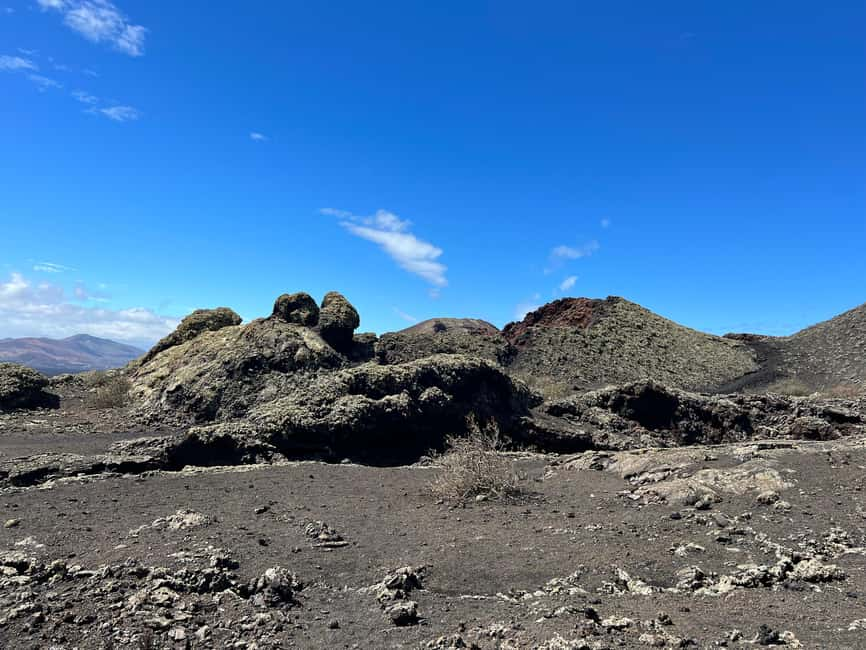
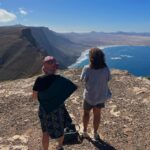
The core of this hike is volcanic geology, taught while you move through it. You’re not just told facts; you’re coached to look at the land the way a geologist would—slowly, with purpose.
Here’s what the guide focuses on, and why it helps:
- How volcanoes formed: You learn what processes build up volcanic structures and what changes after eruptions stop.
- Natural phenomena you can spot: Even when you’re not studying rocks professionally, the explanations help you recognize patterns—why certain areas look the way they do.
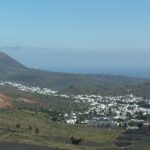
- Evolution of the island’s relief: You connect the past to the present shape of the terrain, so the island stops feeling random.
This is the part that really elevates the hike. Lanzarote can look dramatic even without context. But when someone explains how the island’s relief evolved, the scenery becomes readable. The same crater rim or lava texture starts to mean something.
In recent groups, the guide’s style stood out for keeping the information at the right level—enough to learn, not so much that you’re overloaded. You’ll also get photo moments built into the rhythm, which is important. Volcanic terrain can be visually busy. Having a short pause helps you reset your eyes and take a few better shots.
Endemic flora on volcanic soils: what’s growing and why it survives
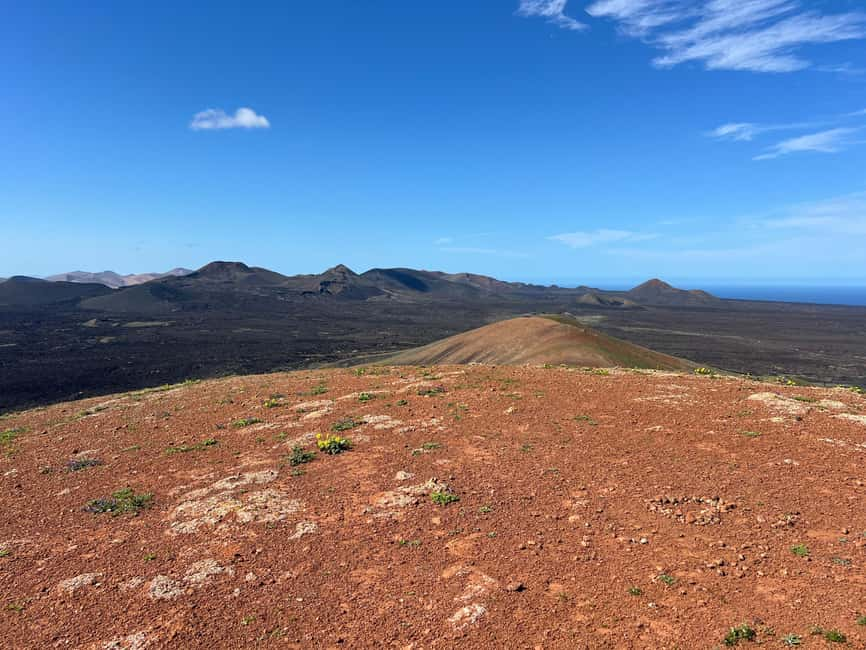
One of my favorite parts of Lanzarote is realizing that volcanic ground isn’t just barren-looking. It’s strategic—almost like a filter. The plants here have adapted to tough conditions, and this hike explains that connection.
As you walk, you’ll encounter unique plants adapted to volcanic soils. The guide focuses on:
- how those plants fit into the ecosystem
- the role they play locally
- how they were used traditionally
That last point is a nice way to keep the tour grounded. Plants aren’t only biology—they’re culture, too. When you learn how endemic species link to traditional uses, the whole island feels more human and less like a natural theme park.
Practical tip: wear shoes you’re confident with. Volcanic areas can mean uneven ground, loose stones in spots, and traction that varies. Comfortable shoes aren’t optional here—they’re your safety net and your enjoyment tool.
Also, if you’re the type who likes to slow down and observe, this tour supports that. The small group format gives you room to ask questions without losing the flow.
Legends, first inhabitants, and Cesar Manrique’s Lanzarote
This hike doesn’t treat culture as an add-on. It threads history and legend into the same stops where you’re learning geology.
You’ll cover:
- the first inhabitants
- legends connected to the island
- living traditions that still shape daily life
- the heritage linked to Cesar Manrique
Manrique is a name you’ll hear often on Lanzarote, but the tour helps you place him in context: he isn’t just an artist on a poster. The guide ties his story back to what the island is like and why the creative approach matters on Lanzarote.
The payoff is that your brain holds two layers at once:
1) what created the terrain
2) how people have interpreted, used, and celebrated that terrain over time
That combination makes the hike feel memorable after the photos fade.
Andy’s small-group teaching style: pace, attention, and questions
A big part of why people rate this tour so highly is the guide’s delivery. In multiple recent bookings, Andy (also seen as Andreas) was praised for being attentive and for giving clear, detailed explanations without dragging.
What you should look for in the experience:
- a fine walking tempo that doesn’t rush you out of photo angles
- frequent opportunities to stop and listen
- a guide who adjusts to the group’s needs (including slower walkers)
In one account, the guide adapted the pace for a family member who walked less quickly at the start. That tells you the group dynamic is flexible, not rigid. With a maximum of 8 participants, that flexibility is realistic.
The tour also runs in several languages: Spanish, English, French, and German. So you’re not stuck with one narrow way of learning. If you’re visiting from abroad, it’s a relief to know you can follow the explanations clearly.
Price and value: what $56 covers and what you’ll need to plan
The price is $56 per person for a 210-minute guided hike with geology, flora/fauna insights, and cultural/historical storytelling. That’s not just “a walk with a guide.” You’re paying for expertise—someone local who can translate Lanzarote into understandable pieces while you’re on uneven ground.
A quick way to judge value:
- you’re getting a guided experience plus learning components (geology + ecology + culture)
- you’re getting a small group setting
- you’re getting photo and explanation stops, not a nonstop march
What’s not included is also important: transportation to the starting point. So your real total cost depends on how you’ll reach that palm-tree parking area.
If you’re staying somewhere central, it may be easy. If you’re spread out, build in time and money for getting to the meeting spot, so you don’t arrive stressed.
Who should choose this guided volcano hike
This is a great fit if you want an active day that still feels organized and educational. It suits people who like:
- nature plus storytelling
- short, frequent stops instead of one long lecture
- learning about plants and how they connect to the island
It’s a strong option for first-time visitors who want the volcanic story without needing a geology degree. It also works well for travelers who like small groups and don’t want to fight crowds for attention.
On the flip side, it’s not the right match if you have:
- mobility impairments or wheelchair needs
- heart problems
- respiratory issues
- back problems
- low fitness
- visual impairments (not suitable as listed)
If any of those apply, choose a gentler option instead. The tour itself is designed around hiking, and that’s not negotiable.
Before you book: your quick checklist
Here’s how I’d decide if this hike is right for me (and you can use the same logic):
- Do I want volcano geology explained while I walk through it?
- Am I okay hiking for about 3.5 hours with sun and uneven ground?
- Do I care about culture—legends, first inhabitants, and Cesar Manrique—not only scenery?
- Can I handle the weather with a hat, sunscreen, and 1.5 liters of water?
- Am I fine handling my own route to the palm-tree parking meeting point?
If you checked yes, you’re likely to enjoy this.
Should you book this guided hike in Lanzarote?
Book it if you want the most useful kind of sightseeing: the kind where you understand what you’re seeing and you leave with more than photos. The small group limit, the geology focus, and the way the guide ties volcanic terrain to plants and to Lanzarote culture (including Cesar Manrique) make it feel well built.
Skip it if you’re looking for a fully flat, slow walk, or if your health or mobility needs mean hiking isn’t a safe idea. The tour is clearly designed for people who can walk comfortably for the full 210 minutes.
If you book, pack smart, show up early enough to settle in at that parking by the palms, and bring your curiosity. This one rewards attention.
FAQ
How long is the guided hike?
The tour lasts 210 minutes (about 3.5 hours).
Where do I meet the guide?
The meeting point is a parking area with a few palm trees at the side of the road.
What languages is the live guide available in?
The guide can speak Spanish, English, French, and German.
What should I bring?
Bring comfortable shoes, a hat, sunscreen, and water (1.5 liters).
Is it a small group tour?
Yes. The group is limited to 8 participants.
Is this hike suitable for mobility impairments or health conditions?
No. It’s not suitable for people with mobility impairments, heart problems, respiratory issues, low level of fitness, and it also isn’t suitable for wheelchair users or people with back problems.