REVIEW · LANZAROTE
Lanzarote: Guided Volcano Hike with Transfers
Book on GetYourGuide →Operated by Blackstone Treks & Tours · Bookable on GetYourGuide
This volcano hike feels personal fast. In Volcanos Natural Park, you cross hardened lava and climb toward a summit rim for wide aerial views, guided by Raquel as she explains what you’re seeing in English, French, and Spanish. The catch is that this is still a hike with some uphills, so it’s not suitable for people with heart problems or low fitness, and it’s not designed for wheelchair users or mobility limits.
I also love how the experience stays small-group intimate (just up to 8 people). You get lots of stop-and-look moments for the big volcanic features, plus pickup and drop-off options that keep the day from turning into logistics.
In This Review
- Why this guided volcano hike is worth your time in Lanzarote
- Volcanos Natural Park: what you see on the way up
- Meet your guides: Raquel, Jose, and Sarah make geology make sense
- Hike logistics that actually make a difference: transfers, meeting point, and timing
- Walking the lava sea: what the terrain feels like in real life
- Stops that turn views into learning (and keep the group together)
- What’s included: snacks, water, and the small comforts that help
- Bring the right gear: comfort, sun, and the no-sandals rule
- Fitness, health, and age: who should book this, and who should skip it
- Price and value: how $50 stacks up for what you actually get
- Weather and photo expectations: how to handle mist, rain, and wind
- Where this hike fits best in your Lanzarote day
- Should you book this guided volcano hike?
- FAQ
- How long is the Lanzarote guided volcano hike?
- Is pickup included, and where does it work?
- What should I wear and bring?
- What’s included in the tour price?
- How big is the group?
- Is the tour suitable for kids or people with mobility or health limits?
Why this guided volcano hike is worth your time in Lanzarote
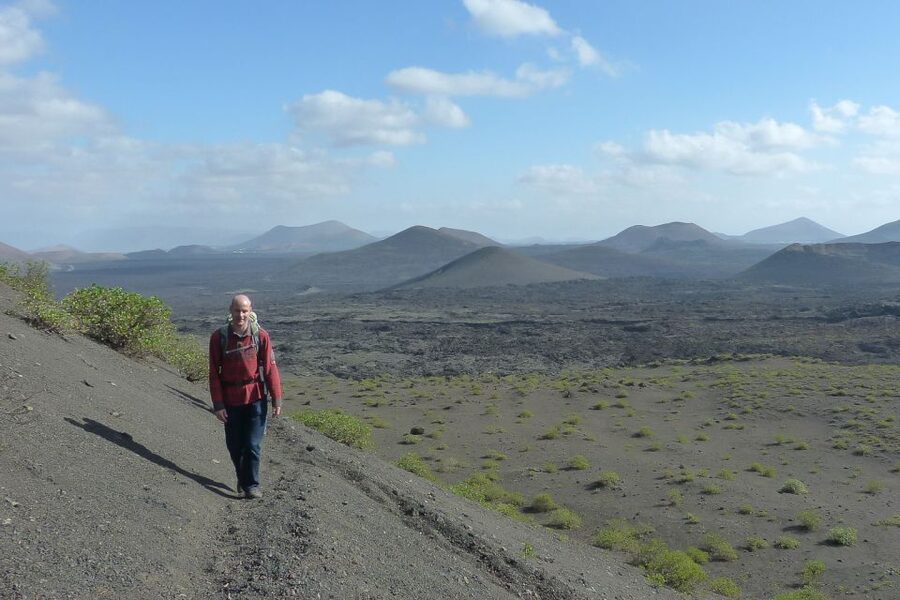
This is one of those Lanzarote activities where the guide does more than point and talk. You actually walk through the volcanic story: hardened lava flows, viewpoints from the volcano rim, and clear explanations of how eruptions shaped what you see today.
The best part is the mix of effort and payoff. The hike takes a few hours, but the views are immediate, and the information sticks because you’re learning it while standing right in front of the evidence. You’re not watching Lanzarote from a bus window.
Volcanos Natural Park: what you see on the way up
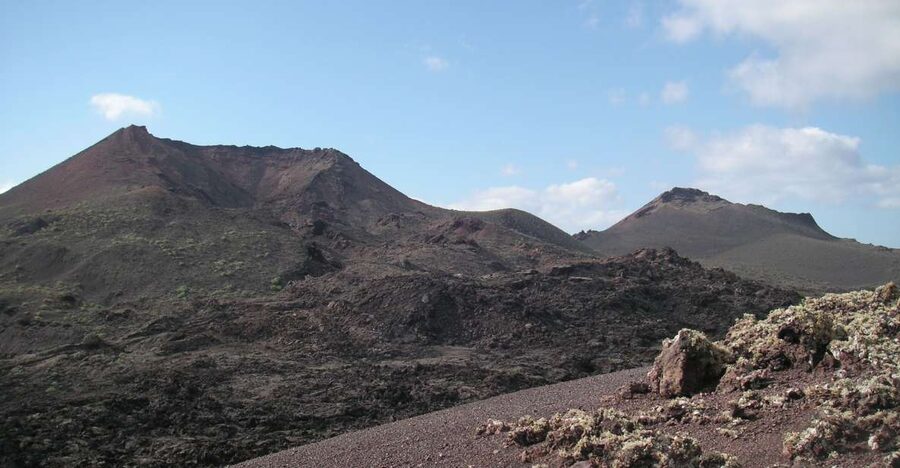
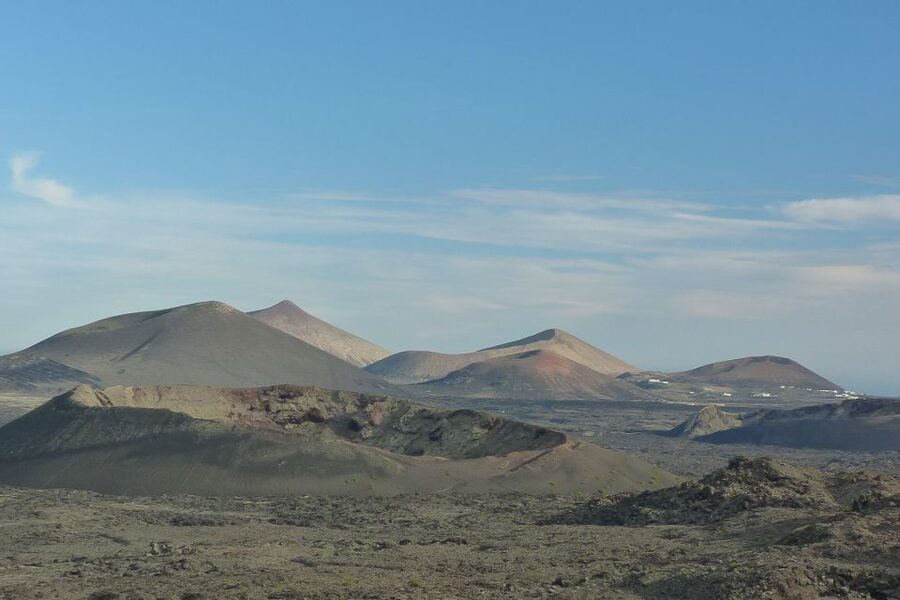
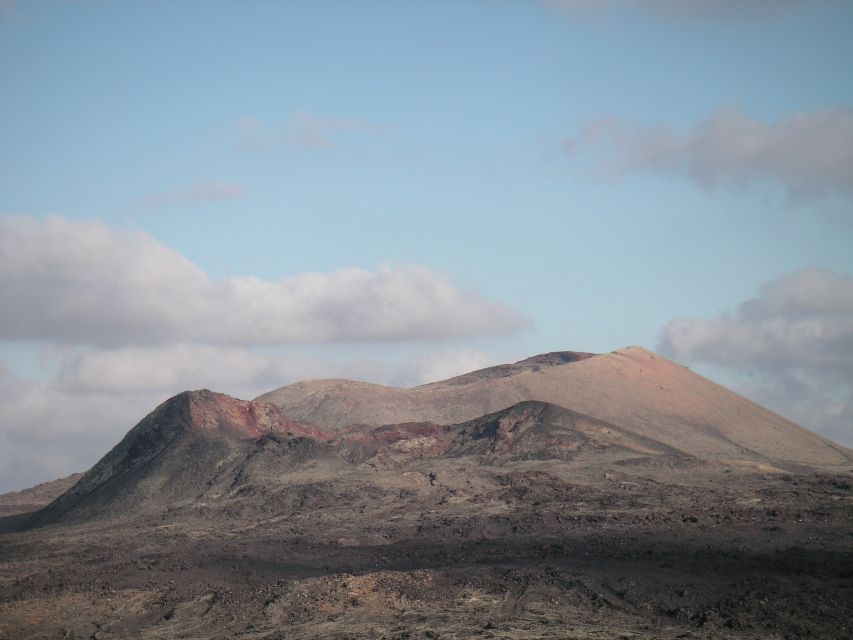
Your day centers on a guided trek inside Volcanos Natural Park, with a route that includes both wide volcanic scenery and a push to reach a volcano top/rim. The hike goes over sea-like stretches of hardened lava, so you’re walking on the island’s old aftermath, not just around it.
One of the most compelling pieces is the way the guide connects scenery to time. You’ll hear about one of the most important eruptions over the last 500 years, and how later land formation processes shaped today’s volcanic terrain. It’s the kind of explanation that helps you stop seeing everything as random rocks and start seeing it as a timeline.
You also get those “look down into it” moments—when you reach the rim, the view shifts from panoramic to intensely specific. Even in misty or rainy conditions, you still get memorable angles and the feeling of being inside a volcanic world, not just near it.
You can also read our reviews of more tours and experiences in Lanzarote.
Meet your guides: Raquel, Jose, and Sarah make geology make sense
Names matter here because the guides seem to bring real personality to the hike. Raquel is frequently mentioned for being friendly and for explaining volcanoes clearly across multiple languages, with enough structure that it works even when the group mixes nationalities. Jose is praised for passion, humor, and for teaching with a mix of geology, history, and even flora and fauna along the way.
Sarah also appears in the guide roster as someone who keeps the pace engaging and the explanations sharp. In practical terms, that matters because volcanic areas are full of tempting off-path areas—and staying on the route is what protects the fragile ground.
A few small techniques keep the hike from becoming one long lecture: mini-stops to interpret what you’re looking at, occasional simple visual explanations (including drawings in the sand reported by some hikers), and regular checks so the group stays together without feeling rushed. You’ll also learn how and where it’s okay to walk and where you shouldn’t step, which is a big deal in a protected volcanic environment.
Hike logistics that actually make a difference: transfers, meeting point, and timing
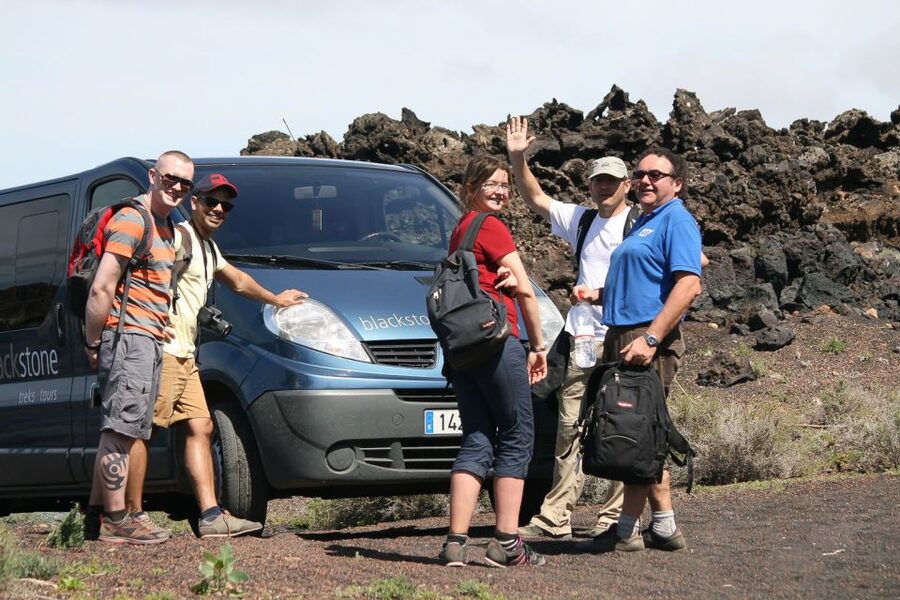
This tour is built around comfort before your boots hit the ground. If your hotel is in Arrecife, Puerto del Carmen, Costa Teguise, or Puerto Calero, you can request pickup and drop-off. Pickup is not available from Playa Blanca, so if that’s where you’re staying, you’ll likely start at the meeting point instead.
The meeting point is a free parking spot by the road with small palm trees. It’s simple, but do plan to arrive a bit early so you’re not stressed before the hike starts.
The total duration is listed as 3.5 to 4 hours, which usually means you have enough time to hike, take photos, and absorb the explanations without feeling like the day has been stolen from you. The exact starting time depends on availability, so pick a time that matches your weather tolerance and your energy level.
Walking the lava sea: what the terrain feels like in real life
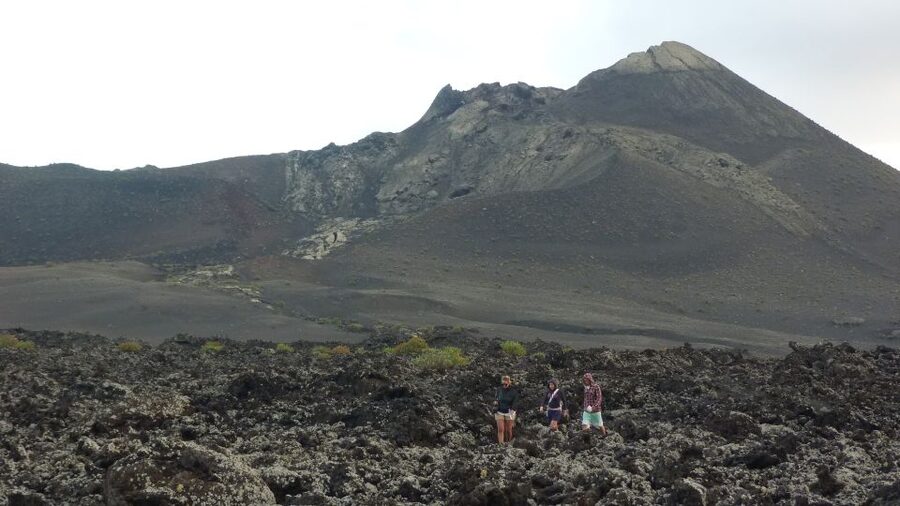
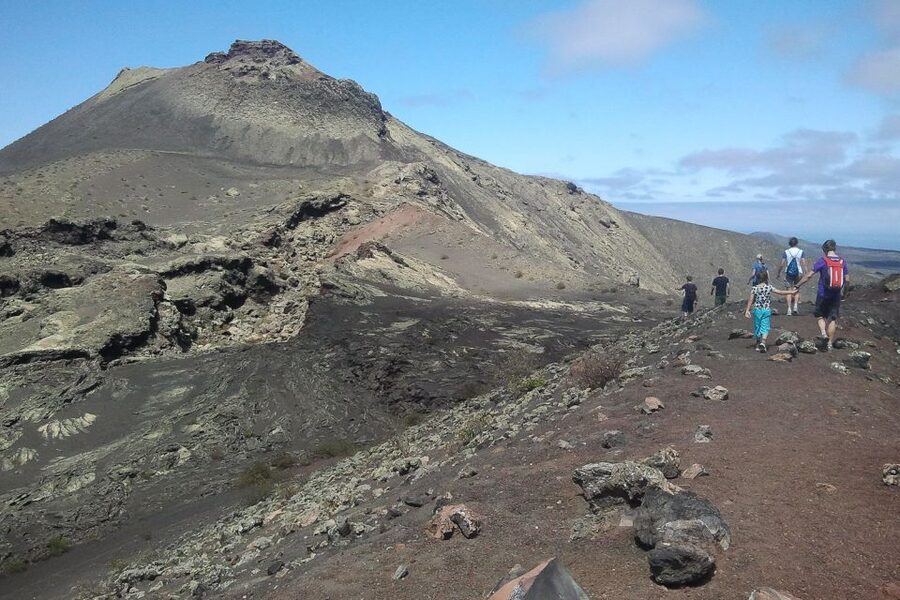
The hike is described as walking across a hardened lava field and then climbing to a volcano rim for top views. Depending on the day and your pace, expect a few uneven stretches and some uphill work, including a couple of steeper ascents reported by hikers.
The key point is that this is not a flat stroll. Some people note it’s fairly gentle overall with plenty of stops, while others mention the ascents to reach the summit rim. Either way, the route is remote enough that a guide matters—you don’t just get directions, you get interpretation and safety guidance.
Wind is a common factor near the top. One review specifically called out that it gets very windy at the summit, so that’s your cue to bring a jacket even if the coast feels warm. On misty or rainy days, visibility can drop, but the experience still works because you’re learning from the terrain you can actually see.
Stops that turn views into learning (and keep the group together)
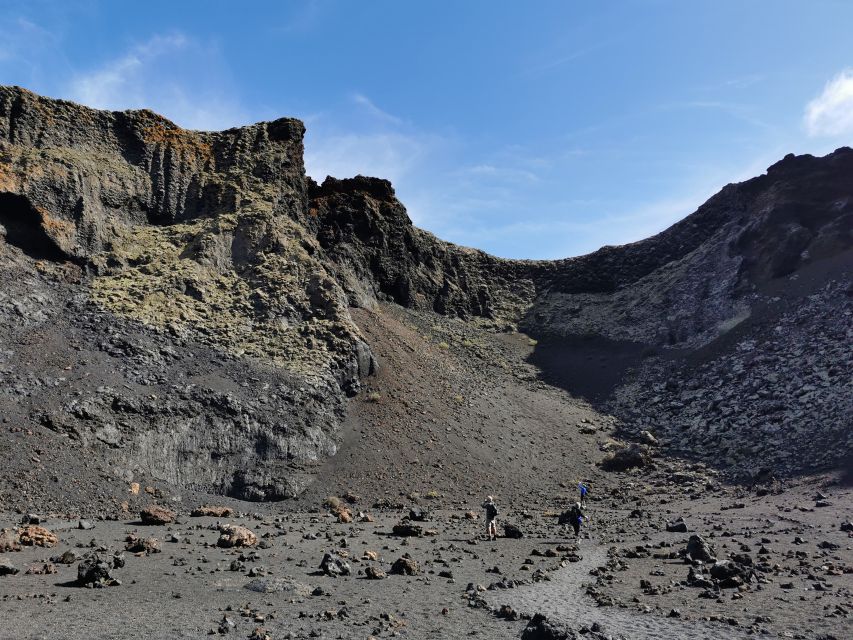
What makes this hike feel different from many “natural wonders” tours is the number of planned stops. Guides break up the walk so you can regroup and hear why specific lava features, vegetation, or rock shapes matter.
You’ll likely get explanations about how the land evolved, not just what it looks like. Guides also share why preserving the environment is important, including issues around introduced species and how those impacts affect the park. It’s the kind of context that makes you walk slower and look longer—without feeling like you’re being lectured.
Small-group format (up to 8 participants) is the silent hero. It helps the guide manage different speeds, keeps the group close, and gives you real chances to ask questions instead of shouting over a bus crowd.
What’s included: snacks, water, and the small comforts that help
The tour includes a few very practical items: water, fruits, dry fruits, and biscuits. You’re not getting a full meal, and meals and beverages are not included, so think of the snack pack as fuel for the hike rather than dinner replacement.
This is exactly why the “bring water and snacks” advice still makes sense even with inclusions. If you’re the type who needs extra salt, extra calories, or just prefers your own drink plan, bring a bit more. The included snacks are helpful, but they’re not designed to cover every dietary preference.
One review even suggested an improvement could be a short refreshments break during the walk. That’s worth noting if you want a more pause-and-sit experience. The tour does include frequent mini-stops for explanations, but the pace is still a hike pace.
Bring the right gear: comfort, sun, and the no-sandals rule
This tour is outdoors on volcanic ground, so your clothing choices matter. Wear comfortable shoes—not just any sneakers, but shoes you trust on uneven surfaces. Warm clothing can help, because conditions at the top can be windy and change fast.
A sun hat and sunscreen are strongly recommended. Lava areas can feel exposed, and even if it’s not blazing hot, sun can still catch you off guard. Also bring what the tour requests: food and drinks if you want extra beyond what’s included, plus water.
Don’t bring what the activity explicitly bans:
- Alcohol and drugs
- Drones
- Bare feet
- Sandals or flip-flops
- High-heeled shoes
That may sound strict, but it’s a real safety and preservation decision. You’ll be walking on delicate ground, and footwear needs to protect both you and the area.
Fitness, health, and age: who should book this, and who should skip it
This hike is best for people who enjoy walking and can handle several hours outdoors. It’s explicitly not suitable for people with:
- mobility impairments
- wheelchair use
- heart problems
- low level of fitness
- visual impairments
Children are welcome, but they must be ready for a large amount of walking on the tour. If your child likes exploring and can handle an active morning or afternoon, this can be a memorable introduction to geology. If not, it may turn into stress.
If you’re an active traveler who loves views, geology, and learning as you go, this is a strong match. It’s also a good option if you want to understand the “why” behind Lanzarote’s volcanic features, not just take photos.
Price and value: how $50 stacks up for what you actually get
At around $50 per person, the value comes from what’s packaged together. You’re paying for:
- a professional guide
- a small group size (up to 8 participants)
- pickup and drop-off (where available)
- water plus snacks (fruits, dry fruits, biscuits)
If you tried to do this on your own, you’d still need transport, you’d still need to figure out safe routes, and you wouldn’t have the same on-the-spot explanation of eruptions, lava formations, and environmental impacts. That guidance is especially valuable in a protected volcanic area where wandering off the path can cause damage.
The small group also matters for value. You’re more likely to get questions answered and more frequent interpretation stops when you’re not sharing the route with a crowd.
For me, the best way to see the cost is this: you’re buying time with an experienced local guide plus less stress getting there, and you’re paying an amount that still leaves room in your day for other Lanzarote plans.
Weather and photo expectations: how to handle mist, rain, and wind
The views can look dramatic on clear days, but the tour still works when conditions are less perfect. One set of experiences included mist and light rain, yet the guides still delivered amazing photo moments and good visibility around key volcanic points.
Here’s the practical takeaway: bring a jacket and a sun hat, and be ready for wind near the rim. If the weather is socked in, the details may feel less “wow” and more “study the rocks,” but the guided explanation can make that experience satisfying anyway.
For photos, plan for frequent stops. The route is designed for looking, not speed-walking. You’ll get enough time to frame the lava textures and summit views without the guide constantly urging you forward.
Where this hike fits best in your Lanzarote day
This kind of activity is a great anchor for a half-day plan. Because the duration is roughly 3.5 to 4 hours, you can hike and still have time later for food, beaches, or a slower sightseeing block.
I’d schedule it on a day when you want active time outdoors and when you’re comfortable with walking. If your energy is low or you want a purely scenic drive, you might prefer a different style of tour.
It’s also a nice choice if you’re the kind of traveler who likes learning. Guides cover not only volcano formation but also how the environment needs protecting, plus vegetation and fauna details along the route.
Should you book this guided volcano hike?
Book it if you want a guided route through volcanic ground, with small-group attention, and with explanation that actually connects rocks to real events like major eruptions over the past 500 years. You’ll enjoy it most if you’re comfortable walking a few hours and you can bring the right footwear and sun protection.
Skip it if you have mobility limits, heart concerns, low fitness, wheelchair needs, or visual impairments. Also think twice if you’re hunting for a totally easy walk with lots of sitting—this is still a real hike.
If you do book it, do one simple thing that makes the whole day better: dress for wind and sun, and treat the path like part of the experience. Staying on route is what lets you enjoy Lanzarote’s volcanic ground without leaving a mark.
FAQ
How long is the Lanzarote guided volcano hike?
The duration is listed as 3.5 to 4 hours. Starting times depend on availability.
Is pickup included, and where does it work?
Pickup and drop-off are included, where available. Pickup is not available from Playa Blanca. Pickup is offered from areas including Arrecife, Puerto del Carmen, Costa Teguise, and Puerto Calero. If you’re elsewhere, you need to contact the provider.
What should I wear and bring?
Wear comfortable shoes and avoid sandals or flip-flops. Bring warm clothing, a sun hat, sunscreen, and water. The tour also advises bringing food and drinks.
What’s included in the tour price?
You get a professional guide, pickup and drop-off (where available), plus fruits, dry fruits, biscuits, and water.
How big is the group?
It’s a small group limited to 8 participants.
Is the tour suitable for kids or people with mobility or health limits?
Children are welcome but must be ready for a large amount of walking. The tour is not suitable for people with mobility impairments, wheelchair users, people with heart problems, visually impaired people, or those with low level of fitness.