REVIEW · LANZAROTE
Lanzarote: Hike the North of Lanzarote
Book on GetYourGuide →Operated by Geotrekking Lanzarote · Bookable on GetYourGuide
North Lanzarote hikes feel different fast. You climb Volcán la Corona, then end up staring out at Famara cliffs with La Graciosa in view, all in a tight 3.5 hours. I like that the route mixes volcanic shapes with calmer walking valleys, so the scenery changes often.
I also love how this hike stays practical: you get snacks and water, plus a live guide who helps you connect what you’re seeing to Lanzarote’s island story. In fact, guides like Alejandro are known for explaining Lanzarote clearly and keeping things friendly while you walk.
One consideration: this is real walking on gravel paths, with ascents and descents, and it’s not suitable for people with mobility impairments or wheelchair users.
In This Review
- Key highlights to focus on
- Why this North Lanzarote route feels so rewarding
- Meeting at La Iglesia de Yé and getting your bearings
- Volcán la Corona climb: vineyards, craters, and big sky time
- Los Helechos Volcano to green valleys: the scenery shifts
- Famara cliffs and La Graciosa: the viewpoint payoff at 500 meters
- What you’ll learn: Macaronesia plants and Lanzarote’s origins
- Pace, comfort, and gear: keep it simple
- Price and value: what you get for about $47
- Who should book this hike (and who might not)
- Should you book this North Lanzarote hike?
- FAQ
- How long is the hike?
- Where is the meeting point?
- How big is the group?
- What language will the guide speak?
- What’s included in the price?
- Is pickup available from my accommodation?
- Is it suitable for wheelchair users or mobility impairments?
- What should I bring?
- FAQ
- What’s the price?
- Is cancellation free?
- Can I reserve without paying right away?
Key highlights to focus on
- Two volcanic areas in one hike: climb La Corona, then head to Los Helechos
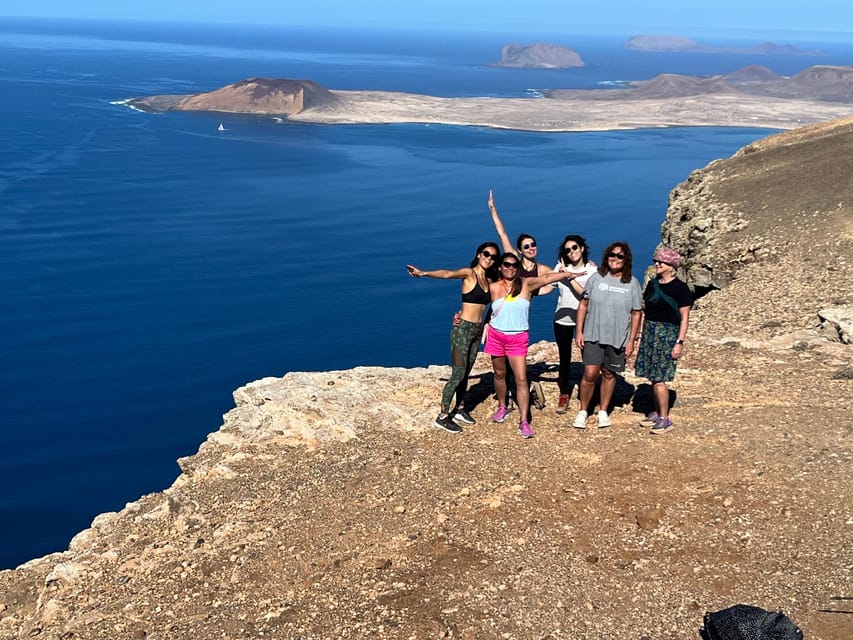
- Famara cliffs at 500 meters: big viewpoints over the Chinijo archipelago
- La Graciosa views: you’ll see the island from a wild, dramatic edge
- Vineyards along the way: you pass local grape-growing areas during the ascent
- Endemic Macaronesia plants: learn what grows where, and why
Why this North Lanzarote route feels so rewarding
The north side of Lanzarote doesn’t try to impress you with anything flashy. Instead, it rewards you with contrast: volcanic rock and craters, then greener pockets, then that sudden cliff line where the whole horizon opens up.
That mix matters for your day. In just 3.5 hours, you’re not stuck doing the same type of terrain for the entire hike. You go from crater views to valley walking to cliff panoramas, which keeps your energy and attention aligned with what you’re actually doing. It’s also a good format if you want something active, but not a full-day ordeal.
You’ll get a clear sense of Lanzarote’s character too. This route points at the island’s volcanic origins, the plants that survive here, and how people shaped the land—especially with those vineyard areas you pass while climbing.
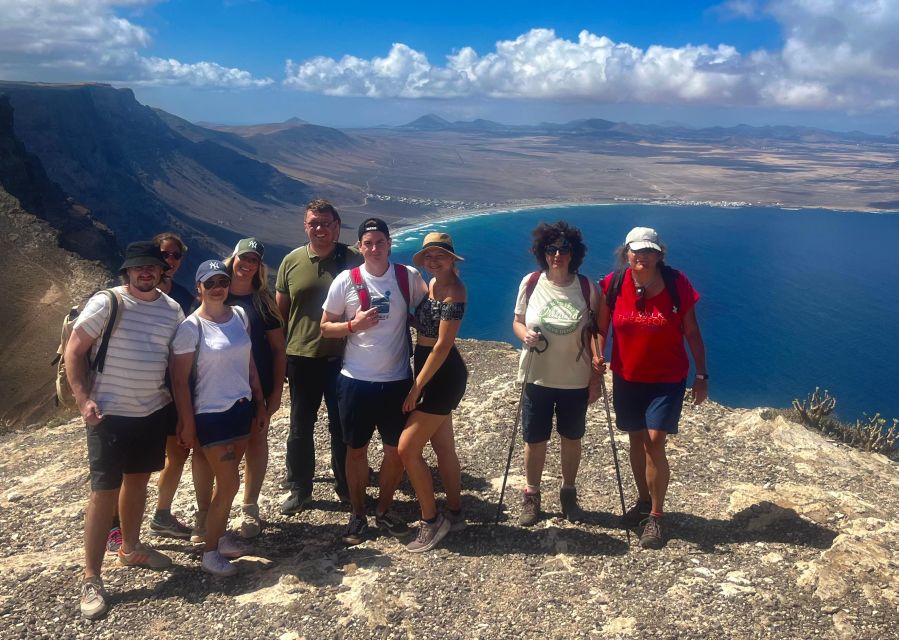
And yes, the payoff is visual. Famara cliffs are the kind of place where you look up, look down, and then keep looking because the view keeps expanding: La Graciosa comes into frame, and beyond it you get the Chinijo archipelago feel from that high, exposed spot.
You can also read our reviews of more tours and experiences in Lanzarote.
Meeting at La Iglesia de Yé and getting your bearings
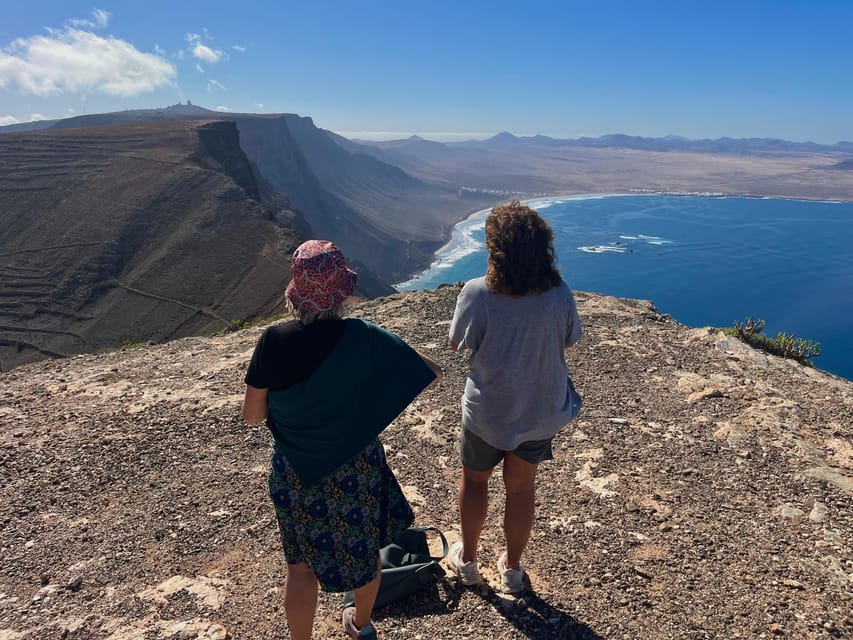
You meet at La Iglesia de Yé at 9:45am. That start time is helpful: it puts you in motion early enough to enjoy the changing light on volcanic rock and cliffs without feeling rushed all day.
The group stays small—limited to 14 participants. That matters because it usually means the guide can keep everyone together during the uphill sections and the viewpoint pauses, without turning the walk into a race. You also tend to get better answers to your questions when it’s not a huge crowd.
Language options are practical: the guide runs English and Spanish, so you can actually follow the explanations, not just hear them. If you’d like pickup, it’s optional, and the provider contacts you one day before to confirm your pick-up time at your accommodation.
In your practical day-plan, this tour is short enough that you can still keep the rest of your trip flexible. You’re not committing to a half-day disappearance, and you can pair it with other north-side exploration afterward.
Volcán la Corona climb: vineyards, craters, and big sky time
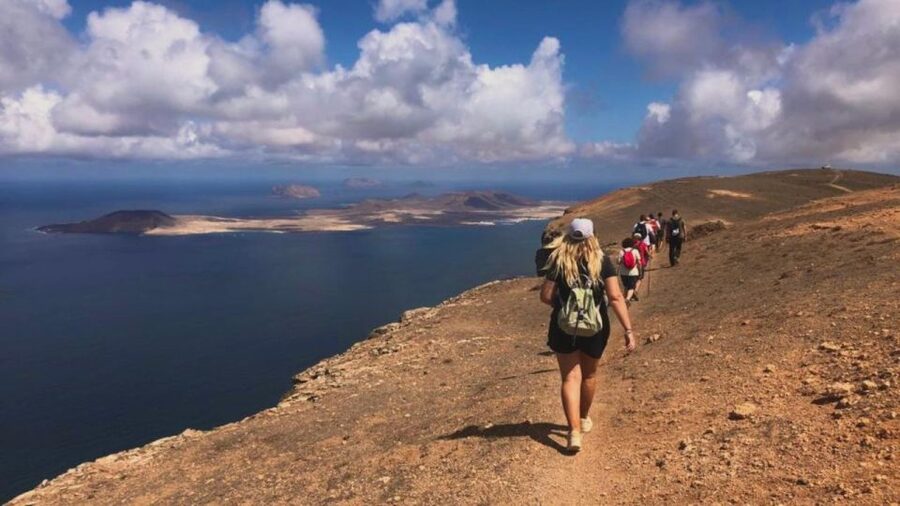
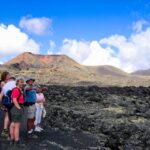
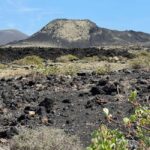
The first main section is the climb to Volcan la Corona (also described as an extinct volcano and a natural monument). This is the part of the hike that changes your perspective quickly because you’re moving from lower areas up toward the crater.
Along the way, you pass local vineyards, which is one of the more interesting “human touches” in an otherwise raw volcanic setting. It’s a reminder that Lanzarote isn’t only about dramatic rock. People worked this terrain for agriculture, and the route lets you see that relationship while you’re already focused upward toward the volcano top.
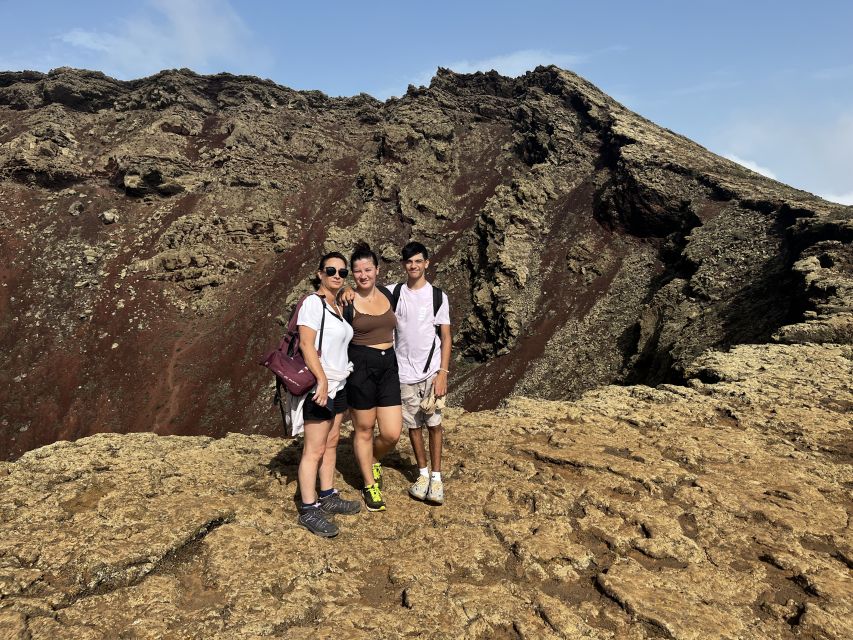
When you reach the top, the reward is straightforward: you see the crater. Standing there gives you a clearer mental picture of how volcanic landscapes form—how the land shape comes first, and then everything else adapts around it. Even if you’re not a geology person, a crater view tends to make the story click because it’s visible and physical.
What to watch for during this section:
- The paths involve gravel and up-and-down hiking. You’ll want steady footing from start to finish.
- This is where you’ll likely spend the most time concentrating on where your feet are, so build in a moment to look up again once the guide calls out the viewpoints.
A drawback to note (and it’s not unique to this hike): if you’re expecting a flat stroll, the volcano ascent will feel tougher than you think. The good news is the tour length is reasonable, so it doesn’t overstay the effort.
Los Helechos Volcano to green valleys: the scenery shifts
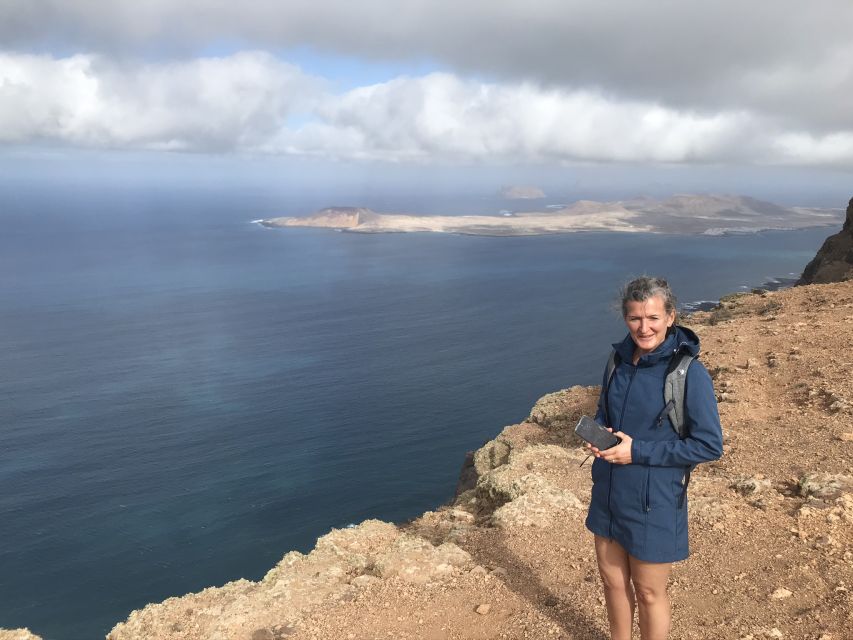
After Volcán la Corona, the route includes a short transfer—around two minutes by drive—to Los Helechos Volcano. That quick jump helps you avoid burning time, and it also keeps the day from feeling repetitive. You’re not walking for hours and then realizing you’ve seen only one type of view.
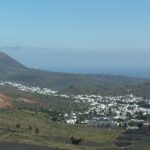
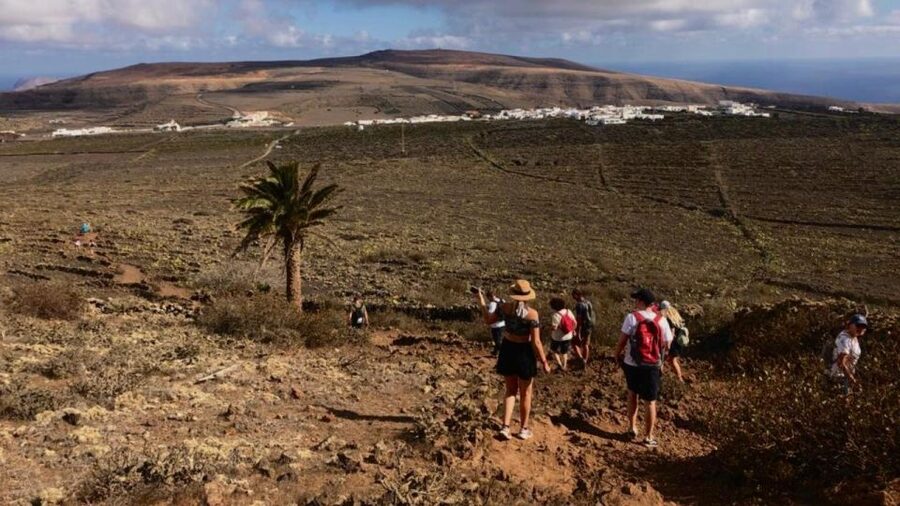
Here’s where the scenery starts to soften. You walk through green valleys and toward the cliffs of Famara. That contrast is what I’d call the secret sauce of the route: it gives your brain a break from pure volcanic surfaces, then brings you back to a dramatic edge later.
The guide also supports the experience with context about the area’s origin and natural elements. The walking segment is more about pacing and absorption than scrambling for landmark after landmark. If you enjoy taking your time to watch how the vegetation changes, this is the part of the hike that fits that mindset.
One practical reality: the route still involves walking on uneven ground, so comfort footwear matters. The tour doesn’t give you a “gentle mode,” even when the valleys feel greener.
Famara cliffs and La Graciosa: the viewpoint payoff at 500 meters
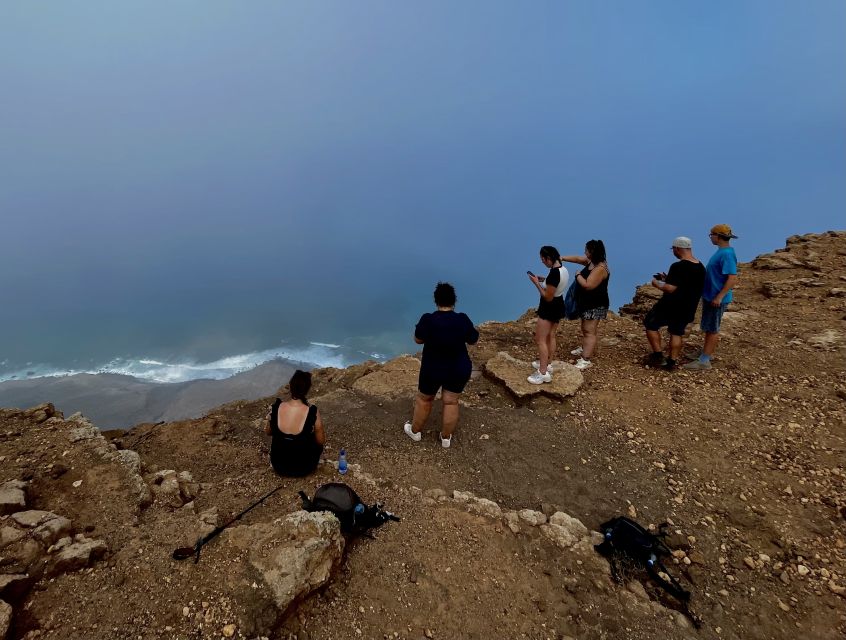
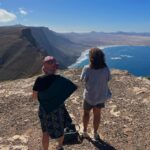
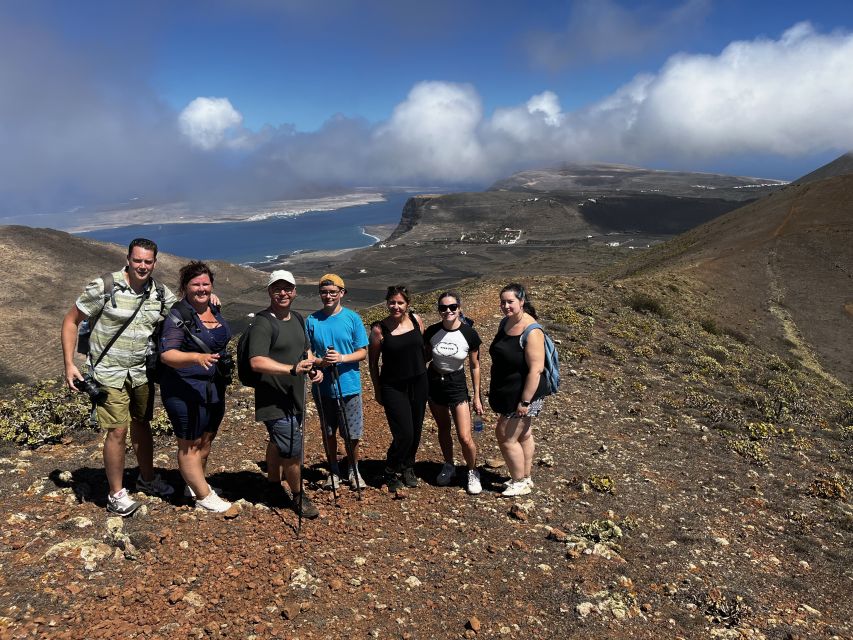
The final phase moves toward the Famara cliffs, described as reaching about 500 meters high. This is where the tour becomes unmistakably scenic in the best way.
The cliffs are described as a barren natural feature, and that’s exactly why the views hit so hard. Without heavy vegetation in the immediate foreground, your eyes have clear lines across the horizon. You’re not fighting glare from dense greenery or getting blocked by nearby shrubs.
From here, you’ll see La Graciosa and the wider Chinijo archipelago viewpoint. That’s not a small detail. Views of nearby islands add a layer of depth to the horizon that you simply don’t get when you’re looking at only landforms on your own island.
Also, Famara is a place where you can feel the environment’s extremes. Even if you’re not thinking about weather systems, the cliff edge tells you you’re at a different level of exposure. That makes it a great stop for photos—but don’t forget the basics: keep your balance on any uneven edges, and take your time when the guide stops for orientation points.
If you like the feeling of being out of the normal tourist routes, this fits. The walk through cliffs and viewpoints tends to feel more off the beaten path than the big famous lookouts people rush through with no context.
What you’ll learn: Macaronesia plants and Lanzarote’s origins
This isn’t just a “walk and look” tour. The route includes time to understand why these places look the way they do.
One theme is the endemic plants of La Macaronesia. That’s a specific natural-region label, and it matters because it keeps the walk grounded in ecology instead of vague nature talk. You’ll have a chance to connect what you’re seeing with what this environment can support and why certain plants are adapted to this area.
Another theme is Lanzarote’s origins and how people live with volcanic terrain. You’ll hear explanations tied to the route itself—craters, volcano topography, and the way agricultural areas show up when you’re climbing.
Even if you only catch parts of the explanation while walking, it changes how you look at the views. Instead of seeing crater shapes as random rock bowls, you start thinking in terms of how the landscape forms and then how the island develops around those forces.
Pace, comfort, and gear: keep it simple
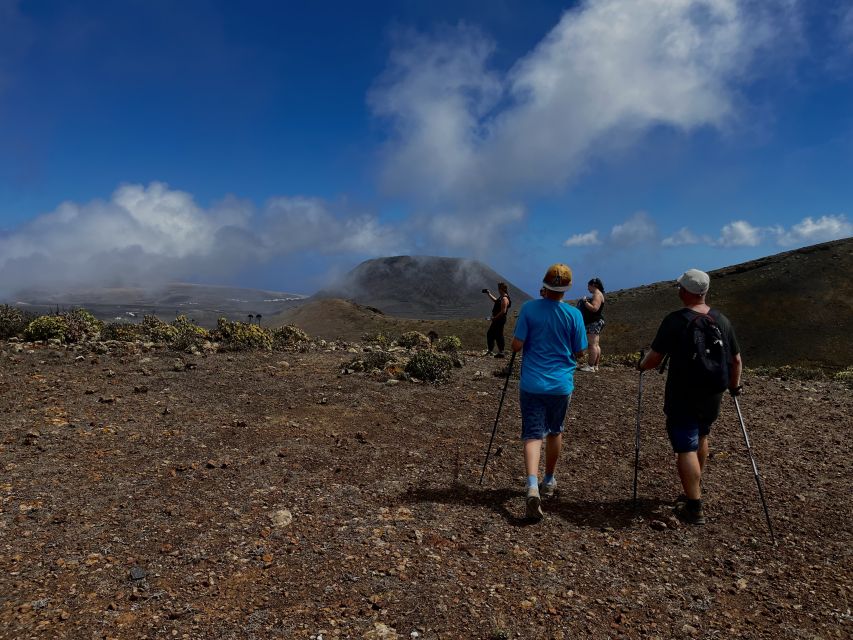
This tour lasts 3.5 hours, which is ideal for a morning active plan. You’ll cover enough ground to feel like you did something, but not so long that you’re exhausted for the entire day.
The route involves:
- Gravel walking
- Ascending and descending volcano areas
- Walking through valleys and up to cliff viewpoints
So the “simple” advice is the right one: wear comfortable shoes and comfortable clothes. That’s what the tour lists, and it’s the only gear requirement you truly need to follow to keep your feet and movement happy.
If you’re the type who hates being cold on open viewpoints, you’ll still want to stay comfortable during exposed cliff air—but I’ll stick to the facts provided. The only verified instruction is comfortable clothes.
Accessibility note is important: it is not suitable for people with mobility impairments or wheelchair users. If that affects you, it’s better to pick something else that matches your mobility needs.
Price and value: what you get for about $47
At $47 per person, the value here is really about structure.
You’re paying for:
- A live guide
- A small group size (max 14)
- Snacks and water
- A route that combines volcano scenery, valley walking, and major cliff viewpoints in a single morning
For the cost, it’s a lot of variety in a short time. Many short hikes either focus on one scenic element (only cliffs, only views, or only a museum-style stop). This one stacks multiple “wow” moments: crater top views, then a second volcano area, then Famara’s height and island views.
You should also consider whether you like guided context. If you enjoy learning while walking—plants, origins, and how the scenery connects—this price starts to feel even more reasonable. If you only want to snap photos and leave, you might feel like you’re paying for guided narration you’d otherwise skip.
Who should book this hike (and who might not)
Book this if you:
- Want a real hiking walk but within a 3.5-hour window
- Love views that include not just your island, but also La Graciosa and the Chinijo archipelago
- Enjoy scenery that mixes volcano rock, valleys, and vineyard areas
- Prefer a small group guided experience in English or Spanish
Skip it if you:
- Need an accessible route. It’s not set up for wheelchair users or people with mobility impairments
- Want a flat, low-effort stroll. Volcano ascent and gravel terrain are part of the experience
Should you book this North Lanzarote hike?
If your idea of a great Lanzarote day includes volcano scenery plus big island-horizon views, I think this is a strong pick. The route is tightly planned: Volcán la Corona for crater drama, Los Helechos for the valley shift, then the Famara cliffs to close with a high, open panorama.
The biggest reason to book is value-through-variety. In a morning, you get two volcano elements, vineyard passing, endemic plant learning, and cliff viewpoints over La Graciosa and Chinijo. It’s not just pretty—it’s organized so you keep moving toward payoff.
If you can walk on gravel with inclines and descents, this is the kind of experience that makes north Lanzarote feel like a place with personality, not just scenery you speed past.
FAQ
How long is the hike?
The tour duration is 3.5 hours.
Where is the meeting point?
You meet at 9:45am at La Iglesia de Yé.
How big is the group?
This is a small group limited to 14 participants.
What language will the guide speak?
The live guide speaks English and Spanish.
What’s included in the price?
The tour includes snacks and water, plus a tour guide.
Is pickup available from my accommodation?
Pickup is optional. The provider contacts you one day before to confirm your pick-up time.
Is it suitable for wheelchair users or mobility impairments?
No. The tour is not suitable for people with mobility impairments or wheelchair users.
What should I bring?
Bring comfortable shoes and comfortable clothes.
FAQ
What’s the price?
It’s priced at $47 per person.
Is cancellation free?
Yes. You can cancel up to 24 hours in advance for a full refund.
Can I reserve without paying right away?
Yes. The option is reserve now & pay later, so you can book and pay nothing today.