REVIEW · LINGUAGLOSSA
Mount Etna: Central Crater Guided Hike for Advanced Hikers
Book on GetYourGuide →Operated by Guide Vulcanologiche Etna Nord · Bookable on GetYourGuide
Mount Etna’s crater rim walk hits different. This advanced hike takes you up to the Central Crater at about 3,300m and lets you watch active volcanic features up close, from gas emissions to fumaroles. You also get science talk from a licensed volcanology guide, with the path cutting through lava slag and big volcanic bombs.
I love the clear structure: a 4×4 ride up the north side to about 2,825m, then a focused uphill slog to the crater edge at 3,315m. I also love that the route is designed for real proximity to the summit craters, not just distant views, so you understand what you’re seeing (and why it keeps changing). Expect a “moonscape” feel—windy, gritty, and unmistakably volcanic.
One real drawback to plan around: the long descent is hard on joints. You drop roughly 1,500m (from around 3,300m back to about 1,800m), and the route runs over slag, ash, and sandy channels—strongly not recommended if you have knee or joint problems, or if you get vertigo.
In This Review
- Key points worth knowing before you go
- Etna’s Central Crater hike: where “active volcano” becomes personal
- Meeting at Chiosco Bar Mareneve: logistics that matter more than you think
- The 4×4 ride up the north side: why you start at 2,825m
- Central Crater edge at 3,315m: fumaroles, gas, and that moonscape feel
- Piano delle Concazze and the Anfiteatro ski-lift zone: where views come with wind
- Lunch at the Volcanological Observatory base: fueling for the long drop
- Piano Provenzana descent through sandy channels: beauty with consequences for knees
- Price and value: what €130.28 really becomes on Etna
- Gear, clothing, and rules that keep the hike sane
- Who should book this Etna Central Crater hike, and who should skip it
- Should you book Mount Etna’s Central Crater guided hike with Vulcanologiche Etna Nord?
- FAQ
- How long is the Mount Etna Central Crater guided hike?
- What altitude does the hike reach?
- How difficult is this hike?
- Where do you meet and where does it end?
- Is transportation to the higher start point included?
- Can you get a ride down instead of hiking the whole way?
- What’s included in the price?
- What should I bring?
- What languages are the guides?
- What if the minimum group size isn’t reached?
Key points worth knowing before you go
- Central Crater access at 3,315m: you’re reaching the summit crater edge, not stopping short.
- Licensed volcanology guide: you’ll get scientific explanations about Etna’s evolution and active processes.
- 4×4 uphill to 2,825m: saves your legs for the high-altitude crater rim walk.
- Steep, long downhill: the return drop is often tougher than the climb, especially for knees.
- Weather and gas conditions can affect viewpoints: rooftop views and summit time depend on conditions.
- Small groups (up to 10): pace and safety feel more controlled on this technical terrain.
Etna’s Central Crater hike: where “active volcano” becomes personal
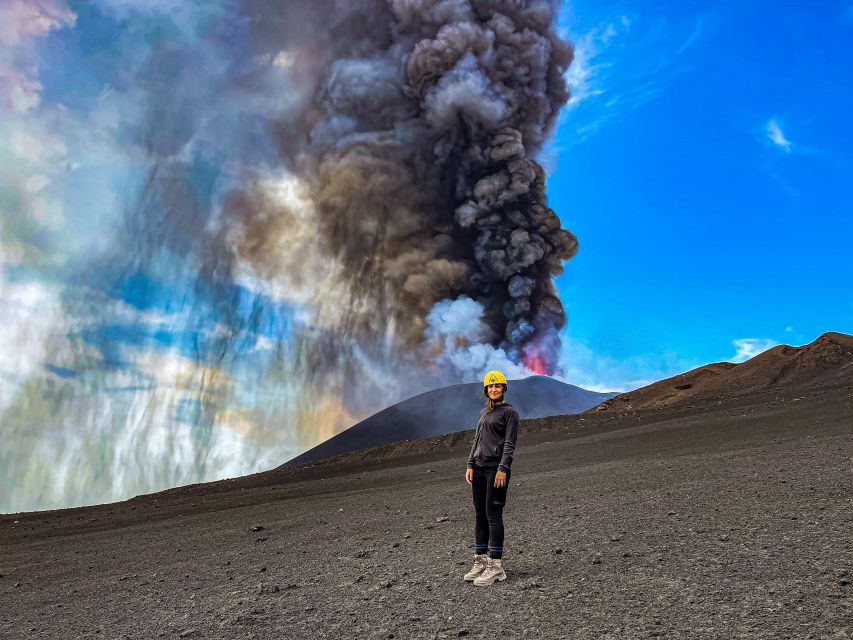
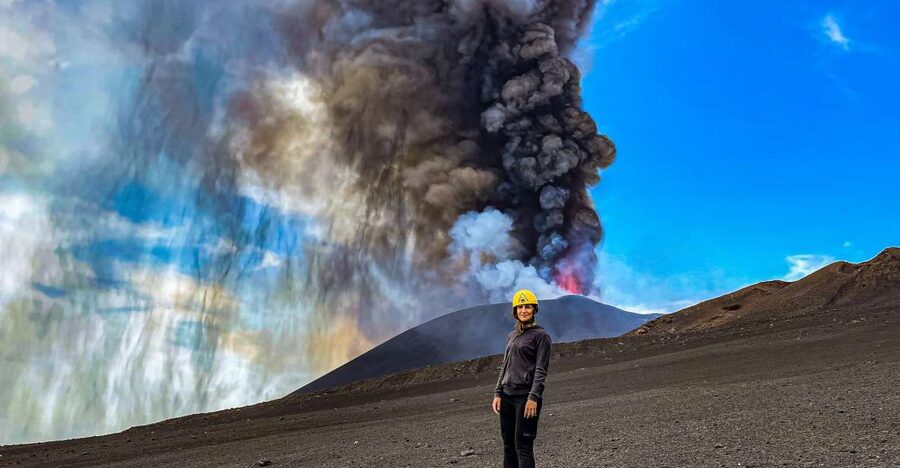
There’s a special kind of quiet on volcanic ground. Even when Etna is doing its thing, the experience feels raw and close—like the mountain is right in your lap, not off in the distance.
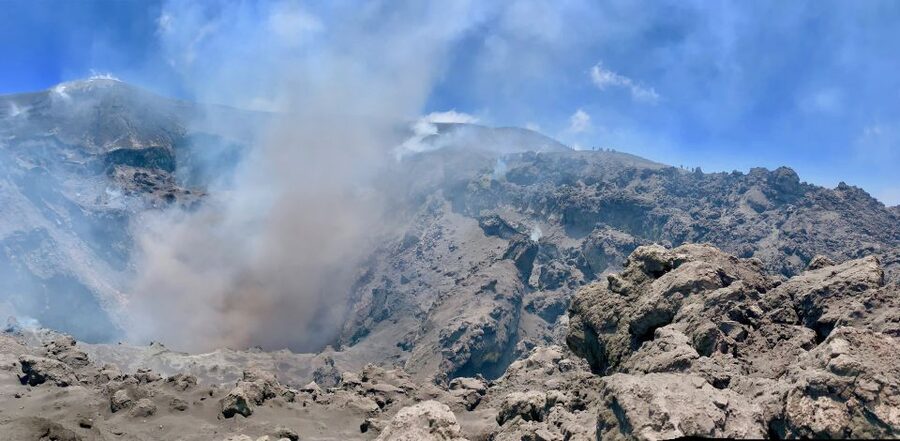
This hike focuses on the Central Crater area on Mount Etna. You climb from the meeting point at about 1,800m, ride partway up by 4×4 to reduce the pressure early, then walk up to the crater edge at about 3,315m. Along the way, you’re on paths surrounded by volcanic slag and large volcanic bombs, so you’re not just sightseeing—you’re walking through the material history of the mountain.
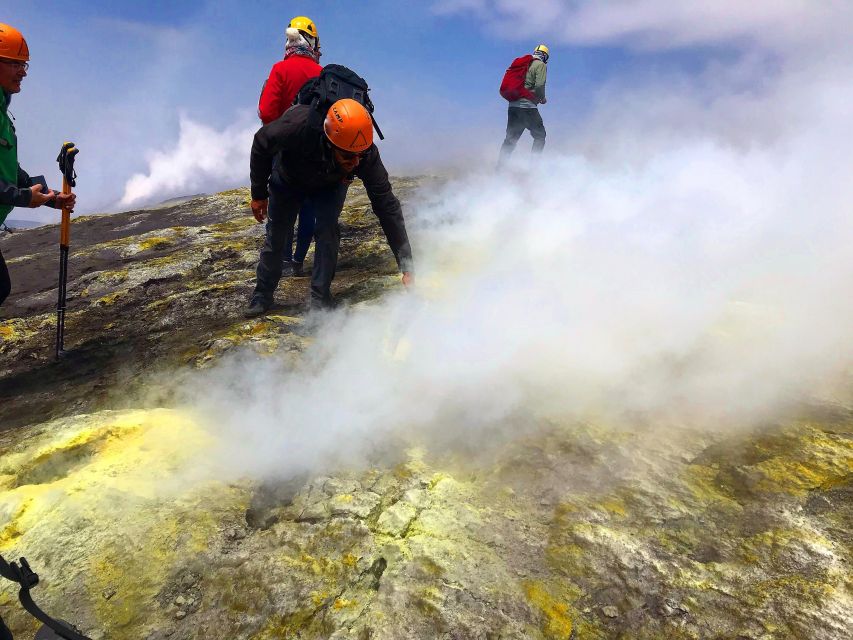
And because this is an advanced hike, the tour isn’t built for casual strolling. It’s paced for people who can handle altitude fatigue and steady effort at high elevation. One thing I really like about this format: your guide can keep the group safe while still giving you time to look around and understand the activity—gas emissions, low- and high-temperature fumaroles, and the brilliant colors of volcanic sublimates when visibility allows.
You can also read our reviews of more tours and experiences in Linguaglossa.
Meeting at Chiosco Bar Mareneve: logistics that matter more than you think
Start by getting the meeting point correct. The location is at Chiosco Bar Mareneve di Ferraro Giuseppa, not the Chiosco Bar Etna Nord. It’s near the skier chairlift in winter, in a parking area with four houses—yours is described as the second one.
That detail matters because the climb depends on everyone arriving on time for the 4×4 stage. The tour also runs with a minimum group size of 8 and is led by small groups of up to 10. If the minimum isn’t reached, the hike can be canceled. Practically speaking, that means your best bet is to plan for one flexible day in Sicily and not rely on this happening no matter what.
Language options are English, Italian, and French, and you’ll be with a licensed volcanology guide. Names you might hear from this operator’s guides include Edo, Vincenzo, and Daniele—and the common thread is that they explain how Etna evolves and what you’re looking at while you’re actually on the ground.
The 4×4 ride up the north side: why you start at 2,825m
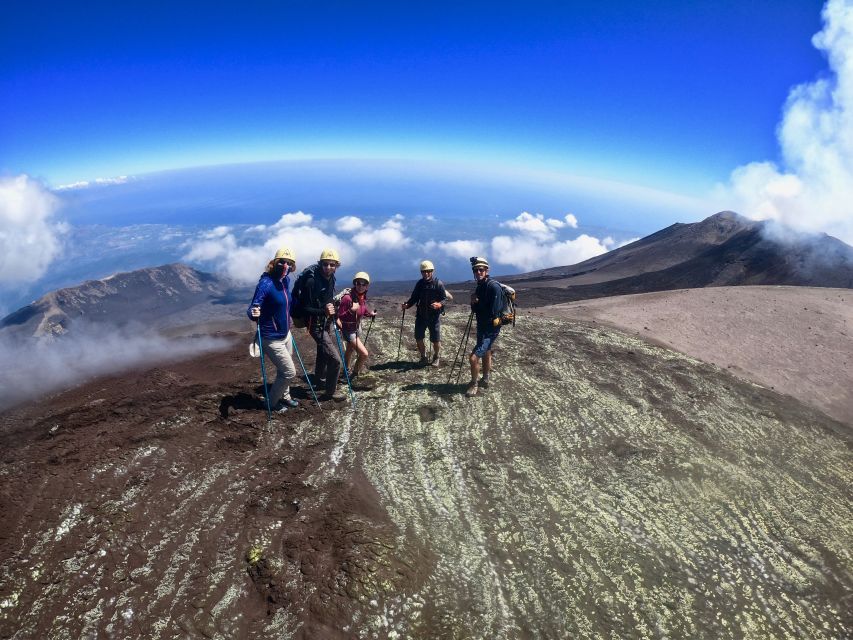
After meeting at around 1,800m, you board special 4×4 vehicles for about 30 minutes. The ride follows an 8-kilometer-long panoramic road on the north side of Etna and takes you up to roughly 2,825m.
This part is worth understanding because it shapes the whole hike. By lifting you higher before the serious walking starts, the tour keeps the time on steep crater terrain focused on the experience you came for. You’re not wasting your energy getting to the general summit zone.
Also note the cost detail: the 1-way 4×4 transport is not included in the base price. The additional off-road vehicle transportation is €50 per person, paid on the spot. So your realistic budget needs to include that if you’re starting from the meeting point and using the ride up as described.
There can also be some waiting time for the jeeps on both the way up and potentially later on the descent. It’s usually not presented as chaotic, but it’s smart to dress for waiting—wind at elevation is no joke.
Central Crater edge at 3,315m: fumaroles, gas, and that moonscape feel
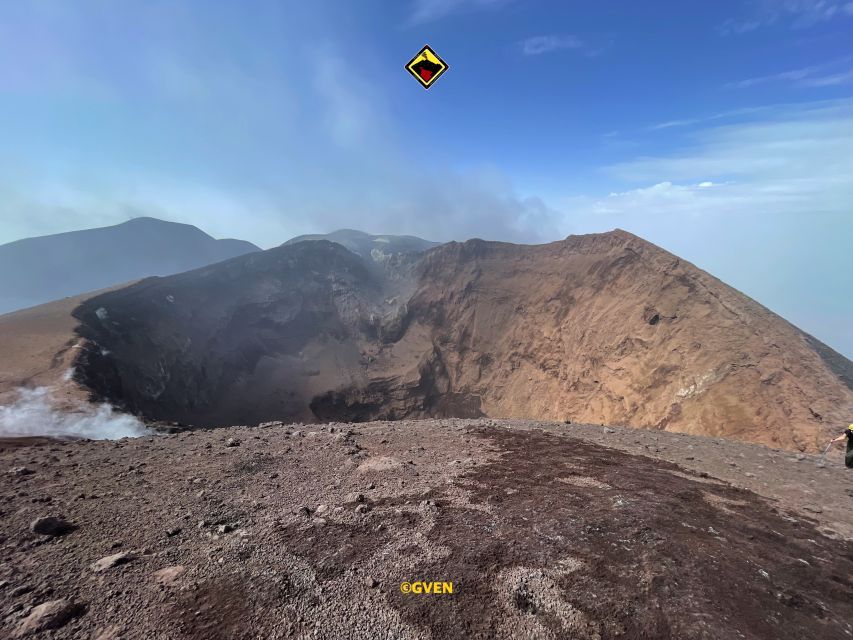
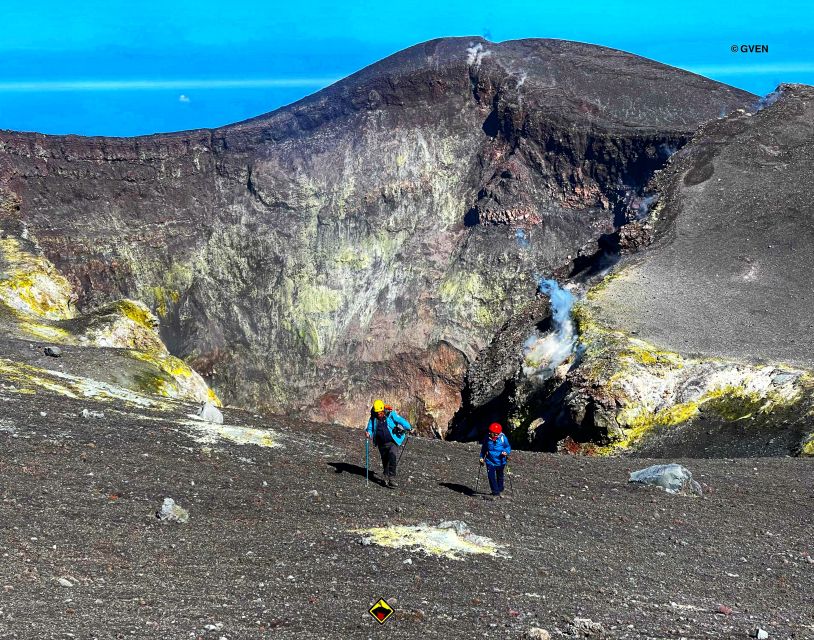
This is the main event: the walk from the high drop-off point up to the edge of the Central Crater. The uphill section is about 5 kilometers with a total uphill gain of around 490 meters, leading to the crater edge at about 3,315 meters.
The terrain is distinctly volcanic. Expect to walk through areas of volcanic slag, plus the kind of rough footing that comes with big volcanic bombs. Your boots matter here. If you’re wondering whether your legs will survive, think of it as a steady ascent that tests stamina more than speed.
At the crater edge, the experience becomes more than scenery. You’ll stop to admire active processes around the crater:
- Gas emissions
- Low- and high-temperature fumaroles
- Colors from sublimates (when conditions allow)
You might also get that rooftop view of Sicily, depending on weather and the amount of volcanic gas in the air. That condition check is important. The volcano can put visibility in and out of your control, and the guide’s job includes adjusting the plan according to environmental, climatic, or volcanic conditions.
A practical safety note: the route involves walking along crater edges. If you tend to get dizzy or uncomfortable with heights, this is one of the first tours you should rule out. The hike is specifically flagged as not suitable if you have vertigo or fear of heights.
Piano delle Concazze and the Anfiteatro ski-lift zone: where views come with wind
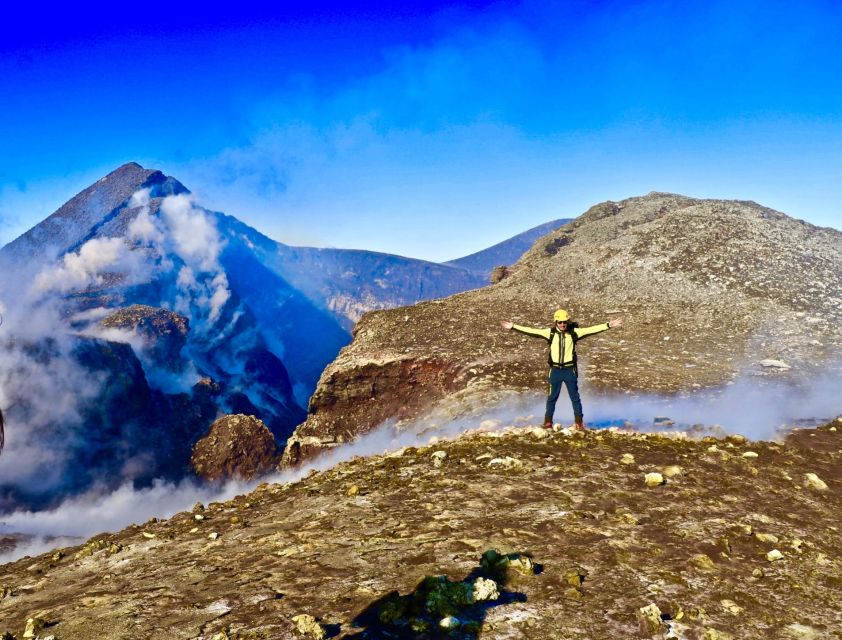
After the crater stop, the route continues toward Piano delle Concazze and then toward the Arrivo ski-lift Anfiteatro area. These stops act like breathing zones—short breaks and guided moments—while you transition through high-altitude volcanic terrain.
Here’s what to expect in the field: colder air, frequent wind, and changing footing underfoot. Even when the hike is going well, you can get hit by temperature drop fast once you’re at elevation, especially near crater zones.
From a value standpoint, these middle stops help you stay oriented and not rush through the experience. The guide’s explanations aren’t just a lecture; they connect what you see—lava flows, emissions, temperature differences—to the evolution of the volcano.
If you get the chance to look out during clear weather, you’ll get sweeping views, but don’t count on calm skies. Some of the most intense summit conditions are simply how Etna feels up there: exposed and loud in wind, even when everything looks still.
Lunch at the Volcanological Observatory base: fueling for the long drop
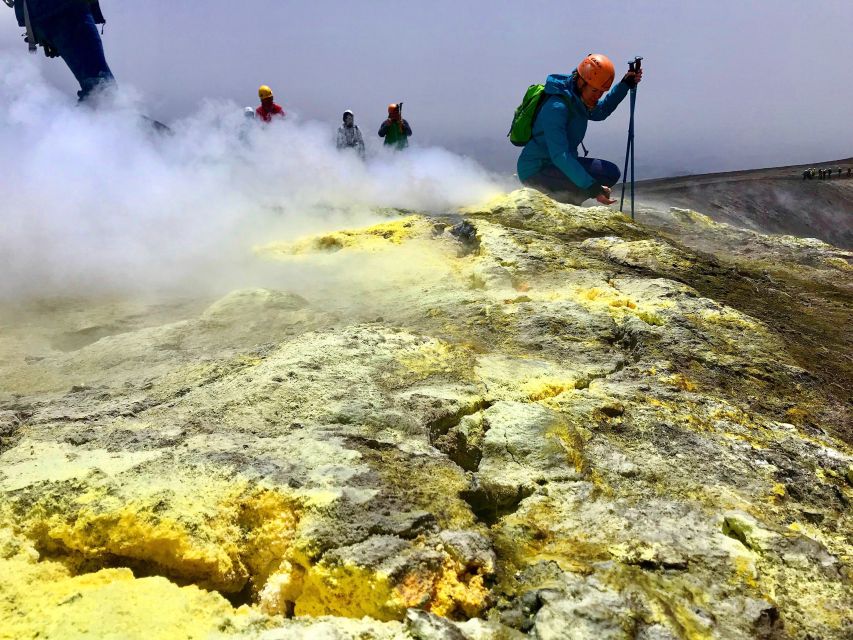
Once you’ve had the summit-adjacent viewing time, you start working downhill toward the base of the Volcanological Observatory, where you stop for lunch. Lunch is not included, so bring a packed meal and water.
This stop is strategically placed. It’s not just a break; it’s your chance to reset before the harder part of the outing. The descent is described as potentially tougher than the climb because you lose a lot of elevation over volcanic slopes.
Also, keep in mind that off-road descent options exist. The tour notes that a vehicle descent from around 2,800m down to 1,800m is optional and costs €20 per person, paid on the spot. If your knees are in question, ask your guide during the walk so you can decide with clear info rather than waiting until it’s already too late.
Piano Provenzana descent through sandy channels: beauty with consequences for knees
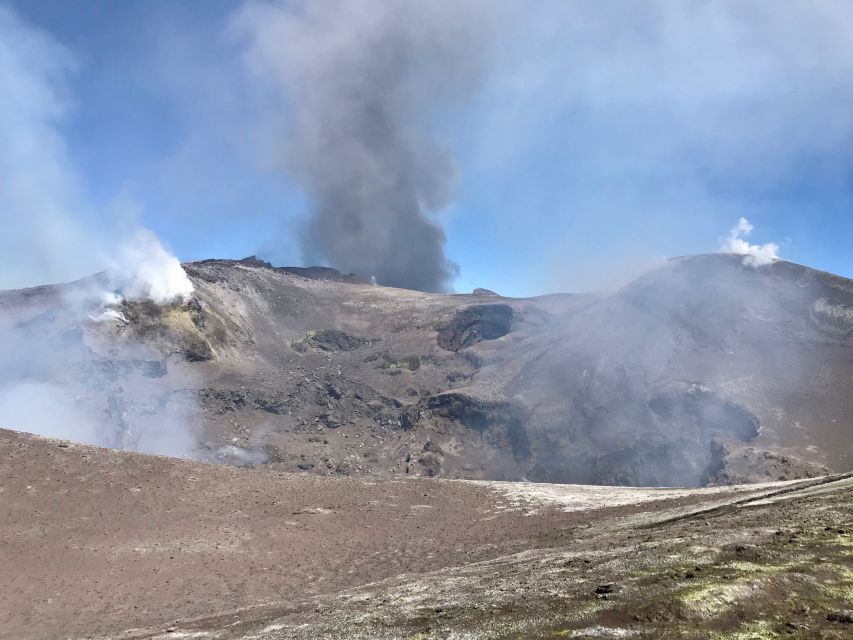
The latter part of the route continues downhill along characteristic terrain on the northeast side of Etna, including large sandy channels. You’ll pass through areas with endemic plants and seasonal streams along the way to Piano Provenzana, the endpoint.
This section is one reason the tour is categorized for experienced hikers. The downhill isn’t just steep—it can be slow and punishing because sand and volcanic ash behave differently underfoot than trail dirt. You’re descending roughly 1,500 meters total (variation possible), from about 3,300m to about 1,800m.
If you’ve ever felt your knees seize up after steep descents, treat that as your warning sign. The hike is strongly not recommended for people with joint problems and especially knee problems. In fact, for this tour, it’s not enough to be confident on the uphill—you need confidence on the downhill mechanics too.
Time-wise, expect 5 to 6 hours total on the route, with round-trip distance around 12 km (variable). Only about 5 km is uphill, but the overall effort is shaped heavily by the downhill return.
Price and value: what €130.28 really becomes on Etna
The listed price is $130.28 per person, but the real cost equation depends on transport and what you bring.
What you’ll likely still need to budget for:
- €50 per person for the 1-way 4×4 transport (paid on the spot)
- €20 per person if you choose optional off-road vehicle descent from around 2,800m to 1,800m
- €3 parking ticket for the whole day (paid on the spot)
- Lunch and water (not included)
Now the good news: the tour includes a lot of real hiking support. You get volcanological guide, guided hike, trekking poles, protective helmets, trekking shoes and extra socks, warm jackets, and backpacks.
That gear package is part of the value because high-altitude hikes fail fast when you show up underprepared. You can still be a capable hiker and end up miserable if you miss wind protection, gloves, or proper footwear. Having those basics handled reduces risk and hassle.
One more value angle: the experience is science-based. You’re paying for more than motion—you’re paying for an expert who can explain what you’re standing on while you’re standing on it.
Gear, clothing, and rules that keep the hike sane
For a tour like this, “packing light” can become “packing wrong.” Bring what you need for wind, cold, and wet rock.
Recommended items you should bring:
- Windbreaker
- Sunglasses and hat
- Gloves
- Long pants
- Rain gear
- Food and drinks, plus snacks
- Packed lunch
- Water
- Hiking shoes (and ensure you can use the supplied footwear comfortably, if offered)
Even with warm jackets included, you still need layers for temperature swings and wind. And if you’re the type who hates gloves because you like phone use, bring gloves anyway. Cold fingers ruin crater-edge attention fast.
What’s not allowed:
- High-heeled shoes, sandals/flip-flops
- Baby strollers, luggage or large bags
- Short skirts, sleeveless shirts, slippers
- Umbrellas
That list is practical. It keeps people safe on rough volcanic terrain and stops gear from becoming a trip hazard.
Also remember: crater-edge walking can cause vertigo for some people. Even if you think you’re fine with heights, this is one where the terrain and exposure can surprise you.
Who should book this Etna Central Crater hike, and who should skip it
This is for trained hikers and advanced conditions. The tour is not a beginner hike, and it’s marked as not suitable for people without experience. It also lists several specific health and mobility limitations, including: pregnancy, back problems, mobility impairments, heart problems, respiratory issues, epilepsy, high blood pressure, and low fitness.
It’s also not a good match if you:
- Get vertigo
- Are afraid of heights
- Struggle with knees or joints on steep descents
If you’re an experienced hiker and you regularly handle mountain terrain, this route can be an unforgettable Etna day. One reason I think it’s especially strong for the right audience is the small group size (up to 10), which helps keep pace and safety more controlled on uneven volcanic ground.
Should you book Mount Etna’s Central Crater guided hike with Vulcanologiche Etna Nord?
Yes, if you want the summit craters up close and you can handle a steep, long downhill. The price makes more sense once you factor in the included gear (poles, helmet, warm jacket, shoes) plus the volcanology guidance, and the Central Crater access at about 3,315m is the core reason to go.
Maybe skip it (or choose a less demanding Etna option) if any of the following are true: you have knee or joint issues, you get vertigo, you’re not confident on steep descents, or you want a casual walking tour. This one is work in a dramatic setting—sometimes intensely windy, often demanding, and always real.
If your main goal is to understand Etna as an active volcano while walking through volcanic material rather than just viewing it, this is one of the better-structured ways to do it on your Sicily trip.
FAQ
How long is the Mount Etna Central Crater guided hike?
The duration is listed as about 5 hours, with start times depending on availability. The total trekking route is described as taking 5 to 6 hours.
What altitude does the hike reach?
The maximum altitude reached is about 3,315 meters at the Central Crater edge. The minimum altitude is about 1,800 meters at the meeting point area.
How difficult is this hike?
It’s rated for experienced hikers who are accustomed to regularly going to the mountains. The long descent can be harder than the climb, and it is strongly not recommended for people with joint problems, especially knee problems.
Where do you meet and where does it end?
You meet at Chiosco Bar Mareneve di Ferraro Giuseppa (not Chiosco Bar Etna Nord). The tour ends back at the same meeting point.
Is transportation to the higher start point included?
No. The 1-way transportation by off-road vehicles to the higher start point costs €50 per person and is paid on the spot.
Can you get a ride down instead of hiking the whole way?
An off-road vehicle descent from about 2,800m to 1,800m is optional and costs €20 per person, paid on the spot. You need to let the guide know if you want it.
What’s included in the price?
Included items and services are the volcanological guide, guided hike, trekking poles, protective helmets, trekking shoes and extra socks, warm jackets, and backpacks. Lunch and water are not included.
What should I bring?
Bring windbreaker, sunglasses, hat, packed lunch, snacks, food and drinks, water, rain gear, gloves, long pants, and weather-appropriate clothing. Hiking shoes are also recommended.
What languages are the guides?
The live guide is available in English, Italian, and French.
What if the minimum group size isn’t reached?
The activity requires a minimum of 8 participants in total, and it may be canceled if that minimum number is not reached.