REVIEW · HAKONE
Hike Hakone Hachiri Japan Heritage Area
Book on GetYourGuide →Operated by Hike Hakone Hachiri 合同会社 · Bookable on GetYourGuide
Old Tokaido still feels like a living route. This 8-mile hike links feudal travel between Tokyo and Kyoto/Osaka, and it mixes forest walking, big “arrived here” landmarks, and Lake Ashi views. I especially like the way you start with amazake at one of the old teahouses, then keep rolling along historic stone paths and checkpoints.
My second favorite part is the pacing: you get real breaks for lunch by the lake and a photo spot for Mount Fuji when the sky cooperates. One thing to consider: it is not a level stroll. The route includes stamina-testing climbs, and it is not suitable for people with mobility impairments.
In This Review
- Key highlights worth your attention
- Old Tokaido on Foot: Tokyo to Kyoto in one hike
- Hakone-Yumoto meeting and the day’s flow (without the stress)
- Amazake Chaya at the start: warm tradition before the hike
- Cedar Avenue and Hakone Checkpoint: where the road feels official
- Lake Ashi lunch: a calm break plus Fuji odds
- Yamanaka Castle Ruins: stamina check on the old road
- Mishima’s Genbe River Water Area: a softer finish to the day
- Price and value: $451 per group up to 6 people
- What to bring and how to survive the day with good energy
- Who should book this hike (and who should skip it)
- Should you book Hike Hakone Hachiri Old Tokaido?
- FAQ
- Where does the hike start and where does it end?
- How long is the tour and how much do I walk?
- How do I get there from Tokyo and how do I return?
- What’s included in the price?
- What isn’t included?
- Is this hike suitable for people with mobility impairments?
Key highlights worth your attention
- One private English guide who can steer the day based on your schedule and the weather
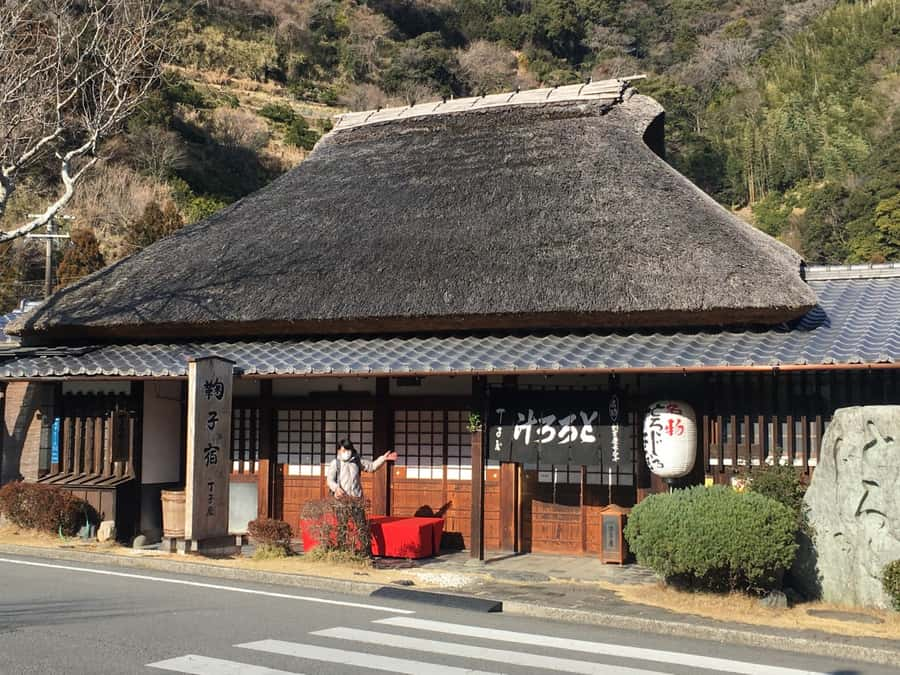
- Amazake Chaya tea stop on the Old Tokaido, one of the few remaining teahouses
- Cedar Avenue under 400-year-old trees plus a walk through Hakone Checkpoint
- Lake Ashi lunch and Fuji photo timing (weather permitting)
- Yamanaka Castle Ruins hike along mostly forested sections of the old road
- Mishima finish with Genbe River World Heritage Water Area for a calmer end to the day
Old Tokaido on Foot: Tokyo to Kyoto in one hike
The story behind this walk is the main reason it works. The Old Tokaido was Japan’s classic overland route, built for the movement of people, news, and power between the new capital in the east and the older centers in the west. Walking a section of it today feels less like sightseeing and more like stepping into how travel used to happen.
In this specific hike, you’re not stuck in one “pretty viewpoint loop.” You move through multiple environments: forest paths, stone road segments, a lake shoreline arrival, and then a continuation through more woods toward Yamanaka Castle Ruins. That mix matters because it keeps your attention on the route itself, not just on one photo stop.
And you’ll likely notice how the guide frames small details. Tony, the English-speaking guide I kept hearing about, tells the history as you walk rather than turning the day into a lecture. That makes the road feel human, not museum-like.
You can also read our reviews of more tours and experiences in Hakone.
Hakone-Yumoto meeting and the day’s flow (without the stress)
The hike starts at Hakone-Yumoto Station and ends at Mishima Station. The plan is built around standard train travel: you’d catch Tokaido Shinkansen Kodama #707 from Tokyo at 07:57, get off at Odawara at 08:30, then take the local train onward to Hakone-Yumoto.
Once you’re at Hakone-Yumoto, the day continues with a short taxi/black cab to near Amazake Chaya, then you start walking from there. At the end, you head by bus/coach toward Mishima, stroll along the Genbe River World Heritage Water Area, and finish back at the station for your return Shinkansen (Kodama #734 at 17:24, arriving Tokyo at 18:18).
This matters because the route is long enough that getting lost would waste your energy. A private guide makes the logistics invisible. One review also mentioned Tony being able to help with return tickets at Mishima, which is exactly the kind of “small fix” that keeps the day on track.
Amazake Chaya at the start: warm tradition before the hike
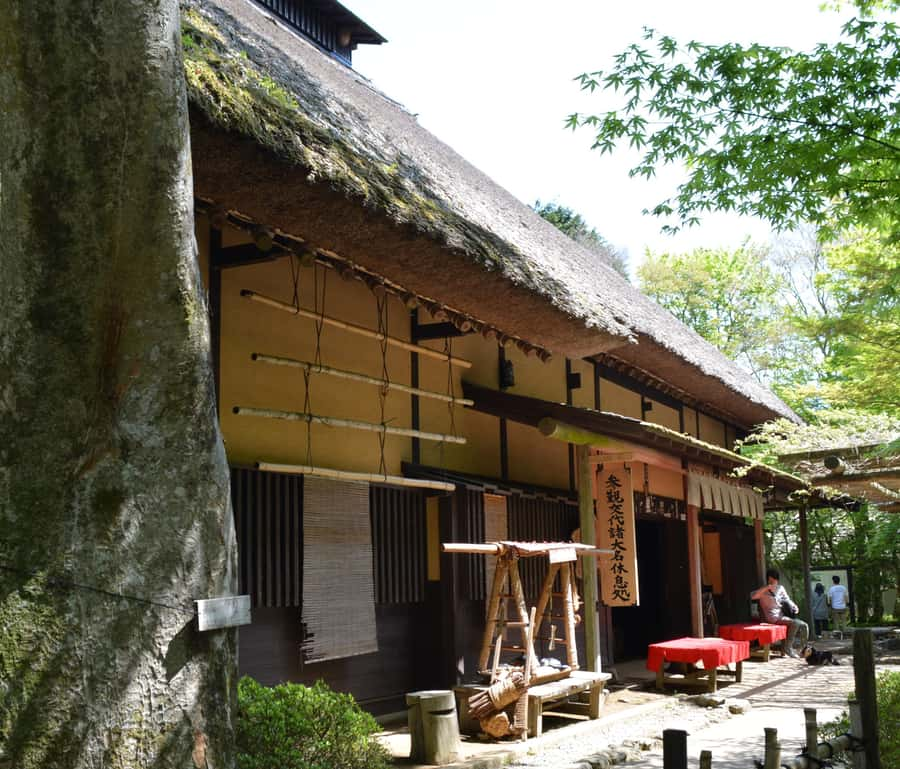
The day begins with a teahouse stop that is more than a snack. You head to near Amazake Chaya, described as one of the few remaining teahouses that once lined the Old Tokaido. This is your gentle ramp-up: get a cup of amazake (non-alcoholic fermented rice drink) and get your bearings.
Practically, it’s a smart start for a long hike. You’ll likely have some time before walking gets steady, and that’s when a teahouse break helps you keep energy later. You also get a real taste of how old road culture worked: travelers didn’t only walk between big cities. They paused, replenished, and exchanged news.
In one account, the teahouse owner’s story became a memorable family moment, with Tony translating and connecting the conversation to the broader history of the area. Even if you’re not a “chatty” traveler, this kind of stop makes the route feel personal.
Cedar Avenue and Hakone Checkpoint: where the road feels official
After you warm up, you follow the stone-paved Old Tokaido through the forest down toward the shore of Lake Ashinoko in Moto-Hakone. That transition—woods to water—tends to reset your legs and your mood. It’s not just scenery. It signals you’re moving along a corridor that mattered.
Then comes one of the most photogenic stretches: the mile-long Cedar Avenue, lined on both sides with towering 400-year-old cedar. This is the kind of walkway where the air feels cooler and your steps slow naturally. It also gives the guide a chance to point out how nature and travel infrastructure shaped each other.
You’ll then pass through Hakone Checkpoint, another landmark that turns the walk from “scenic trail” into “historic route.” Checkpoints were about control and order—who could pass, what could move, and how the road was managed. Walking through one makes the old Tokaido feel less like folklore and more like real infrastructure.
Lake Ashi lunch: a calm break plus Fuji odds
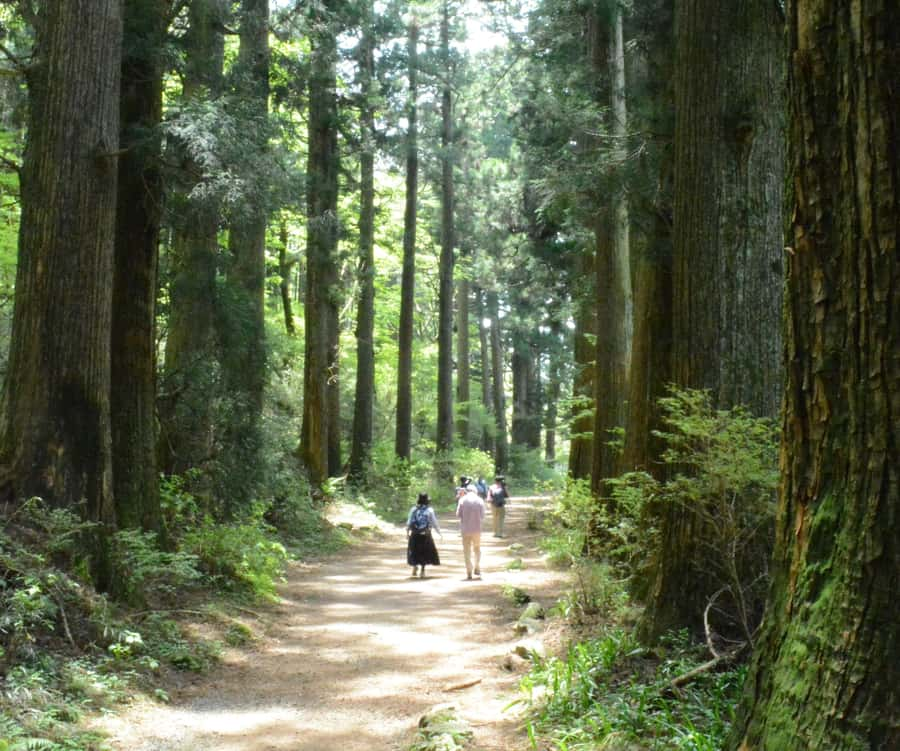
Your lunch break happens by Lake Ashi. This is a practical timing choice. Midway through the day, after cedar and checkpoint, you get time to eat, rehydrate, and regroup before the later hike toward the castle ruins.
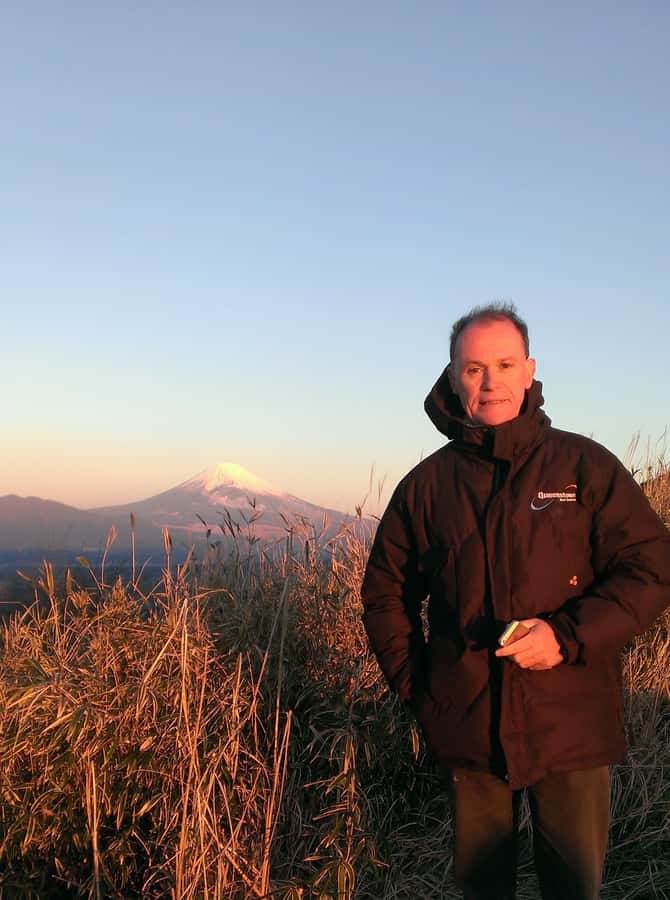
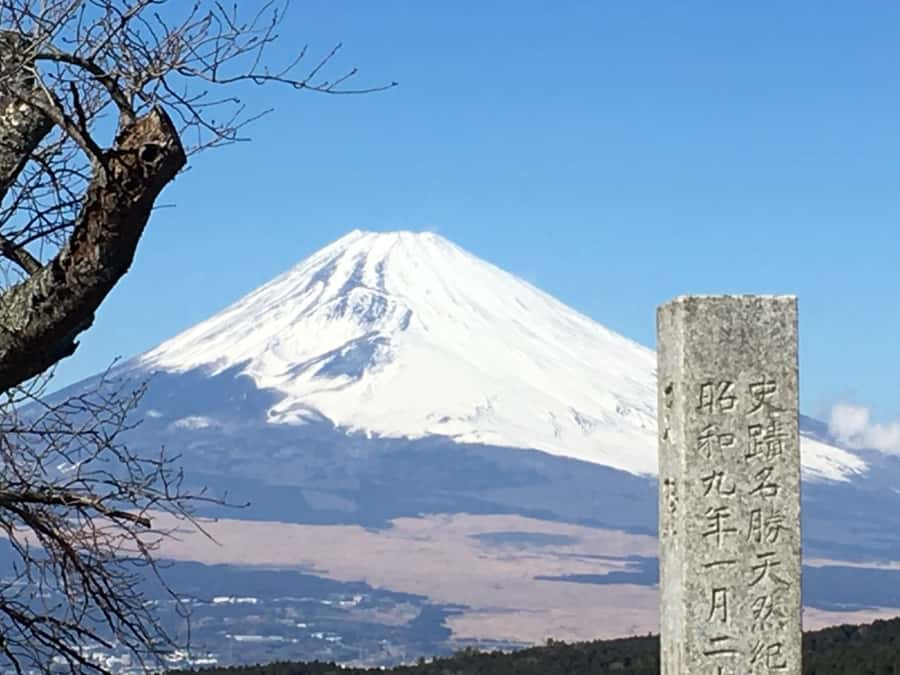
It’s also where the day’s “Mount Fuji weather math” starts. After lunch you rejoin the Old Tokaido again, and there’s a Mount Fuji photo opportunity (weather permitting). That means don’t assume you’ll see it. But with a guide who watches conditions and keeps the schedule realistic, you’re more likely to hit the window than if you were wandering on your own.
One detail I’d take seriously: the day can turn rainy. In one experience, the route timing was managed so the group finished about ten minutes before rain came down. That’s exactly what you want from a local guide—flexibility without panic.

Yamanaka Castle Ruins: stamina check on the old road
After Lake Ashi, the hike continues along Old Tokaido with a lot of forested walking, aiming toward Yamanaka Castle Ruins. This section is less about flat views and more about endurance and steady footing.
Here’s my honest take: if you expect a casual stroll, you’ll be surprised. Multiple accounts noted that parts of the climb test stamina. This is why you should treat sports shoes as non-negotiable. A jacket also matters, even on pleasant days, because forest shade can feel cooler once you’re moving.
Also, pay attention to footing around the ruins approach. One account mentioned Tony carrying or bringing extra equipment to help prevent slipping/falling. You’ll be glad if you’re the kind of person who wants to rely on a guide who plans for real trail conditions, not just the map.
When you reach the castle ruins area, you’re trading “perfect postcard views” for something more atmospheric: the feeling of a historical stronghold perched above travel routes. Even if you don’t know the full story, the location makes sense once you’re there.
Mishima’s Genbe River Water Area: a softer finish to the day
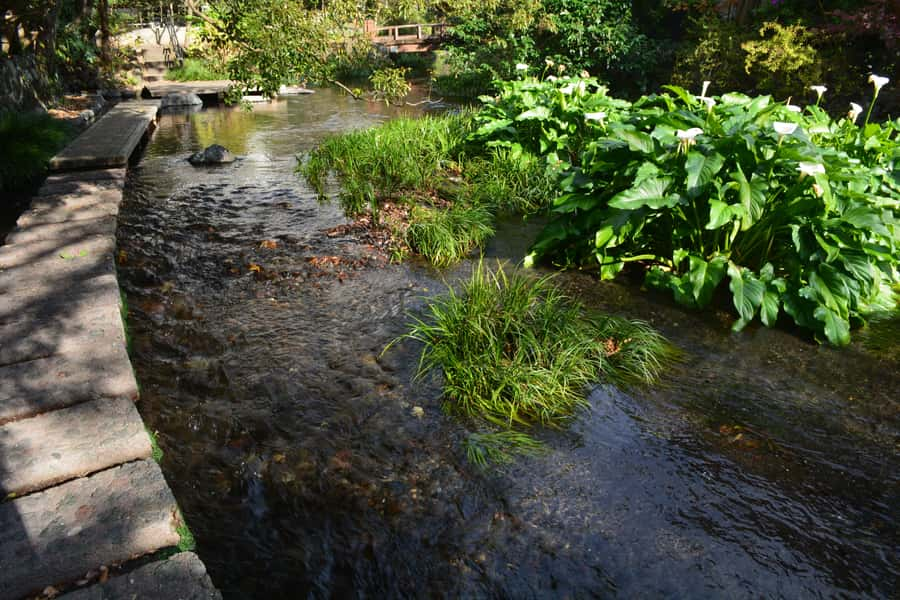
Once your main hike ends, you head by bus/coach to Mishima. The final stretch is a stroll along the Genbe River World Heritage Water Area, ending at Mishima Station.
I like this kind of finish because it changes gears. After hours of walking up and down historic paths, you get a calmer, slower end. Water-area walking tends to feel grounding: you’re not battling steep grades, and you can catch your breath while still seeing something meaningful.
This is also a helpful way to handle the day’s logistics. You finish near the station, then you’re set up for your Shinkansen return timing. One of the nicer “tour math” advantages here is that the day ends before it becomes an all-night adventure.
If you’re tired, this segment gives you a “walk, don’t climb” option. If you still have energy, it’s a chance to linger and notice the details of water and heritage access instead of rushing to the platform.
Price and value: $451 per group up to 6 people

The price is $451 per group (up to 6) for an 8-hour experience. On paper, that can look like a lot. But this is a private route with a live English guide, and the guide’s fee, expenses, and gratuity are included.
Here’s the value math: if your group fills the cap of 6 people, you’re looking at roughly $75 per person for a full day with a guide. If you book as 2 people, it’s closer to $225 per person, and you’ll want to be clear that you’re paying for private pacing and routing, not just for a basic hike.
Also remember what’s not included: transport, entry fees, refreshments, and lunch (plus souvenirs). Lunch by Lake Ashi is scheduled, but you’ll still be buying your own meal. That means you should budget for food and transit costs on top of the tour price.
In return, you’re getting the kind of guided context that makes historic walking more than footsteps. Tony’s fluency in both English and Japanese is a big part of why he can translate conversations and explain details as you go.
What to bring and how to survive the day with good energy
This hike comes with a clear packing theme: stay comfortable, move safely, and stay warm enough for changing conditions. The basics listed are hat, jacket, and sports shoes.
I’d treat those as minimums, not suggestions. Add a small bottle strategy (water you can carry) even though it isn’t explicitly listed, because an 8-mile day adds up quickly. Also think about sun protection in open stretches. You’ll be under cedar a lot, but you’ll still have brighter moments when the trail opens.
For pacing, here’s the truth: the route is long enough that you’ll want to eat and hydrate during your breaks instead of waiting until you feel wiped. Lunch by the lake is your structured moment. The amazake teahouse stop is your earlier reset.
If you’re sensitive to steep sections, you’ll also appreciate the private format. A guide can slow the group down, adjust where you pause, and help you keep a steady pace without turning it into a race.
Who should book this hike (and who should skip it)
This is best for you if you want an active day with cultural context. You’ll likely enjoy it if you like historic routes, walking through meaningful landmarks like Hakone Checkpoint, and seeing how people once moved across Japan.
It’s also a good fit if your group values flexibility. Several accounts praised Tony’s communication ahead of time and his ability to handle weather and timing so the day stays enjoyable. That matters when you’re hiking for hours and rain is always a possibility.
Skip it if you have mobility limits. The tour is not suitable for people with mobility impairments, likely because of walking distance and the terrain involved in a route like this.
If you’re traveling solo and want a social group, this is private rather than shared, so you won’t get random “hike buddies.” On the other hand, private is often the best way to ask questions and keep your pace in sync with your stamina.
Should you book Hike Hakone Hachiri Old Tokaido?
Book it if you want one memorable day that mixes history, nature, and real routing skills. The Old Tokaido section, the 400-year-old cedar avenue, and the Lake Ashi + ruins + Mishima combination is a full arc, not a single stop.
Don’t book it if you want an easy, flat walking experience or if you can’t handle uneven ground and stamina-testing climbs. Also plan on paying for your own food, refreshments, and transportation beyond the guide.
One final practical note: the tour offers free cancellation up to 24 hours in advance, so you can react to weather without losing sleep. If you’re the kind of traveler who would rather hike with good timing than gamble on luck, this is the kind of plan worth locking in early.
FAQ
Where does the hike start and where does it end?
It starts at Hakone-Yumoto Station and finishes at Mishima Station.
How long is the tour and how much do I walk?
The total duration is 8 hours, and the walking distance is about 8 miles.
How do I get there from Tokyo and how do I return?
You can take Tokaido Shinkansen Kodama #707 from Tokyo (07:57) to Odawara (08:30), then a local train to Hakone-Yumoto. To return, the plan includes Shinkansen Kodama #734 from Mishima (17:24) arriving Tokyo at 18:18.
What’s included in the price?
Included are the guide fee, guide expenses, and guide gratuity.
What isn’t included?
Transport, entry fees, refreshments, lunch, and souvenirs are not included.
Is this hike suitable for people with mobility impairments?
No. It is not suitable for people with mobility impairments.