REVIEW · HAKONE
Hike Hakone Hachiri
Book on Viator →Operated by Walk Hakone Hachiri · Bookable on Viator
Cedar shade and checkpoint stories in one day. This Hakone Hachiri hike stitches together the old Tokaido Highway from Edo-era Japan with real places you can still stand in, including Amasake Chaya run by Mr Yamamoto. I love the human touch here, especially meeting the family behind this long-running stop, and I love how the walk along the cedar-lined road turns into a clear, step-by-step history lesson with guide Tony.
One thing to consider: it’s a 9-hour outing with a moderate hike, including some stony footing, so sturdy shoes and a steady pace matter more than you might expect.
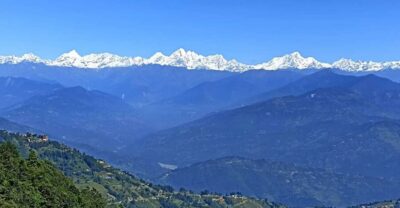
With a private setup (only your group), you’ll get a more personal rhythm than big group sightseeing. And if weather gets iffy, Tony is the type to adjust so you still get the best version of the day—something you’ll really appreciate in Hakone’s mood swings. Mt Fuji views are weather-dependent, but even without them, the route stays interesting.
In This Review
- Key highlights to look for
- Walking a real Tokaido route in Hakone Hachiri time
- Amazake Chaya with Mr Yamamoto: more than a snack stop
- Lake Ashinoko lunch: the crater lake with red torii
- Cedar Avenue and the Tokugawa planting story
- Hakone Sekisho checkpoint: where travel got controlled
- Yamanaka Castle Ruins: Hojo’s border defense around 1590
- The 12 km Odawara–Mishima old foot highway
- Genbegawa World Water Heritage Area: ending with water in Mishima
- How the hike actually feels: pace, shoes, and weather
- Price and value: what you pay for (and what you don’t)
- Who this tour suits best (and who should think twice)
- Final call: should you book Hakone Hachiri?
- FAQ
- How long is the Hakone Hachiri hike?
- Where do you meet, and where does the tour end?
- Is this a private tour?
- What’s included in the price?
- What is not included?
- What kind of fitness level do I need?
- What happens if the weather is bad?
Key highlights to look for
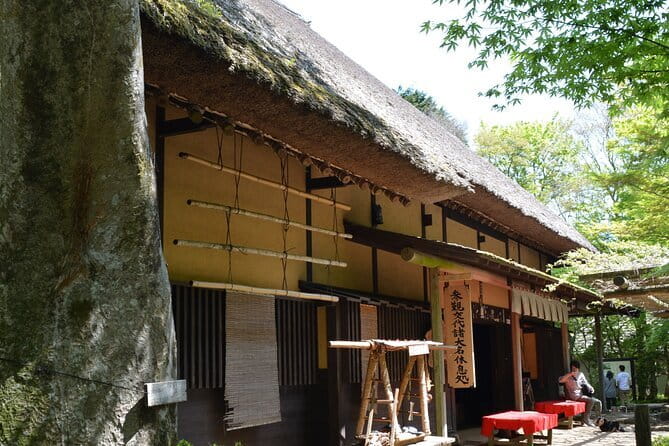
- Mr Yamamoto’s 13th-generation Amasake Chaya visit: one of the few remaining teahouses from the old Tokaido era.
- Lake Ashi’s crater-lake setting with red torii in the water: lunch with a view that feels straight out of a postcard, minus the crowd crush.
- The cedar story of Tokugawa Hidetada: why Cedar Avenue exists and what those centuries-old trees were planted to do.
- Hakone Sekisho checkpoint + museum: how the closest checkpoint to Edo helped control who traveled where.
- Yamanaka Castle Ruins around 1590: Hojo’s border defense, interpreted in plain language on the ground.
- A long Tokaido stretch in Japan Heritage Area territory: about 12 km of old foot highway between Odawara and Mishima.
Walking a real Tokaido route in Hakone Hachiri time
This is not a museum day. You’re hiking the old route that used to link Tokyo with Kyoto and Osaka, with the Hakone section treated as part of Japan Heritage Area storytelling. That matters because it changes how you experience the places: instead of seeing ruins from a distance, you feel how travel would have worked—stops, checkpoints, and long foot stretches.
You’ll start in Mishima and end back there, which keeps the logistics straightforward. The tour runs about 9 hours, paced for a moderate hike, so plan on being on your feet most of the day, not just “looking around.”
You can also read our reviews of more tours and experiences in Hakone.
Amazake Chaya with Mr Yamamoto: more than a snack stop
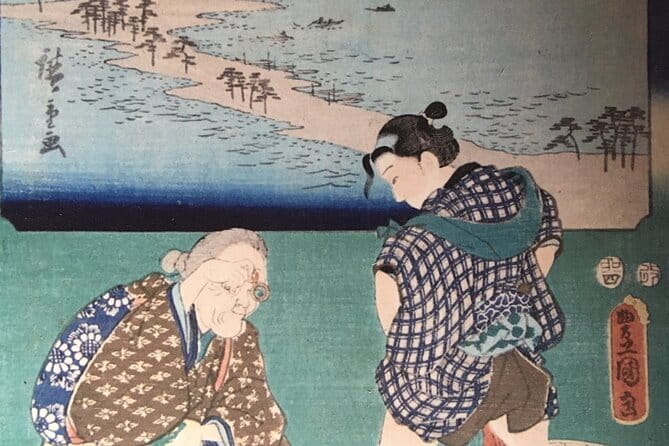
The day begins at Hakone Amazake Tea House, where you meet the long-time manager Mr Yamamoto, a 13th-generation steward of his teahouse. This is one of the few remaining teahouses that used to line the Tokaido road, meaning you’re not just learning a story—you’re stepping into a working piece of it.
Amasake (a traditional sweet drink) is the signature here, and the place has that calm, family-run feel you don’t get from modern tourist traps. What I like most is that this stop doesn’t feel staged. You get the sense of continuity: a place that has served travelers across generations.
Possible drawback: if you’re expecting a quick photo-and-go moment, this stop is more about conversation and atmosphere than a fast checklist.
Lake Ashinoko lunch: the crater lake with red torii
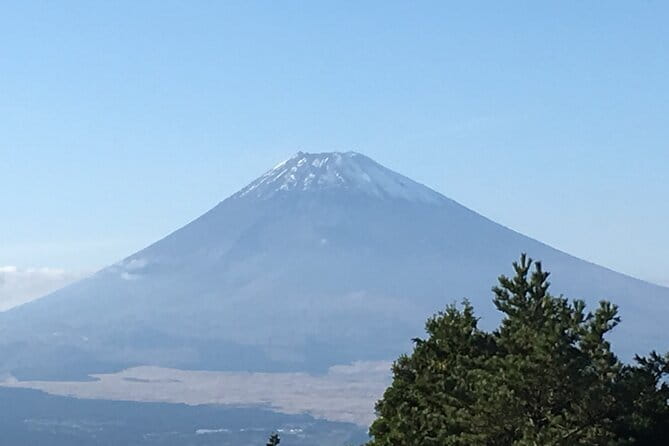
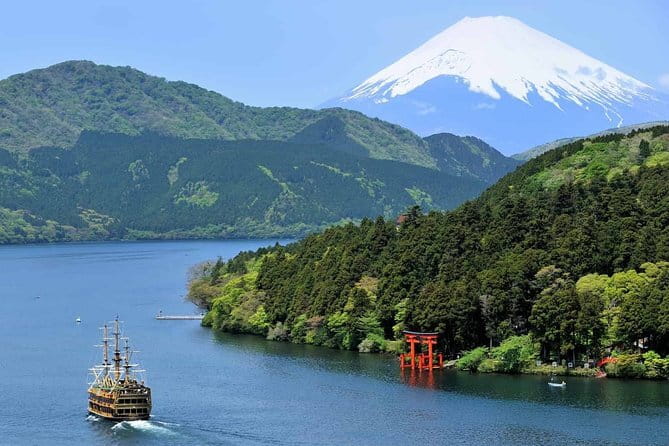
Next you head to Lake Ashinoko, a 700m deep crater lake with famous red torii gates out in the water. The tour includes time for lunch here, but lunch itself is not included in the price. In practice, that means you’ll likely buy your meal on site while taking in the lake view.
This stop is worth it because the scenery connects to the region’s spiritual and travel identity. Those torii gates aren’t just decorative; they signal a connection between water, faith, and the way people have navigated this landscape for a long time.
If the weather is cloudy, you may not get dramatic views. Still, even overcast, Lake Ashinoko tends to feel calm and “in-between,” like Hakone is asking you to slow down for a bit.
Cedar Avenue and the Tokugawa planting story
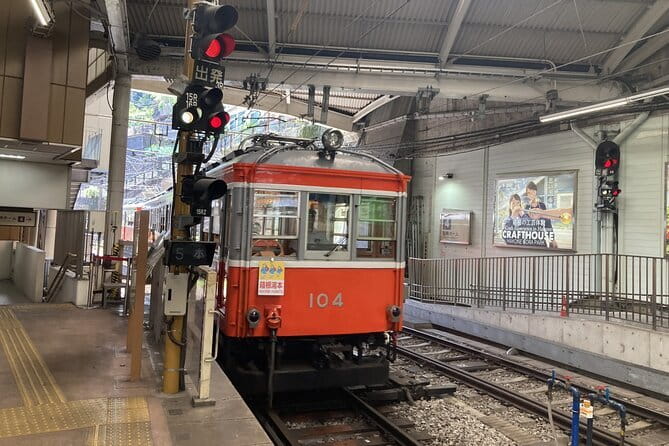
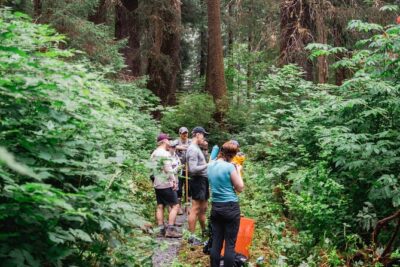
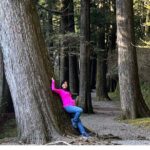
Then comes one of the most sensory parts: the Cedar Trees of Hakone Old Road, often called Cedar Avenue. The trees here are tied to an Edo Period directive—Tokugawa Hidetada ordered the planting of sugi (Japanese cedar) along both sides of the Tokaido to provide shade for travelers.
You can feel what that meant on foot. Shade isn’t just comfort; it’s survival on long travel days. This stop is only short on the schedule, but it lands because the guide connects the trees to the job they were meant to do.
Practical note: cedar shade can also mean cooler air underfoot. If you tend to get chilled easily, consider a light layer.
Hakone Sekisho checkpoint: where travel got controlled
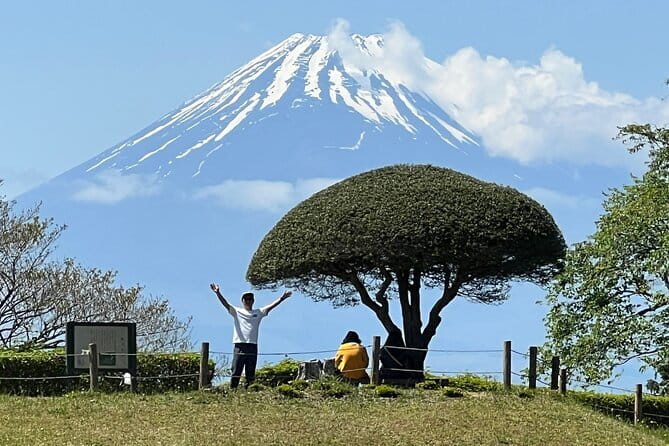
One of the best “how Japan worked” stops is Hakone Sekisho and its museum. The Tokaido road had checkpoints at intervals, and their job was practical: ensure travelers were legitimate and help protect the Shogun in Edo.
Hakone was the closest checkpoint to Edo, which meant it could be one of the most serious places for travelers to face questions and scrutiny. The museum stop helps you picture what a traveler might have gone through—paperwork vibes, inspections, and the reality that long-distance movement wasn’t casual.
I like that the guide keeps this grounded. It’s not just facts; it’s how enforcement changes behavior. If you enjoy history that explains everyday life instead of just rulers and dates, this is a highlight.
Yamanaka Castle Ruins: Hojo’s border defense around 1590

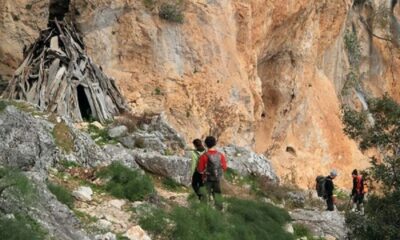
Next you visit Yamanaka Castle Ruins, a site that literally fits its name—castle in the middle of the mountain. The story here connects to Hojo’s western boundary, with the defenses tied to the late 1500s (around 1590).
Earthworks can look vague if nobody explains them, but on a hike you get a better sense of why the terrain mattered. You start to see how borders were defended: not just by walls, but by the shape of access and the difficulty of approach.
Possible drawback: with only about a short stop allotted, you won’t “study” the site like a museum visit. You’re there to get the interpretation and move on—ideal for active travelers, not perfect for people who want long unguided wandering.
The 12 km Odawara–Mishima old foot highway
This is the main walking work: a 12 km stretch of the Old Tokaido Foot Highway between Odawara and Mishima, preserved as part of a Japan Heritage Area. It’s also where the tour starts to feel like what old travelers did: step, pause, step again, taking in the road’s rhythm.
From what I’ve seen work well on this kind of route, the best mindset is steady patience. Don’t rush to “finish.” Let the guide tell you what you’re seeing and why it mattered.
The route can also feel extra interesting in rain. On wet days, you may notice more water features and slick textures along the way, so pay attention to footing and keep your pace sensible. Some people come for the history lesson; others come for the workout. Most get both.
Genbegawa World Water Heritage Area: ending with water in Mishima
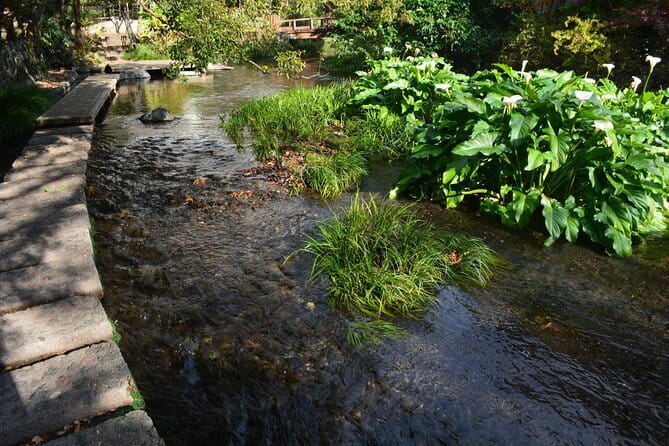
When you reach Mishima, the walk shifts to the Genbegawa World Water Heritage Area. It’s a good closing chapter because it ties the day’s walking to a simpler theme: water systems and how they shape a place.
This final segment is shorter, but it helps your brain stop “only hiking” and start “noticing the region.” You end the day with a clearer sense of why the area has endured and what locals depend on.
How the hike actually feels: pace, shoes, and weather
Plan for a full morning-to-afternoon outing. The tour is listed at about 9 hours, with multiple time blocks ranging from short orientation stops to a longer main walk.
Sturdy shoes matter. The route can include stones and uneven sections, and you’ll be happier if you’ve got grip. If you only pack walking shoes that work great on flat city sidewalks, swap to something more supportive.
Weather is also real here. The tour requires good weather, and if poor conditions cancel the experience, you’ll be offered a different date or a full refund. That’s a relief. Hakone can change fast, so I’d treat the “weather permitting” Mt Fuji viewing as a bonus, not a promise.
And if it rains? A big pro of having guide Tony is the day doesn’t fall apart. He tends to keep communication open and adjust so you still get meaningful stops and a workable route.
Price and value: what you pay for (and what you don’t)
At $231.18 per person, this is not a budget hike. But you are paying for a guided, multi-stop day with both cultural interpretation and access to a specific teahouse experience.
Here’s what the price covers based on the tour setup:
- Guide fee
- Admission ticket for Amazake Tea House
- Many other sites on the route are listed as free during the tour
And here’s what you should budget separately:
- Lunch (time is built in, but lunch cost is not included)
- Coffee and/or tea
- Air-conditioned vehicle (not included)
So the value equation is simple: if you want a guide who can connect cedar trees, checkpoints, and castle ruins into one clear route, the cost starts to make sense. If you mostly want scenery and don’t care about explanations, you might feel the price more.
Group discounts can also help if you’re traveling with others, since the tour is structured for a private group experience.
Who this tour suits best (and who should think twice)
This hike fits you if you want:
- A moderate physical challenge you can handle without training for a marathon
- Hands-on history tied to real walking paths
- A day that avoids heavy crowd focus and leans into older, quieter parts of Hakone
It may be less ideal if:
- You strongly dislike uneven footing or stone-heavy sections
- You need a fully sedentary schedule (this is an on-your-feet day)
- You’re traveling with limited flexibility for weather changes
If you’re a history-minded walker, this is your lane. If you’re simply trying to “get one Hakone thing done,” you’ll probably be happier picking something shorter unless you genuinely enjoy long hikes.
Final call: should you book Hakone Hachiri?
I’d book this if you want Hakone without the usual noise. The combination of a rare Tokaido teahouse experience, cedar avenue context, checkpoint storytelling at Hakone Sekisho, and the longer old-road hike gives you variety without feeling scattered.
The one real decision point is comfort with a full-day moderate hike and the extra shoe care that comes with it. If you’re good with that, this is a smart, story-driven day in Japan Heritage Area terrain.
FAQ
How long is the Hakone Hachiri hike?
It runs about 9 hours (approx.).
Where do you meet, and where does the tour end?
It starts at MISHIMA STATION (16-1 Ichibanchō, Mishima, Shizuoka 411-0036, Japan) and ends at the same place.
Is this a private tour?
Yes. It’s a private tour/activity, and only your group participates.
What’s included in the price?
The tour includes the guide fee and an admission ticket at the Hakone Amazake Tea House. Other stops are listed as free.
What is not included?
Lunch and coffee and/or tea are not included. An air-conditioned vehicle is also not included.
What kind of fitness level do I need?
You should have a moderate physical fitness level.
What happens if the weather is bad?
This experience requires good weather. If it’s canceled due to poor weather, you’ll be offered a different date or a full refund.