REVIEW · HAKONE
Hike Japan Heritage Hakone Hachiri with certified mountain guide
Book on Viator →Operated by Coconuts Hike Japan · Bookable on Viator
Edo-era steps, real mountain air. This Hakone Hachiri hike lets you walk part of the Japan Heritage Old Tokaido route with a certified mountain guide, while planning your way for big Lake Ashi + Mt Fuji viewpoints (weather permitting). I really like how the guide turns the trail into a story, and I like the practical mix of walking and local bus so you cover the route without feeling rushed.
The main thing to consider is weather. If clouds or rain roll in, you’ll lose some of the Mt Fuji angles, and the day still runs with schedules that rely on getting between sites; you’ll also want to budget for items not included like lunch and local transport. I’ve seen guides named Aki and Akihiro lead this route with calm confidence, and that helps when conditions change.
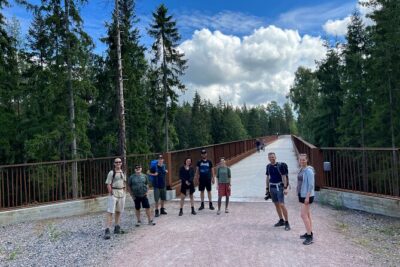
It’s also a small-group outing, capped at 6 people, which makes questions easy and photo stops feel unforced. You start at Hakone-Yumoto Station at 9:00 am and end at Mishima Station in about 7 hours, after roughly 8 km of hiking.
In This Review
- Key highlights worth knowing
- Why the Hakone Hachiri route feels different from a typical hike
- Getting rolling from Hakone-Yumoto: the morning plan that sets the tone
- Amasake Tea House and the crafting village stop: warm-up with local flavor
- Lake Ashi: shoreline walking, Heiwa no Torii, and Mt Fuji’s best angles
- Cedar Trees of Hakone Old Road and the Hakone Checkpoint you can actually picture
- Lunch in Hakone-machi and the bus skip around a temporarily closed section
- Yamanaka Castle Ruins: ridge views and more Mt Fuji chances
- Mishima finish: Mishima Taisha, Genba River, and the Shinkansen door closing
- How hard is the Hakone Hachiri hike, really?
- What the certified guide adds (and why it’s worth paying for)
- Price and value: what $158.52 covers, and what you’ll still pay
- Who this hike suits best
- Should you book the certified Hakone Hachiri guide hike?
- FAQ
- What is the total distance on the Hakone Hachiri hike?
- How long does the tour take?
- Where do I meet the guide, and what time does the tour start?
- Where does the tour end?
- Is lunch included in the price?
- Are admission tickets included for the stops?
- What about transportation during the day?
- Is Mt Fuji guaranteed?
- Is this tour refundable?
Key highlights worth knowing
- Certified guide with wilderness first-aid for a steadier, safer route through mountain trail segments
- Japan Heritage Hakone Hachiri on the Old Tokaido Highway, including a Hakone checkpoint stop
- Lake Ashi viewpoints with Heiwa no Torii and the chance for Mt Fuji in the background
- Cedar Old Road walking with the kind of context that makes the place make sense
- Route planning built in: bus skips a temporarily closed section so you can keep going
- Finish in Mishima with Mishima Taisha and Genba River before you hop on the Shinkansen
Why the Hakone Hachiri route feels different from a typical hike
Hakone Hachiri is tied to Japan’s Edo period travel—think old road logic, steep passes, and travelers moving between Edo and Kyoto. This hike follows part of the Old Tokaido Highway, where the route climbs and curves the way people once had to. It’s also labeled as a Japan Heritage site, so you’re not just “walking through nature,” you’re walking through a route that mattered.
What makes this day work is the balance. You do real hiking—about 8 km—but you also use local transit to connect key stops. That means you spend less time wrestling with directions and more time noticing the details your guide points out: checkpoint purpose, how cedar streets shaped travel, and why certain spots on the route earned attention.
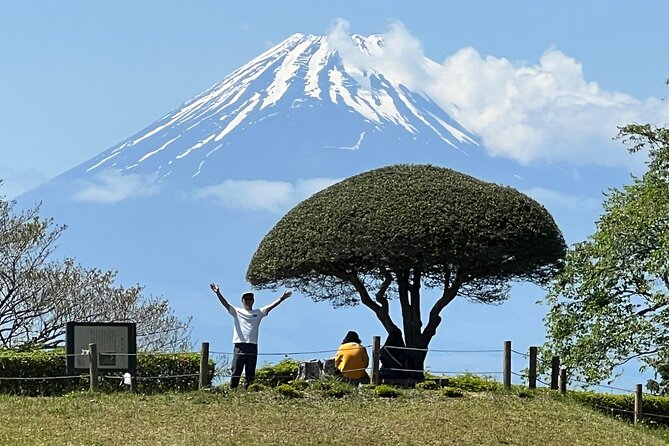
And yes, Mt Fuji is a big part of the draw. You’ll have multiple chances to see it from different angles—near Lake Ashi, and possibly from the Yamanaka Castle Ruins area—if weather allows. When it’s visible, it feels like the route is showing off its postcard points on purpose.
You can also read our reviews of more tours and experiences in Hakone.

Getting rolling from Hakone-Yumoto: the morning plan that sets the tone
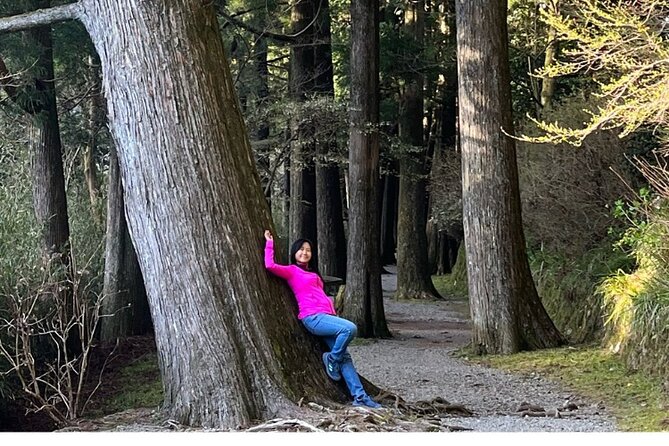
You meet at Hakone-Yumoto Station at 9:00 am. From there, the start is a quick hop by shared taxi to the trailhead, then you begin walking. You’ll be moving within about an hour after the taxi transfer, so it doesn’t drag into a slow start.
That matters because Hakone mornings can shift fast. If you’re trying to catch clear skies for Mt Fuji, you want to be out before clouds fully thicken. The guide’s job here isn’t just history; it’s timing—figuring out how to link the route sections and still hit the meaningful stops during the day.
The group size is small (max 6), so the pace is easier to manage than you’d get on big tour buses. If someone needs a slower rhythm on the trail, the guide can adjust without turning the whole schedule into chaos.
Amasake Tea House and the crafting village stop: warm-up with local flavor
Your first major stop centers on Hakone Amazake Tea House, after you’ve met and started the trek from the Hakone-Yumoto area. The flow includes a walking lead-in (about an hour) before you reach a wood crafting village segment where you can watch artisans use traditional skills.
You’ll also be in the right mood for this part of Hakone. The route begins more human-scale—tools, materials, and small workshops—before it turns into bigger views over water and ridgelines. It’s a good “eyes open” segment because it primes you to look at why Edo-era travelers cared about local stops on the road.
One practical note: amazake and snacks are not included, even though the stop is tied to the tea house. So if you want to try drinks or bites during the day, keep a little extra cash or card budget ready.
Lake Ashi: shoreline walking, Heiwa no Torii, and Mt Fuji’s best angles
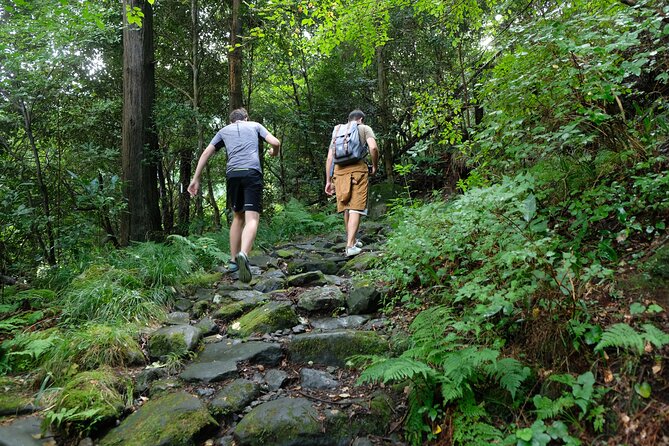
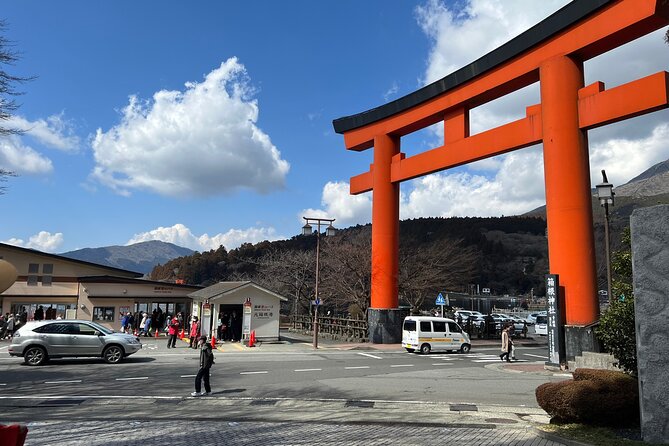
Once you reach Lake Ashi, the day shifts gears from trail texture to open views. You’ll head along the shoreline area and take in the Heiwa no Torii. On a clear day, you may get Mt Fuji standing behind it, which is one of those “how is this real?” combinations.
This part is also where you’ll see the route connect to Hakone’s iconic lake setting. The hike includes cobble stone path walking to the Lake Ashi area and viewpoints that tie into the Torii presence at Hakone Shrine. Even if Fuji is hidden, the lake setting still gives you that classic Hakone feeling.
And timing helps. Because you’re guided, you can linger at the right moments without losing the rest of the route. You’re not guessing where the best angles are while also trying to read signs in a busy station area.
Cedar Trees of Hakone Old Road and the Hakone Checkpoint you can actually picture
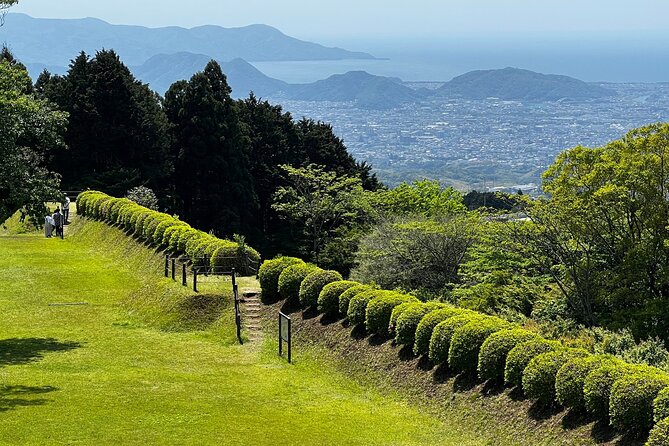
After the shoreline segment, you move into the cedar avenue area along the Hakone Old Road. Cedar trees line the route like a corridor, and that changes the walking feel. The air turns cooler under the canopy, and you can hear your group’s footsteps more clearly.
Then you reach the Hakone Checkpoint area. This isn’t a generic viewpoint stop. Your guide explains the checkpoint concept—how it functioned like an immigration or control point in modern terms—so you can imagine travelers being processed before moving further along the route. When you know what a checkpoint did, you stop treating it like a random historical sign and start seeing it as a turning point in someone’s journey.
If you like history but hate museum-only history, this is the sweet spot. The information sticks because it’s tied to a place you’re standing on while walking the road.
Lunch in Hakone-machi and the bus skip around a temporarily closed section
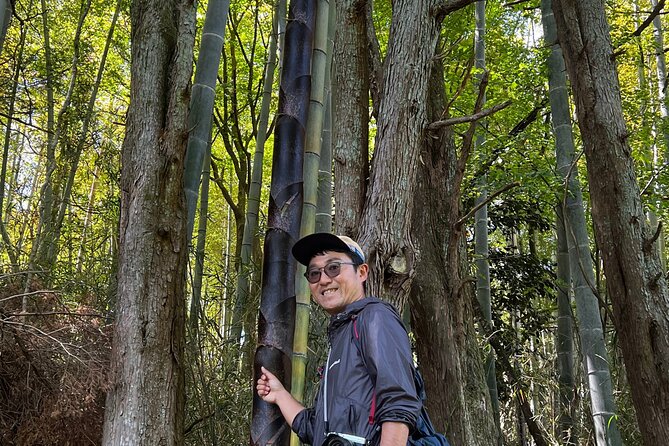
By the time you reach Hakone-machi, lunch is part of the schedule. The tour includes a lunch break at a local Japanese restaurant, but lunch isn’t included in the price. Budget around 2,000 yen for your meal.
After lunch, you take a bus to reach the next trailhead on the Shizuoka side of Hachiri. This bus segment exists for a reason: it skips a temporarily closed part so you can resume the route without wasting time. That’s a big deal in real life. Mountain road routes can have closures for weather, maintenance, or trail safety, and the “workaround” keeps your day intact.
So even though you’re paying for a guided experience, you’re also paying for route intelligence. You’re not just walking the road; you’re learning how people keep moving when the road can’t be walked.
Yamanaka Castle Ruins: ridge views and more Mt Fuji chances
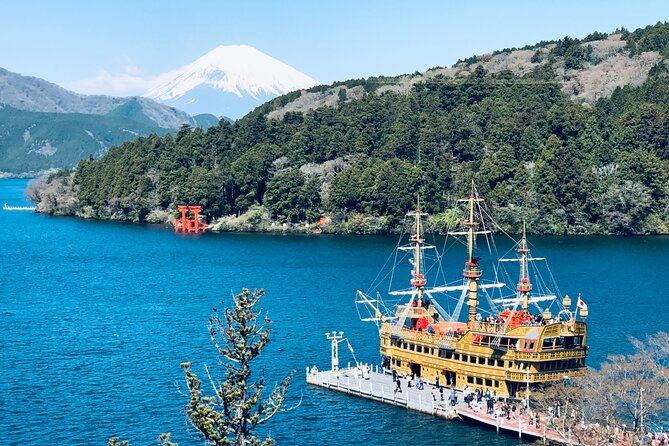
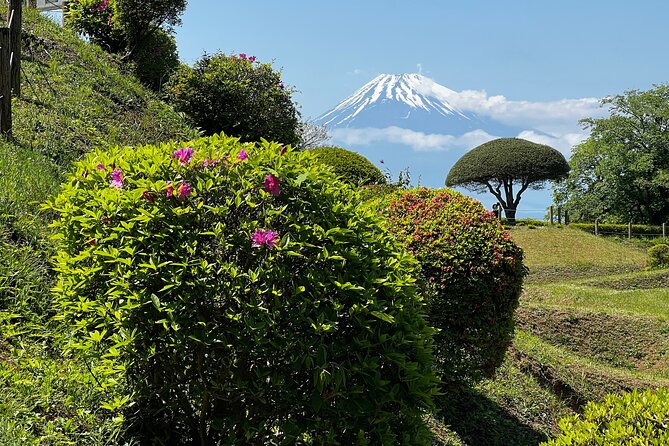
Next up are the Yamanaka Castle Ruins, visited along the Hachiri path. This is one of the more “stand and look” parts of the route, even though you’re still on the move. If the weather is friendly, Mt Fuji may appear from this area, giving you a second chance beyond Lake Ashi.
What I like about this stop is the feeling of perspective. You’re moving through a corridor of history and then you get a chance to look outward from where a castle once connected to the wider landscape. Even without perfect visibility, the elevation and route context make the day feel like a connected line rather than separate sightseeing dots.
And because the guide is handling the transitions, you’re free to focus on footing and photos. That’s especially helpful if rain makes surfaces slick or if you want to pause frequently for the best angle.
Mishima finish: Mishima Taisha, Genba River, and the Shinkansen door closing
You end in Mishima. The tour includes a visit to Mishima Taisha, described as the biggest shrine in Mishima, plus time around Genba River. After that, you finish at Mishima Station, where you can continue onward.
This is where logistics matter for value. The tour doesn’t include the Shinkansen ride from Mishima to Odawara. The provided estimate is around 2,500 yen for Odawara (about 15 minutes). If you want to head back to Tokyo, the estimate is about 4,400 yen (around 45 minutes).
So plan your day so the hike finish feels like a transfer, not a cliffhanger. If you’re taking the Shinkansen soon after the tour ends, make sure you’ve got the ticket and payment method ready so you don’t lose time in a line.
How hard is the Hakone Hachiri hike, really?
The route is about 8 km of hiking in total and takes around 7 hours. That’s not “race across mountains” territory, but it’s also not a flat urban stroll. The Hakone portion includes steep slope segments typical of the Tokaido mountain crossing, and the tour is marked for moderate physical fitness.
Your best move is to bring shoes that handle uneven ground and possibly wet conditions. Even when the weather is mostly fine, Hakone terrain can be slippery. You’ll also want a light rain layer or packable shell, because the tour is weather sensitive.
Keep your expectations realistic about Mt Fuji. The hike gives you several chances, but clouds win sometimes. If Fuji is gone, you still get the checkpoint explanation, cedar road walking, lake views (even if dull), and the shrine finish.
What the certified guide adds (and why it’s worth paying for)
This tour includes a national certified pro guide with a wilderness first-aid certificate. That’s not just a credential badge. It changes how the day runs when timing shifts or when the trail conditions aren’t perfect.
The guide’s role is also interpretive. You’re walking an Edo-era route, but the guide supplies context so you understand why each segment exists. The checkpoint stop becomes more than a photo op. The cedar avenue becomes more than a pretty hallway of trees. The bus “skip” around a closed section becomes part of the route story—people had detours even in earlier centuries.
In the feedback I’ve seen reflected by guide-led experiences, Aki and Akihiro stand out for knowledge plus a calm, helpful presence. They also help with practical things like making sure you’re placed for the best photos without turning the hike into a constant stop-start.
Price and value: what $158.52 covers, and what you’ll still pay
The price is $158.52 per person and the tour runs about 7 hours with a maximum of 6 travelers. There’s also mobile ticketing and group discount structure.
Included:
- The certified national pro guide with wilderness first-aid
- The activity plan tied to the listed stops (several stops are marked with admission ticket free)
Not included (you’ll likely budget for these):
- Lunch (about 2,000 yen)
- Transportation fees to trailheads and between sites (about 2,000 yen by shared taxi or buses)
- Shinkansen from Mishima to Odawara (about 2,500 yen)
- Amasake and snacks along the way
Here’s how I’d judge value. If you’re comfortable navigating Hakone on your own, you could probably piece together segments. But this route is long enough and schedule-dependent enough that a guide earns their keep. The guide also saves you from the most annoying part of multi-stop hiking: figuring out where you should be next while also trying to enjoy the views.
In other words, you’re not only buying the trail. You’re buying interpretation, timing, and a plan that connects Hakone Yumoto to Mishima without a headache.
Who this hike suits best
This is a great fit if you want a morning-to-afternoon hike that combines Japan Heritage road history with real outdoor time. If you like Edo-era travel context, checkpoint logic, and the way roads shaped daily movement, you’ll get more out of this than a pure sightseeing day.
You should also like moderate hiking. If you’re okay walking on uneven ground and keeping a steady pace, you’ll enjoy it. If you have very limited mobility, steep and uneven parts may be hard to manage, even with a guide.
If you’re traveling as a small group and want an organized route (instead of trains, buses, and trail maps all day), the max-6 format is especially appealing.
Should you book the certified Hakone Hachiri guide hike?
Book it if you want an Edo-style road experience that actually walks you through the route—Hakone Yumoto to Lake Ashi, the cedar road, the checkpoint story, and then down to Mishima. The combination of certified guidance, small group size, and route planning around closures makes the day feel smoother than DIY.
Skip or reconsider if your main goal is only Mt Fuji. Since the day is weather dependent, you could end up with clouds and fewer “Fuji-on-demand” moments. Also make sure you’re okay budgeting for lunch and local transport costs that aren’t included.
If you’re choosing between a casual Hakone day and a structured historical hike, this one is the more meaningful option. You’ll come away with route context you can picture, not just a few photos.
FAQ
What is the total distance on the Hakone Hachiri hike?
The hike covers around 8 km in total.
How long does the tour take?
The duration is about 7 hours.
Where do I meet the guide, and what time does the tour start?
You meet at Hakone-Yumoto Station at 9:00 am.
Where does the tour end?
The tour ends at Mishima Station.
Is lunch included in the price?
No. Lunch is not included, and it’s listed as around 2,000 yen.
Are admission tickets included for the stops?
The stop details show admission ticket free for the listed viewpoints and sites.
What about transportation during the day?
Transportation between sites is by foot and local bus, with a shared taxi used at the start to reach the trailhead. Transportation fees are listed as around 2,000 yen.
Is Mt Fuji guaranteed?
No. You may see Mt Fuji from different angles while walking if the weather permits.
Is this tour refundable?
It is non-refundable and cannot be changed for any reason. If it’s canceled due to poor weather, you’ll be offered a different date or a full refund.