REVIEW · HAKONE
Hike Japan Heritage Hakone Hachiri (Half Day)
Book on Viator →Operated by Coconuts Hike Japan · Bookable on Viator
Cobbles, forests, and a teahouse older than your trip. The Hakone Hachiri half-day hike traces part of the old Tokaido highway between Hakone-Yumoto and Lake Ashi, mixing cobbled road sections with quieter forest paths. It also adds story stops that make this more than just a stroll with views.
I love that you spend real time on the preserved cobbled Tokaido and then get a stretch where the forest often feels like it’s yours. I also love the human side: guides like Akihiro (who studied in Seattle and has excellent English) help connect what you’re seeing to the Edo-era road linking Tokyo and Kyoto, plus you get a classic break at a 400-year teahouse with amazake.
One consideration: this is a hike for people with moderate physical fitness, and it depends on good weather. If conditions aren’t right, the hike may be canceled and you’ll need to swap dates or take a full refund.
In This Review
- Key things that make this hike worth it
- Why the Hakone Hachiri hike feels real (and not rushed)
- Meeting at Hakone-Yumoto at 9:00 and finishing by Lake Ashi
- The route: cobbled Tokaido, primitive forests, and a bus that saves your legs
- Stop 1: Hatajuku woodcraft village and why it sets the story
- Stop 2: the 400-year teahouse and a calm power-up
- Stop 3: the Hakone checkpoint—where the guide ties it together
- Stop 4: Lake Ashinoko and Mt Fuji chances across the water
- Price and logistics: what $114.95 really buys you
- What fitness level and footwear actually works best
- Who should book this Hakone Hachiri hike
- Should you book it?
- FAQ
- How long is the Hakone Hachiri half-day hike?
- Where does the tour start, and what time?
- Where does the tour end?
- How big is the group?
- What’s included in the price?
- What costs are not included?
- Is the hike suitable for people with moderate fitness?
- Will I be able to see Mt Fuji?
- What happens if the weather is poor or if I cancel?
Key things that make this hike worth it
- Old Tokaido segments on cobbled paths, not just paved viewpoints
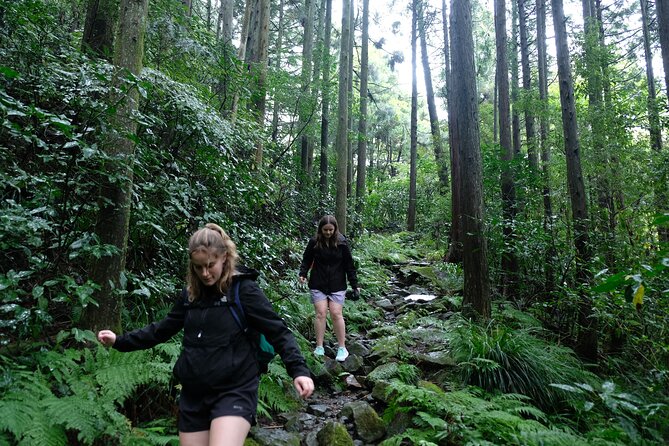
- Forest time that’s often off-the-beaten-track with room to breathe
- Hatajuku woodcraft village gives you context before the trail steepens
- A 400-year teahouse stop with amazake to reset your energy
- Lake Ashi timing for Mt Fuji chances, weather permitting
Why the Hakone Hachiri hike feels real (and not rushed)
Hakone can be crowded, especially around the main sights. This walk gives you a quieter rhythm: 2–3 hours on foot with a mix of cobbles and forest trails. The route leans historical, but it doesn’t feel like a museum lesson. You’re walking the kind of pathway travelers used, and the guide helps you see how the landscape and movement shaped travel between major cities.
A big part of the appeal is the small group size: you’re capped at 6 travelers. That matters on a trail—less shuffling, fewer photo jams, and it’s easier to ask questions about the road, the checkpoints, and Hakone’s role in travel history.
And while the hike is the main event, the planning is smart. You skip the steepest part by bus, so the day stays enjoyable instead of turning into a knee-test. That blend—some effort, plus thoughtful routing—usually makes the whole half day work better for more people.
You can also read our reviews of more tours and experiences in Hakone.


Meeting at Hakone-Yumoto at 9:00 and finishing by Lake Ashi

You start at Hakone-Yumoto Station at 9:00 am, and the hike runs about 4 hours total. This timing is handy because it leaves you time to move on afterward without losing an entire day to transit.
The tour ends around 1 pm near Lake Ashi / Motohakone, which is exactly where you’d want to be if you’re continuing your Hakone loop. You can catch a bus or a ferry—there’s also the famous pirate ship option—so you can link to your next destination without backtracking.
One logistics note: transportation to the trailhead is not included. The operator lists a shared taxi (about 2,000 yen, split among the group). You might also pay a small bus fee (less than 400 yen) for the segment that takes you to the teahouse area.
The route: cobbled Tokaido, primitive forests, and a bus that saves your legs
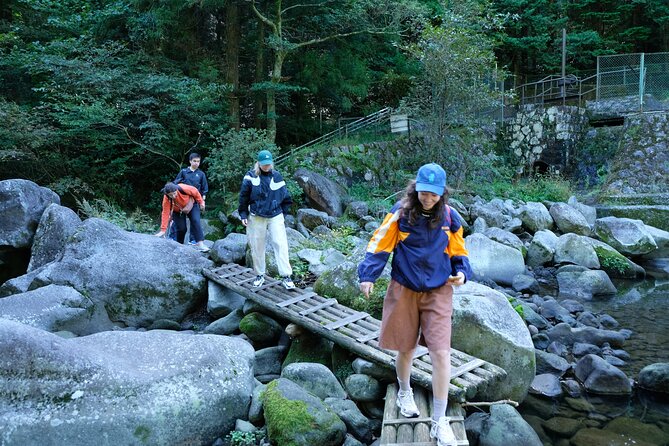
The heart of this hike is the old Tokaido highway stretch between Hakone-Yumoto and Lake Ashi. You’ll cover a mix:
- Cobbled paths (some of it described as the best-preserved segment)
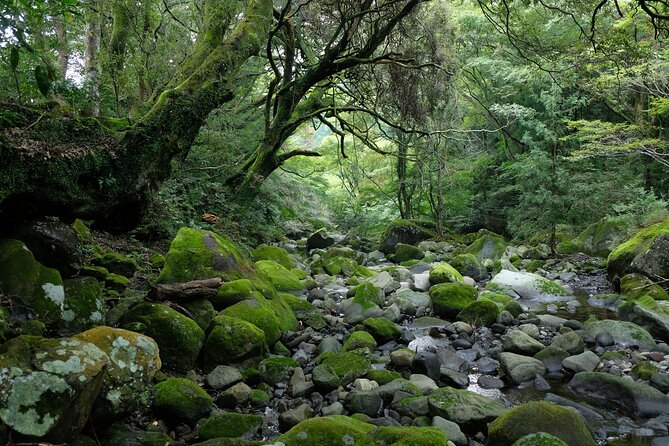
- Forest trails that feel more primitive and quieter
A practical takeaway: expect uneven footing. Cobblestones are charming, but they ask for real shoe traction, especially if it’s damp. The forest sections add natural texture—roots, narrow paths, and that “walk slower and look around” feeling.
Then there’s the bus skip. Instead of grinding up the steepest part on foot, you take a bus onward to reach the teahouse area. That’s not laziness—it’s an efficiency move that protects the hike experience for a moderate fitness level.
Most days, you get some off-the-beaten-track time, where the forest feels less crowded. That’s where the hike becomes more restorative than sightseeing.
Stop 1: Hatajuku woodcraft village and why it sets the story
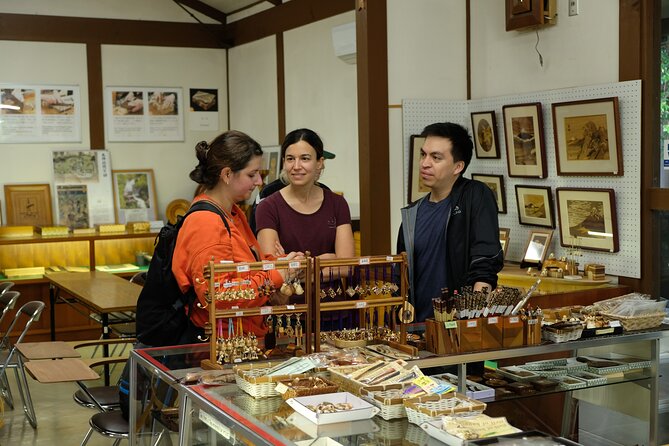
After about an hour on the trail, you reach Hatajuku, a woodcrafting village. This stop isn’t just a photo stop. It’s the moment where the guide can connect the road you’re walking to the kind of communities travelers passed through—or relied on—for goods and supplies.
Hatajuku gives you a sensory shift: you’re moving from road texture into the craft culture that shaped everyday life in this region. The village name is part of the reason this hike feels distinct in Hakone; it’s not only about boats, temples, and viewpoints.
Then the schedule moves you on by bus to skip the steepest section. You’re essentially building your day like this: walk the road segment, get cultural context at Hatajuku, then recover for the next meaningful stretch.
If you like regional details—how places made things, how routes supported people—this village stop is the kind that quietly sticks with you.
Stop 2: the 400-year teahouse and a calm power-up
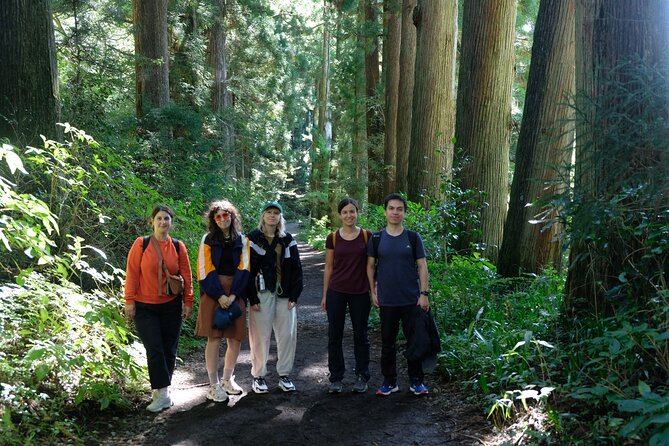
Next comes Hakone Amazake Tea House for a 30-minute break. The key detail is the teahouse’s 400-year background. That’s the kind of age that helps you slow down and understand you’re not only hiking on an old route—you’re also taking a break at a place that has served travelers for centuries.
You’ll enjoy amazake, a sweet, warm drink (and a classic in Japanese travel spaces). It’s an easy energy reset after the morning’s walking.
One small bonus from the field experience: the tour style often includes additional traditional refreshments at stops. In the same spirit of small local breaks, your timing may include things like barley tea and a traditional rice dessert during a short rest. The main guarantee is the amazake tea house stop; extras can vary by day and flow, but the tour’s overall pacing is designed around these stop-and-go energy moments.
Practical tip: since the drink is part of the plan, don’t overdo your breakfast. You’ll want enough fuel for the later stretch toward Lake Ashi, but you’ll also want room for that tea house break to feel refreshing, not heavy.

Stop 3: the Hakone checkpoint—where the guide ties it together
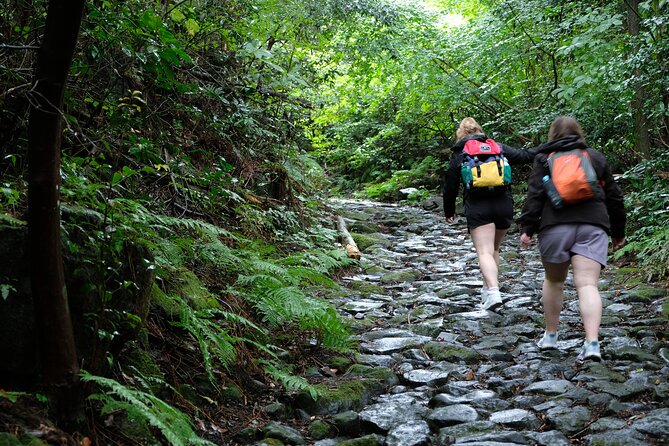
After the tea house, you continue toward the finish area and reach the Hakone Checkpoint. This is scheduled for about 30 minutes, and it’s the tour’s meaning-making stop.
This is where the guide explains the significance of Hakone in Japan’s travel history, including how this route mattered between major cities. The old Tokaido highway is more than a name here—your guide helps you understand why the area was important and how checkpoints shaped movement and safety along the road.
This is also a good moment to ask questions. The pacing is slow enough that you can clarify what you just saw on the trail: why that section matters, what the checkpoint role likely was, and how the road and communities fit together.
If you’re traveling with someone who likes stories, this checkpoint is often the stop that makes the hike feel like more than exercise.
And yes, language quality can matter on a historical walk. In the past, guides such as Akihiro have been praised for strong English and clear explanations, which helps a lot when the conversation is the point.
Stop 4: Lake Ashinoko and Mt Fuji chances across the water
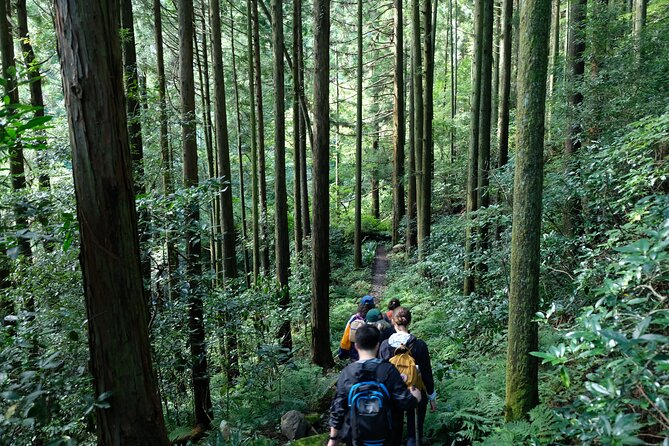
The final walk heads to Lake Ashinoko. This part is scheduled for about 1 hour, and it’s framed as a calmer, more scenic end to the day—often described as a forest-bathing type of finish.
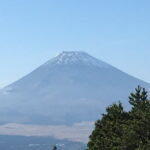
The big visual target is Mt Fuji. You might be able to catch a view of Mt Fuji across the lake if the weather cooperates. That’s not something you can force, but the tour is set up to give you a shot at it.
Two practical thoughts:
- Bring a camera you can actually use from where you’ll stand. Views can depend on small changes in angle and cloud cover.
- Dress for shifting light. Morning can be clearer, and fog can roll in fast in mountain areas. Being ready for both sun and mist keeps the end of the hike enjoyable.
If you don’t see Mt Fuji, you’ll still have the lake’s atmosphere as your payoff. Still, the weather note matters: this experience needs good weather to run well.
Price and logistics: what $114.95 really buys you
The price is $114.95 per person, for a half-day hike that runs about 4 hours. That’s not cheap by Japan standards, but it’s in line with what you’re getting: a certified national mountain guide plus free admission to the included stops.
Here’s where the value comes from:
- Guided interpretation on an actual route with real texture (cobbles + trails)
- Small group size (max 6), which makes the experience feel personal
- Free entry for the booked experience stops, plus a mobile ticket
- A planned structure that includes a teahouse break, not just walking
The main extra costs are predictable and minor:
- A shared taxi to the trailhead (about 2,000 yen split)
- A small bus fee to reach the teahouse segment (less than 400 yen)
One more practical value point: this is booked a median of about 59 days in advance. If your dates are tight or you travel in busy seasons, booking earlier helps you lock in your time slot.
What fitness level and footwear actually works best
The tour asks for moderate physical fitness. In practice, that usually means you should be comfortable with:
- Uneven ground on cobblestones and forest paths
- Sustained walking for a portion of the day (the hike itself is 2–3 hours)
- Standing and walking between short stops
You don’t need to be an ultra-hiker, but you do want shoes with grip and good support. This isn’t a stroller-friendly stroll, and it’s not designed for flip-flops and optimism.
If you’re the type who likes to keep a steady pace, you’ll enjoy it. The group is small, and the bus skip helps keep the day within a manageable effort level.
Weather is also part of the fitness math. Rain can make cobbles slippery and forest paths slick. Since the experience requires good weather, you’ll either be in the right conditions or get offered another date if canceled due to poor weather.
Who should book this Hakone Hachiri hike
This is a great fit if you want:
- A historical route walk that feels tied to place
- A mix of trail time and story stops (rather than only views)
- Small-group attention from a guide with strong English, like Akihiro
- A half-day plan that still gets you to Lake Ashi for onward travel
It can also work well for families with older kids or teens who enjoy walking and learning. One review-style detail that shows up in real-world experiences: a parent and their 16-year-old found the guide and history side especially rewarding.
If you’re someone who wants long, big-picture sightseeing blocks, this might feel short. If you need fully accessible routes or you can’t handle uneven surfaces, you’ll want to choose a different Hakone activity.
Should you book it?
If you’re in Hakone and you want a day that includes both trail texture and clear historical context, I’d book this. The structure is thoughtful: you get cobbles, you get forest calm, you get a real teahouse break, and you end in the right place for boats and buses.
Book it especially if you’re the kind of traveler who likes roads, checkpoints, and the way travel shaped daily life. And if Mt Fuji is on your wishlist, remember the lake view is weather dependent, so aim for a day with better forecasts.
If you’d rather spend your time purely at major viewpoints with minimal walking, consider a lighter Hakone plan. But for a balanced, meaningful half day, the Hakone Hachiri hike makes a strong case.
FAQ
How long is the Hakone Hachiri half-day hike?
It’s about 4 hours total, and the hiking portion is roughly 2 to 3 hours.
Where does the tour start, and what time?
The tour starts at Hakone-Yumoto Station at 9:00 am.
Where does the tour end?
You finish at Lake Ashi, near Motohakone, around 1 pm.
How big is the group?
The tour has a maximum of 6 travelers.
What’s included in the price?
A certified national mountain guide is included, and admission ticket fees for the stops are free. You’ll also receive a mobile ticket.
What costs are not included?
Transportation to the trailhead (a shared taxi, about 2,000 yen shared among the group) is not included. The bus fee to the teahouse is also not included and is listed as less than 400 yen.
Is the hike suitable for people with moderate fitness?
Yes. The activity is described as suitable for travelers with a moderate physical fitness level.
Will I be able to see Mt Fuji?
If weather permits, you may be able to see Mt Fuji across Lake Ashi.
What happens if the weather is poor or if I cancel?
The experience requires good weather. If it’s canceled due to poor weather, you’ll be offered a different date or a full refund. Otherwise, the experience is non-refundable and cannot be changed for any reason.