REVIEW · HAKONE
Traverse Outer Rim of Hakone Caldera and Enjoy Onsen Hiking Tour
Book on Viator →Operated by Coconuts Hike Japan · Bookable on Viator
Fuji likes this ridge line. This is a Hakone day that mixes outer-caldera hiking with a long ridge walk where the scenery really earns its reputation.
I like that you get the route support of a pro guide, so you’re not stuck doing trail math, and you can focus on breathing, footing, and the views. One catch: you’ll need real stamina for the uneven sections and the climb.
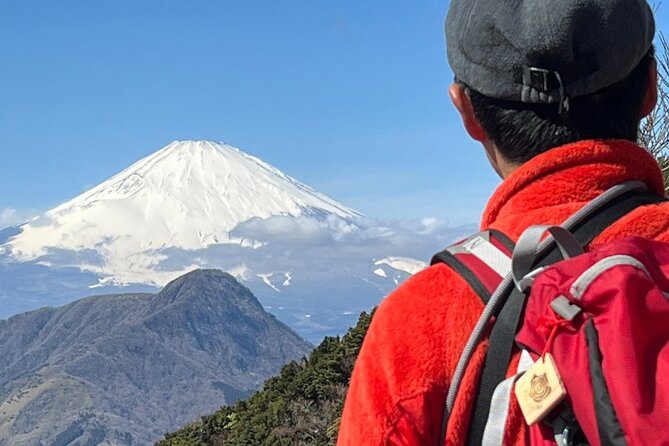
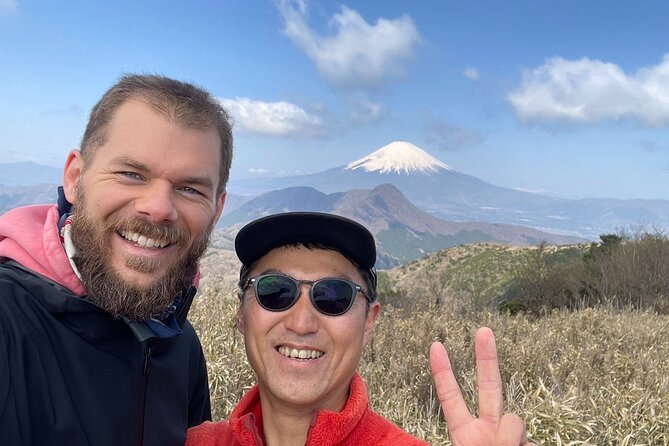
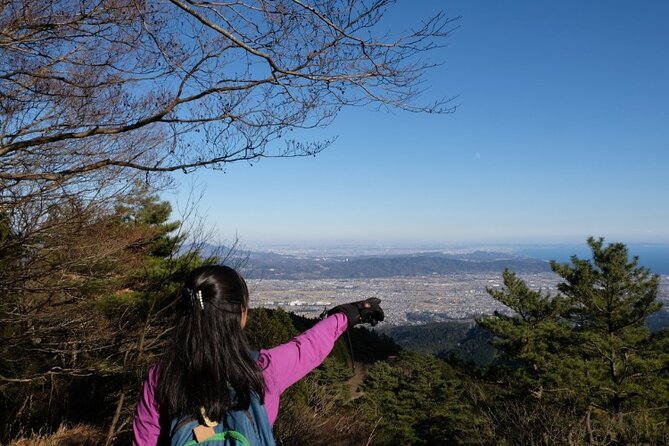
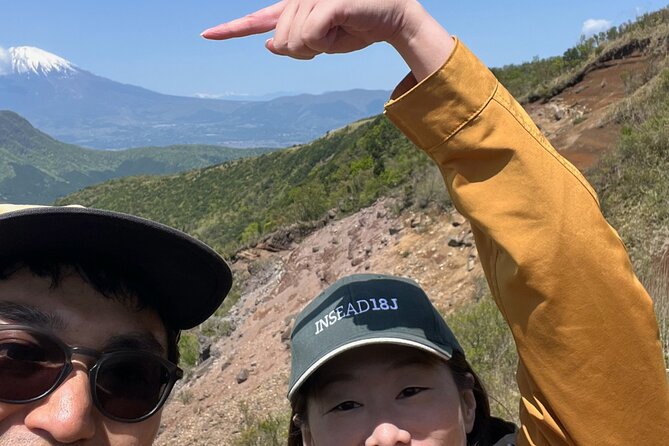
The best part, in my book, is the chance for panoramic ridge views. On clear days, Mt Fuji can show up a lot while you’re on the ridge walk, and in any weather you’ll still get wide outlooks over the Hakone area.
And I also like the finish: a proper soak afterward, with both indoor and outdoor baths to loosen tired legs.
The main consideration is fitness and conditions. This tour is for people with strong physical fitness, and if weather shuts down the best views, the plan can change or you’ll be offered another date.
In This Review
- Key highlights
- Hakone’s outer rim hike: why this day feels worth it
- The route in plain terms: 700m start, 500m climb, ridge time
- Sengokuhara start: cooler air and less stress than self-navigation
- The top and ridge walk at Mt. Marudake: the payoff section
- Lake Ashinoko area: a short lower reset
- Togendai Station area lunch: where to refuel for the onsen
- Onsen after the hike: indoor + outdoor soaking in Sengokuhara
- Price and value: what you’re paying for (and what to budget)
- Who this hike tour suits best
- Weather reality: Mt Fuji isn’t guaranteed, but the day still works
- Practical tips I’d use before you go
- Should you book this Hakone outer rim onsen hike?
- FAQ
- How long is the hike and overall tour?
- How far will I walk?
- How much elevation gain is involved?
- Where do we start and when?
- Does the tour include transportation to the trailhead?
- What’s included in the price?
- Is lunch included?
- What about onsen fees?
- How big is the group?
- What happens if the weather is bad?
Key highlights
- Outer rim traverse of Hakone caldera with a guided start from about 700m above sea level
- A 90-minute, ~500m ascent to the top that sets you up for the ridge panorama
- 2.5–3 hours of ridge walking with seasonal variety (sakura, autumn color, or winter powder)
- Mt Fuji viewing window on the ridge when conditions cooperate
- Lunch at Togendai Station area in your choice of local options
- Indoor + outdoor onsen reset with a high-relief, tired-muscle focus
Hakone’s outer rim hike: why this day feels worth it
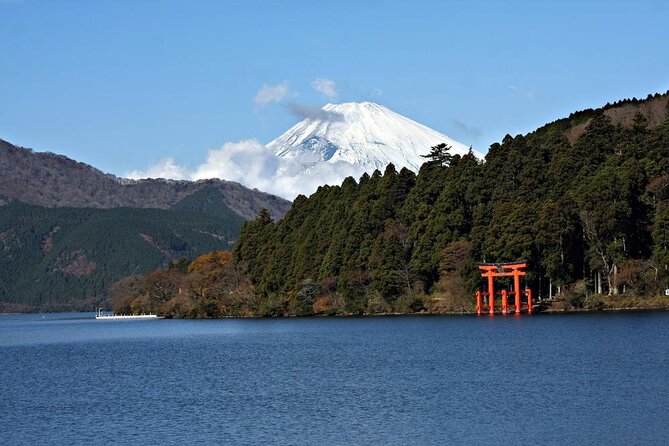
Hakone is famous for views, but this tour aims at the kind you earn: you’re not just watching from a platform. You’re hiking along the outer rim of the caldera, with a ridge section that gives you that long, sweeping perspective people come to Hakone for.
What makes it work is the rhythm. You start with a climb that’s challenging but not endless, then you settle into a longer ridge walk where the pace can stretch. The hike is about 8–9km total and runs roughly 4–5 hours on foot within a full day of about 7–8 hours, including breaks, lunch, and the onsen.
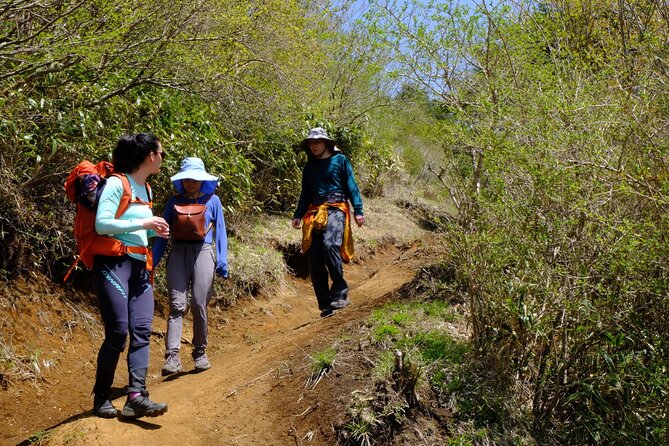
You’ll also be surrounded by the kind of nature detail that’s easy to miss on a bus tour. The path passes through bamboo areas where you’ll hear birdsong, and the scenery shifts with the season—sakura in spring, red leaves in autumn, and in deep winter you may step in powdered snow. Even if clouds block Fuji, the route still frames Hakone: you can catch outlooks toward Miyagino and Sengokuhara.
You can also read our reviews of more tours and experiences in Hakone.
The route in plain terms: 700m start, 500m climb, ridge time
You’ll begin around Hakone-Yumoto Station at 8:30am, and you’ll be taken to the trailhead by chartered taxi. The taxi cost isn’t included in the tour price, but the benefit is huge: you’re not spending your energy on getting to the start point and figuring out timing.
From the trailhead, you start at roughly 700m above sea level. Expect cooler air than you’re used to in the town below, and dress accordingly. The first big effort is a climb that takes about 90 minutes and totals roughly 500 meters of elevation gain. It’s the part that separates a casual stroll from an actual hike, so go out steady rather than fast.
After that, the heart of the day kicks in: a ridge walk of about 2.5–3 hours. This is where the views show up most. If the weather is good, you can see Mt Fuji most of the time during the ridge section. If Fuji is hiding, don’t think you got shorted. You’re still walking an elevated line over Hakone, with views that include Miyagino and the Sengokuhara area.
Then you’ll come down: about a 30-minute descent toward the lower areas around Sengokuhara. The walking continues in a manageable way from there, including a stop that takes you toward the Lake Ashinoko area for about 30 minutes.
Sengokuhara start: cooler air and less stress than self-navigation
The day begins in Sengokuhara country, but the key is how you get there. The chartered taxi transfer reduces stress. Instead of juggling trains, buses, and local timing, you’re handed a start point and a plan.
Once you’re at the trailhead, you begin around 700m elevation. That matters because it changes what you’ll feel underfoot and in your lungs. Even when Hakone town is pleasant, the mountain level can feel cooler, and the gradient will start reminding you quickly that you’re working today.
The hike itself is guided. That shows up in small ways: you’re less likely to take a wrong turn, and you don’t have to manage pacing by guesswork. One of the most praised parts of the experience is exactly this: it’s a nice way to enjoy a hiking day without worrying about navigation.
The top and ridge walk at Mt. Marudake: the payoff section
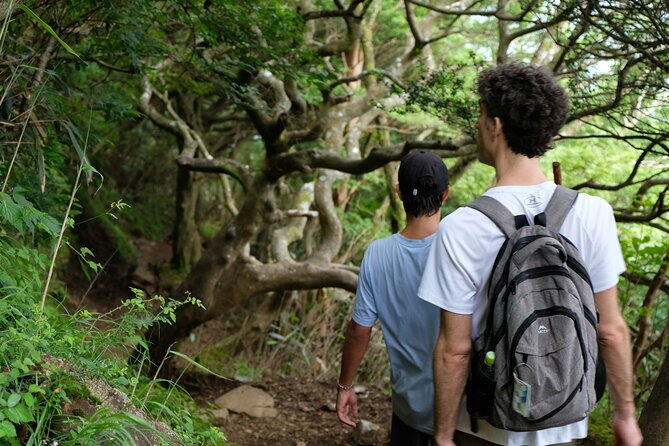
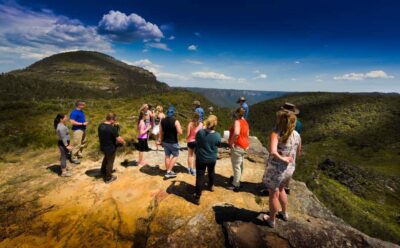
Mt. Marudake is the star for most people, because the ridge walk is long enough to let the scenery sink in. You’ll reach the mountaintop, then spend roughly 2.5 to 3 hours walking along the ridge, with extra time for photos or snacks if you want.
Here’s what you should expect from the ridge itself:
- Panoramic views over Hakone area, especially when visibility is clear
- A long stretch where you might see Mt Fuji most of the time, when the sky cooperates
- Seasonal changes that affect the feel of the hike, from spring flowers to autumn color to winter snow
Even when clouds cover Fuji, the ridge walk still gives depth. You’ll see parts of the Hakone region from above, and the views help you understand how Sengokuhara and the surrounding areas fit into the caldera.
The terrain can be uneven, and you should be prepared for footing that isn’t smooth. That’s not the kind of trail where you can drift while staring at the view. If you like nature, but you also like feeling steady, you’ll do well here.
Lake Ashinoko area: a short lower reset
After the main ridge segment, the hike transitions downward. You’ll reach the Lake Ashinoko area for around 30 minutes after descending. This is a useful pause in the day because it helps you reset before lunch.
Think of it like a breather zone. The pace doesn’t vanish, but the pressure eases compared with the earlier ascent and the ridge effort. It’s also a nice change of scenery: you’re moving from ridge-level outlooks to a water-area feeling where the air can feel different.
If weather is foggy, this can still be worth it. Fog changes how the lake and the caldera layers appear, and your guide can help you keep moving toward the best outlooks possible.
Togendai Station area lunch: where to refuel for the onsen
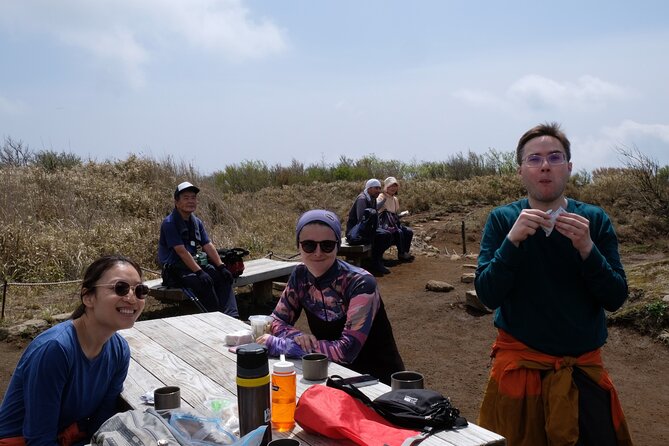
Next up is lunch around the Togendai Station General Information Center area. You get about an hour here, and the food choices include soba, udon, Japanese curry, and Westernised restaurant options. Your guide will suggest a good spot based on your preferences and what’s available.
This matters for two reasons. First, you’ll want energy after several hours of hiking. Second, you’ll likely head to the onsen right afterward, and a steady meal helps you feel comfortable in the soak.
A practical tip: don’t treat lunch as a binge day. You’re headed into hot water next, and a lighter-to-average lunch usually feels better after a climb.
Onsen after the hike: indoor + outdoor soaking in Sengokuhara
The finish is the part most people remember: the onsen. You’ll head to a bath facility with both indoor and outdoor baths, designed for relaxing muscles after the traverse hike.
The onsen is described as having a legendary healing effect, but your real takeaway doesn’t need folklore. The layout and the timing do the job: warm water after a long day helps your legs feel human again.
This part is also flexible. The experience can be customized according to your preference, so you’re not locked into one rigid version of the end-of-day routine.
One cost detail you should plan for: the onsen fee is ¥1,500 per person, and it’s not included in the tour price.
Price and value: what you’re paying for (and what to budget)
The tour price is $158.13 per person. That number can look steep until you break down what you’re actually buying.
You’re paying for:
- A nationally certified professional guide (the biggest value driver)
- A guided, low-navigation-hassle hike plan through the Hakone outer rim area
- A structured day with set hiking time, a lunch stop, and onsen time
You’re not paying for:
- Transportation to the trailhead (chartered taxi cost is not included)
- Lunch for your group (lunch is handled during the Togendai station area stop, so you cover it)
- The onsen fee (¥1,500 per person)
So the “true day budget” is tour price plus taxi plus lunch plus onsen fee. If you’re the type who prefers to avoid map-and-mistake stress, the guide-led format is where the value lands.
Also note the group size cap: maximum of 6 travelers. That small group feel is often what makes the guide’s pacing and guidance feel supportive rather than rushed.
Who this hike tour suits best
This is a tour for active people. The requirement is strong physical fitness, and that makes sense when you look at:
- 90-minute ascent with about 500m gain
- uneven terrain
- a ridge walk that’s long enough to need stamina
It also suits you if you like nature details. The bamboo field, birdsong, and seasonal shifts aren’t just scenery—they help the whole walk feel more alive.
It may not be the best match if:
- You want a flat, easy walk
- You don’t feel confident with uneven hiking terrain
- You’re hoping for an ultra-casual day with plenty of sit-down time during the hike
If you’re traveling with kids, it can work for active families, but only if your group is comfortable with the fitness level and the pace.
Weather reality: Mt Fuji isn’t guaranteed, but the day still works
This is explicitly a weather-dependent experience. Good weather increases your odds of seeing Mt Fuji from the ridge walk. If weather is poor, the tour can be canceled.
The practical upside: if it’s canceled due to weather, you’ll be offered a different date or a full refund. So you’re not just gambling money for a maybe.
If you’re planning around photos, aim for flexibility. Visibility can change quickly in Hakone, and the ridge walk is the window where you benefit most from clear skies.
Practical tips I’d use before you go
A hike like this rewards basic planning. Here’s what I’d pack and decide before the day starts:
- Shoes with good grip for uneven terrain
- Layers for the 700m trailhead start, since mountain air can feel cooler
- Something small for energy during the ridge walk (the route includes time buffers for snacks if you want)
- Sun protection even in cooler air, because ridge sections can catch light
- A mindset for variable visibility: prepare to enjoy Miyagino and Sengokuhara views even if Fuji hides
Also, note the tour uses a mobile ticket, and you’ll get confirmation at booking time. Start your day early since it begins at 8:30am.
Finally, for timing, give yourself a little slack on the day. You’re finishing with an onsen and the activity ends in a different location, so plan how you’ll get back to wherever you’re staying.
Should you book this Hakone outer rim onsen hike?
Book it if you want Hakone on foot and you care more about how the views happen than just collecting photos. The combination of a guided caldera rim traverse, a long ridge walk with strong Fuji odds in clear weather, and an end-of-day onsen makes it a solid value day—especially if you hate navigation stress.
Skip (or choose something easier) if you don’t have strong fitness for a 500m climb and uneven terrain, or if you’re only interested in guaranteed Mt Fuji views. This tour is built for people who enjoy hiking as much as the destination.
If you’re a fit traveler, I’d treat it as one of the more satisfying ways to see Hakone beyond the usual overlooks.
FAQ
How long is the hike and overall tour?
The hiking portion is about 4–5 hours, with a total tour time of about 7 to 8 hours.
How far will I walk?
Expect roughly 8–9 km of hiking total.
How much elevation gain is involved?
There’s a 90-minute ascent with about 500 meters of elevation gain.
Where do we start and when?
You start at Hakone-Yumoto Station at 8:30am.
Does the tour include transportation to the trailhead?
No. You go to the trailhead by chartered taxi, and that transportation cost is not included in the tour price.
What’s included in the price?
A nationally certified pro guide is included. Mobile ticket and group format details are also part of the offering.
Is lunch included?
No. Lunch for your group is not included.
What about onsen fees?
Onsen admission is not included. The fee is ¥1,500 per person.
How big is the group?
The maximum group size is 6 travelers.
What happens if the weather is bad?
This experience requires good weather. If it’s canceled due to poor weather, you’ll be offered a different date or a full refund. You can also cancel for a full refund if you cancel at least 24 hours before the start time.