REVIEW · HAKONE
Hakone Hachiri: Old Tokaido Highway Hiking Tour
Book on GetYourGuide →Operated by Coconuts Hike Japan · Bookable on GetYourGuide
Hakone Hachiri is Japan history you can walk through. This 7-hour, small-group day turns the old Tokaido Highway into a real route—cobbles, forest paths, cedar avenue, and viewpoints over Lake Ashi. Mt Fuji sightings are a bonus when weather cooperates, and you’ll connect the scenery to how people actually moved between Kyoto and Edo.
I love the combination of gentler hiking with Edo-period context. The path is mostly beginner-friendly—think gentle slopes and manageable cobbled sections—so you can focus on learning without feeling like you’re training for a mountain race.
One consideration: this is still a hike. You’re walking about 5–6 hours in total, and the route isn’t suitable for mobility impairments. Also, Mt Fuji views are weather-dependent, so plan for photos to be a little hit-or-miss.
In This Review
- Key things that make this tour work
- Why Hakone Hachiri feels like a time machine
- The walking plan: 8 km in a mostly beginner-friendly day
- Starting at Hakone-Yumoto: get your bearings fast
- Hatajuku and the Amasake Tea House: snack stop with real backbone
- Old Tokaido cobbles: the texture of Edo travel
- Lake Ashi and the Torii view: Mt Fuji is a bonus, not a guarantee
- The ancient cedar avenue: 400-year trees you can actually feel
- Hakone checkpoint gate: where Edo controlled movement
- Beyond Hakone Pass: castle ruins and a flexible pace
- Mishima Taisha and Genbe River: history plus a calmer finale
- Guide and group size: the difference between walking and being led
- Price and value: is $167 worth a 7-hour heritage hike?
- Weather, comfort, and what to bring for an easy day
- Should you book Hakone Hachiri with a mountain guide?
- FAQ
- How much do I walk on the Hakone Hachiri tour?
- Where does the tour start and where do I finish?
- What is included in the tour price?
- Is the Mt Fuji view guaranteed?
- How big is the group?
- What language is the guide?
Key things that make this tour work
- Certified mountain guide with wilderness first aid training, so you’re guided and safe on uneven sections
- Amasake Tea House stop with a 400-year setting and an energizing taste
- Old Tokaido cobbles + Hakone checkpoint gate for the real Edo travel story
- Lake Ashi viewpoints and the Hakone Shrine Torii view postcard-style, if skies allow
- Cedar avenue with trees over 400 years old, a slow, atmospheric walk
- Small group (up to 6), which makes pacing and flexibility feel natural
Why Hakone Hachiri feels like a time machine
Hakone Hachiri is one of those rare routes where you don’t just look at history—you move through it. During the Edo period (roughly the 17th–19th centuries), travelers traveled the corridor between Kyoto and Edo (today’s Tokyo). The modern world is fast. Bullet trains and buses are convenient. But walking pieces of Hakone Hachiri lets you feel the rhythm of travel back then, step by step.
Here’s the special twist: Hachiri means the tough “eight ri” mountain path (with ri roughly about 4 km today). The full route was around 32 km of mountain walking. This tour doesn’t make you suffer the steepest parts—you skip those by bus—so you still get the heritage experience without needing marathon legs. That balance is exactly why this tour is so appealing for beginners.
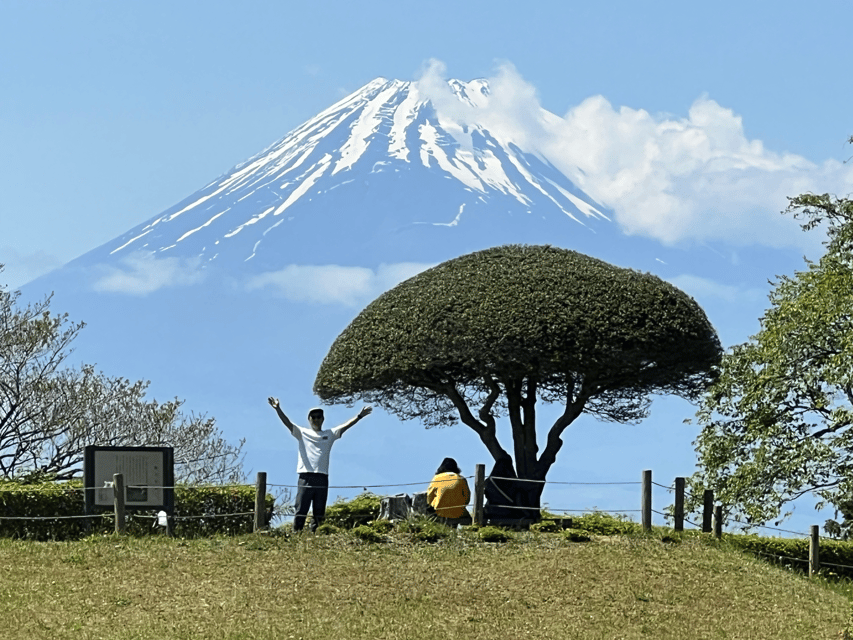
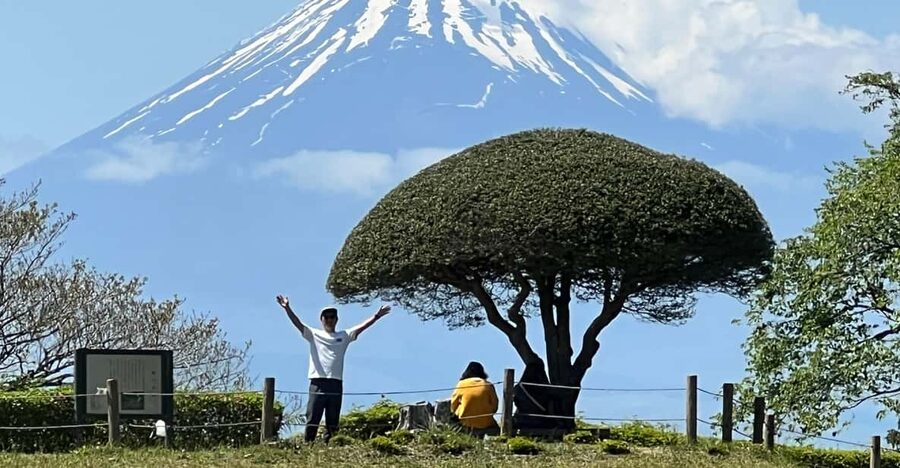
And the views help. When conditions allow, you may see Mt Fuji from different angles, including the classic Hakone look toward Lake Ashi and the Hakone Shrine Torii gate.
You can also read our reviews of more tours and experiences in Hakone.

The walking plan: 8 km in a mostly beginner-friendly day
You’ll hike about 8 km across the day, but the smartest part is how it’s split. You’re not stuck doing one long slog. Instead, you alternate between hiking stretches, photo stops, snack breaks, and ride segments.
From the start, you build up gently:
- You begin near Hakone-Yumoto Station
- You take a short taxi ride together (black cab) to the trail area
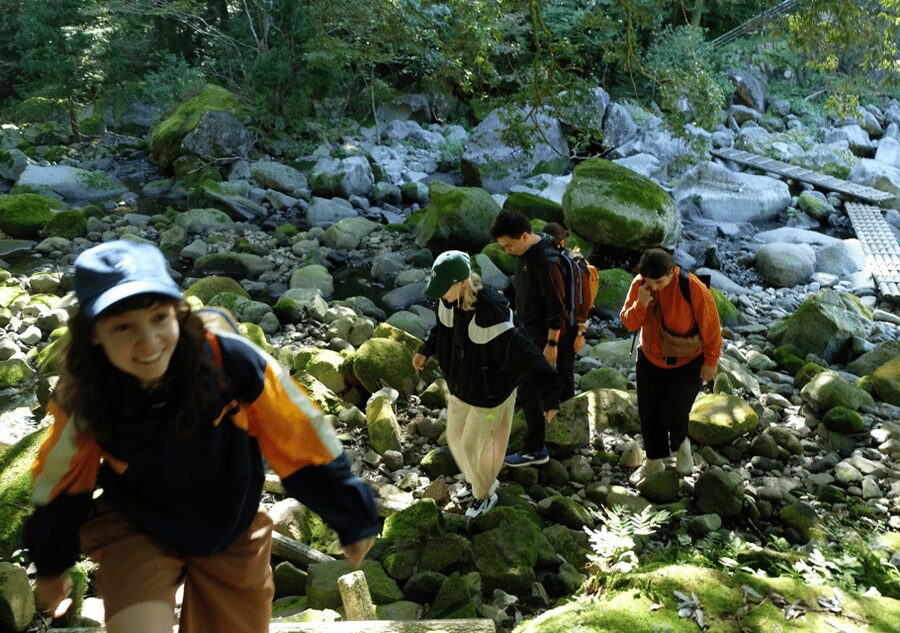
- You then hike a chunk along the river
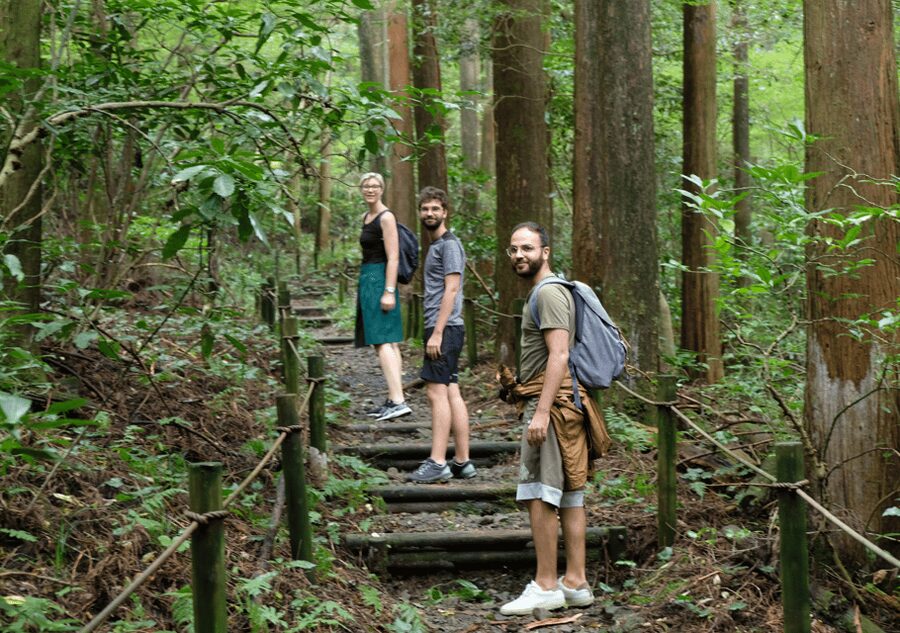
- Later, the route shifts to cobbles on the old Tokaido Highway, then to forest and scenic walk segments
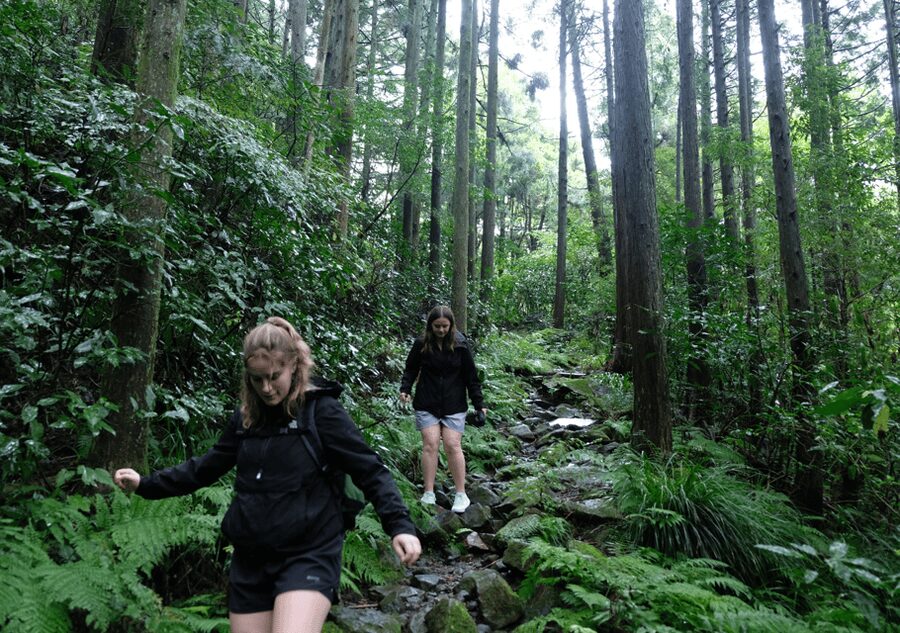
Even with “beginner-friendly” vibes, you should still expect uneven terrain. The route includes cobbled stone sections and forest trail with roots and stones in places, and your guide will point out the tricky spots. That’s one of the reasons having a mountain guide matters: you’re not just handed a route map and sent off.
A practical tip: wear comfortable, supportive shoes. You don’t need heavy-duty mountaineering boots, but you do need traction and cushioning for the cobbles and natural uneven ground.
Starting at Hakone-Yumoto: get your bearings fast
Your day begins at Hakone-Yumoto Station, where the guide meets you at the ticket gate. This matters more than it sounds. Hakone can be confusing on foot, and starting together keeps the day from feeling like logistics.
Then you ride together by black cab for about 15 minutes to reach the trailhead area. That short transfer is a time saver and also makes the day feel more like a cohesive outing rather than a self-guided patchwork.
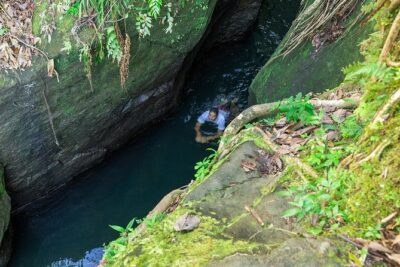
From there, you start hiking near the Sukumo River area for about an hour. This river segment is where you settle into the route: a natural transition from town to mountains, and a good warm-up before the older highway feel takes over.
Hatajuku and the Amasake Tea House: snack stop with real backbone
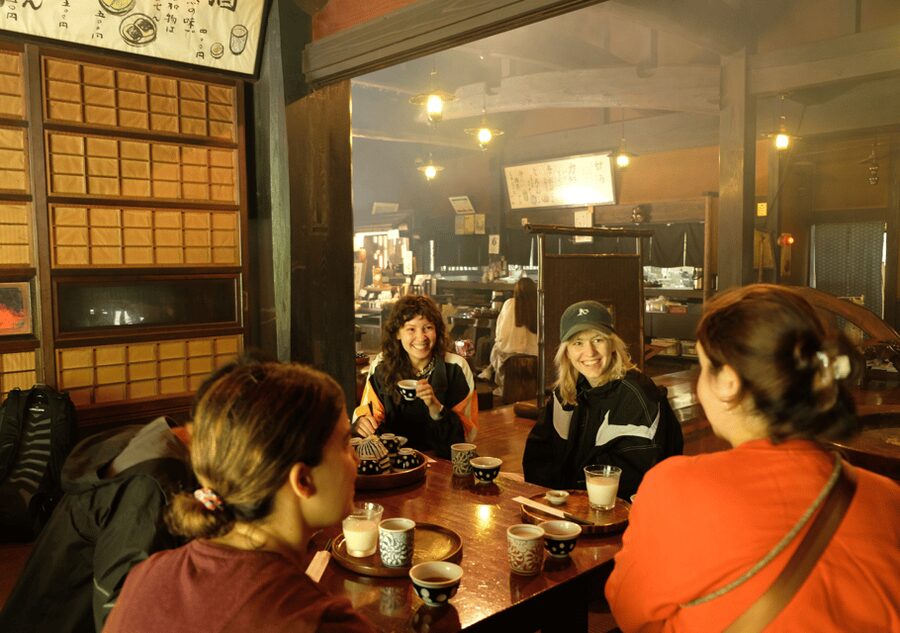
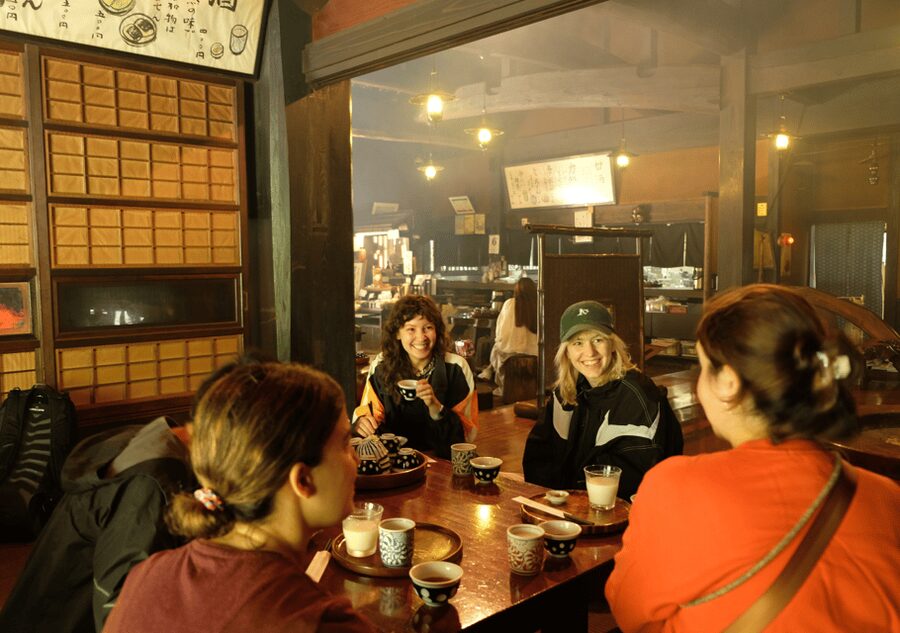
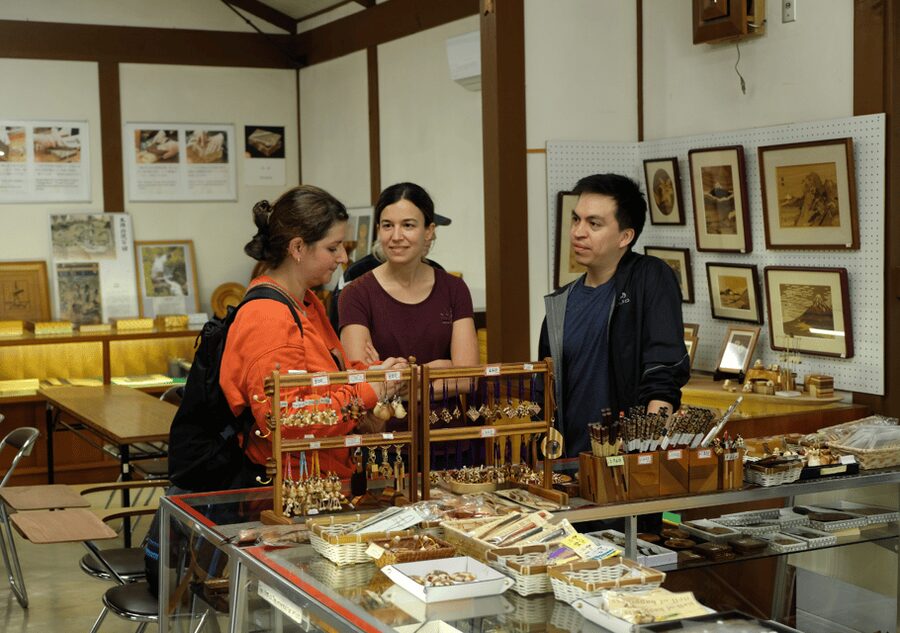
One of the most memorable parts of the route is the Hatajuku stop. This is a named stopping area on the old corridor—basically a traveler’s waypoint. You’ll have a chance to visit and shop a bit (or simply wander), then head to the teahouse area.
The highlight here is the Amasake Tea House, located in that historic Hatajuku setting and described as having 400 years of history. Amasake is sweet, warm, and filling, and it’s the kind of energy you want before you shift back into walking—especially when you’re spending time on stone and uneven ground.
In practice, this stop also helps you pace the day. Even if you’re a fast walker, the guided rhythm means you’re not rushing. You snack, refill, and then move on with more confidence.
One thing to note: the tour doesn’t list a full lunch package as included. Food and drinks beyond the teahouse stop can involve your own budget during the day, so treat meals as part of your travel plan.
Old Tokaido cobbles: the texture of Edo travel
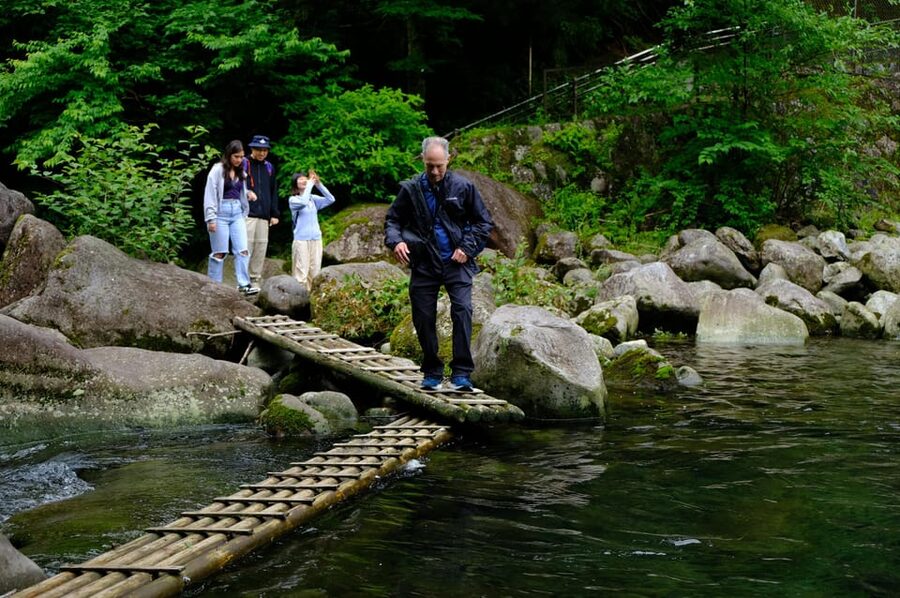
After the teahouse, you step onto cobbled sections of the Old Tokaido Highway. This is one of those details that changes everything. Walking on cobbles gives you a different sense of travel than smooth modern paths. It’s slower. Your feet pay attention.
You’ll walk about 45 minutes on this segment, and the tour is designed so the terrain feels manageable for beginners. Still, take the guide’s advice. Cobblestones can be slippery if conditions are damp, and stone unevenness can tire you if you speed up.
This is also where the Edo travel story turns from abstract to practical. When you’re physically on the route, you understand why travelers needed checkpoints, lodging areas, and organized control points.
Lake Ashi and the Torii view: Mt Fuji is a bonus, not a guarantee
At Lake Ashi, you’ll get a scenic photo stop and walking time around the lakeside area. The schedule includes about 15 minutes for views and walking/pass-by sections, followed by another longer lunch stop later.
Lake Ashi is the classic Hakone stage. If the sky is clear, this is where Mt Fuji may appear from the region’s famous viewpoints. You’ll also see the Hakone Shrine Torii gate, a postcard landmark that shows up prominently in many Hakone photos.
If Mt Fuji is hidden, don’t treat that as failure. Cloudy or hazy days can still give you dramatic lake light and layered mountains. The key is: you’ll be outside, walking, and learning where the scenery fits in the Hakone travel corridor.
After this, you’ll continue along the lake, moving toward the cedars.
The ancient cedar avenue: 400-year trees you can actually feel
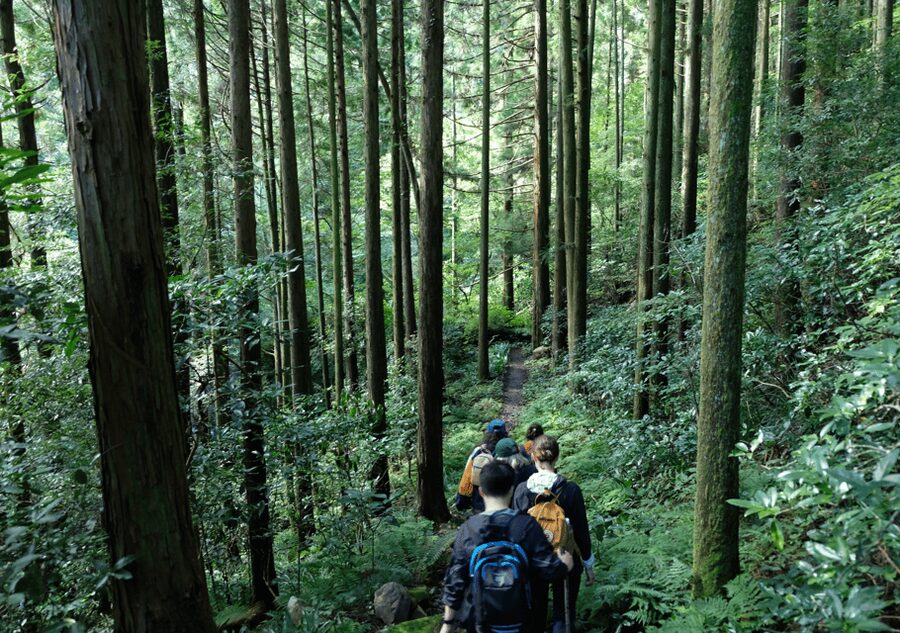
One of the best “walk and slow down” moments is the Old Tōkaidō road ancient cedar avenue. The trees here are described as over 400 years old, and that age shows up in the way the path feels—cooler air, thicker shade, and a tunnel-like effect as you walk.
The tour includes time for photo stops and a walk/pass-by segment for about 15 minutes on the east end. It’s not a long trek, but it’s long enough to make the contrast from the cobbles feel real. This is the kind of section where you’ll stop without being told, because the setting naturally encourages it.
If you care about nature, this part delivers. And the guided layer helps: your guide can connect what you’re seeing with the geography of Hakone and how travelers moved through it.
Hakone checkpoint gate: where Edo controlled movement
Next comes the Hakone Checkpoint—the gate where the Edo government controlled traffic of travelers. This is a short stop (about 10 minutes walk/pass-by time), but it’s the kind of historical detail that sticks because you can connect it to your earlier steps.
This is where the route’s logic clicks:
- travelers needed safe passage
- movement required oversight
- checkpoints defined who passed and when
Even if you only spend a few minutes here, you’ll probably notice how the landscape and route planning are tied together. Mountains weren’t just scenery; they were infrastructure with consequences.
Beyond Hakone Pass: castle ruins and a flexible pace
After the checkpoint section, you shift gears with a bus/coach ride (about 15 minutes) to pass Hakone Pass and visit Yamanaka Castle Ruins. The day is planned so you don’t repeat the hardest walking. This is one of the big value choices in a “heritage hike” like this: you get the meaning of the old corridor, without being forced through every steep section.
From here, the route offers options depending on your pace and preferences. You either move toward Mishima to see key sites or return closer to the lake area.
This is also where the small group format helps. With up to 6 participants, your guide can adjust pacing if someone needs slower steps or if weather changes the plan. In other words, you’re not trapped in a rigid conveyor-belt schedule.
Mishima Taisha and Genbe River: history plus a calmer finale
Late in the day you reach Mishima Taisha Shrine, with about 30 minutes for photo stop, sightseeing, and walking. This is a good final cultural anchor—after all the Hakone travel geography, you land in a town-side spiritual stop.
Then you walk on foot about 15 minutes and visit the Genbe River (源兵衛川) area for about 30 minutes of sightseeing and walking. This segment gives your legs a calmer rhythm than cobbles and higher-elevation hiking.
Finally, you finish at Mishima Station (around 4:00 pm). The schedule also notes an alternative finish at Odawara Station around the same time. That flexibility is helpful because it lines up with how many people continue their trip.
If you do go from Mishima to Odawara by train, the Shinkansen ride isn’t included, but it costs less than 3000 yen and takes about 15 minutes. Plan this like a simple connector, not a major travel event.
Guide and group size: the difference between walking and being led
You’re in a small group limited to 6 participants, and the guide is a nationally certified mountain guide with wilderness advanced first aid training. That combination matters because the route includes uneven footing and slippery-feeling moments. A guide who watches the group keeps the day comfortable.
You’ll also get the “why” behind what you see. The tour is built to teach the history and geography of Hakone in a way that makes the route feel understandable. Instead of memorizing dates, you connect locations to how travelers lived and moved.
From experience, I like tours where the guide can adjust pacing. This one is set up for it. A slower pace still works because the itinerary is flexible with ride segments and photo stops, not a single fixed march.
Price and value: is $167 worth a 7-hour heritage hike?
At $167 per person for a 7-hour experience, the price isn’t just for walking. You’re paying for:
- a certified mountain guide with advanced first aid training
- guided interpretation of the route’s history and geography
- a structured day that combines scenic stops, teahouse time, and multiple key heritage points
- small-group management (limited to 6), which helps with pacing and safety
Transportation between sites isn’t listed as included in the pricing details, so you should expect to cover local buses as part of the day’s logistics. You might also need to budget for lunch since the tour notes that lunch at local restaurants isn’t included.
Still, the value feels real if you want more than a basic hike. If your goal is to understand the old Tokaido corridor and the specific Hakone heritage path, a guide turns the day from scenery into story.
If you only want views and you’re comfortable hiking on your own, you could potentially DIY. But you’d miss the checkpoint context, the route meaning, and the way the day is paced for beginners.
Weather, comfort, and what to bring for an easy day
This route can be very scenic, but Mt Fuji is a conditional bonus. Plan for it, not for it to happen every time.
Because you walk about 5–6 hours, pack for real comfort:
- comfortable shoes with grip
- a sun hat (the route includes outdoor walking)
- hiking shoes if you’re the cautious type
Also dress in layers. You’ll go from river/forest shade to open lake viewpoints, and temperature can shift through the day. In colder months, the higher points can feel colder than the town areas.
If you have mobility limitations, this one isn’t suitable, since the itinerary includes walking on cobbles and trail surfaces and has no accessibility accommodations listed.
Should you book Hakone Hachiri with a mountain guide?
Book it if you want an Edo-period feel without turning the day into a full endurance challenge. This is a well-paced heritage hike: old highway cobbles, a 400-year teahouse amasake stop, Lake Ashi postcard views (and Mt Fuji when the weather behaves), plus cedar avenue and checkpoint history.
Skip it if you’re sensitive to uneven walking surfaces or you need a fully accessible route. Also, if you’re only chasing Mt Fuji photos, you might feel disappointed on cloudy days. The scenery is still good—but the Fuji is not guaranteed.
My take: for beginners who want history you can actually walk through, this is a solid choice. The small group, the guide’s safety focus, and the mix of nature plus heritage make it feel like a day in Hakone with purpose, not just a list of stops.
FAQ
How much do I walk on the Hakone Hachiri tour?
You hike around 8 km total, with about 5–6 hours of walking during the day.
Where does the tour start and where do I finish?
The tour starts at Hakone-Yumoto Station (the guide meets you at the ticket gate) and finishes at Mishima Station around 4:00 pm. It may also finish at Odawara Station around that time.
What is included in the tour price?
The tour includes a nationally certified mountain guide with wilderness advanced first aid training. Food and drinks (including lunch at local restaurants) and transportation between sites are not listed as included.
Is the Mt Fuji view guaranteed?
No. Mt Fuji is something you may see if the weather permits, including views from the Lake Ashi area.
How big is the group?
This is a small group limited to 6 participants.
What language is the guide?
The live guide speaks English and Japanese.